How Do Baby Birds Grow? A Complete Guide to Avian Development
There’s something genuinely magical about watching a tiny, featherless creature transform into a soaring bird. Whether you’re a nature enthusiast, a parent looking to engage your kids with wildlife education, or simply curious about the natural world, understanding how baby birds grow offers fascinating insights into one of nature’s most remarkable developmental journeys.
Baby birds—called chicks, nestlings, or fledglings depending on their stage—undergo one of the most dramatic transformations in the animal kingdom. From hatching as vulnerable, blind, and nearly naked creatures to taking flight within weeks, their growth trajectory is nothing short of extraordinary. This comprehensive guide walks you through every stage of avian development, exploring the biological processes, parental care strategies, and the incredible adaptations that make it all possible.
If you’ve ever wondered what happens inside that egg or how a hatchling becomes airborne, you’re about to discover the intricate dance of nature that governs baby bird growth.
The Egg Stage: Before Hatching Begins
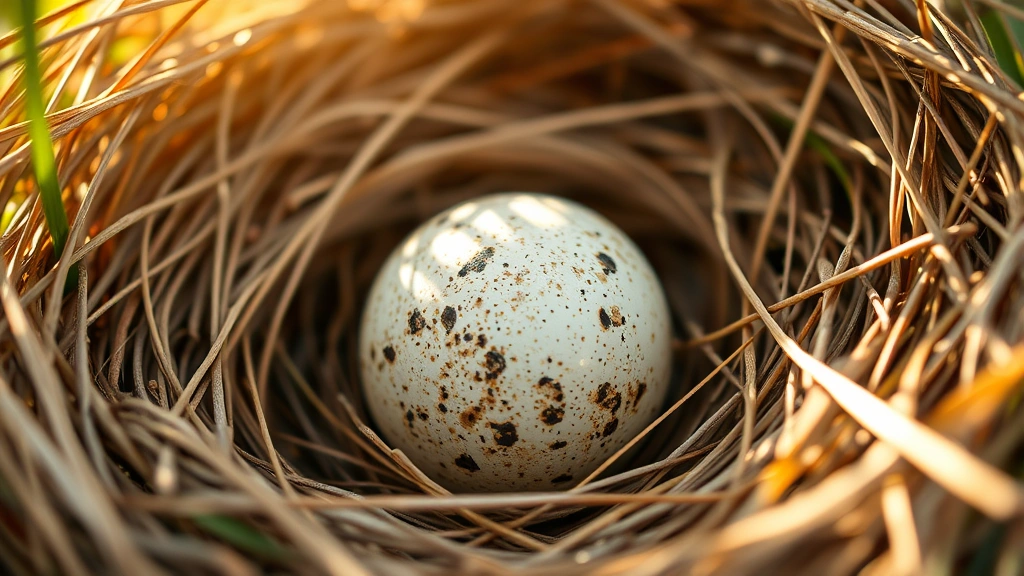
Before a baby bird even breaks through its shell, an astonishing amount of development has already occurred. The egg itself is a marvel of biological engineering—a self-contained ecosystem where an embryo develops from a single cell into a complex organism ready for life outside.
When a bird lays an egg, it contains a yolk packed with nutrients, an albumen (egg white) that provides additional nutrition and cushioning, and various membranes that protect the developing embryo. The embryo begins developing immediately, though this process accelerates once the parent bird begins incubating the egg through consistent warmth.
The incubation period varies dramatically by species. Small songbirds typically incubate for 10-14 days, while larger birds like eagles may require 35-40 days. During this time, the parent—or sometimes both parents—maintains the egg at approximately 99-102 degrees Fahrenheit, turning it regularly to ensure even heat distribution and proper development.
Inside the egg, the embryo develops a network of blood vessels, a beating heart, and the basic structures of organs. An air cell forms at the blunt end of the egg, which the chick will eventually use to breathe before hatching. By the final days of incubation, the chick is essentially a miniature version of the adult bird, compressed into an impossibly small space.
Hatching: Breaking Free from the Shell
The moment of hatching is one of nature’s most dramatic events. As the incubation period nears completion, the chick’s metabolism increases, and it begins absorbing the remaining yolk, which will sustain it for the first hours or days after hatching. The chick also positions itself to utilize that air cell, essentially beginning to breathe air for the first time.
A few days before hatching, the chick develops a special structure called an egg tooth—a temporary pointed projection on its upper beak used exclusively for breaking through the shell. Using this egg tooth, the chick pecks at the inner shell membrane, eventually creating a small hole. This process, called pipping, is exhausting work that can take 12-24 hours.
Once the chick breaks through to the air cell, it can breathe atmospheric air and hears sounds from outside the egg for the first time. Parent birds often respond to these sounds, communicating with the chick and providing encouragement. The chick then works methodically around the egg, using its egg tooth and powerful neck muscles to gradually weaken the shell until it can push through and emerge.
Newly hatched chicks are typically wet, exhausted, and completely dependent on their parents. Their eyes may remain closed for hours, and they’re too weak to regulate their own body temperature. However, within hours, they dry out, their down feathers fluff up for insulation, and they become more responsive to their environment.
The Nestling Phase: Rapid Growth and Development
The nestling phase is where the real magic happens. From hatching until fledging (leaving the nest), baby birds experience growth rates that would be impossible in mammals. Some species more than double their body weight every single day during this period.
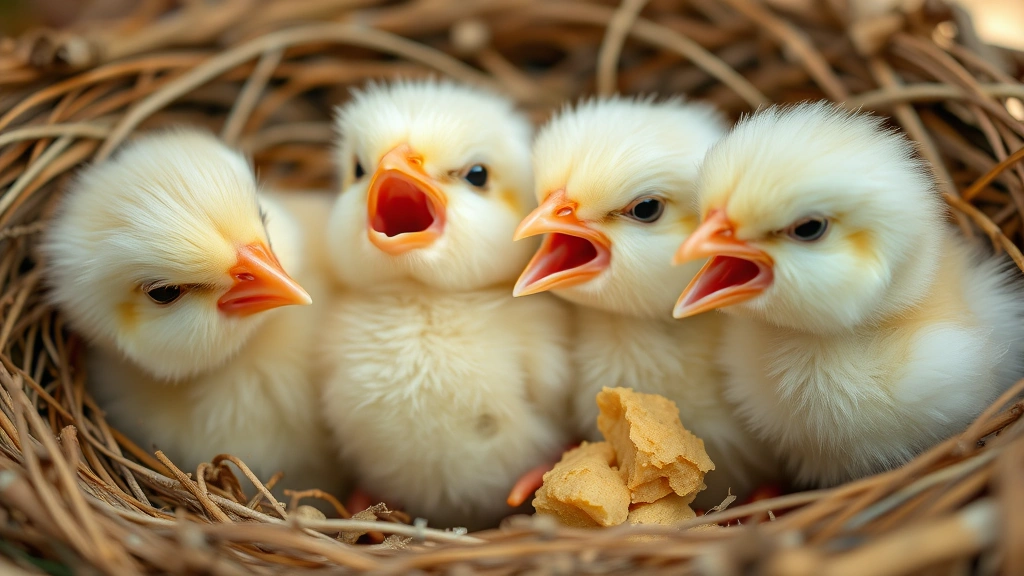
Newly hatched chicks fall into two main categories: altricial chicks are born relatively helpless—blind, naked, and dependent on parental care—while precocial chicks hatch with open eyes, downy feathers, and the ability to move around and feed themselves almost immediately. Most songbirds are altricial, while waterfowl and ground-nesting birds tend to be precocial.
For altricial chicks, the first week is critical. Parents must feed them constantly—sometimes every 15-20 minutes from dawn to dusk. The nestlings’ digestive systems are incredibly efficient, converting nearly everything they eat into growth. Their bodies prioritize developing vital organs, bones, and muscles over everything else. Their eyes open around day 5-7, and they become increasingly alert and responsive to their parents’ calls.
By the second week, feathers begin emerging from the skin, initially appearing as tiny pinfeathers enclosed in protective sheaths. The chicks’ begging calls become louder and more insistent, driving parents to forage more intensively. Growth continues at a phenomenal pace—some chicks reach 90% of their adult body weight by day 14.
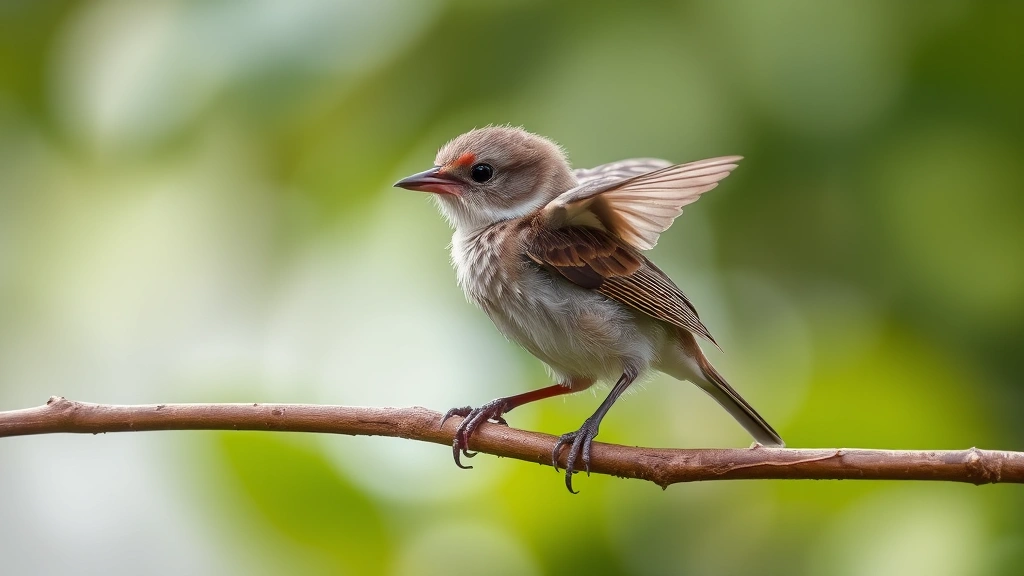
The third week typically marks the transition toward fledging readiness. Feathers are nearly fully developed, and the chicks spend increasing amounts of time preening and exercising their wings. They become less dependent on the nest’s warmth and begin exploring the edges of their nesting cavity or branch. Their digestive systems mature, and they become more selective about what they eat, sometimes refusing certain foods their parents offer.
Feather Development and Plumage Growth
Feathers are among the most sophisticated structures in nature, and their development is a carefully choreographed process. Baby birds don’t simply grow feathers; they develop them in specific sequences and patterns that vary by species and body region.
Feather development begins with the formation of follicles in the skin. Initially, these follicles produce down feathers—soft, fluffy structures that provide insulation but not waterproofing or flight capability. Down feathers are often the first visible sign of plumage development in nestlings, emerging as fluffy tufts that give chicks an adorable but somewhat comical appearance.
Contour feathers—the visible outer feathers that give birds their shape and coloration—develop next, typically emerging during the second and third weeks of the nestling phase. These feathers grow in a precise pattern, starting with the flight feathers (primaries and secondaries) on the wings, followed by tail feathers, and then the smaller contour feathers covering the body.
Flight feathers are particularly important and develop more slowly than other feathers, ensuring they’re strong enough to handle the stresses of flight. The primary flight feathers—the outermost feathers on each wing—are typically the last to fully mature and are often asymmetrical, with a narrower leading edge that creates lift during flight.
Feather growth requires enormous energy investment. Parents must provide increasingly large meals to fuel this development. The protein content of the diet becomes especially important during feather growth, as feathers are composed primarily of keratin, a protein-based material. Some parent birds adjust their foraging strategies during this period, seeking out particularly protein-rich foods like insects or seeds.
Parental Care and Feeding Strategies
Parental investment in baby birds is extraordinary. Unlike mammals, where the mother alone typically bears the burden of offspring care, many bird species involve both parents in feeding, protection, and teaching. This shared responsibility allows parents to cover more foraging territory and feed chicks more frequently.
Feeding strategies vary dramatically by species. Insectivorous birds like robins and sparrows make hundreds of trips daily, each time delivering a beak-full of insects to hungry nestlings. Raptors like baby eagles are fed less frequently but consume larger meals—sometimes entire small mammals or birds. Seed-eating birds regurgitate partially digested seeds, while hummingbird parents feed their chicks a regurgitated mixture of nectar and tiny insects.
Parents also teach their chicks crucial survival skills. They demonstrate what foods are safe to eat, how to forage efficiently, and how to recognize and avoid predators. Older chicks often follow parents on short flights around the nest area, observing feeding techniques and beginning to understand their environment.
Protection is another critical parental function. Parents defend their nests from predators, sometimes engaging in dramatic distraction displays where they pretend to be injured to lure threats away from vulnerable chicks. They also shield chicks from extreme weather, using their bodies to provide warmth during cold spells and shade during intense heat.
The Fledgling Stage: Learning to Fly
Fledging—the transition from nestling to fledgling—represents one of the most critical moments in a baby bird’s life. A fledgling is a young bird that has left the nest but isn’t yet fully independent or capable of sustained flight.
The timing of fledging varies by species and environmental conditions. Most songbirds fledge between 10-14 days after hatching, while larger birds may remain in the nest for several weeks or even months. Environmental pressures influence fledging timing; if the nest is threatened by predators or bad weather, chicks may fledge earlier than ideal. Conversely, abundant food supplies might allow chicks to stay longer and develop more fully.
First flights are tentative and often awkward. Fledglings typically make short, fluttering flights initially, sometimes landing clumsily or in unexpected places. These early flights are practice sessions—the chick is learning to coordinate its wings, tail, and body to achieve controlled flight. Parents continue feeding fledglings during this period, gradually reducing support as the young birds become more capable hunters themselves.
The fledgling period typically lasts 2-4 weeks, though it can extend much longer in larger species. During this time, young birds face their highest mortality rates. They’re vulnerable to predators, prone to accidents, and not yet fully skilled at finding food or evading danger. However, those that survive this critical period gain the skills and confidence necessary for independence.
Species-Specific Growth Patterns
While all baby birds follow the general developmental trajectory outlined above, specific species exhibit fascinating variations in their growth patterns and timelines.
Raptors like Hawks and Eagles: These birds have extended nestling periods—sometimes 6-8 weeks—and produce only one or two chicks per year. Baby eagles, including the iconic baby eagle, require this extended development time to grow large enough and strong enough for the demands of hunting. Eagle chicks can weigh more at fledging than their parents, shedding excess weight during their first weeks of independence as they master flight and hunting skills.
Songbirds: Most common backyard songbirds have short nestling periods of 10-14 days. This rapid development is an evolutionary strategy allowing multiple broods per breeding season. Many songbirds raise 2-3 separate clutches during spring and summer, maximizing reproductive output.
Waterbirds: Ducks, geese, and other waterfowl produce precocial chicks that are fluffy and mobile from hatching. These chicks follow their parents to water within hours and begin foraging independently within days, though they remain dependent on parents for protection and warmth for several weeks. The baby penguin represents an extreme example, with chicks remaining dependent on parents for months in harsh Antarctic conditions.
Flamingos: Baby flamingos hatch with gray or white plumage and develop their iconic pink coloration gradually over their first year. These chicks form large crèches (groups) with other young flamingos, cared for by multiple adults in a cooperative breeding system.
Hummingbirds: At the opposite end of the size spectrum, hummingbird chicks are among the tiniest birds. They develop incredibly rapidly, fledging within 3-4 weeks despite being smaller than many insects. Their metabolism is extraordinarily high, requiring them to feed constantly to fuel their growth.
Owls: Owl chicks remain in the nest for extended periods, sometimes 8-10 weeks, developing the strength and coordination necessary for nocturnal hunting. Parent owls are fiercely protective, and owlets engage in extensive play behavior that develops the hunting skills they’ll need as independent adults.
If you’re interested in learning more about parenting and family dynamics, exploring resources like baby shower games ideas or baby books can provide additional family engagement opportunities.
Frequently Asked Questions
How long does it take for a baby bird to fully develop?
Development time varies dramatically by species. Small songbirds complete development from egg to independent fledgling in approximately 3-4 weeks total. Larger birds like eagles may take 3-4 months. The incubation period alone ranges from 10 days for small birds to 40+ days for large raptors.
What do baby birds eat?
Diet depends entirely on the species. Insectivorous birds feed chicks insects and spiders. Seed-eating birds regurgitate seeds. Raptors provide small mammals and birds. Hummingbirds feed regurgitated nectar and tiny arthropods. Waterfowl chicks often feed themselves almost immediately on aquatic plants and small invertebrates. Parents typically choose foods based on availability and nutritional requirements during different growth stages.
Can baby birds survive without their parents?
Nestlings absolutely require parental care and cannot survive independently. Fledglings are more independent but still depend on parents for food and protection for several weeks. If you find a nestling, it’s best to contact a wildlife rehabilitator. If you find a fledgling, observe from a distance—parents are likely nearby providing care.
Why do baby birds grow so quickly?
Rapid growth is an evolutionary strategy that minimizes vulnerability. The faster a chick develops, the sooner it can leave the nest and reduce predation risk. This requires enormous energy investment from parents, which is why you see such frequent feeding behavior during the nestling phase.
How can I help baby birds in my yard?
Provide natural food sources by maintaining insect populations through native plants and avoiding pesticides. Leave dead trees and branches for cavity-nesting birds. Avoid disturbing nests or fledglings. Keep cats indoors during breeding season. Provide water sources. If you find an injured chick, contact a local wildlife rehabilitation center. Cornell Lab of Ornithology offers excellent resources for bird-friendly yard management.
What’s the difference between a nestling and a fledgling?
Nestlings are baby birds still confined to the nest, typically featherless or mostly featherless and completely dependent on parental feeding. Fledglings have left the nest, have most or all of their feathers, and are beginning to fly and forage independently, though they still receive parental support. The transition between these stages typically occurs 2-3 weeks after hatching for most songbirds.
Do all baby birds look like their parents?
Not immediately. Many chicks hatch with down feathers that look completely different from adult plumage. As contour feathers develop, young birds begin resembling adults, though their coloration and markings may differ. Some species take months or years to achieve full adult plumage, with juveniles displaying distinct patterns and colors that distinguish them from breeding adults.