What Is a Baby Black Widow? Expert Guide to Understanding These Tiny Arachnids
If you’ve ever spotted a small, shiny spider with distinctive red markings in your home or garden, you might be wondering what you’re looking at. Baby black widows are often misidentified or confused with other spider species, which is understandable given their size and appearance. As a parent, understanding what these spiders actually are—and whether they pose a real threat to your family—is far more useful than relying on internet rumors or neighborhood gossip.
The truth is, baby black widows are far less dangerous than popular culture suggests, though they do deserve respect and caution. These juvenile spiders are the offspring of adult female black widows, one of the few truly venomous spiders found across North America. What makes them particularly interesting to observe (from a safe distance) is how dramatically they change as they mature, both in appearance and behavior.
This guide breaks down everything you need to know about baby black widows—from identification to safety considerations—so you can navigate encounters with confidence and keep your family informed about the actual risks involved.
What Exactly Is a Baby Black Widow?
A baby black widow is a juvenile specimen of Latrodectus, the genus of spiders commonly known as black widows. When we refer to “baby” black widows, we’re talking about spiderlings—the youngest stage after they’ve hatched from eggs and become independent. These tiny arachnids are born from eggs contained in silken egg sacs that the mother spider produces, typically laying hundreds of eggs at a time.
The term “baby black widow” can be a bit misleading because these spiders don’t receive parental care the way humans or many mammals do. The mother creates the egg sac and guards it, but once the spiderlings hatch and emerge from the sac, they’re largely on their own. This is why learning about baby spiders in general helps demystify what might seem like an intimidating encounter.
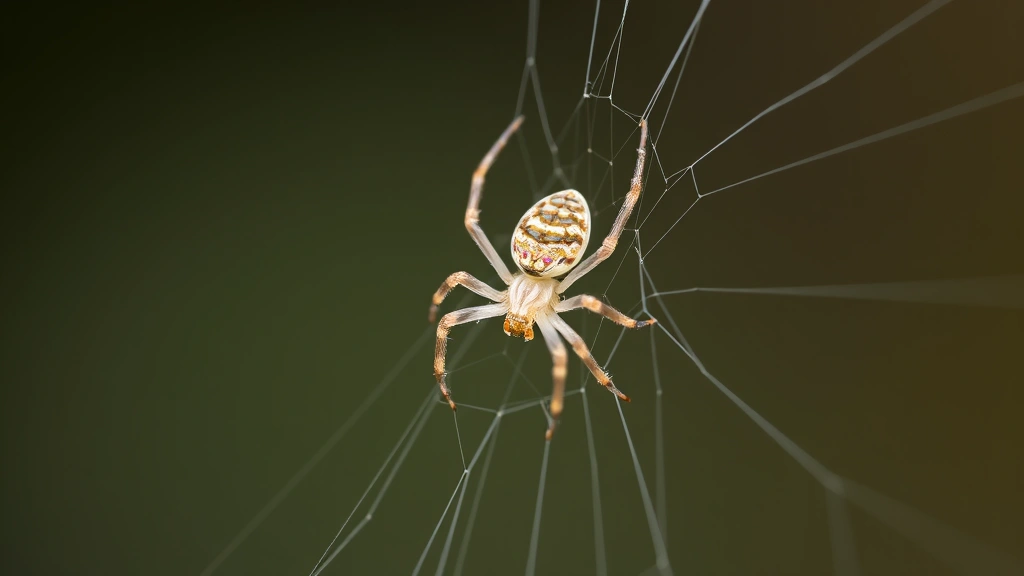
What’s particularly fascinating is that baby black widows look remarkably different from their adult counterparts. While adult female black widows are famous for their glossy black bodies and distinctive red hourglass marking on the abdomen, babies are often lighter in color—sometimes appearing tan, brown, or even yellowish—with less pronounced markings. This difference in appearance is one reason people often don’t realize what they’re looking at.
These spiders belong to the same family as many other common household spiders you might encounter. Understanding their actual characteristics helps separate fact from fiction, which is essential when you’re trying to protect your family while maintaining a balanced perspective on household pests.
How to Identify Baby Black Widows
Identifying baby black widows requires attention to detail, but it’s definitely doable once you know what to look for. The most reliable identification markers include body shape, size, and those telltale markings—even if they’re subtle on younger specimens.
Size and Body Structure: Baby black widows are tiny, typically measuring between 1 to 3 millimeters when they first hatch. As they grow through multiple molts, they gradually increase in size, eventually reaching about 1.5 inches for females (the larger sex) and around half that for males. They have the characteristic round, bulbous abdomen that distinguishes them from many other spider species.
Color and Markings: This is where identification gets tricky. Newly hatched spiderlings are often pale, ranging from cream to light brown. As they mature, they gradually develop the darker coloration and more pronounced markings. Even very young babies may show hints of the red or orange hourglass marking on their abdomen, though it’s much fainter than in adults. Some babies display white or light-colored stripes or bands on their legs.
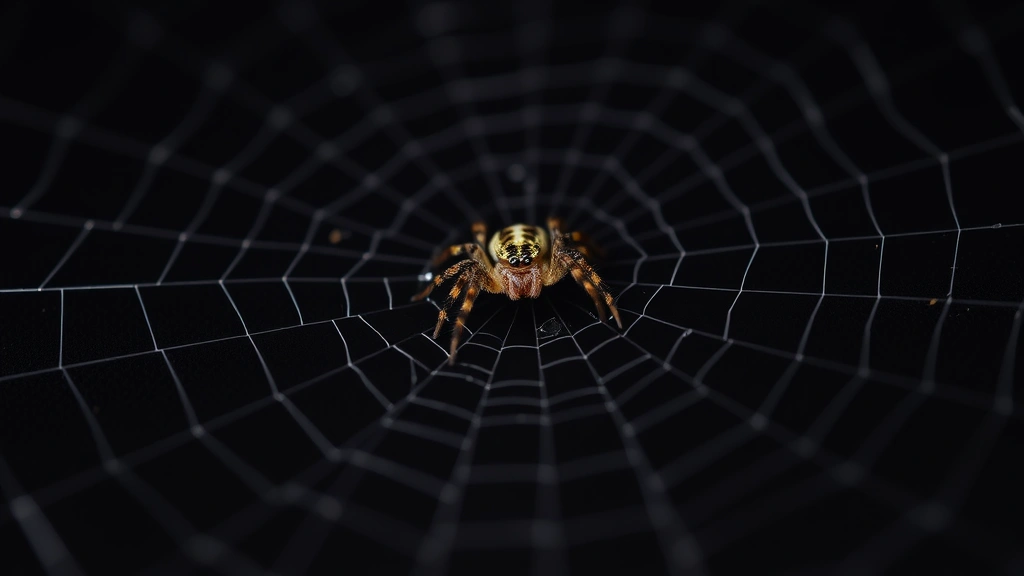
Web Characteristics: Baby black widows construct irregular, somewhat haphazard webs—nothing like the geometric patterns you might see from orb-weaver spiders. Their webs are sticky and three-dimensional, designed to catch prey in any direction. If you spot an irregular web with a tiny spider inside, you might be looking at a juvenile black widow.
Behavioral Clues: When threatened, baby black widows may play dead or assume a defensive posture, sometimes flipping onto their backs. Adult females are known for this behavior, and it’s passed down to their offspring. Understanding identifying dangerous insects involves recognizing these behavioral patterns alongside physical characteristics.
Life Cycle and Development
Understanding the life cycle of baby black widows gives you insight into their behavior and helps explain why you might see them at different times of year. The complete life cycle is fascinating from a biological perspective and surprisingly relevant to home safety.
Egg Stage: The process begins when a female black widow lays her eggs inside a protective silk egg sac. A single sac can contain anywhere from 25 to 900 eggs, depending on the species and environmental conditions. The mother guards this sac vigilantly, and it typically takes about 10 to 14 days for the eggs to hatch, though timing varies with temperature.
Spiderling Stage: Once the eggs hatch, the spiderlings remain inside the egg sac for a few days while they absorb their yolk reserves. They then emerge as independent, though extremely tiny, versions of their parents. At this point, they’re on their own. Interestingly, spiderlings sometimes practice “ballooning”—a behavior where they spin silk threads that catch air currents, allowing them to drift to new locations. This is how baby black widows spread to new areas and why you might find them in unexpected places.
Juvenile Growth: As spiderlings grow, they go through multiple molts (typically 6 to 8 times before reaching adulthood). Each molt allows them to shed their exoskeleton and grow larger. With each molt, the characteristic black widow features become more pronounced. This growth phase lasts several months, during which the spiders hunt small insects and gradually increase in size.
Maturity: Female black widows reach sexual maturity around 3 to 4 months of age, while males mature slightly faster. Once mature, females can live for several years (up to 3 years in ideal conditions), while males typically live only a few months. This difference in lifespan is one reason you’re much more likely to encounter female black widows than males.
This developmental timeline is important for families to understand because it means baby black widows you encounter in summer or early fall are likely juveniles that hatched earlier in the season. By understanding this cycle, you can better anticipate when and where these spiders might appear.
Habitat and Where You’ll Find Them
Baby black widows are found throughout most of North America, with different species occupying different regions. Understanding their preferred habitats helps you know where to be cautious and where you’re unlikely to encounter them.
Geographic Distribution: The northern black widow is found primarily in the northern United States and Canada, while the southern black widow dominates the southern and central regions. The western black widow inhabits western states. Knowing which species lives in your area can help with identification, as there are slight variations in appearance and behavior.
Preferred Environments: Baby black widows, like their adult counterparts, prefer dark, undisturbed spaces. They gravitate toward sheltered locations where they can build their irregular webs and wait for prey. Common habitats include:
- Woodpiles and lumber storage areas
- Garden sheds and garages
- Underneath eaves and in corners of buildings
- Dense vegetation and overgrown gardens
- Under rocks, logs, and debris
- Inside storage boxes and rarely-opened containers
- Basement corners and crawl spaces
Seasonal Patterns: Baby black widows are most visible during warmer months when they’re actively hunting and growing. You’re more likely to encounter them in late summer and early fall as they mature. During winter, they tend to retreat to protected spaces, making winter encounters less common (though not impossible in warm climates or heated buildings).
The connection between habitat preferences and family safety is straightforward: knowing where these spiders congregate allows you to exercise appropriate caution in those areas. This ties into broader spider safety for families considerations that go beyond just black widows.

Safety Considerations for Families
This is where we separate reality from Hollywood dramatization. Yes, adult female black widows are venomous, but baby black widows present a significantly lower risk, and even adult encounters are rare and often non-serious when proper precautions are taken.
Venom Potency in Babies: Baby black widows do possess venom, but the amount they can deliver is minuscule compared to adults. A single baby black widow bite would inject an extremely small quantity of venom—potentially so small that it might not cause noticeable symptoms. As they mature, their venom glands develop and they become capable of delivering more substantial doses, but even then, the risk to healthy adults is relatively low.
Actual Risk Assessment: According to CDC information on spider safety, black widow bites are uncommon, and severe reactions are even rarer. Most bites occur when people accidentally press the spider against their skin—for example, when putting on clothing or reaching into a storage area without looking. Baby black widows are far less likely to bite than adults, and their bites are unlikely to cause serious harm to healthy individuals.
Vulnerable Populations: While healthy adults rarely experience serious complications from black widow bites, certain populations face higher risks. Young children, elderly individuals, and people with compromised immune systems should exercise more caution. If a child is bitten, it’s worth seeking medical attention even if symptoms seem mild, as professionals can monitor the situation and provide treatment if needed.
Psychological vs. Physical Risk: Much of the concern surrounding baby black widows is psychological rather than based on actual danger. The fear of venomous spiders is deeply ingrained in human psychology, and media portrayals have amplified this fear far beyond the actual risk level. Teaching your children accurate information about these spiders—rather than fear-based misinformation—helps them develop healthy caution without unnecessary anxiety.
This balanced perspective is part of comprehensive parenting advice that encourages informed decision-making rather than reactive fear.
What to Do If You Encounter One
Encountering a baby black widow doesn’t require panic, but it does warrant a thoughtful response. Here’s how to handle the situation safely and sensibly.
Initial Response: If you spot what you believe is a baby black widow, the first step is simply to leave it alone. Don’t attempt to handle it, and keep children and pets away from the area. The spider has no interest in harming you and will only bite if it feels directly threatened or trapped against skin.
Observation and Confirmation: If you want to confirm the identification, observe the spider from a distance. Look for the characteristic body shape, size, and markings. Take a photo if possible—this can be helpful if you want to verify identification with an expert or if you’re concerned about a bite.
Removal Options: If the spider is in a location where you need to remove it, you have several options:
- Capture and Release: Use a cup and paper to gently trap the spider, then slide the paper underneath and release it outside, away from your home. This is the most humane option.
- Vacuuming: You can carefully vacuum up the spider and its web. Some people worry this harms the spider, but most spiders survive vacuuming and can be released outside afterward.
- Insecticide: If you’re uncomfortable with direct removal, you can spray the spider with a general-purpose insecticide. This is a last resort and isn’t necessary for safety reasons—it’s purely for those who are extremely uncomfortable with the spider’s presence.
After Removal: Once you’ve removed the spider, take steps to prevent future infestations by reducing clutter, sealing cracks and crevices, and maintaining good housekeeping. This is far more effective than any chemical treatment.
Prevention and Home Protection
Rather than living in fear of baby black widows, focus on creating an environment that’s less attractive to them. Prevention is always more effective than reaction.
Environmental Modifications: Start by eliminating the conditions that draw black widows to your home. Remove piles of wood, boxes, and other clutter where spiders like to hide. Seal cracks and crevices in your foundation, walls, and around windows and doors. Keep your garage and basement organized and well-lit, as spiders prefer dark spaces. Regular vacuuming and dusting also help remove webs and discourage spider habitation.
Outdoor Prevention: Outside your home, trim vegetation away from the house, remove dead leaves and debris, and avoid creating dark, sheltered spaces under decks or in garden sheds. Keep woodpiles away from the house and elevate them off the ground to allow air circulation underneath. These simple steps significantly reduce spider populations around your property.
Chemical Treatments: While not necessary for safety, some people choose to use pesticides around areas where spiders congregate. If you go this route, follow all label directions carefully and keep children and pets away from treated areas. However, the American Academy of Pediatrics recommends minimizing pesticide exposure in homes with children, so non-chemical prevention is preferable.
Education and Awareness: Perhaps the most important prevention tool is educating your family about these spiders. Teach children to look before reaching into storage areas, putting on shoes or clothing that’s been stored, or moving items in the garage. Simple awareness prevents most accidental encounters and the startled reactions that might lead to bites.
When you understand that baby animals of all kinds, including spiders, are generally trying to survive rather than harm humans, it becomes easier to coexist peacefully with them. This perspective shift is valuable for teaching children respect for all creatures, even the ones that initially seem scary.
Frequently Asked Questions
Are baby black widows dangerous to children?
Baby black widows pose minimal danger to children. Their venom glands are underdeveloped, and they deliver extremely small amounts of venom. Bites are rare and typically occur only when the spider is directly threatened. Teach children to avoid touching spiders and to tell an adult if they see one, and the risk becomes negligible.
How can I tell if a spider is a baby black widow or just a regular spider?
Look for the characteristic round, bulbous abdomen and the beginning of the hourglass marking on the underside. Baby black widows also have a distinctive body shape that differs from many common house spiders. If you’re unsure, take a photo and consult with a local pest control professional or university extension office for identification.
What should I do if my child gets bitten by a baby black widow?
First, stay calm—bites from baby black widows are extremely unlikely to cause serious harm. Wash the bite area with soap and water. Apply ice to reduce swelling and discomfort. Monitor for symptoms over the next few hours. If you notice severe pain, muscle cramps, or other concerning symptoms, contact poison control or seek medical attention. However, most baby black widow bites cause little more than mild local irritation.
Do baby black widows make webs like adult black widows?
Yes, baby black widows create the same type of irregular, sticky web that adult black widows make. Their webs are less organized than those of orb-weaver spiders and are designed to trap prey in three dimensions. The web is actually a good identifying feature if you spot a tiny spider in an irregular, messy-looking web.
Where is the safest place to keep my kids away from baby black widows?
Baby black widows prefer dark, undisturbed spaces like storage areas, garages, basements, woodpiles, and garden sheds. Supervise children in these areas and teach them not to touch unfamiliar spiders. However, the risk is so low that you don’t need to prohibit access to these areas—just encourage caution and awareness.
Can baby black widows survive indoors in winter?
Yes, baby black widows can survive indoors during winter, particularly in heated buildings or in warm climates. They’ll seek out protected spaces like wall voids, basements, and storage areas. However, they’re less active in winter and less likely to be encountered than during warmer months.
Is it true that baby black widows eat their mother?
This is a common myth about black widows in general. While adult female black widows do sometimes consume males after mating (which is why they’re called “black widows”), spiderlings don’t eat their mother. The mother abandons the egg sac once it’s complete, and spiderlings are independent from the moment they emerge.
What’s the best way to prevent baby black widows in my home?
Focus on reducing clutter, sealing cracks and crevices, maintaining good housekeeping, and eliminating dark, sheltered spaces where spiders like to hide. Remove woodpiles from near your home, trim vegetation, and keep storage areas organized. These environmental modifications are far more effective than chemical treatments and create a less hospitable environment for all spiders.