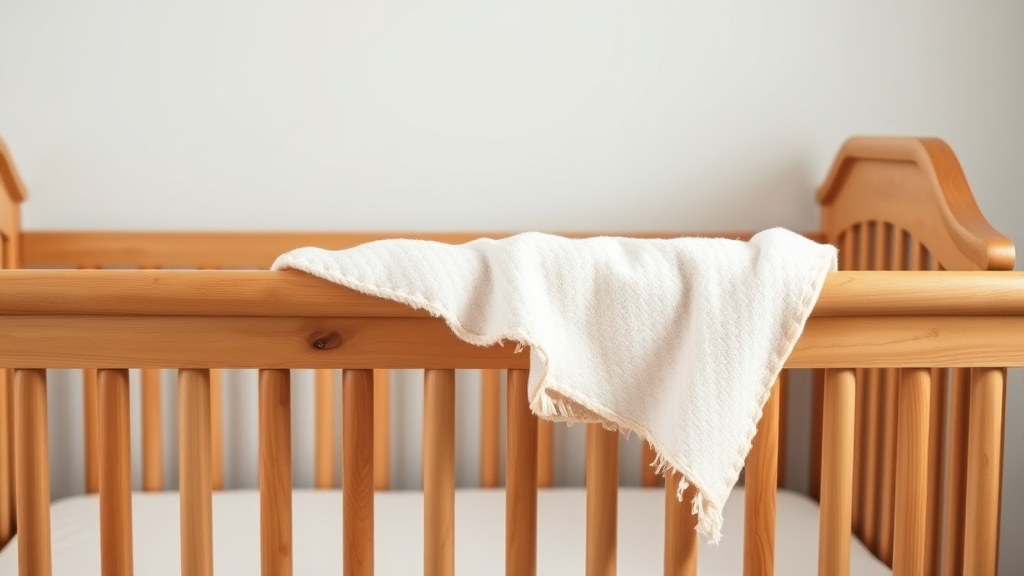
A baby blanket is more than just a piece of fabric—it’s a cherished keepsake that provides comfort, warmth, and security for your little one. Whether you’re preparing for your first child or creating a special gift for someone else’s bundle of joy, crafting the perfect baby blanket can be a deeply meaningful project that creates lasting memories.
From selecting the softest materials to choosing patterns that will stand the test of time, every decision you make contributes to creating something truly special. The process of making a baby blanket allows you to pour love and intention into every stitch, creating a tangible symbol of care that can become a treasured family heirloom passed down through generations.
Choosing the Right Materials for Your Baby Blanket
The foundation of any perfect baby blanket lies in selecting the appropriate materials. Baby’s delicate skin requires fabrics that are soft, breathable, and hypoallergenic. Natural fibers like organic cotton, bamboo, and merino wool are excellent choices due to their gentle texture and temperature-regulating properties.
Organic cotton stands out as the most popular choice for baby blankets because it’s free from harmful chemicals and pesticides that could irritate sensitive skin. The fabric becomes softer with each wash, making it increasingly comfortable for your baby. Cotton is also highly durable and easy to care for, which is essential for items that will see frequent use and washing.
Bamboo fabric has gained popularity in recent years for its naturally antimicrobial properties and exceptional softness. It’s also eco-friendly and has excellent moisture-wicking capabilities, helping to keep babies comfortable in various temperatures. Bamboo fibers are naturally hypoallergenic, making them ideal for babies with sensitive skin or allergies.
For those living in cooler climates, merino wool offers excellent insulation while remaining breathable. Unlike traditional wool, merino is incredibly soft and won’t cause itching or irritation. It naturally regulates temperature, keeping babies warm when it’s cold and cool when it’s warm.
Design Considerations and Pattern Selection
When designing your baby blanket, consider both aesthetic appeal and practicality. The size should be appropriate for the intended use—receiving blankets are typically smaller (around 30×30 inches), while crib blankets are larger (approximately 36×45 inches). Think about whether you want a blanket that will grow with the child or serve a specific purpose during infancy.
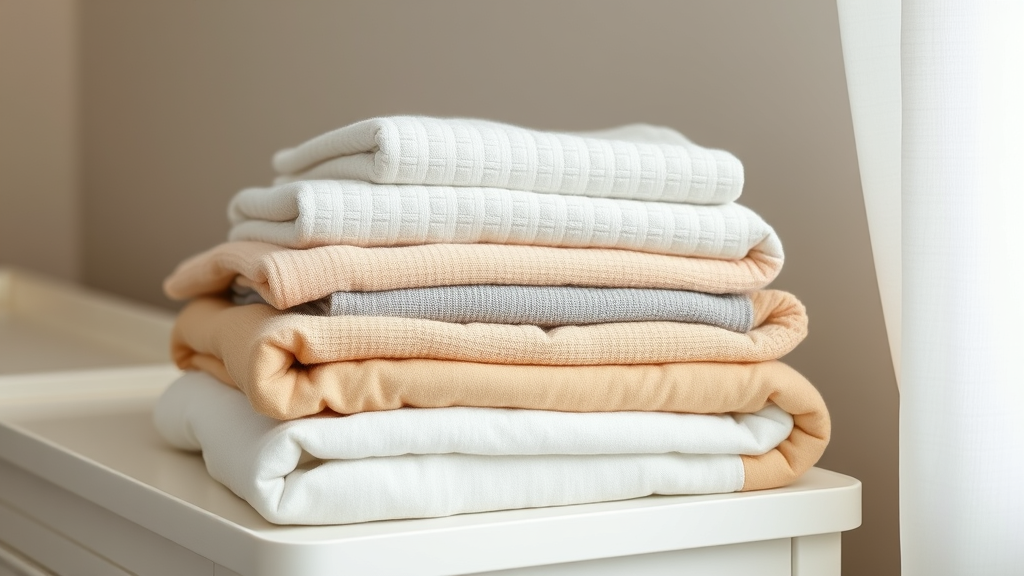
Color choices play a significant role in the blanket’s versatility and longevity. While it’s tempting to choose colors that match baby girl clothes or baby boy clothes, neutral tones like cream, soft gray, or pale yellow offer timeless appeal and can be used regardless of the baby’s gender. These colors also photograph beautifully and won’t clash with other nursery items.
Pattern selection should balance visual interest with simplicity. Complex patterns can be overwhelming for newborns, who are still developing their visual processing abilities. Simple geometric designs, gentle stripes, or subtle textural elements work well. Consider how the pattern will look as the blanket ages and develops the natural wear that comes with love and use.
The weight of the blanket is another crucial consideration. Newborns benefit from lighter blankets that won’t pose safety risks, while older babies can handle slightly heavier options. The American Academy of Pediatrics provides specific guidelines about safe sleep environments that should influence your design decisions.
Safety Standards and Guidelines
Safety should be the primary concern when crafting any baby item. The Consumer Product Safety Commission (CPSC) has established guidelines for baby blankets that must be followed to ensure your creation is safe for infant use. These standards cover everything from fiber content to construction methods.
Avoid decorative elements that could pose choking hazards, such as loose buttons, ribbons, or small embellishments. Any decorative stitching should be secure and unlikely to come loose with repeated washing. Edges should be finished properly to prevent fraying, which could create loose threads that might wrap around tiny fingers or toes.
The blanket should be breathable to reduce the risk of overheating, which has been linked to Sudden Infant Death Syndrome (SIDS). Tight weaves or thick layers should be avoided in favor of designs that allow air circulation. The finished blanket should be lightweight enough that it won’t restrict movement or breathing if it accidentally covers the baby’s face.
Consider the age appropriateness of your blanket design. For newborns, swaddle-style blankets or simple receiving blankets are most appropriate. As babies grow and develop motor skills, they can safely use larger, more decorative blankets. Understanding these developmental stages helps ensure your handmade gift will be both beautiful and safe.
Essential Crafting Techniques and Methods
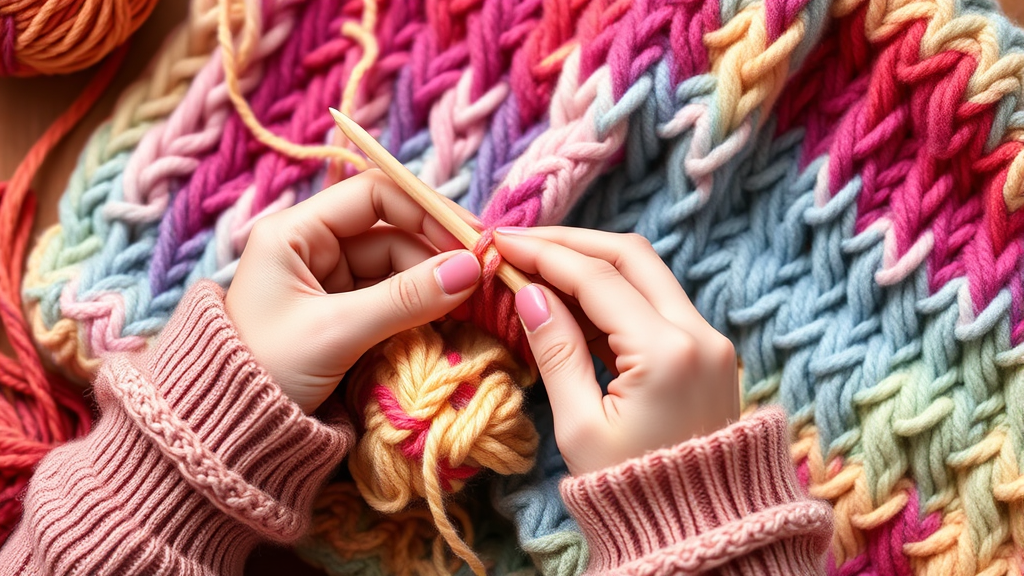
Whether you choose to knit, crochet, quilt, or sew your baby blanket, mastering basic techniques will ensure a professional-looking result. Each method offers unique advantages and creates different textures and appearances.
Knitting allows for intricate patterns and creates naturally stretchy, comfortable fabrics. Basic stitches like garter stitch, stockinette, and seed stitch can be combined to create beautiful textural elements. Cable knitting adds visual interest while maintaining the soft, flexible nature that babies love.
Crocheting typically works up faster than knitting and allows for more open, lacy patterns that are perfect for warmer climates. Single crochet creates a dense, warm fabric, while double crochet produces a more open weave. Granny square patterns are particularly popular for baby blankets because they’re forgiving for beginners and create charming, timeless designs.
Quilting offers the opportunity to combine multiple fabrics and create truly unique designs. Simple patchwork quilts can incorporate meaningful fabrics, such as pieces from family clothing or specially chosen prints. The quilting process itself adds texture and helps the blanket maintain its shape over time.
For those who prefer sewing, fleece blankets with decorative edging are quick to complete and incredibly soft. No-sew fleece blankets are perfect for beginners or those short on time, requiring only cutting and tying techniques.
Personalization Ideas and Special Touches
Adding personal touches transforms a simple baby blanket into a treasured keepsake. Embroidered names, birth dates, or special messages create lasting memories. Consider using subtle embroidery techniques that won’t irritate baby’s skin, such as French knots or satin stitch worked on areas that won’t come into direct contact with the face.
Color symbolism can add meaning to your creation. Soft blues traditionally represent tranquility and peace, while gentle yellows symbolize happiness and new beginnings. Lavender promotes calm and relaxation, making it an excellent choice for sleep-time blankets.
Incorporating family traditions or cultural elements makes the blanket even more special. This might include using traditional patterns from your heritage, incorporating colors that have family significance, or including symbolic elements that reflect your family’s values or beliefs.
Consider creating a matching set that coordinates with other baby items. A blanket that complements the nursery decor or matches other handmade items creates a cohesive, thoughtfully planned environment. This attention to detail shows the care and consideration that went into preparing for the baby’s arrival, much like the thoughtfulness that goes into choosing the right baby bjorn carrier or seeking parenting advice for new parents.
Care and Maintenance for Longevity
Proper care ensures your handmade baby blanket will remain beautiful and functional for years to come. Pre-washing all materials before construction prevents shrinkage and removes any manufacturing residues that might irritate baby’s skin. Use gentle, fragrance-free detergents designed for sensitive skin.
Establishing a care routine that maintains the blanket’s softness and appearance is essential. Most baby blankets benefit from washing in cool water on a gentle cycle. Avoid fabric softeners, which can reduce absorbency and may contain chemicals that irritate sensitive skin. Instead, add a cup of white vinegar to the rinse cycle occasionally to naturally soften the fabric and remove soap residue.
Air drying is preferable to machine drying, as it’s gentler on fibers and helps maintain the blanket’s shape. If machine drying is necessary, use low heat and remove the blanket while still slightly damp to prevent over-drying, which can make natural fibers stiff and uncomfortable.
Storage considerations are important for preserving the blanket when not in use. Clean, dry storage in a breathable container prevents moisture buildup that could lead to mildew or musty odors. Cedar blocks or lavender sachets can provide natural pest deterrence while adding a pleasant, subtle scent.
Regular inspection for wear, loose threads, or damaged areas allows for timely repairs that can extend the blanket’s life significantly. Small issues addressed quickly prevent larger problems that might compromise the blanket’s safety or appearance.
Frequently Asked Questions
What size should I make my baby blanket?
The ideal size depends on the intended use. Receiving blankets are typically 30×30 inches, perfect for swaddling newborns. Crib blankets measure approximately 36×45 inches and work well for toddlers. Security blankets are smaller, around 12×12 inches, designed for comfort rather than coverage. Consider making multiple sizes to serve different purposes as the child grows.
Which materials are safest for newborn baby blankets?
Organic cotton, bamboo, and merino wool are the safest choices for newborn blankets. These materials are naturally hypoallergenic, breathable, and free from harmful chemicals. Avoid synthetic materials that might trap heat or cause allergic reactions. Always wash materials before use to remove any manufacturing residues, and choose fabrics certified as baby-safe by recognized organizations like OEKO-TEX Standard 100.
How do I ensure my handmade blanket meets safety standards?
Follow guidelines from the Consumer Product Safety Commission regarding construction and materials. Avoid loose decorative elements, ensure all seams are secure, and choose appropriate weight and thickness for the baby’s age. The blanket should be breathable and lightweight enough not to pose suffocation risks. Regular safety updates from pediatric organizations can help you stay informed about current recommendations.
Can I use a baby blanket I made for sleep time?
For babies under 12 months, the American Academy of Pediatrics recommends keeping blankets out of the sleep environment to reduce SIDS risk. However, your handmade blanket can still be used for supervised playtime, tummy time, or as a stroller cover. Once baby reaches 12 months and can move freely, appropriately sized blankets can be safely used for sleep.
How often should I wash a baby blanket?
Baby blankets should be washed frequently, especially during the first year when spit-up and diaper leaks are common. Wash after each heavy soiling, but at least weekly with regular use. Having multiple blankets allows for rotation while maintaining cleanliness. Use gentle, fragrance-free detergents and avoid fabric softeners that might irritate sensitive skin.
What’s the best way to personalize a baby blanket without compromising safety?
Safe personalization options include embroidered names or dates using secure stitching techniques, fabric paint designed for baby items, or appliqué work that’s firmly attached. Avoid buttons, beads, ribbons, or any small parts that could pose choking hazards. Consider placing personalized elements on areas that won’t come into direct contact with baby’s face, such as corners or edges.
How can I make my baby blanket a family heirloom?
Choose timeless colors and patterns that won’t look dated in years to come. Use high-quality materials that will withstand regular use and washing. Document the creation process with photos and include a note about when and why it was made. Proper care and storage will help preserve the blanket’s condition. Consider creating a matching set or multiple blankets that can be passed down to different family members, much like the careful consideration parents put into decisions about essential tips for new dads or how to choose a pediatrician.