Baby Bloomers: Eco-Friendly Diaper Options for Conscious Parents
Choosing diapers for your baby is one of the earliest parenting decisions you’ll make, and it’s a choice that extends far beyond your nursery. Every year, millions of disposable diapers end up in landfills, creating a significant environmental impact that many modern parents are working to reduce. If you’re concerned about your family’s ecological footprint while keeping your little one comfortable and dry, exploring eco-friendly diaper options—including the increasingly popular baby bloomers—can make a meaningful difference.
Baby bloomers represent a revolutionary approach to sustainable diapering that combines the convenience parents crave with the environmental responsibility our planet needs. Whether you’re considering a complete switch to cloth alternatives or simply looking to reduce your disposable diaper consumption, understanding the full spectrum of eco-friendly options available today will help you make the best choice for your family’s unique situation and values.
This comprehensive guide explores everything from traditional cloth diapers and modern hybrid systems to innovative plant-based disposables and the practical considerations that matter most to busy parents. We’ll break down the environmental impact, cost savings, health benefits, and real-world challenges so you can confidently select the diapering method that aligns with your family’s needs and environmental goals.
Table of Contents
- Understanding Baby Bloomers and Cloth Diapering
- Types of Eco-Friendly Diaper Options
- Environmental Impact Comparison
- Cost Analysis: Investment vs. Savings
- Health and Comfort Considerations
- Practical Tips for Implementation
- Frequently Asked Questions
Understanding Baby Bloomers and Cloth Diapering
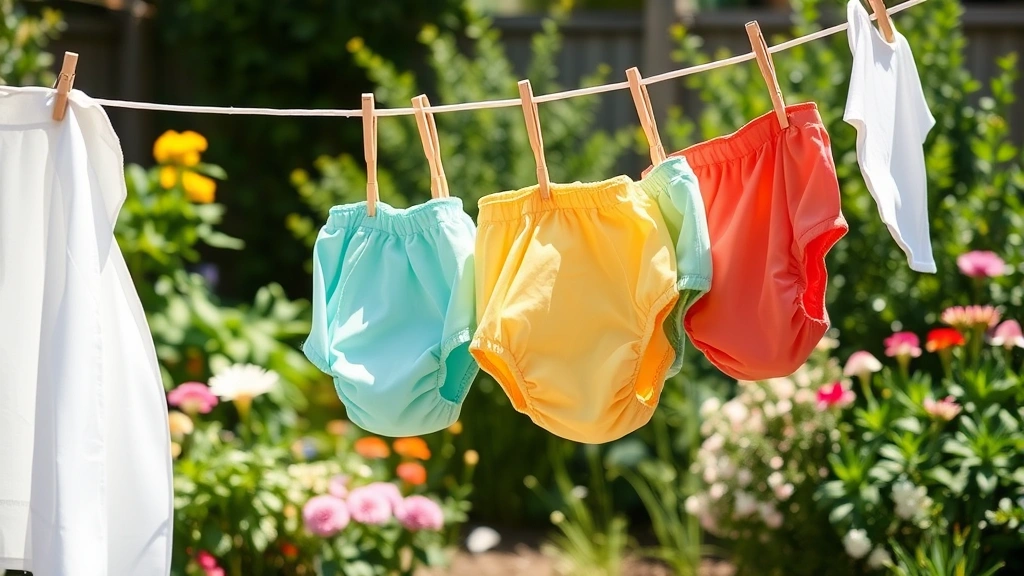
Baby bloomers, often called cloth bloomers or cloth diaper covers, are waterproof outer shells designed to work with absorbent cloth inserts. The term “bloomers” comes from their appearance—they resemble the traditional bloomers garment with gathered legs and waistbands. Unlike all-in-one cloth diapers that combine the absorbent layer and waterproof cover into a single unit, bloomers offer a modular system that provides flexibility and cost-effectiveness.
The basic system consists of three components: a prefold or fitted cloth diaper that provides absorbency, a layer of cloth or disposable insert that sits against your baby’s skin, and the waterproof bloomer cover that prevents leaks. This three-part approach has been refined over generations and remains one of the most sustainable diapering options available today. Many parents appreciate that you can wash and reuse the bloomer covers multiple times before needing to launder them, since they only come into contact with the outer surfaces.
Modern baby bloomers have evolved significantly from their predecessors. Today’s options feature advanced waterproofing technologies using materials like laminated polyester, wool, or polyurethane that are gentler on the environment than older plastic-heavy designs. Many eco-conscious brands now offer bloomers made from organic cotton, bamboo, or recycled materials, making them an increasingly sustainable choice for environmentally aware parents.
The appeal of bloomers extends beyond environmental concerns. Many parents find them easier to manage than all-in-one systems because you can adjust the absorbency level by changing the insert thickness without replacing the entire diaper. This flexibility is particularly valuable during different life stages—from newborn frequent changes to toddler less-frequent changes. Additionally, bloomers tend to dry faster than bulkier cloth diaper systems, making laundry day more manageable.
Types of Eco-Friendly Diaper Options
Understanding the full range of sustainable diapering choices helps you select the option that best fits your lifestyle and environmental priorities. Each approach offers distinct advantages and challenges worth considering carefully.
Cloth Bloomers and Traditional Cloth Systems
Cloth bloomers represent the most customizable cloth diapering option. They work with various insert types including prefolds (rectangles of layered cloth), fitted diapers (contoured cloth diapers with elastic), or flat diapers (single layers of cloth that require folding). This modularity means you can start with a smaller investment and expand your stash over time as your budget allows.
Traditional cloth systems require regular washing, typically every two to three days. Most parents use a wet bag or pail to store soiled diapers between washes, then run them through a washing machine with appropriate detergent. When properly maintained, cloth bloomers can last through multiple children and even be passed down or sold to other families, making them an exceptionally long-lasting investment.
Hybrid Cloth Diaper Systems
Hybrid systems combine reusable cloth shells with disposable inserts, offering a middle ground between full cloth and disposable diapers. Parents use the same waterproof cover repeatedly but swap out a fresh disposable insert for each change. This approach reduces waste significantly while maintaining convenience for parents who find full cloth diapering overwhelming.
Many parents use hybrid systems strategically—choosing cloth at home where washing is convenient and switching to disposable inserts during travel, overnight stays, or particularly busy periods. This flexibility makes hybrids an excellent option for families transitioning toward greater sustainability without feeling pressured to commit entirely to cloth diapering.
Plant-Based and Biodegradable Disposables
For families preferring disposable diapers, plant-based options represent a significant environmental improvement over conventional brands. These diapers use materials like bamboo, sugarcane-derived cellulose, and other renewable resources instead of petroleum-based plastics. Many also feature reduced chlorine processing and eliminate harsh chemical treatments that concern health-conscious parents.
Biodegradable disposables break down faster in composting environments than traditional diapers, though they still require industrial composting facilities rather than home composting. While not a perfect solution, they represent a meaningful step toward sustainability for families committed to disposable diapering.
Diaper Subscription Services with Eco-Focus
Several companies now offer subscription services featuring sustainably-made diapers delivered to your door. Some focus on plant-based disposables, while others provide cloth diaper systems with laundry support. Subscription models often provide cost savings compared to retail purchases while ensuring consistent supply and reducing packaging waste through bulk delivery.
Environmental Impact Comparison
Understanding the environmental implications of different diapering choices empowers you to make decisions aligned with your family’s values. The comparison is more nuanced than many parents realize.
Disposable Diaper Waste
A single baby uses approximately 6,000 to 10,000 diapers before potty training. These disposables end up in landfills where they decompose over 450 years, taking up significant space and potentially leaching chemicals into soil and groundwater. The manufacturing process for conventional disposables requires substantial water, energy, and raw materials, predominantly petroleum-based plastics and bleached wood pulp.
The environmental cost extends beyond the diaper itself. Packaging, transportation, and retail distribution add additional carbon emissions and waste. When you multiply this impact across millions of babies globally, the cumulative effect becomes staggering—approximately 27.5 billion disposable diapers end up in North American landfills annually.
Cloth Diaper Environmental Considerations
Cloth diapers present a different environmental profile. While they eliminate landfill waste and last for multiple children, they do require water and energy for washing. A comprehensive life-cycle analysis published by the UK Environment Agency found that cloth diapers have a lower overall environmental impact than disposables, even when accounting for washing, drying, and transportation of cloth supplies.
The environmental benefit of cloth diapers increases significantly when you use efficient washing practices: full washing machine loads, line drying instead of machine drying, and reusing bloomers across multiple children. Some families further reduce impact by using eco-friendly detergents and renewable energy sources for powering washing machines.
Carbon Footprint Analysis
Research from organizations like the American Academy of Pediatrics indicates that cloth diapering systems produce roughly 40% less carbon emissions than disposables over a baby’s diapering lifetime. Plant-based disposables fall somewhere between conventional disposables and cloth systems, offering a more sustainable option for families unable or unwilling to commit to cloth diapering.
When evaluating environmental impact, consider your specific circumstances. Families with access to renewable energy sources, those with efficient washing machines, and those planning multiple children will see greater environmental benefits from cloth systems. Families in water-scarce regions or those with limited laundry facilities may find plant-based disposables a more responsible choice.
Cost Analysis: Investment vs. Savings
Financial considerations significantly influence diaper choices for most families. While cloth bloomers require upfront investment, they typically deliver substantial long-term savings.
Initial Investment for Cloth Systems
A basic cloth bloomer system costs between $300 and $800 for a complete starter package, including 10-15 bloomer covers, 20-30 cloth inserts, and necessary accessories like wet bags and fasteners. Premium organic or designer options can exceed $1,200, though budget-friendly alternatives exist for families with limited resources.
This initial cost seems substantial until you calculate the per-diaper expense. When amortized across 8,000-10,000 diaper changes, cloth bloomers cost approximately $0.03-0.10 per change, compared to $0.25-0.35 per change for disposables. The payback period typically occurs within 6-12 months, after which cloth provides essentially free diapering for the remainder of your child’s diaper-wearing years.
Disposable Diaper Costs
Conventional disposable diapers average $0.25-0.35 per diaper, totaling $1,500-3,500 for a single child’s diapering period. Eco-friendly disposables typically cost 20-40% more, ranging from $0.30-0.50 per diaper, which translates to $2,400-5,000 for complete diapering.
These costs don’t account for occasional bulk purchase discounts or loyalty programs, but they also don’t include the environmental cleanup costs that society ultimately bears through landfill management and environmental remediation.
Hybrid and Subscription Models
Hybrid systems typically cost $200-400 for the cloth covers, with ongoing expenses for disposable inserts ranging from $0.10-0.20 per change. This approach offers moderate cost savings while reducing environmental impact compared to full disposables. Subscription services for eco-friendly diapers often provide 10-15% discounts compared to retail purchases, making them a cost-effective option for families committed to plant-based disposables.

Health and Comfort Considerations
Beyond environmental and financial factors, health and comfort concerns influence diaper selection. Understanding these dimensions helps ensure your choice supports your baby’s wellbeing.
Skin Health and Diaper Dermatitis
Diaper rash affects up to 35% of infants at some point, with severity ranging from mild irritation to severe dermatitis requiring medical treatment. Research published by Pediatrics journal suggests that cloth diapers may reduce diaper rash incidence compared to disposables, likely due to increased breathability and reduced exposure to chemical treatments.
Cloth bloomers allow significantly more air circulation than disposables, potentially reducing moisture buildup and the warm, humid environment where rash-causing bacteria and fungi thrive. Additionally, cloth diapers don’t contain superabsorbent polymers (SAPs) or gel materials that some babies find irritating. However, cloth diapering success requires frequent changes—every two to three hours—to prevent prolonged contact with moisture and waste.
Chemical Exposure Concerns
Conventional disposable diapers contain numerous chemical treatments including chlorine bleaching, fragrance compounds, and superabsorbent polymers. While manufacturers argue these are used safely, some parents prefer avoiding unnecessary chemical exposure. Eco-friendly disposables typically reduce or eliminate these chemicals, using chlorine-free processing and plant-based materials.
Cloth diapers made from organic cotton or bamboo eliminate chemical treatments entirely, particularly when washed with gentle, eco-friendly detergents. This appeals to parents with sensitive skin conditions, allergies, or those who simply prefer minimal chemical contact during infancy.
Temperature Regulation
Disposable diapers’ superabsorbent materials can create excessive heat and moisture retention, potentially affecting sperm production in male infants and contributing to diaper rash. Cloth bloomers provide superior breathability, allowing body heat to dissipate and reducing moisture accumulation. This natural temperature regulation may contribute to better sleep and reduced fussiness in some babies.
Practical Tips for Implementation
Transitioning to eco-friendly diapers requires practical planning and realistic expectations. These strategies help ensure success regardless of which option you choose.
Starting Your Cloth Bloomer Journey
Begin with a small investment—purchase 5-8 bloomer covers and 15-20 inserts to test the system before committing fully. This approach lets you experience the learning curve without overwhelming financial or emotional investment. Many experienced cloth-diapering parents recommend starting with one brand or style to master the system before expanding variety.
Invest in quality wet bags or pails for storing soiled diapers between washes. Most families wash cloth diapers every two to three days, so having adequate storage prevents odors and bacterial growth. Rinse heavily soiled diapers immediately to prevent staining and improve wash effectiveness.
Develop an efficient washing routine: use appropriate detergent amounts (too much causes buildup; too little leaves diapers dirty), avoid fabric softeners that reduce absorbency, and consider line drying to extend diaper lifespan. Many parents find that establishing a consistent washing schedule—perhaps Monday and Thursday—makes cloth diapering feel manageable rather than overwhelming.
Making Disposable Eco-Swaps
If you’re committed to disposable diapers, research plant-based brands and read ingredient labels carefully. Look for certifications from organizations like Cradle to Cradle or similar environmental standards. Calculate the cost difference between conventional and eco-friendly options—often just $0.05-0.15 more per diaper—and determine if your budget accommodates this upgrade.
Consider hybrid approaches: use cloth at home where washing is convenient and plant-based disposables during travel or overnight. This flexibility prevents all-or-nothing thinking that leads many parents to abandon eco-friendly efforts when challenges arise.
Consulting Your Pediatrician
Before making significant diaper changes, discuss your plans with your pediatrician, particularly if your baby has sensitive skin or diaper rash history. Your pediatrician can offer personalized recommendations based on your baby’s specific needs. Many pediatricians support choosing a pediatrician who aligns with your family’s values regarding environmental and health concerns.
If you encounter diaper rash with any system, consult your pediatrician promptly. Persistent rash may indicate allergic reactions, fungal infections, or other conditions requiring medical attention rather than simple diaper changes.
Integrating with Overall Parenting Philosophy
Diaper choices fit within broader parenting advice for modern families emphasizing sustainable, mindful choices. Many parents find that adopting eco-friendly diapers represents a gateway to broader environmental consciousness, influencing choices about clothing, toys, food, and energy use.
Connect with other cloth-diapering or eco-conscious parents through online communities, local parenting groups, or social media. Sharing experiences, troubleshooting challenges, and celebrating successes with others on similar journeys provides encouragement and practical wisdom that makes sustainable diapering feel achievable.
Remember that raising happy and healthy children encompasses numerous factors beyond diaper choices. If cloth diapering creates stress, resentment, or impacts your mental health, switching to eco-friendly disposables remains a meaningful environmental choice. The best diaper system is one you can maintain consistently without overwhelming your family.
Frequently Asked Questions
Are cloth bloomers really cheaper than disposables?
Yes, cloth bloomers typically cost 60-80% less over your child’s diapering period. While initial investment ranges from $300-800, this breaks down to approximately $0.03-0.10 per diaper change. Conventional disposables cost $0.25-0.35 per change, totaling $1,500-3,500 for complete diapering. The investment pays for itself within 6-12 months, after which cloth diapering becomes essentially free. This advantage increases significantly when you use cloth diapers for multiple children.
How often do I need to wash cloth bloomers?
Most families wash cloth diapers every two to three days. Washing frequency depends on your cloth stash size—larger collections allow less frequent washing. Bloomers specifically (the waterproof covers) don’t require washing as often as inserts since they don’t contact waste directly. You can typically wear bloomers 2-3 times before washing if they’re not visibly soiled. Establish a consistent washing routine to prevent odors and maintain diaper quality.
Will cloth bloomers cause more diaper rash?
Research suggests cloth diapers may actually reduce diaper rash incidence compared to disposables due to superior breathability. However, cloth diapering requires frequent changes—every 2-3 hours—to prevent prolonged moisture exposure. If you choose cloth but change infrequently, you may experience more rash than with disposables’ superior moisture-wicking. The key to cloth success is maintaining frequent changes and ensuring thorough drying after washing.
Can I use cloth bloomers from birth?
Yes, but many parents wait until baby is 2-3 weeks old before starting cloth diapering. Newborns have frequent, unpredictable bowel movements that make cloth diapering challenging for exhausted new parents. Using disposables for the first few weeks allows you to recover from birth while mastering newborn care basics. Once patterns become more predictable and you’re less sleep-deprived, transitioning to cloth becomes more manageable.
What’s the environmental impact of washing cloth diapers?
Cloth diapers do require water and energy for washing, but life-cycle analyses show they produce significantly less environmental impact than disposables overall. The environmental benefit increases when you use efficient washing practices: full machine loads, cold water washing, line drying, and using eco-friendly detergents. Families with renewable energy sources see even greater benefits. Plant-based disposables fall between traditional disposables and cloth in terms of environmental impact.
Are eco-friendly disposables truly biodegradable?
Most eco-friendly disposables are not truly biodegradable in standard landfill conditions. They require industrial composting facilities with specific temperature and moisture conditions to break down within reasonable timeframes. However, they do break down faster than conventional diapers (months to years rather than centuries) and reduce reliance on petroleum-based plastics. Some brands now offer composting programs where you mail used diapers to facilities equipped for proper processing.