What Are Baby Blue Eyes? A Complete Guide to Your Newborn’s Eye Color
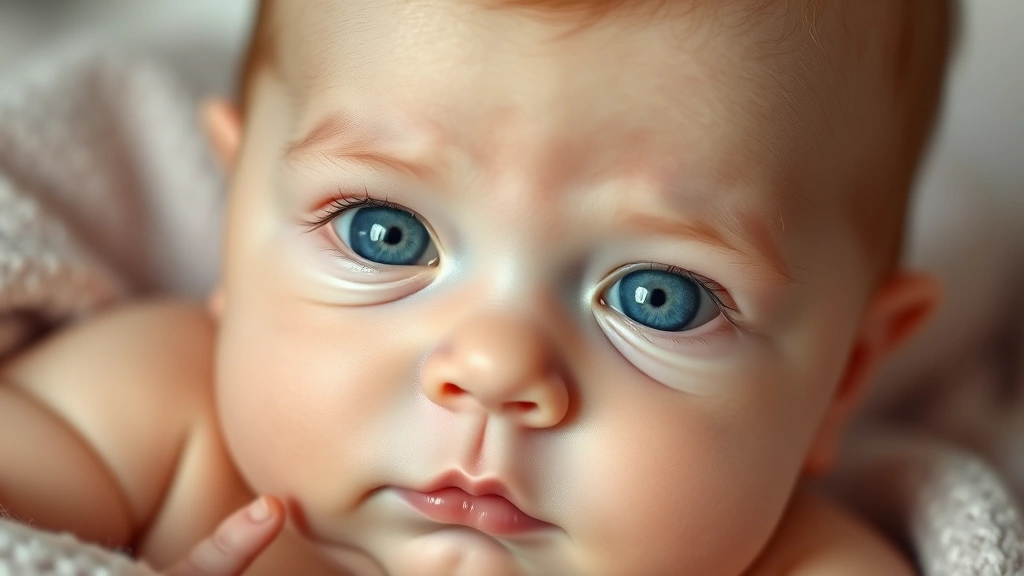
There’s something almost magical about gazing into a newborn’s eyes for the first time. That crystalline blue gaze seems to hold infinite possibilities, and it’s no wonder so many parents become absolutely mesmerized by those bright, innocent eyes. But here’s the thing—that stunning blue color your baby was born with might not stick around. Understanding why babies are born with blue eyes, how eye color changes, and what to expect as your little one grows is surprisingly fascinating and genuinely useful information for any new parent.
If you’ve recently welcomed a newborn into your family, you might be wondering whether those beautiful blue peepers are here to stay or if they’re destined to transform into a completely different shade. You’re not alone in this curiosity. The science behind baby eye color is more complex than most people realize, involving genetics, biology, and timing—all working together to create the unique eye color your child will eventually have.
This guide breaks down everything you need to know about baby blue eyes, from why they appear at birth to when and how they might change. We’ll explore the genetic factors at play, debunk some common myths, and help you understand what’s completely normal versus what might warrant a chat with your pediatrician.
Why Are Babies Born With Blue Eyes?
Not all babies are born with blue eyes—this is an important distinction. Approximately 60-80% of Caucasian newborns are born with blue or blue-gray eyes, but babies of African, Asian, and Hispanic descent are typically born with dark brown or grayish-brown eyes. The reason for this difference comes down to a protein called melanin, which is responsible for color in our skin, hair, and eyes.
When a baby is born, melanin hasn’t fully accumulated in the iris yet. Think of it like a blank canvas waiting for color to be applied. In babies with lighter skin tones, there’s minimal melanin present at birth, which means light passes through the iris in a way that appears blue to our eyes. This isn’t because the iris itself is actually blue—it’s an optical illusion created by the way light scatters through the relatively clear tissue. Scientists call this effect Rayleigh scattering, the same phenomenon that makes the sky appear blue.
This temporary blue appearance is one of nature’s quirky design features. The good news is that this initial blue eye color in newborns tells us that their eyes are developing normally, and the lack of melanin at birth is completely healthy and expected.
The Role of Melanin in Eye Color
Melanin is the real MVP when it comes to determining your baby’s eye color. This pigment is produced by cells called melanocytes, which are located in the iris. During pregnancy, melanin production begins, but it doesn’t fully ramp up until after birth. In fact, melanin continues to be produced and deposited in the iris for months or even years after your baby arrives.
The amount of melanin your baby’s eyes will eventually contain is determined by genetics. If your baby’s genes call for high melanin levels, their eyes will become darker—brown, hazel, or green. If the genetic blueprint specifies lower melanin levels, the eyes will remain blue or light-colored. This process isn’t instantaneous; it unfolds gradually as your baby grows.
Here’s where it gets interesting: the timing of melanin deposition varies significantly from baby to baby. Some infants see noticeable eye color changes within the first few weeks of life, while others might not experience significant changes until they’re several months old. By the first birthday, most babies have achieved their final eye color, though some continue to experience subtle changes into early childhood.
The amount of melanin also affects not just the color but the shade and tone of the eyes. Babies who will eventually have brown eyes typically start accumulating melanin more quickly, which is why they’re often born with darker eyes in the first place. Those destined for blue or green eyes experience a slower melanin buildup, which is why the blue appearance persists longer.
When Do Baby Eyes Change Color?
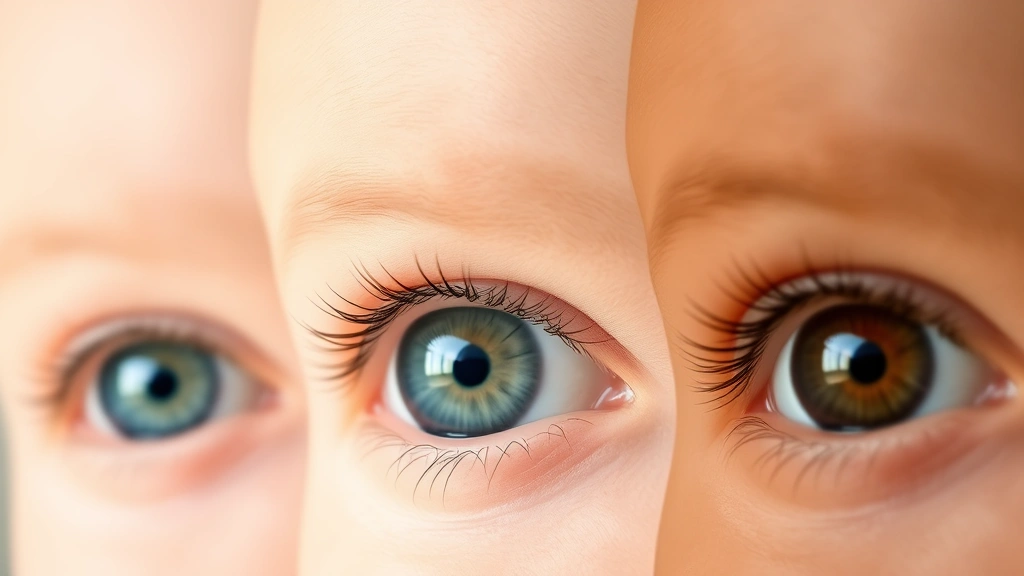
If you’re waiting to see if your baby’s blue eyes will change, here’s the typical timeline, though remember that every baby is unique and variations are completely normal. Most noticeable changes happen between three to six months of age. During this period, many babies with blue eyes will see their color begin to deepen, shift toward green or hazel, or eventually settle into brown.
By nine months, most babies have achieved close to their final eye color, though subtle shifts can continue. By twelve months, the vast majority of eye color changes have occurred. However, some children continue to experience minor color adjustments into their second or third year of life, so don’t be surprised if your toddler’s eye color still seems to be evolving.
The speed of color change is highly individual. Some babies seem to change eye color almost overnight, going from bright blue to noticeably darker within a few weeks. Others experience a gradual, subtle transition that’s barely noticeable from week to week. Both patterns are completely normal.
One thing to keep in mind: if your baby’s eyes haven’t changed by around six months and you were expecting them to, it’s still not cause for concern. Some babies genuinely do keep their blue eyes, and if both parents have blue eyes, there’s a reasonable chance your little one will too. That said, if you have questions or concerns, your pediatrician can provide reassurance during regular check-ups.
Genetics and Eye Color Inheritance
Eye color inheritance is more complicated than the simple dominant-recessive model many of us learned in high school biology. While brown eyes are generally considered dominant and blue eyes recessive, the reality involves multiple genes working together, making eye color prediction more of an educated guess than an exact science.
If both parents have blue eyes, their child will almost certainly have blue eyes. This is one of the few eye color combinations that’s highly predictable. Two blue-eyed parents simply don’t have brown genes to pass along, so blue is the only option.
When one parent has brown eyes and one has blue eyes, the outcome becomes less certain. The brown-eyed parent might carry a recessive blue gene, which means they could pass it to their child. If the child receives this recessive gene from both parents, they could have blue eyes despite one parent having brown eyes. However, if the brown-eyed parent doesn’t carry a recessive blue gene, their child will likely have brown eyes.
Two brown-eyed parents can absolutely have a blue-eyed child, which surprises many people. This happens when both parents carry the recessive blue gene and both pass it to their child. Green and hazel eyes, which result from intermediate levels of melanin, add another layer of complexity to the genetic puzzle.
Modern genetic testing can provide more accurate predictions about eye color, but for most families, understanding these general patterns is sufficient. The important thing to remember is that your baby’s final eye color is determined before birth, even if you can’t see it yet.
What About Babies Born With Different Eye Colors?
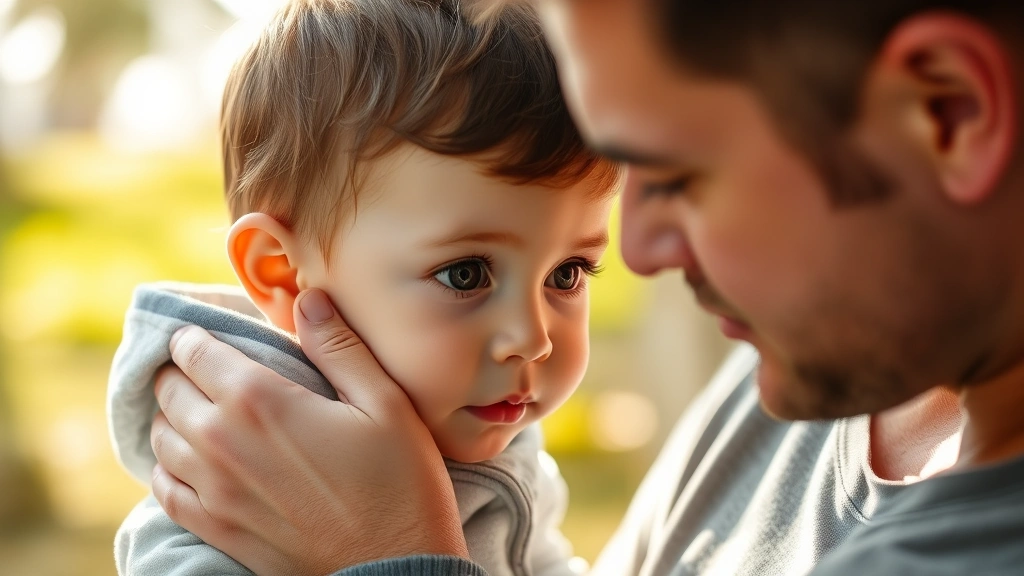
As mentioned earlier, not all babies are born with blue eyes. Babies with darker skin tones are typically born with dark brown or grayish-brown eyes because they’re born with significantly more melanin already present in their irises. This is completely normal and healthy—there’s nothing concerning about a newborn with dark eyes.
Some babies are also born with heterochromia, which means they have two different colored eyes. One eye might be blue while the other is brown, or they might have different shades. This occurs due to variations in melanin distribution and is generally harmless, though it’s worth mentioning to your pediatrician just to ensure there are no underlying concerns.
Occasionally, babies are born with very dark, almost black eyes that might appear to have a grayish or bluish tint in certain lighting. These eyes will typically remain dark as the child grows, though the exact shade might shift slightly as melanin continues to develop and settle.
If you’re looking for adorable ways to celebrate your baby’s unique features, whether they have striking blue eyes or deep brown ones, you might enjoy exploring options for baby girl gifts or baby boy gifts that highlight their precious characteristics. Many parents love capturing and celebrating those cute babies moments with photos that showcase their beautiful eyes.
Common Myths and Facts About Baby Eye Color
Myth: All babies are born with blue eyes. Fact: While many babies with lighter skin tones are born with blue eyes, babies with darker skin tones are typically born with brown or dark gray eyes. Eye color at birth is largely determined by ancestry and genetics.
Myth: If a baby’s eyes don’t change by three months, they’ll stay blue forever. Fact: Eye color changes can continue well into the first year and occasionally into early childhood. Three months is just the beginning of the typical window for color changes, not the end.
Myth: You can predict a baby’s final eye color just by looking at their parents’ eyes. Fact: While parental eye color provides helpful clues, genetics are complex enough that surprises do happen. A brown-eyed baby can be born to blue-eyed parents, and vice versa.
Myth: Gray eyes in newborns mean the baby will have blue eyes. Fact: Gray, grayish-blue, or slate-colored eyes at birth typically indicate the presence of some melanin and might eventually become a different color entirely. Gray eyes in newborns often transition to blue, green, or brown as melanin develops.
Myth: Eye color changes are a sign something is wrong. Fact: Normal eye color changes are a sign of healthy development. The gradual darkening or shifting of eye color is exactly what should happen as melanin accumulates in the iris.
Myth: Babies’ eyes should match their parents’ eyes. Fact: While there’s often similarity, genetics allows for plenty of variation. Your baby might have completely different colored eyes than both parents, and that’s entirely normal.
Caring for Your Baby’s Eyes
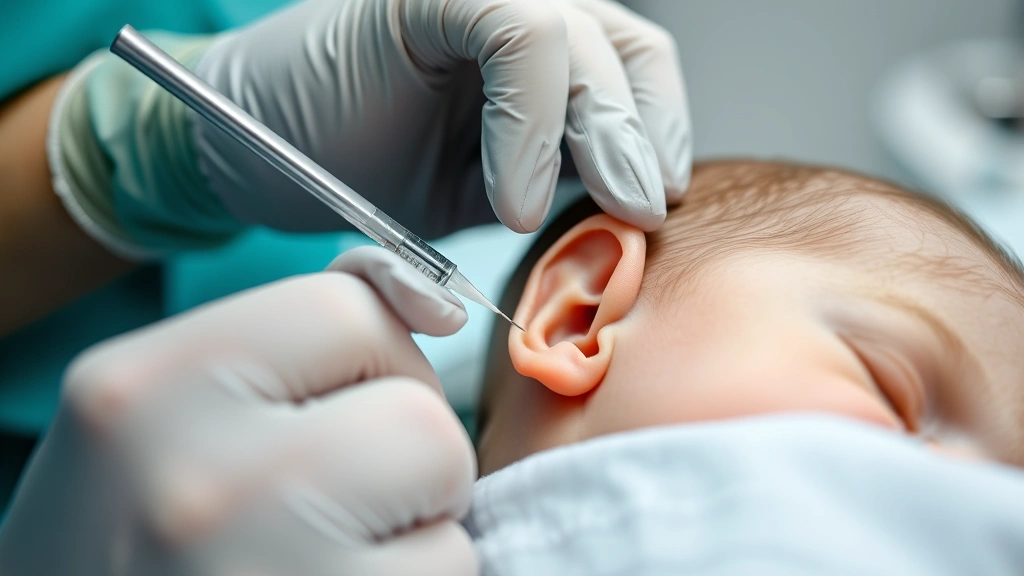
While your baby’s eyes are developing and changing color, there are important steps you should take to keep them healthy and protected. Newborn eye care begins immediately after birth, often with antibiotic eye drops or ointment to prevent infection.
During the first few months, be gentle when cleaning around your baby’s eyes. If your baby has discharge or seems to have gummy eyes, you can gently wipe away buildup with a clean, damp cloth. If discharge persists or seems excessive, mention it to your pediatrician, as it could indicate a blocked tear duct or infection.
Protect your baby’s developing eyes from bright sunlight. While you don’t need to obsess about it, avoiding direct bright sunlight and using appropriate sun protection as your baby grows is sensible. Once your baby is old enough for sunglasses, UV-protective eyewear is a good investment for outdoor time.
According to the American Academy of Pediatrics, babies should have their first comprehensive eye exam by six months of age to ensure normal development. Your pediatrician will check for any concerns during regular well-child visits, but a dedicated eye exam by an optometrist or ophthalmologist can be valuable, especially if there’s a family history of eye problems.
Watch for signs that something might need attention: persistent redness, excessive tearing, sensitivity to light, or any cloudiness in the eye. These warrant a call to your pediatrician. Most eye changes in babies are completely normal, but it’s always better to check with a professional if something seems off.
As your baby grows and their eyes settle into their final color, remember that eye color is just one of many beautiful characteristics that make your child uniquely themselves. Whether your little one ends up with striking blue eyes, warm brown eyes, intriguing green eyes, or anything in between, those eyes will be perfect exactly as they are. Many parents love dressing their babies in baby girl clothes or baby boy clothes that complement their eye color, creating those precious photo opportunities that capture this fleeting stage of infancy.
Frequently Asked Questions
At what age do babies’ eyes stop changing color?
Most babies have achieved their final eye color by around twelve months of age. However, some children continue to experience subtle color changes into their second or third year. The majority of noticeable changes occur within the first six months, with most of the change happening between three to six months.
Can a baby’s eyes change from blue to brown?
Yes, absolutely. This is one of the most common eye color transitions. As melanin accumulates in the iris, blue eyes can gradually darken to green, hazel, or eventually brown. The timeline varies from baby to baby, but this transition is completely normal and healthy.
Is it normal for a baby to have one blue eye and one brown eye?
Yes, heterochromia (having two different colored eyes) is a benign condition that occurs in some babies and is generally nothing to worry about. However, it’s worth mentioning to your pediatrician during a regular check-up so they’re aware and can monitor if needed.
What does it mean if my baby’s eyes are gray at birth?
Gray, slate-colored, or grayish-blue eyes at birth typically indicate that some melanin is already present, though not a lot. These eyes often transition to blue, green, hazel, or brown as more melanin develops. Gray eyes are a normal variation and not a cause for concern.
Can I predict my baby’s eye color?
You can make an educated guess based on parental eye color and family history, but eye color genetics are complex enough that surprises happen. Two blue-eyed parents will almost certainly have a blue-eyed child, but other combinations are less predictable. DNA testing can provide more accurate predictions if you’re curious.
Should I be concerned if my baby’s eyes haven’t changed color by six months?
Not necessarily. While most eye color changes happen in the first six months, some babies’ eye colors change more slowly. If you have concerns, discuss them with your pediatrician, but slower color changes are not inherently problematic. Some babies genuinely do keep their blue eyes.
How can I tell if my baby’s eye color change is normal?
Normal eye color changes happen gradually and are accompanied by otherwise healthy development. The eyes should be clear, without excessive discharge or redness. If you notice sudden changes, persistent redness, excessive tearing, or any cloudiness, contact your pediatrician. For more detailed information about infant eye health, check out resources from the CDC on vision and birth defects.
Do all races of babies have blue eyes at birth?
No. Babies with lighter skin tones are more likely to be born with blue eyes, while babies with darker skin tones are typically born with brown or dark gray eyes. This is due to melanin levels at birth and is completely normal across all ethnicities.
What should I do if my baby’s eyes look infected or unusual?
Contact your pediatrician. Signs of infection include persistent redness, excessive discharge (especially if thick or colored), swelling, or signs that your baby is uncomfortable. While many eye conditions in babies are minor and easily treatable, it’s always better to have a professional evaluate anything that seems unusual. The Parents Magazine guide to baby eye problems provides helpful information on recognizing common issues.
Is there anything I can do to influence my baby’s eye color?
No, your baby’s eye color is determined by genetics and develops on its own timeline. You cannot influence or change the color through any external means. The best thing you can do is ensure your baby’s eyes stay healthy and protected as their natural color develops.