What Are Baby Bonnets? A Parent’s Guide to Style, Function, and Choosing the Right One
If you’ve scrolled through baby clothing websites or walked through the infant section of a department store, you’ve probably encountered baby bonnets. These charming accessories have been around for centuries, and they’re experiencing a bit of a renaissance among modern parents who appreciate both their practical benefits and their undeniable cuteness factor. But beyond the Instagram-worthy photos, there’s actually a lot to understand about what makes a bonnet different from other baby hat options and why some parents swear by them.
A baby bonnet isn’t just a fashion statement—though they certainly look adorable on little ones. These specially designed head coverings serve several legitimate purposes, from sun protection to temperature regulation, and understanding how to use them properly can make a real difference in your parenting journey. Whether you’re a first-time parent trying to decode all the baby gear recommendations or someone looking to expand your understanding of infant clothing essentials, this guide will walk you through everything you need to know about baby bonnets.
What Exactly Is a Baby Bonnet?
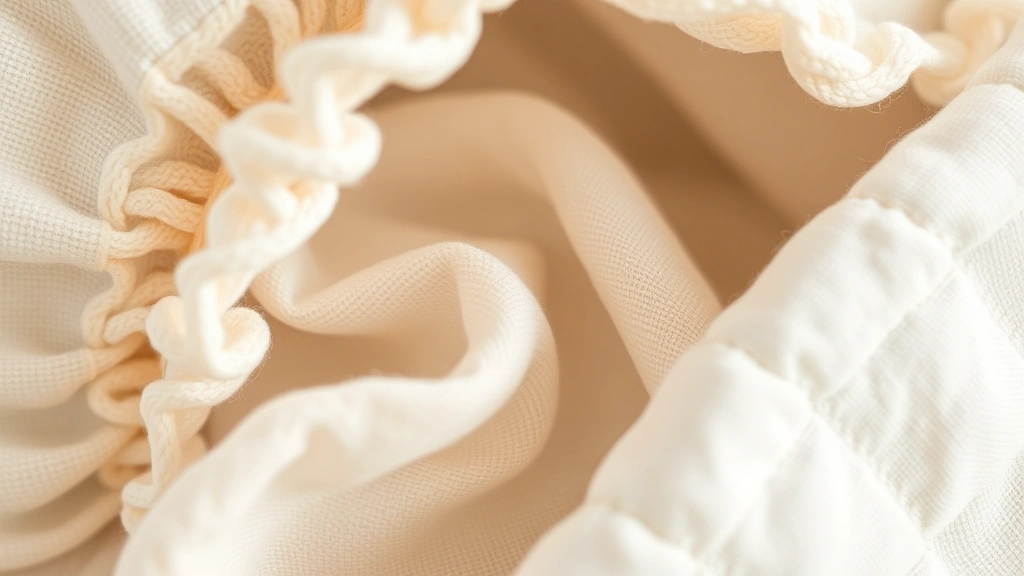
A baby bonnet is a soft, usually fabric-based head covering designed specifically for infants and young toddlers. Unlike a traditional hat that sits on top of the head, a bonnet features a gathered or structured crown that covers the back and sides of the head while leaving the face more open and visible. The defining characteristic of a bonnet is its ties or fasteners that secure it under the chin, keeping it in place even when your baby is moving around or being carried.
The classic design includes a bill or brim that extends forward to shade the face and eyes, similar to a sun hat but with that distinctive bonnet shape that frames the face. Many bonnets also feature decorative elements like ruffles, embroidery, or contrasting fabric panels that serve both aesthetic and functional purposes. Some bonnets are lined with breathable cotton, while others feature sun-protective materials or thermal insulation depending on their intended season.
Modern baby bonnets come in various styles, from minimalist and contemporary designs to vintage-inspired options that harken back to traditional baby wear. You’ll find everything from simple solid-colored bonnets perfect for everyday wear to elaborate styles suitable for special occasions. The versatility of the bonnet design means there’s likely a style that matches your parenting aesthetic and your baby’s practical needs.
The Difference Between Bonnets and Other Baby Headwear
While baby hats come in many varieties, bonnets occupy a specific niche in the infant clothing world. Understanding the distinctions between bonnets and similar items helps you make informed decisions about what to purchase and when to use each type of headwear.
Bonnets vs. Caps: A cap typically has a bill or visor in front and sits more directly on top of the head. Caps often lack the chin ties that characterize bonnets, making them easier to remove but potentially less secure during active play or outdoor adventures. Caps work well for older babies and toddlers who can tolerate something sitting on their head without constant adjustment.
Bonnets vs. Beanies: Beanies cover the entire head and ears, providing maximum warmth for cold weather. They’re excellent for winter protection but can be too warm for mild temperatures. Beanies typically don’t have face-framing features or chin ties, and they cover more of the face than most parents prefer for everyday wear.
Bonnets vs. Headbands: Baby headbands are minimalist accessories that wrap around the head without covering it. They’re primarily decorative and offer minimal sun or weather protection. Headbands work well for photo opportunities and special occasions but aren’t practical for serious sun protection or temperature regulation.
The bonnet’s unique combination of coverage, breathability, security, and face-framing design makes it particularly valuable during the newborn and early infant stages. According to the American Academy of Pediatrics, proper head coverage is important for temperature regulation in newborns, and bonnets offer an excellent solution for this need.

Key Benefits of Baby Bonnets
Understanding why pediatricians and experienced parents recommend baby bonnets helps you appreciate their value beyond their aesthetic appeal. These practical garments offer several legitimate benefits that make them worth including in your baby’s wardrobe rotation.
Sun Protection: One of the most significant benefits of baby bonnets is their ability to shield your infant’s delicate skin and eyes from harmful UV rays. Newborns and young babies shouldn’t wear sunscreen on their face, making bonnets an essential tool for outdoor protection. The bill or brim of a bonnet creates a shadow over the face, reducing direct sun exposure. This is especially important during peak sun hours and at higher altitudes or near reflective surfaces like water or sand.
Temperature Regulation: Babies lose a substantial amount of body heat through their head, which is why hospitals typically place caps on newborns immediately after delivery. A well-fitting bonnet helps retain warmth during cool weather and can prevent overheating by allowing air circulation compared to more enclosed head coverings. This temperature regulation is particularly important for maintaining your baby’s core body temperature, which affects their comfort and sleep quality.
Security and Comfort: The chin ties on bonnets keep them securely in place, which means you’re not constantly adjusting or retrieving a lost hat. This security is invaluable during outings, windy days, or when your baby is sleeping in a stroller. Babies often find the gentle pressure of a bonnet’s ties soothing, similar to swaddling, which can help calm fussy infants.
Skin Protection Beyond Sun: Bonnets shield your baby’s sensitive skin from wind, harsh weather, and environmental irritants. During winter months or in particularly windy conditions, a bonnet provides a protective barrier that helps prevent chapping and irritation on your baby’s face and ears.
Practical Functionality: The open-face design of most bonnets means you can easily see your baby’s face, monitor their expression, and ensure they’re comfortable. Unlike more enclosed hats, bonnets allow for natural airflow and don’t obstruct your baby’s peripheral vision, which is important for their developing awareness of their surroundings.
Choosing the Right Bonnet for Your Baby
Selecting the perfect bonnet involves considering several factors beyond just choosing a cute design. The right bonnet should fit properly, suit your climate, match your lifestyle, and feel comfortable for your baby to wear.
Size and Fit: Proper fit is crucial for both safety and comfort. A bonnet should sit snugly without being tight enough to leave marks on your baby’s skin or restrict movement. The chin ties should be secure but not constrictive—you should be able to fit a finger between the tie and your baby’s chin. Many bonnets come in newborn, 0-3 month, and 3-6 month sizes, so checking the sizing guide is essential. As your baby grows, you’ll need to transition to larger sizes to maintain proper fit.
Material Selection: The fabric of a bonnet significantly impacts its functionality and comfort. For summer wear, lightweight cotton or cotton-linen blends offer breathability and sun protection. Winter bonnets should feature thicker fabrics like fleece, wool blends, or quilted cotton for insulation. For year-round use, consider bonnets with reversible designs that offer different materials on each side. Always check that materials are soft and won’t irritate sensitive baby skin.
Season and Climate: Your local climate should influence your bonnet selection. If you live in a sunny climate, prioritize bonnets with UPF protection and wider brims. In colder regions, opt for bonnets with ear coverage and thermal lining. For mild climates, versatile bonnets that work across seasons are practical investments. Many parents benefit from having multiple bonnets suitable for different weather conditions.
Style Preferences: While style shouldn’t be your primary consideration, it does matter for consistency. Choose bonnets that coordinate with your baby’s wardrobe and your personal aesthetic. Whether you prefer traditional styles, modern minimalist designs, or something in between, selecting bonnets you genuinely like wearing increases the likelihood you’ll actually use them regularly.
When shopping for baby girl clothes and baby boy clothes, you’ll notice bonnets come in styles specifically designed for different preferences. Don’t feel obligated to stick to traditionally gendered options—choose what works best for your family.
Special Considerations: If your baby has sensitive skin or allergies, look for bonnets made from hypoallergenic materials or organic cotton. For babies with particularly delicate skin, consider bonnets with soft inner linings and tagless construction. If your baby tends to get warm easily, prioritize breathable options over heavily insulated styles.
Safety Considerations and Best Practices
While baby bonnets are generally safe when used properly, several important guidelines ensure you’re using them in the way that best protects your infant.
Sleep Safety: Never leave a bonnet on your baby while they’re sleeping in a crib, bassinet, or play yard. According to CDC guidelines on safe sleep, loose items in the sleep space increase the risk of suffocation. Remove the bonnet before putting your baby down to sleep, and always follow safe sleep practices by keeping the crib bare except for a fitted sheet.
Chin Tie Security: Inspect chin ties regularly for wear, fraying, or damage. Ties should be secure enough to keep the bonnet in place but never so tight that they restrict your baby’s breathing or movement. The general guideline is that you should be able to fit one finger comfortably between the tie and your baby’s chin. Always supervise your baby while wearing a bonnet with ties.
Overheating Prevention: While bonnets help with temperature regulation, be cautious not to overdress your baby. A bonnet in combination with other layers can lead to overheating, which is a risk factor for sudden infant death syndrome (SIDS). Dress your baby appropriately for the temperature and remove layers if your baby feels warm to the touch on the chest or neck.
Regular Inspection: Check your baby’s bonnet regularly for any signs of damage, loose threads, or deterioration. Replace bonnets that show wear or damage to prevent any potential hazards. Wash bonnets according to manufacturer instructions to maintain their integrity and cleanliness.
Age Appropriateness: While bonnets can be worn from birth, always ensure they fit properly for your baby’s current size. A bonnet that’s too large can slip over your baby’s eyes or face, creating a safety concern. As your baby grows, transition to appropriately sized bonnets.
Styling Tips for Different Seasons
Baby bonnets aren’t one-size-fits-all accessories—different seasons call for different bonnet styles and materials to maximize both comfort and functionality.
Summer Bonnets: Summer is prime bonnet season. Wide-brimmed bonnets with UPF protection provide essential sun defense. Lightweight cotton or linen materials keep your baby cool while protecting their skin. Pale colors reflect heat better than dark colors. Many parents appreciate bonnets with adjustable sizing during summer months, as babies may outgrow them quickly. Pair summer bonnets with appropriate lightweight layering to avoid overheating.
Winter Bonnets: Winter requires bonnets with more substantial coverage and insulation. Look for bonnets made from fleece, wool blends, or quilted fabrics that provide warmth without excessive bulk. Bonnet linings should be soft against your baby’s skin. Some winter bonnets feature ear flaps or extended back coverage for additional warmth. Darker colors absorb warmth, making them practical for cold-weather bonnets.
Transitional Season Bonnets: Spring and fall call for versatile bonnets that can adapt to temperature fluctuations. Reversible bonnets with different materials on each side offer flexibility—a lightweight cotton side for warmer days and a slightly heavier fabric for cooler mornings. These transitional bonnets extend the wearing season and provide better value than single-season options.
Layering Strategies: Bonnets layer well with other items in your baby’s wardrobe. In winter, a bonnet works perfectly over a lightweight hat for extra warmth. In summer, a bonnet alone provides adequate coverage without overheating. Understanding how to layer bonnets with other baby winter clothes or lighter options helps you adapt to changing temperatures throughout the day.
Caring for Your Baby’s Bonnets
Proper care extends the life of your baby’s bonnets and ensures they remain safe and comfortable for your little one to wear.
Washing Guidelines: Check the care label on each bonnet for specific washing instructions. Most baby bonnets can be hand-washed in cool water with gentle detergent. Machine washing on a delicate cycle works for many bonnets, but hand-washing is gentler on decorative elements and elastic components. Use mild, fragrance-free detergent designed for baby clothing to prevent irritation.
Drying Methods: Air drying is the gentlest method and helps preserve the bonnet’s shape and elastic components. Lay bonnets flat or hang them to dry away from direct sunlight and heat sources. Avoid using a dryer, as high heat can damage elastic, shrink fabrics, or melt synthetic materials. Allow bonnets to dry completely before storing them to prevent mildew or odors.
Stain Removal: Address stains promptly by gently rinsing with cool water and treating with a mild stain remover designed for baby clothes. For stubborn stains, soak the bonnet in cool water before washing. Avoid harsh chemicals or bleach that could irritate your baby’s skin or damage delicate fabrics.
Storage Solutions: Store clean, dry bonnets in a cool, dry place away from direct sunlight. A drawer, shelf, or closet works well. Keep bonnets organized by season so you can easily access the appropriate styles. Avoid storing bonnets in plastic bags for extended periods, as this can trap moisture and lead to mildew.
Longevity Tips: Rotate between multiple bonnets to reduce wear on any single piece. This also ensures you always have a clean bonnet available. Inspect bonnets before each use for signs of damage or wear. With proper care, quality bonnets can be passed down to younger siblings or cousins, making them economical investments in your baby gear collection.
Frequently Asked Questions
At what age can babies wear bonnets?
Babies can wear bonnets from birth, and many hospitals place bonnets on newborns to help with temperature regulation. Properly fitting bonnets are safe for newborns through the toddler years, though sizing will need to increase as your baby grows.
How tight should a bonnet’s chin tie be?
Chin ties should be snug enough to keep the bonnet in place but loose enough that you can comfortably fit one finger between the tie and your baby’s chin. This ensures security without restricting breathing or circulation.
Can babies sleep in bonnets?
No, babies should not wear bonnets while sleeping in cribs, bassinets, or play yards. Remove all headwear before placing your baby in a sleep space to reduce suffocation risk. Bonnets are appropriate for supervised awake time and outdoor activities.
Are bonnets better than other types of baby hats?
Bonnets offer unique advantages including face-framing design, secure chin ties, and excellent coverage. However, the “best” hat depends on your specific needs. For sun protection, bonnets excel. For maximum warmth, beanies might be preferable. Consider your primary use when choosing.
How do I know if a bonnet fits properly?
A proper-fitting bonnet sits snugly on your baby’s head without leaving marks or restricting movement. The chin tie should be secure but not tight. Check the manufacturer’s size recommendations based on your baby’s age and head circumference.
What fabric is best for sensitive baby skin?
Organic cotton, bamboo fabric, and hypoallergenic materials are excellent choices for babies with sensitive skin. Look for bonnets with soft inner linings and avoid synthetic materials or rough textures. Always wash new bonnets before first use.
Can I use the same bonnet year-round?
While some versatile bonnets work across seasons, seasonal-specific bonnets are ideal. Summer bonnets prioritize breathability, while winter bonnets focus on insulation. Having season-appropriate options ensures your baby stays comfortable.
How many bonnets should I have?
Most parents benefit from having 3-5 bonnets in rotation. This allows for regular washing while maintaining clean options available. If you live in a climate with distinct seasons, consider having seasonal-specific options in addition to year-round versatile styles.
Are designer baby bonnets worth the investment?
Designer bonnets offer quality construction and attractive aesthetics but aren’t necessary for functionality. Mid-range bonnets from reputable baby clothing brands often provide excellent quality and durability at more reasonable prices. Your budget and personal preferences should guide this decision.
How do I prevent my baby from removing their bonnet?
Secure chin ties prevent accidental removal, but determined babies may still try. Starting bonnet wearing early helps babies acclimate to the accessory. Positive reinforcement and making bonnet time enjoyable helps babies accept wearing them without resistance.