What Is a Baby Book? Expert Guide to Documenting Your Child’s Early Years
A baby book is one of those parenting essentials that sounds quaint until you realize you’re frantically searching for your child’s first photo at their fifth birthday party. It’s essentially a keepsake journal designed to capture the milestones, memories, and precious moments of your child’s early years—typically from birth through age five, though many parents extend this practice well beyond.
Beyond the sentimental value, baby books serve a surprisingly practical purpose. They create a tangible record of your child’s development, health milestones, and family history that can be treasured for decades. In our increasingly digital world, there’s something uniquely meaningful about holding a physical book filled with handwritten notes, tiny footprints, and actual photographs documenting who your child was becoming.
Whether you’re a meticulous planner who color-codes everything or a chaotic parent who can barely remember what day it is, there’s a baby book approach that fits your style. Let’s explore what baby books are, why they matter, and how to create one that feels authentic to your family rather than like another obligation on your already overflowing to-do list.
What Exactly Is a Baby Book?
A baby book is a personalized journal and memory keeper specifically designed for documenting your child’s infancy and early childhood. Think of it as a combination scrapbook, medical record, and love letter all rolled into one. The format typically includes pre-printed sections for important information like birth details, growth measurements, first milestones, and space for photos, handwritten notes, and memorabilia.
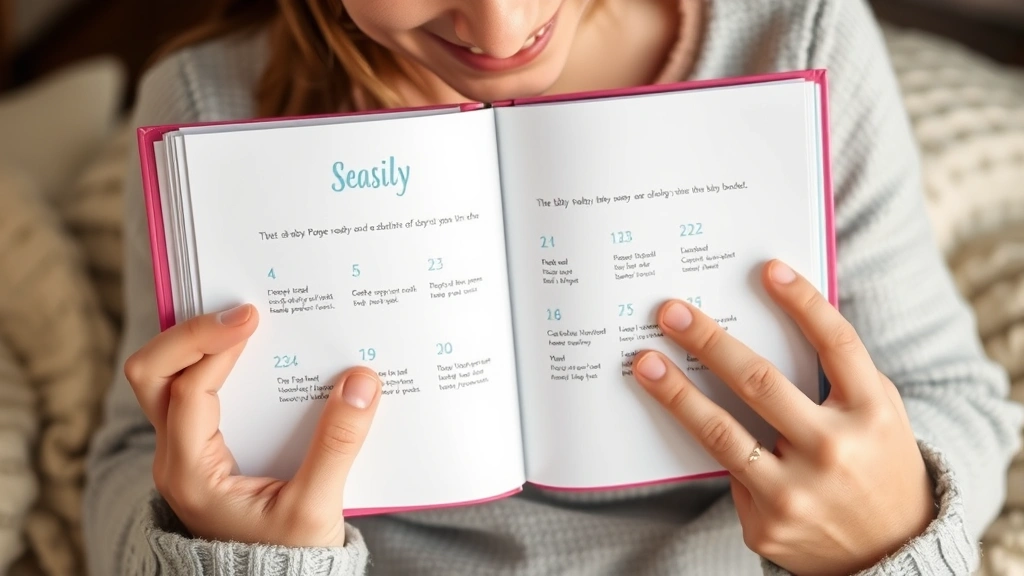
The traditional baby book format usually comes as a hardcover or softcover bound book with pages dedicated to different time periods and developmental stages. Each page is thoughtfully designed with prompts and sections that guide parents through what to record. Some books include pockets for storing keepsakes like hospital bracelets, first locks of hair, or special announcements.
What distinguishes a baby book from a regular journal is its structure and purpose. It’s not meant to be a detailed daily diary (though some parents use it that way). Instead, it’s a curated collection of the moments that matter most—the ones you’ll want to revisit when your child is older, the ones that capture their personality and your family’s story during this fleeting early period.
When you understand what a baby book truly is—a bridge between the present moment and future memories—it becomes less about perfection and more about intention. It’s about pausing long enough to notice and record the small details that make your child uniquely themselves.
Purpose and Benefits of Baby Books
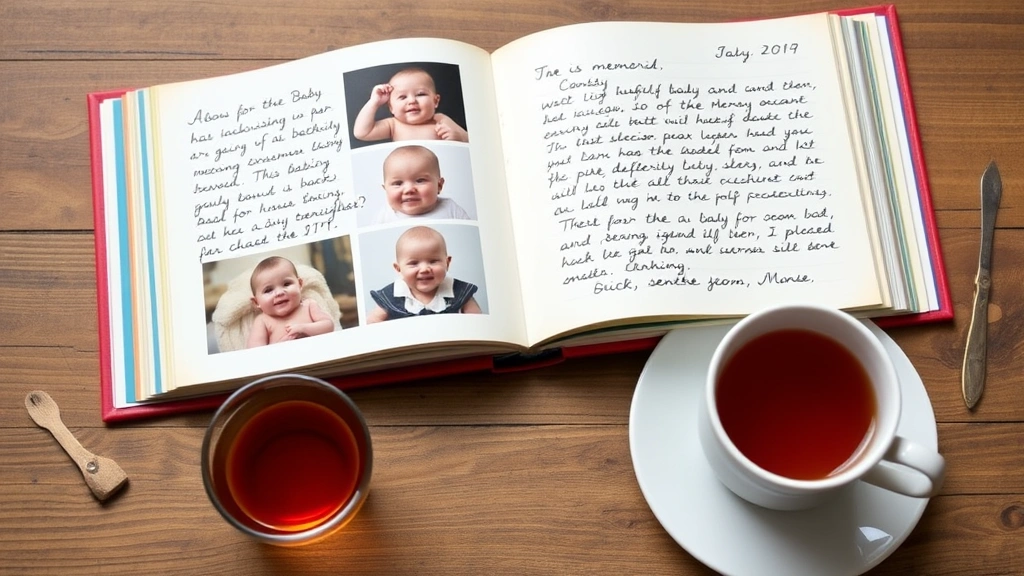
The primary purpose of a baby book is preservation. In an era where thousands of digital photos live on our phones and cloud storage, a physical baby book offers something irreplaceable: a curated, intentional collection of memories in one beautiful place. It’s the difference between having a thousand photos scattered across devices and having fifty carefully chosen moments that tell your child’s story.
Beyond nostalgia, baby books serve several meaningful purposes. They create a health and development record that can be referenced years later. You’ll have documented your child’s immunization dates, pediatrician notes, growth percentiles, and developmental milestones all in one location. This information proves surprisingly useful when your child needs medical records or when you’re trying to remember when they first rolled over.
Baby books also strengthen family connection and identity. When you sit down to fill in sections about your child’s personality, preferences, and quirks, you’re actively reflecting on who they are at this moment. Years later, your child will treasure reading about themselves through your eyes—your observations about their first smile, their favorite toy, the way they reacted to certain experiences.
There’s also a developmental benefit for children. Research from child development experts suggests that talking with children about their own history and milestones contributes to healthy identity development and self-esteem. When your child reads their baby book later, they’re learning about their own journey and place in the family narrative.
Additionally, baby books can serve as a tool for parental involvement in education, giving you concrete touchstones for discussing development with teachers and pediatricians. You’ll have specific dates and observations to share rather than vague recollections.
Types and Formats Available
The baby book market has exploded with options, ranging from traditional printed formats to modern digital alternatives. Understanding the different types helps you choose what aligns with your parenting style and preferences.
Traditional Printed Baby Books: These are the classic option—bound books with pre-printed pages, specific sections for different milestones, and designed spaces for photos and memorabilia. Popular brands include Pearhead, Stepping Stones, and Milestones. These books typically include sections for birth information, monthly growth records, first experiences, and developmental milestones. They’re tactile, beautiful to display, and require no technology—just pen and paper.
Customizable Baby Books: Many publishers now offer semi-personalized options where you can choose cover designs, add your child’s name, and sometimes select which sections to include. This gives you more control than standard books while still providing structure.
Blank Journal Format: Some parents prefer a completely blank journal where they have total creative freedom. This appeals to those who find pre-printed sections restrictive and want to document their own way. These work well for parents who journal naturally or want to include more detailed narratives.
Digital Baby Books: Apps and online platforms like Tinybeans, Lifecake, and Snapfish allow you to create digital baby books. You upload photos, write notes, and can organize by date and milestone. Some services even print your digital collection into a physical book when you’re ready. Exploring different baby book options will help you understand what format feels right for your family.
Hybrid Approaches: Many modern parents use a combination—perhaps maintaining a digital record through photos and notes, then creating a printed book annually or at key milestones. This approach offers both convenience and a physical keepsake.
What to Include in Your Baby Book
The beauty of baby books is flexibility—there’s no single “right” way to fill one. However, certain categories of information create a comprehensive record that you’ll value later.
Birth Information: Include the date, time, location, weight, length, and any notable details about delivery. Add the names of people present and how you felt in those first moments. This foundation sets the stage for your child’s story.
Physical Characteristics: Record hair and eye color, distinctive features, or funny characteristics you notice. These details might change, making them valuable to document. Include handprints and footprints if your book has space for them.
Growth Records: Most baby books have pages for recording height and weight at regular intervals. Track these measurements from your pediatrician visits. Many parents also note clothing sizes as their child grows, which can be surprisingly nostalgic later.
Developmental Milestones: Document when your child rolled over, sat up, crawled, walked, and spoke their first words. Include their first smile, first laugh, and other behavioral milestones. Add the context—where they were, what they were doing, who witnessed it.
Personality and Preferences: Write about your child’s temperament, favorite toys, foods they loved or rejected, and their unique quirks. These personal observations are what make baby books special—they capture who your child actually was, not just what they accomplished.
Firsts: First bath, first outing, first holidays, first foods, first trips. These experiences deserve documentation. Include photos and your reflections on how your child reacted and how you felt.
Health Records: Keep track of immunizations, illnesses, allergies, and pediatrician appointments. This information has practical value and creates a health history timeline.
Family Information: Include family tree information, names of grandparents and siblings, and family traditions. This helps your child understand their place in the larger family context and supports the importance of early childhood education and family-based learning.
Photos and Memorabilia: Include photos that capture your child’s development and personality. Add small keepsakes—hospital bracelets, birth announcements, special cards, ticket stubs from outings. These tangible items make the book feel more precious.
Letters and Reflections: Write letters to your child about what you hope for them, your feelings during this period, or observations about their development. These written reflections become incredibly meaningful over time.
Getting Started: Practical Tips
Starting a baby book can feel overwhelming, especially when you’re already managing the demands of caring for an infant. Here’s how to approach it without adding stress to your life.
Choose Your Format First: Decide whether you want a traditional printed book, digital platform, or blank journal. This choice determines your next steps and helps you commit to a system you’ll actually use.
Start When You’re Ready: You don’t have to begin on day one. Many parents start within the first few weeks or months once they’ve settled into parenting. There’s no deadline or “right time”—whenever you start is the right time.
Set Realistic Expectations: You won’t fill every page or remember every detail perfectly. That’s completely fine. A baby book with gaps and imperfect handwriting is infinitely better than a blank one gathering dust. Aim for progress, not perfection.
Create a System: Decide how often you’ll update it—monthly, quarterly, or whenever you reach milestones. Some parents keep their baby book on the nightstand and add to it weekly. Others do a big update every three months. Find a rhythm that works for your life.
Involve Your Partner: If you have a co-parent, involve them in the process. Different perspectives and observations make the baby book richer. Some families alternate who writes entries or divide sections.
Use Prompts Wisely: If your baby book has prompts or guiding questions, use them when helpful but don’t feel bound by them. Write what feels important to you and your family, not what a template suggests.
Keep It Accessible: Store your baby book somewhere you’ll actually see it and remember to use it. Don’t lock it away in a storage closet where it’ll be forgotten. Keep it on a shelf or nightstand where it’s part of your daily environment.
Get Support: Check out comprehensive baby book resources or look for parenting communities that share baby book tips. Seeing how others approach it can inspire your own process.
Digital vs. Physical Baby Books
One of the biggest decisions modern parents face is whether to maintain a digital baby book, physical one, or both. Each approach has distinct advantages and considerations.
Physical Baby Books Advantages: They’re tactile and beautiful to hold. There’s no screen time involved in creating or reviewing them. Physical books feel more permanent and special—less likely to be lost to a technological glitch or forgotten app. They’re easy to share with extended family without worrying about privacy settings. Many parents find the act of handwriting entries more meaningful than typing. Physical books also work without technology, making them accessible anytime, anywhere.
Physical Baby Books Challenges: They require more intentional effort—you can’t quickly snap a photo and note it like you can with an app. They have limited space, so you must be selective about what you include. They’re not easily shareable with distant family members in real-time. If you’re someone who takes hundreds of digital photos, curating which ones make it into the physical book requires extra steps.
Digital Baby Books Advantages: They’re convenient—you can add entries and photos immediately from your phone. They typically offer unlimited space, so you can include as much as you want. Many apps allow family members to contribute remotely and receive notifications of updates. Digital books are searchable and easy to organize by date or theme. You can easily print sections or create printed books later. Some platforms offer automatic reminders for milestones you might want to document.
Digital Baby Books Challenges: They depend on technology and internet connectivity. Apps may be discontinued or change their features. There’s a privacy consideration with storing baby information online. The digital experience feels less special and tangible than a physical book. You may end up with thousands of digital photos with minimal curation. There’s also screen time involved in the creation process.
Many modern families use a hybrid approach: maintaining digital records and photos for convenience and sharing, then creating a printed book annually or at significant milestones. This gives you the best of both worlds—the convenience of digital recording with the permanence and beauty of a physical keepsake. Parenting advice for new parents often emphasizes finding systems that work for your specific family rather than forcing yourself into someone else’s approach.
Consider also that child development research shows that having a documented record of early childhood—whether digital or physical—contributes positively to children’s sense of identity and belonging. The format matters less than the intention behind it.
Frequently Asked Questions
When should I start a baby book?
You can start a baby book anytime—ideally within the first year, but there’s no cutoff date. Many parents begin within the first few weeks or months after birth when they’ve settled into parenting. If you’re just starting now and your child is older, that’s perfectly fine. Begin whenever feels right for your family.
What if I’ve missed a lot of early milestones—can I still create a baby book?
Absolutely. You can fill in what you remember and what you have documentation for (photos, medical records, family memories). Baby books don’t require completeness—they’re about capturing what you can and want to preserve. Many parents successfully create baby books for older children by gathering information from photos, videos, and family memories.
How often should I update my baby book?
There’s no set schedule. Some parents update monthly, others quarterly, and some add entries whenever they reach milestones or when inspiration strikes. Find a rhythm that fits your life. Even updating it once or twice a year is valuable. The frequency matters less than consistency over time.
Is a baby book necessary, or is it just a nice-to-have?
Baby books are wonderful but not strictly necessary. If your family doesn’t use baby books, that’s completely valid. Some families preserve memories through digital photo albums, scrapbooking, or simply telling stories. What matters is intentionally preserving and celebrating your child’s early years in whatever format resonates with your family.
Can I create a baby book for multiple children?
Yes, many families have individual baby books for each child. Some parents use one combined book for siblings and note whose milestone or memory is being recorded. Others create separate books and enjoy the individual attention each child gets. There’s no single right approach—choose what feels manageable and meaningful for your family.
What should I do with the baby book once my child is older?
Many families keep baby books on a shelf in the child’s room or in a memory box. Some parents eventually give the book to their child as a keepsake, often around age 18 or when they move out. Others keep them as family archives. The choice is yours—some people treasure their own baby books from childhood, while others create them primarily for their own memories during the parenting years.
Are there privacy concerns with digital baby books?
Yes, it’s worth considering. Research the app or platform’s privacy policy before uploading photos and information. Some services share data, while others have strong privacy protections. Consider what information you’re comfortable storing digitally and sharing online. If privacy is a major concern, a physical baby book might feel like a better fit for your family.