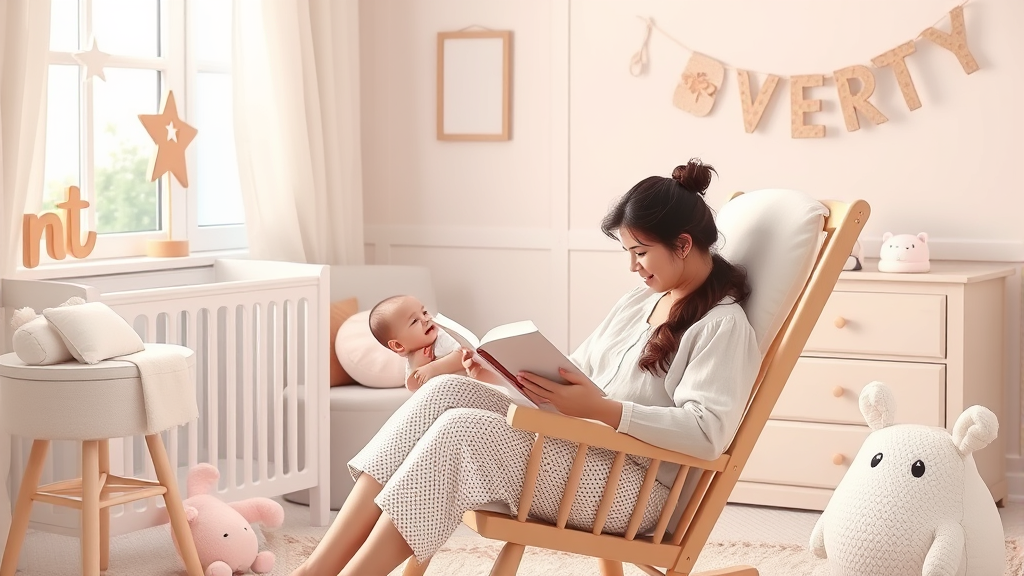
Bedtime can be one of the most challenging parts of parenting, especially with babies who seem to have endless energy when you’re desperately craving rest. The secret weapon that many successful parents swear by? Baby books that create a soothing, predictable routine that signals it’s time to wind down. These carefully chosen stories don’t just entertain—they actively work to calm your little one’s mind and prepare them for peaceful sleep.
Reading to your baby isn’t just about the immediate benefits of a smoother bedtime routine. Research consistently shows that early exposure to books and storytelling lays the foundation for language development, cognitive growth, and emotional bonding between parent and child. When you incorporate early childhood education principles into your bedtime routine through carefully selected baby books, you’re setting the stage for both better sleep and lifelong learning habits.
Why Baby Books Work for Bedtime
The magic of bedtime stories lies in their ability to create a consistent, calming ritual that signals to your baby’s developing circadian rhythm that sleep time is approaching. According to the Zero to Three organization, reading to babies as young as six months old helps establish neural pathways that support language development while simultaneously providing the predictable routine that infants crave for security.
Baby books work particularly well for bedtime because they engage multiple senses in a gentle, non-stimulating way. The soft sound of your voice reading creates auditory comfort, while colorful illustrations provide visual interest without overstimulation. The physical act of turning pages gives babies something to focus on with their hands, channeling their energy into a quiet, controlled activity.
The psychological benefits extend beyond the immediate bedtime routine. When you consistently read to your baby before sleep, you’re creating positive associations with books and learning that will serve them throughout their educational journey. This early exposure to literature also strengthens the parent-child bond through shared quiet time and physical closeness, often while snuggled together with a cozy baby blanket.
Choosing the Right Books for Your Baby’s Age
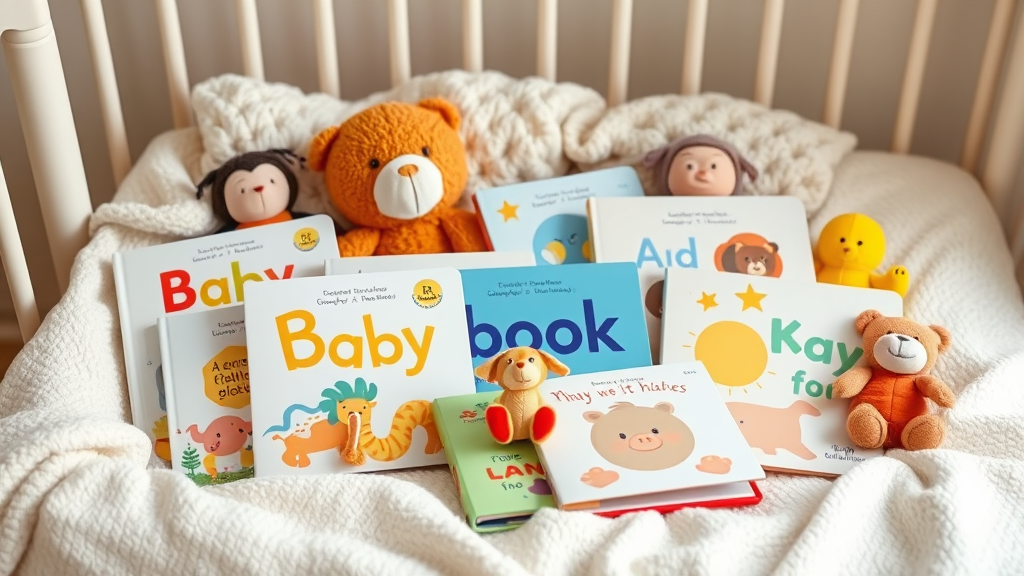
Selecting appropriate baby books requires understanding your child’s developmental stage and sleep needs. For newborns to three months, simple board books with high-contrast images work best. Black and white patterns or bold, simple shapes capture their limited visual focus without overwhelming their developing nervous system. Books with minimal text allow you to focus on creating soothing vocal rhythms rather than complex storylines.
Between four to six months, babies begin showing more interest in colorful images and can focus on pictures for longer periods. This is the perfect time to introduce books with gentle rhymes and repetitive phrases. Look for stories with simple concepts like saying goodnight to different objects or animals, as these reinforce the bedtime message while building vocabulary.
From seven to twelve months, your baby’s attention span increases significantly, and they may start to show preferences for certain books. Interactive elements like textures to touch or flaps to lift can be engaging, but choose versions designed specifically for bedtime that avoid overly exciting surprises. Books that incorporate familiar daily routines, like getting dressed in baby boy clothes or baby girl clothes, help reinforce the concept of bedtime as part of their daily schedule.
Top Baby Books That Guarantee Sweet Dreams
“Goodnight Moon” by Margaret Wise Brown remains the gold standard of bedtime books for babies. Its rhythmic text and gradually darkening illustrations perfectly mirror the process of falling asleep. The repetitive “goodnight” pattern creates a meditative quality that naturally slows down both reader and listener, making it an ideal choice for establishing a calming bedtime routine.
“The Going to Bed Book” by Sandra Boynton offers playful illustrations combined with simple text that walks through bedtime preparations. The animal characters’ bedtime routine provides a template for your own family’s evening activities, helping babies understand the sequence of events leading to sleep.
For younger babies, “Baby’s Bedtime” by Kay Chorao features soft illustrations and minimal text that focuses on the comfort and security of bedtime. The gentle imagery of babies and parents together reinforces the safety and love associated with sleep time.
“Time for Bed” by Mem Fox uses beautiful rhyming verse to describe different baby animals going to sleep with their parents. The repetitive structure and soothing language create a hypnotic effect that naturally calms active minds and prepares them for rest.

Reading Techniques That Enhance Sleep Preparation
The way you read bedtime stories is just as important as the books you choose. Start by creating a comfortable reading environment with soft lighting that’s bright enough to see the pages but dim enough to signal bedtime. Your voice should gradually become softer and slower as you progress through the story, naturally guiding your baby toward a more relaxed state.
Use repetitive phrases and gentle rhythms to create a almost hypnotic reading style. When books have rhyming patterns, emphasize the rhythm by slightly elongating vowel sounds and creating natural pauses. This vocal technique mimics the breathing patterns associated with falling asleep and helps regulate your baby’s own breathing.
Physical positioning during reading also contributes to the bedtime effect. Hold your baby close while reading, allowing them to feel your calm heartbeat and breathing. If your baby is mobile, let them sit beside you or in your lap while you turn pages together, creating a shared, peaceful experience.
According to research from the American Academy of Pediatrics, interactive reading that includes pointing to pictures and asking simple questions enhances language development, but for bedtime reading, keep interactions minimal and soothing to maintain the calming atmosphere.
Creating the Perfect Bedtime Reading Routine
Consistency is key when using baby books as part of your bedtime strategy. Establish a specific time each night for reading, ideally after other bedtime preparations like bathing and putting on pajamas are complete. This positioning signals to your baby that reading time is the final, calm activity before sleep.
Create a special reading space that your baby associates with bedtime stories. This might be a comfortable chair in the nursery, a corner of your bedroom, or even your baby’s crib if they’re old enough to sit up safely. Having a designated reading spot helps reinforce the routine and creates positive associations with that location.
Limit bedtime reading to one or two books to prevent overstimulation and maintain focus on the goal of sleep preparation. While your baby might request “one more book,” staying consistent with your limits helps them understand that reading time has natural boundaries and sleep comes next.
Consider incorporating other sensory elements that complement your reading routine. A favorite stuffed animal, like a beloved baby alive doll, can provide comfort during story time. Some families find that gentle background sounds, such as soft classical music or white noise, enhance the reading experience without competing with your voice.
Troubleshooting Common Bedtime Reading Challenges
Not every baby immediately embraces bedtime reading, and that’s completely normal. If your baby seems restless or fussy during story time, they might be overtired or overstimulated. Try moving reading time earlier in your bedtime routine, or choose books with simpler illustrations and shorter text until they adjust to the activity.
Some babies go through phases where they want to grab or chew on books rather than listen to stories. This is a natural part of their development and exploration. Invest in sturdy board books designed for baby handling, and remember that even if they’re not appearing to “listen” in the traditional sense, they’re still absorbing language patterns and positive associations with books.
If your baby consistently resists sitting still for reading, try incorporating gentle movement into the activity. Rock slowly in a rocking chair while reading, or allow them to stand and move around while you read, as long as the overall atmosphere remains calm and quiet.
For babies who seem more energized rather than calmed by certain books, evaluate your book choices and reading style. Stories with exciting plots or bright, stimulating illustrations might be better suited for daytime reading, while bedtime should focus on gentler, more repetitive content.
Frequently Asked Questions
When should I start reading bedtime stories to my baby?
You can start reading to your baby from birth. Newborns benefit from hearing your voice and the rhythm of language, even if they can’t focus on pictures yet. The KidsHealth organization recommends beginning reading routines as early as possible to establish positive associations with books and create bonding opportunities through shared quiet time.
How long should bedtime reading sessions last for babies?
For babies under six months, five to ten minutes of reading is typically sufficient. As babies grow and their attention spans increase, you can extend reading time to fifteen or twenty minutes. The key is to watch for signs that your baby is getting sleepy rather than stimulated, and adjust accordingly. Quality and consistency matter more than duration.
What if my baby wants to eat or chew on the books during reading time?
This is completely normal behavior for babies, especially during teething periods around the time their baby teeth chart shows new teeth emerging. Choose board books or fabric books designed for baby exploration, and remember that mouthing books is actually a way babies learn about their world. Keep the focus on your voice and the routine rather than perfect book handling.
Should I use the same books every night or rotate different stories?
A combination approach works best for most families. Having one or two “signature” bedtime books that you read consistently helps establish routine and comfort, while occasionally introducing new books prevents boredom and expands your baby’s exposure to different language patterns and illustrations. Many babies find comfort in familiar stories and may request the same book repeatedly.
Can bedtime reading help with sleep training?
Yes, bedtime reading can be an excellent component of sleep training routines. The predictable activity helps signal sleep time and provides a calm transition from active play to rest. However, reading should complement, not replace, other important sleep training elements like consistent bedtimes, appropriate sleep environments, and age-appropriate sleep expectations.
What should I do if my baby falls asleep during reading time?
If your baby falls asleep during reading, that’s actually a sign that your bedtime book routine is working perfectly! Gently close the book, give them a soft kiss, and place them in their crib if they’re not already there. This natural transition from reading to sleep reinforces the connection between books and bedtime in your baby’s mind.
Are electronic books or apps suitable for bedtime reading with babies?
Traditional physical books are recommended for bedtime reading rather than electronic devices. The blue light emitted by screens can interfere with natural sleep hormone production, and the interactive elements of many digital books can be more stimulating than calming. Save electronic books for daytime reading and stick to physical books for bedtime routines to promote better sleep preparation.