How to Choose Baby Bows: A Parent’s Guide
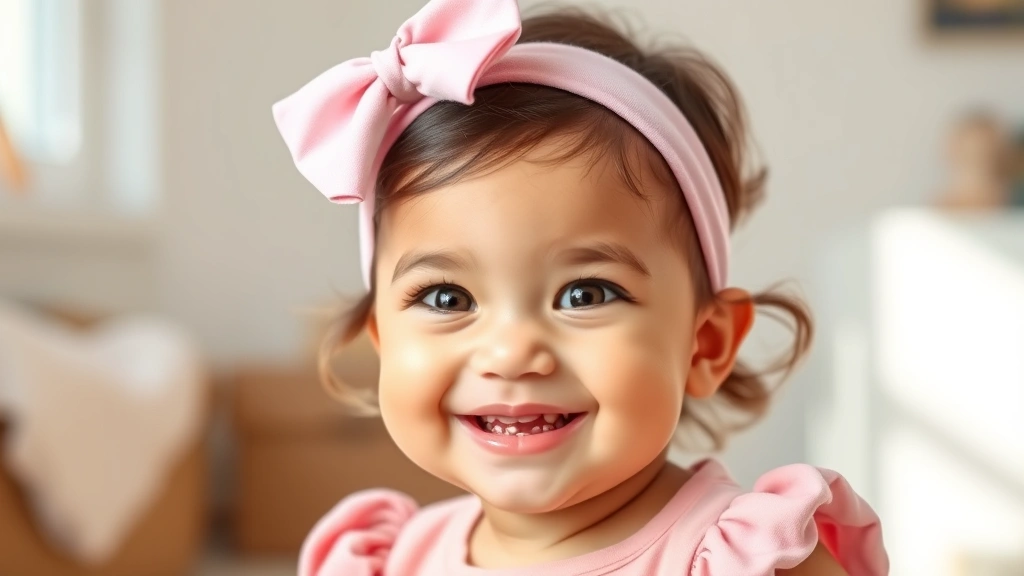
There’s something undeniably charming about a perfectly placed bow in a baby girl’s hair. But if you’re standing in front of an overwhelming selection at the store—or scrolling through endless options online—you might be wondering: where do I even start? Choosing baby bows isn’t just about picking the cutest design (though that matters). It’s about understanding safety, comfort, practicality, and age-appropriateness to ensure your little one looks adorable while staying safe and comfortable.
The world of baby accessories has exploded in recent years, and bows are no exception. From delicate clips to soft headbands, oversized statement pieces to minimalist designs, the choices can feel paralyzing. Whether you’re shopping for a special occasion, building a everyday collection, or looking for the perfect baby girl gifts, understanding how to select the right bows will save you time, money, and regret.
This guide breaks down everything you need to know about selecting baby bows—from safety considerations to style preferences, age recommendations to practical maintenance tips. By the end, you’ll feel confident making choices that work for your family.
Safety Considerations Come First
Before you fall in love with any bow, safety must be your primary concern. Your baby’s wellbeing trumps aesthetics every single time, and the good news is that safe bows can still be absolutely adorable.
The most critical safety rule is this: never leave a baby unattended while wearing hair accessories. Bows, clips, and headbands can become choking hazards if they come loose, especially for babies who explore everything with their mouths. According to the Consumer Product Safety Commission, hair accessories for infants require careful attention to ensure they meet safety standards.
Look for bows that are specifically designed for babies rather than older children or adults. Baby-specific bows typically feature:
- Secure attachment mechanisms that won’t easily come loose
- No small parts that could detach and become choking hazards
- Soft materials that won’t irritate delicate skin or scalp
- Hypoallergenic fabrics for sensitive skin
- Secure stitching with no loose threads
Avoid bows with:
- Small beads, sequins, or embellishments that could detach
- Metal clips with sharp edges
- Hard plastic components
- Elastic bands that are too tight
- Long ribbons that could wrap around the neck
When examining any bow, gently tug on all components to ensure they’re firmly attached. Check seams for quality stitching. Run your fingers along edges to make sure there are no sharp points. This simple inspection can prevent potential hazards.
Age-Appropriate Options
Your baby’s age significantly impacts which bows are suitable. What works for a three-month-old differs dramatically from what’s appropriate for a toddler.
Newborns to 3 Months: At this stage, babies have minimal hair and spend most of their time lying down. Soft headbands with attached bows are safer than clip-on options since there’s nothing to come loose and fall into baby’s face. Look for stretchy, gentle headbands that won’t create uncomfortable pressure. The bow should be sewn securely to the band with no parts that can be pulled off.
3 to 6 Months: As babies develop more control and start reaching for objects, you can introduce soft clips designed specifically for infants. These should have protective covers over any metal components. Velcro-closure bows are excellent at this stage since they’re easy to remove and adjust. Ensure clips are padded and won’t pinch delicate hair or skin.
6 to 12 Months: Babies becoming mobile means more opportunities for bows to get caught or pulled. This is an ideal time to transition to more secure options like soft elastic headbands or wrapped bows that are integral to baby girl clothes rather than separate accessories.
12 Months and Beyond: Toddlers with fuller hair can handle more bow varieties, including clips and bows with light embellishment. However, supervision remains important. Avoid anything with small parts until your child is old enough to understand not to put accessories in their mouth.
Materials Matter More Than You Think
The material of a bow affects comfort, durability, safety, and overall appearance. Understanding fabric options helps you make informed decisions.
Cotton: Soft, breathable, and gentle on sensitive baby skin, cotton is an excellent choice for everyday bows. It’s easy to wash and dries quickly. Pure cotton bows work well for babies prone to skin irritation or eczema.
Satin: Provides a luxurious look with a smooth finish that complements formal outfits. Satin bows are durable and maintain their shape well. They’re perfect for special occasions and photos. Ensure the satin is high-quality and won’t pill or fray easily.
Grosgrain Ribbon: A classic choice that holds its shape beautifully. Grosgrain has a subtle texture and comes in countless colors and patterns. It’s durable for everyday wear and washes well. This material is practical and attractive, making it a parent favorite.
Linen: Natural, breathable, and perfect for warm weather. Linen bows have a casual, effortless aesthetic. They wrinkle naturally, which adds charm rather than detracting from appearance.
Velvet: Soft and luxurious-feeling, velvet bows add elegance to any outfit. They’re excellent for special occasions but may require more careful handling during washing. Ensure velvet bows are properly secured and won’t shed fibers.
Avoid synthetic materials that don’t breathe well, as they can trap moisture against baby’s skin and scalp. Also steer clear of materials with coatings or finishes that might irritate sensitive skin.
Finding Your Style Preferences
Once you’ve confirmed safety and age-appropriateness, it’s time to have fun with style. Your personal preferences matter because you’ll be more likely to use accessories you genuinely love.
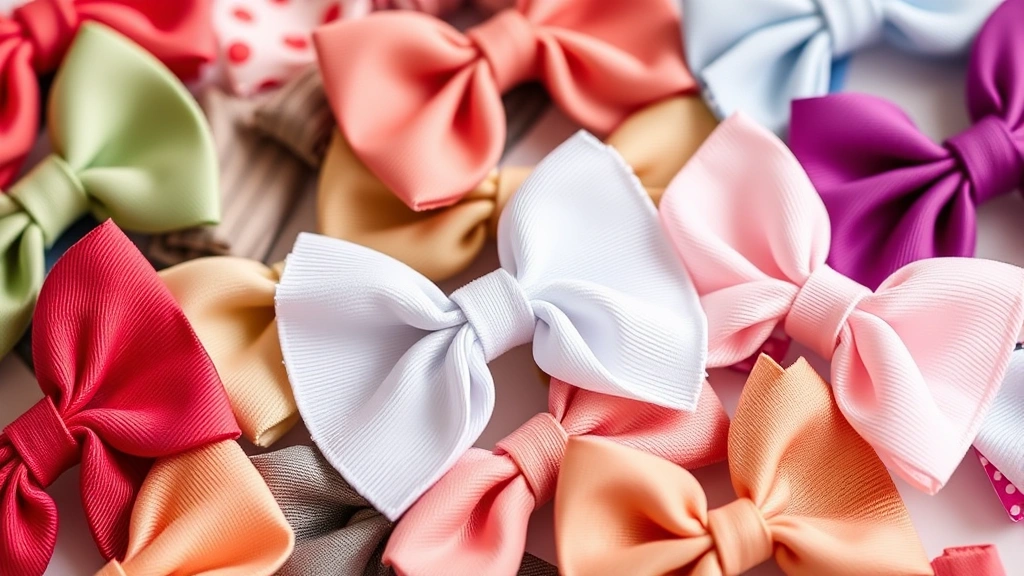
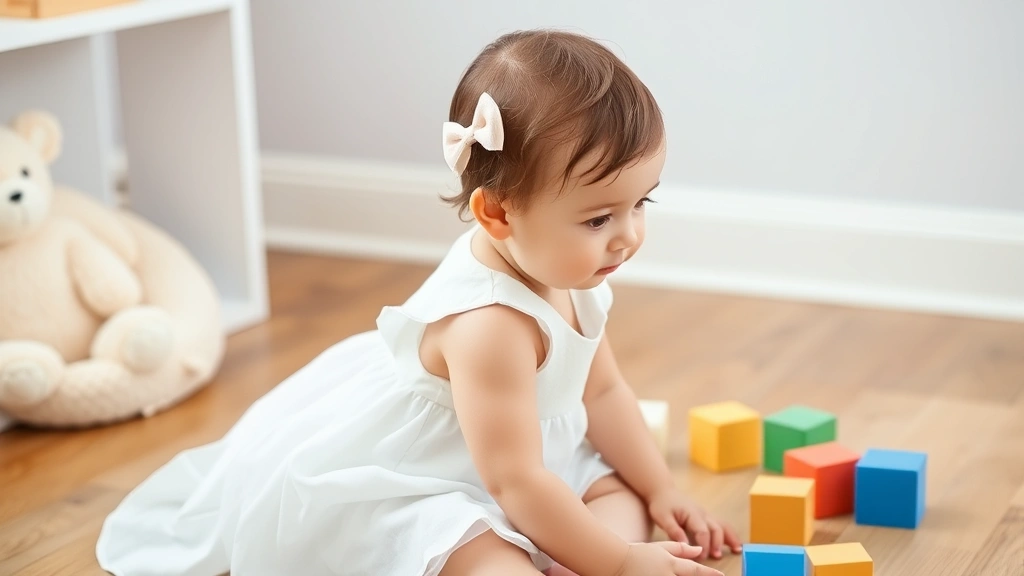
Classic and Timeless: Solid-colored bows in white, cream, pink, or navy never go out of style. They coordinate with multiple outfits and photograph beautifully. Classic bows work for everyday wear and special occasions alike. These are the workhorses of any bow collection.
Patterned and Playful: Polka dots, stripes, florals, and gingham patterns add personality. Patterned bows let you express creativity while keeping a coordinated look. They’re particularly fun for seasonal celebrations or themed photo shoots.
Oversized Statement Bows: Large, dramatic bows make a bold statement. They photograph wonderfully and create an undeniably charming look. Statement bows work best for special occasions rather than everyday wear, as they can be uncomfortable for extended periods.
Minimalist Designs: Understated, simple bows appeal to parents preferring a more subtle aesthetic. Tiny bows or bow hairclips in neutral tones complement any outfit without overwhelming baby’s features. These work beautifully for everyday wear.
Seasonal Options: Consider building a small collection that reflects seasons. Pastels and florals for spring, bright colors for summer, warm tones for fall, and metallics or jewel tones for winter. This approach keeps your selection fresh without requiring an enormous wardrobe.
When selecting bows to complement clothing, remember that you’re building a collection that works with your existing wardrobe. Consider the colors you already own and choose bows that coordinate. This maximizes outfit combinations and ensures you’ll actually use what you buy. Whether you’re shopping for baby girl dresses or everyday wear, coordinating bows makes getting dressed easier.
Practical Tips for Everyday Wear
Knowing how to use bows effectively ensures they stay in place and your baby remains comfortable throughout the day.
Proper Placement: For clip-on bows, position them on the side of the head rather than the back, where baby might pull them. Side placement also photographs better and looks more intentional. Ensure the clip isn’t positioned where it could catch hair painfully or irritate the scalp.
Hair Preparation: If your baby has enough hair, gently brush it before placing a bow. This prevents tangles and ensures the bow sits smoothly. Use a soft brush designed for baby hair to avoid irritation. Even babies with minimal hair benefit from gentle brushing before accessory placement.
Frequency of Wear: Babies don’t need to wear bows daily. Rotating accessories prevents hair from being constantly pulled in the same direction, reducing potential breakage and discomfort. Save special bows for outings or photo opportunities.
Comfort Monitoring: Watch for signs of discomfort. If baby constantly reaches for the bow, appears irritated, or develops red marks, remove it immediately. Some babies simply prefer being bow-free, and that’s perfectly fine. Forcing uncomfortable accessories defeats the purpose of looking cute.
Combination Approach: Mix bow accessories with other options. Consider soft baby hat styles that coordinate with bows, allowing variety without relying solely on hair accessories. Hats with attached bows offer security and comfort for outdoor activities.
Quick-Release Options: Choose bows with easy-release mechanisms for practical everyday use. Velcro closures, magnetic attachments, or snap features make removing bows quick and painless. This encourages you to use accessories more frequently since putting them on and taking them off isn’t a production.
Special Occasions and Statement Pieces
Special moments deserve special accessories. Building a collection of occasion-specific bows ensures you’re prepared for memorable events.
Holiday Celebrations: Festive bows in holiday colors—red and green for Christmas, pastels for Easter, orange and black for Halloween—add seasonal charm. Metallic bows work for New Year celebrations and winter events. Holiday bows photograph beautifully and create lasting memories.
Milestone Moments: Baby showers, birth announcements, first photos, and milestone celebrations deserve special accessories. Oversized bows, bows with embellishments, or bows in metallic fabrics create impact for these significant moments. These are perfect times to splurge on higher-quality or more elaborate pieces.
Formal Events: Weddings, baptisms, and formal family gatherings call for elegant bows. Satin bows, bows with subtle embellishment, or bows in jewel tones work beautifully for formal occasions. Coordinate the bow color with the outfit to create a polished, intentional appearance.
Photo Sessions: Professional photos deserve carefully selected bows. Choose pieces that complement the photography style and setting. Neutral bows work for timeless photos, while themed bows work for themed sessions. Avoid overly trendy styles that might look dated when you review photos years later.
When planning for special occasions, consider adding bows to your baby registry must haves list. Grandparents and family friends often appreciate specific accessory suggestions for gift-giving, and quality occasion bows make thoughtful gifts.
Care and Maintenance
Proper care extends the life of your baby bows and keeps them looking fresh and beautiful.
Regular Cleaning: Baby accessories accumulate drool, food, and general grime. Most cotton and grosgrain bows can be hand-washed with gentle soap and cool water. Lay flat to dry to maintain shape. For delicate materials like satin or velvet, spot-clean with a damp cloth when possible.
Storage Solutions: Store bows in a dry location away from direct sunlight to prevent fading. A small drawer organizer, hanging shoe holder, or dedicated box keeps bows organized and easy to access. Proper storage prevents bows from becoming crushed or tangled.
Damage Prevention: Inspect bows regularly for loose stitching, fraying edges, or damaged clips. Address minor issues immediately to prevent them from worsening. Replace bows showing significant wear or damage, as they may pose safety risks.
Seasonal Rotation: Store off-season bows in a separate container. This keeps your accessible collection manageable and ensures you’re using season-appropriate pieces. Rotation also prevents excessive wear on favorite bows.
Travel Considerations: When traveling, pack only the bows you’ll actually use. A small cosmetic bag holds several bows and takes minimal luggage space. This prevents unnecessary wear and makes packing lighter.
Frequently Asked Questions
At what age can babies safely wear bows?
Newborns can wear soft headbands with attached bows from birth, as these won’t come loose or become choking hazards. Clip-on bows are generally safer from three months onward, once babies have enough hair for clips to grip securely. Always supervise babies wearing any hair accessories and remove them before sleep or unsupervised time.
Are clip-on bows or headbands better for babies?
Both options have advantages. Headbands are more secure and won’t accidentally fall into baby’s face, making them ideal for younger infants. Clip-on bows are easier to adjust and remove, making them practical for older babies with more hair. Choose based on your baby’s age and comfort level. Many parents use both options depending on the situation.
How do I prevent bows from causing hair breakage?
Rotate bow placement to avoid constant tension on the same hair. Don’t wear bows excessively—alternate with bow-free days. Ensure clips aren’t pulling hair too tightly. Use soft padding on clips to reduce pressure. If your baby has minimal hair, consider headband-style bows instead of clips. Gentle handling and avoiding overly tight fastening prevents hair damage.
Can babies with sensitive skin wear bows?
Yes, but choose carefully. Opt for hypoallergenic materials like organic cotton or bamboo fabric. Avoid synthetic materials and bows with chemical coatings. Wash new bows before first wear to remove any manufacturing residues. If your baby has eczema or severe sensitivity, test a bow on a small area first and watch for reactions. Some babies simply do better without hair accessories touching their scalp.
What’s the difference between baby bow styles and regular bows?
Baby-specific bows are designed with safety as the priority. They feature secure attachment mechanisms, no small detachable parts, soft materials, and appropriate sizing for infant heads. Regular bows designed for older children or adults may have small embellishments, sharp edges, or attachment methods unsuitable for babies. Always purchase bows specifically marketed for infants rather than assuming adult accessories are safe.
How many bows should I actually own?
There’s no magic number—it depends on your lifestyle and preferences. A practical starter collection includes five to ten versatile bows in neutral colors that coordinate with existing clothing. If you enjoy dressing baby up frequently or love having options, twenty to thirty bows allows variety without excessive storage. Quality matters more than quantity; five beautiful, well-made bows serve better than dozens of cheap alternatives.
Are expensive bows worth the investment?
Higher-quality bows from reputable brands often feature better materials, superior stitching, and more secure attachment mechanisms. They typically last longer and photograph better. For special occasion bows or pieces you’ll use frequently, investing in quality makes sense. For everyday bows, a mix of quality and budget-friendly options works well. Consider your lifestyle and how frequently you’ll use each piece when making investment decisions.
Can I make my own baby bows?
Absolutely! DIY bows allow complete customization and can be very economical. However, prioritize safety by ensuring secure stitching, no small detachable parts, and appropriate sizing. Use soft, baby-safe materials. If you’re not confident in your sewing skills, focus on simpler designs or purchase bow-making kits specifically designed for baby accessories. Handmade bows also make meaningful gifts for baby showers.