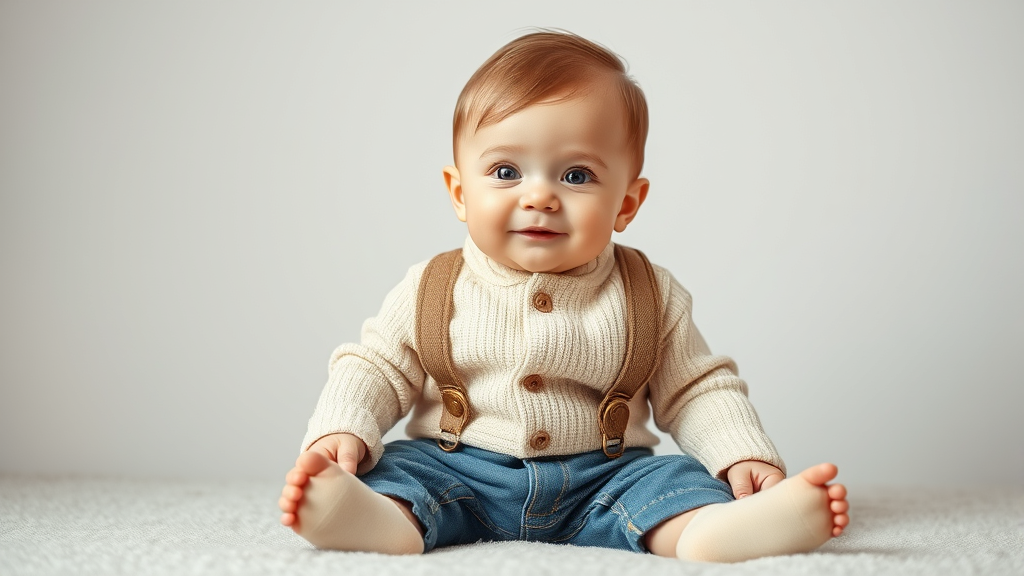
Dressing your baby boy is one of the most delightful aspects of parenthood, combining practicality with adorable style. From his first days home to his toddling adventures, choosing the right outfits can make daily routines smoother while keeping your little one comfortable and looking absolutely precious. The world of baby boy clothes offers endless possibilities, from classic onesies to trendy rompers that make every photo opportunity perfect.
Whether you’re a new parent navigating your first clothing purchases or looking to refresh your little one’s wardrobe, finding the perfect balance between style and comfort doesn’t have to be overwhelming. With the right knowledge about fabrics, sizing, and seasonal considerations, you can create a versatile wardrobe that grows with your baby while ensuring he stays cozy and happy throughout his daily adventures.
Essential Basics Every Baby Boy Needs
Building a functional wardrobe for your baby boy starts with investing in quality basics that can be mixed, matched, and layered throughout different seasons. These foundational pieces form the backbone of his closet and provide the versatility you need as a busy parent.
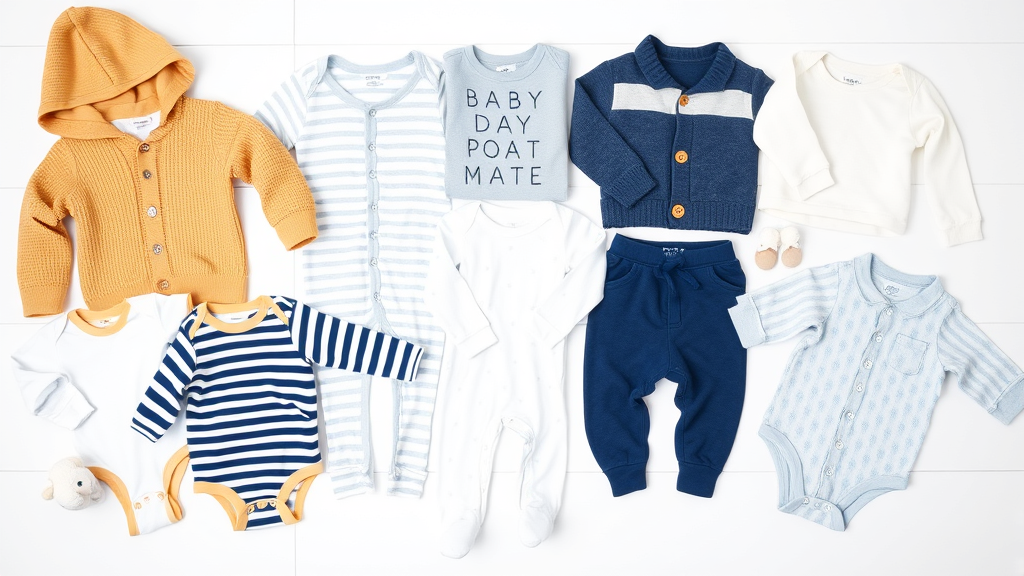
Onesies are absolutely essential and should make up a significant portion of your baby’s wardrobe. Look for long-sleeved and short-sleeved options in neutral colors like white, gray, and navy blue, as well as fun patterns and prints. These versatile pieces work as standalone outfits during warmer months or as base layers under other clothing. The American Academy of Pediatrics recommends having at least 8-10 onesies in your newborn’s size to account for frequent changes.
Sleepers and pajamas are crucial for comfortable nights and cozy days at home. Choose options with easy-access snaps or zippers for quick diaper changes, and consider footed styles to keep tiny toes warm. Soft cotton or bamboo fabrics work best for these essential pieces, ensuring your baby stays comfortable throughout the night.
Pants and leggings in comfortable, stretchy materials provide freedom of movement for active babies. Look for styles with elastic waistbands and consider both solid colors and playful patterns. Having a variety of weights – from lightweight cotton for summer to fleece-lined options for winter – ensures your baby stays comfortable year-round.
Seasonal Outfit Ideas
Adapting your baby boy’s wardrobe to seasonal changes requires thoughtful planning and the right combination of pieces. Each season brings unique challenges and opportunities for creating both practical and stylish looks.
Spring calls for light layers and breathable fabrics as temperatures fluctuate throughout the day. Consider pairing a lightweight onesie with a cardigan sweater and soft cotton pants. Add a sun hat for outdoor adventures and choose footwear like soft-soled shoes or breathable socks. Pastel colors and floral prints work beautifully during this season of renewal.
Summer outfits should prioritize breathability and sun protection. Lightweight rompers in cotton or linen blends keep babies cool while looking adorable. Short-sleeved onesies paired with comfortable shorts create perfect play outfits. Don’t forget essential accessories like sun hats with wide brims and UV-protective clothing for extended outdoor time. According to KidsHealth, protecting babies from sun exposure is crucial for their developing skin.
Fall fashion allows for cozy layers and rich, warm colors. Combine long-sleeved onesies with vests or light sweaters, paired with comfortable pants and soft booties. Earth tones, deep blues, and warm oranges create beautiful autumn looks. Consider adding lightweight jackets or hoodies for cooler days.
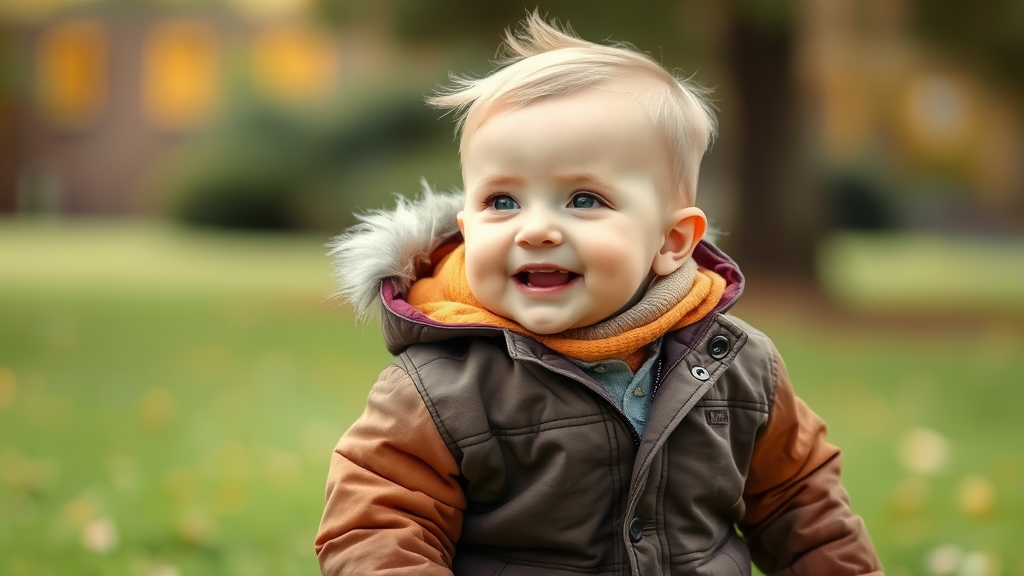
Winter dressing requires careful layering to keep your baby warm without overheating. Start with a base layer onesie, add a warm sweater or fleece, and top with a winter coat when going outside. Warm pants, thick socks, and winter boots complete the look. Remember that babies can overheat quickly, so dress them in one more layer than you would wear yourself.
Special Occasion Looks
Special occasions call for outfits that are both memorable and appropriate for the event while maintaining your baby’s comfort. Creating these looks doesn’t require expensive designer pieces – thoughtful styling can elevate basic items into special occasion worthy ensembles.
For family gatherings and holidays, consider classic combinations like a button-down shirt with suspenders and comfortable pants. This timeless look photographs beautifully and can be adapted for different seasons by varying the sleeve length and fabric weight. Add a bow tie or regular tie for extra formality, and complete the look with dress shoes or polished sneakers.
Birthday parties and celebrations offer opportunities for fun, festive outfits. Bright colors, playful patterns, and themed accessories can make your baby boy the star of the celebration. Consider outfits with birthday-themed graphics or colors that match the party theme while ensuring the fabrics remain comfortable for active play.
Religious ceremonies and formal events require more sophisticated styling. A well-fitted dress shirt paired with dress pants or a cute romper in a solid, muted color works perfectly. Add dress shoes and consider a cardigan or blazer for extra formality. Keep accessories minimal and ensure all pieces allow for easy movement and diaper changes.
Photo sessions deserve special attention to detail. Neutral colors, classic patterns, and timeless styles photograph beautifully and won’t look dated in years to come. Consider the session’s setting and choose colors that complement rather than compete with the background. Comfort is crucial since uncomfortable babies rarely cooperate for photos.
Fabric Choices for Maximum Comfort
The fabric you choose for your baby boy’s clothes directly impacts his comfort, skin health, and overall happiness. Understanding different fabric properties helps you make informed decisions that keep your little one comfortable throughout the day.
Cotton remains the gold standard for baby clothing due to its breathability, softness, and hypoallergenic properties. Organic cotton offers additional benefits by avoiding potentially harmful chemicals and pesticides. Look for 100% cotton options, especially for items that come into direct contact with your baby’s skin like onesies and sleepwear.
Bamboo fabric has gained popularity for its incredible softness and natural antibacterial properties. It’s highly breathable and moisture-wicking, making it excellent for active babies or warmer climates. Bamboo clothing often feels silky smooth against delicate skin and maintains its softness wash after wash.
Merino wool provides excellent temperature regulation, keeping babies warm in cool weather and cool in warm weather. Unlike traditional wool, merino is soft and typically doesn’t cause itching. It’s naturally odor-resistant and moisture-wicking, making it ideal for outer layers and sleep wear.
Avoid synthetic fabrics like polyester for base layers, as they can trap heat and moisture against your baby’s skin. However, synthetic blends can work well for outer layers and special occasion wear when comfort isn’t the primary concern. Always check fabric content labels and prioritize natural fibers for items worn closest to the skin.
Sizing and Growth Considerations
Understanding baby sizing and planning for rapid growth prevents wardrobe frustrations and ensures you always have appropriate clothing available. Babies grow at remarkable rates, especially during their first year, making sizing strategy crucial for both budget and practicality.
Baby sizes typically correspond to age ranges, but individual babies vary significantly in their growth patterns. Rather than relying solely on age, consider your baby’s current weight and height when selecting sizes. Many parents find success in buying a mix of current size and the next size up to accommodate growth spurts.
The general rule for baby clothing purchases involves having more items in larger sizes than smaller ones. Newborn sizes are quickly outgrown, while 3-6 month and 6-9 month sizes typically have longer wear periods. Stock up on basics in these larger sizes while being more selective with newborn purchases.
Consider the season when your baby will wear specific sizes. If your baby is born in winter, they’ll likely need summer clothes in larger sizes as they grow. Planning ahead prevents last-minute shopping trips and ensures appropriate seasonal clothing is always available.
Hand-me-downs and clothing swaps with other parents can significantly extend your clothing budget while providing variety. Many baby clothes are gently used due to rapid growth, making secondhand options both economical and environmentally friendly. Just ensure all items meet current safety standards and are in good condition.
Coordinating Outfits and Accessories
Creating cohesive, stylish looks for your baby boy involves understanding basic color coordination and knowing how to incorporate accessories effectively. With a few simple principles, you can create outfits that look intentionally styled rather than randomly assembled.
Start with a neutral base and add one or two accent colors for visual interest. Navy, gray, white, and beige work as excellent foundation colors that pair well with brighter accent shades. This approach makes mixing and matching easier while ensuring outfits always look coordinated.
Pattern mixing can create visually interesting outfits when done thoughtfully. Combine patterns of different scales – pair a small polka dot with a larger stripe, or mix a subtle check with a bold geometric print. Keep one element solid to ground the look and prevent it from becoming overwhelming.
Accessories add personality and complete outfits without requiring significant investment. Hats, socks, and shoes in coordinating colors tie looks together beautifully. Consider practical accessories like bibs that complement the outfit’s color scheme, turning necessary items into stylish elements.
Layering creates depth and visual interest while providing practical temperature control. Combine different textures and weights for dynamic looks – try a soft cotton onesie under a textured knit sweater, or add a denim jacket over a striped shirt. Each layer should complement the others in both color and style.
Budget-Friendly Shopping Tips
Building a stylish wardrobe for your baby boy doesn’t require breaking the bank. Smart shopping strategies and timing can help you create a comprehensive clothing collection while maintaining your budget and ensuring your little one always looks great.
End-of-season sales offer excellent opportunities to purchase clothing for the following year. Buy winter clothes at the end of winter and summer items at the end of summer, sizing up appropriately for your baby’s expected growth. This strategy can save 50-70% on clothing costs while ensuring you’re prepared for upcoming seasons.
Consignment shops and online marketplaces provide access to quality baby clothes at fraction of retail prices. Many baby clothes are barely worn due to rapid growth, making secondhand options both economical and environmentally responsible. Focus on purchasing basics and timeless pieces secondhand while buying special items new.
Clothing subscription services and rental options offer alternatives to traditional purchasing, especially for special occasion wear or trying new brands. These services can provide variety without the commitment of purchase, though they work best for parents who enjoy regular wardrobe updates.
Investment pieces like quality outerwear, shoes, and special occasion outfits justify higher prices due to their durability and longer wear periods. Balance these investments with budget-friendly basics from discount retailers, creating a wardrobe that combines quality and value effectively.
For new parents navigating these choices, our parenting advice guide offers additional insights into making smart decisions during your baby’s early months. Similarly, new dads and first-time fathers can benefit from understanding how clothing choices fit into broader parenting considerations.
Frequently Asked Questions
How many outfits does a newborn baby boy need?
A newborn typically needs 7-10 complete outfits in newborn and 0-3 month sizes combined. This includes 8-10 onesies, 6-8 sleepers, 4-6 pairs of pants, and several tops. Having extras is important since babies go through multiple outfit changes daily due to spit-up, diaper leaks, and general messiness. According to Zero to Three, focusing on comfort and easy care should be your priority during the newborn stage.
What fabrics should I avoid for baby boy clothes?
Avoid rough textures like coarse wool, synthetic fabrics with poor breathability like polyester for base layers, and any fabrics treated with harsh chemicals or flame retardants. Also steer clear of fabrics with loose threads, sequins, or small decorative elements that could pose choking hazards. Stick to soft, natural, breathable fabrics like cotton, bamboo, or merino wool that won’t irritate your baby’s sensitive skin.
When should I size up my baby boy’s clothing?
Size up when current clothes become difficult to put on, leave red marks on your baby’s skin, or when onesies no longer snap comfortably at the crotch. Generally, if clothing fits snugly rather than comfortably, it’s time for the next size. Many parents find it helpful to have the next size up ready before it’s needed, as babies can have sudden growth spurts that make current clothes unwearable overnight.
Are expensive baby boy clothes worth the investment?
Expensive clothes can be worth it for special pieces like outerwear, shoes, or heirloom items, but everyday basics don’t require premium pricing. Focus your budget on items that see heavy use or need to last through multiple children. Quality basics from mid-range brands often provide the best value, offering durability and comfort without luxury pricing. Remember that babies outgrow clothes quickly, regardless of their cost.
How do I dress my baby boy for different weather conditions?
Layer appropriately for the weather, using the rule of dressing your baby in one more layer than you’d wear yourself. In hot weather, choose lightweight, breathable fabrics and minimal layers. For cold weather, layer with a base onesie, warm middle layer, and appropriate outerwear. Always check for signs of overheating or being too cold by feeling your baby’s chest or back of the neck. The American Academy of Pediatrics provides detailed guidance on appropriate dressing for different temperatures.
What are the most versatile pieces for a baby boy’s wardrobe?
The most versatile pieces include solid-colored onesies in white, gray, and navy; comfortable leggings or pants in neutral colors; cardigan sweaters that work as layers; and simple rompers that work alone or with layers. These pieces can be mixed and matched to create numerous outfit combinations, work across seasons with appropriate layering, and transition easily from play time to more formal occasions with the right accessories.
How often should I wash my baby boy’s clothes?
Wash baby clothes after each wear, especially items that come into direct contact with skin like onesies and sleepwear. Outer layers like sweaters or jackets may be worn multiple times if they remain clean and odor-free. Use gentle, fragrance-free detergents designed for sensitive skin, and wash baby clothes separately from adult clothing when possible. Pre-treat stains immediately for best results, and consider having backup outfits ready while others are being washed.