How to Care for Baby Bunnies: Expert Guide
Finding a tiny, helpless baby bunny can stir up immediate parental instincts—even in those of us without children. These delicate creatures are undeniably adorable, but caring for them requires knowledge, patience, and a genuine commitment to their wellbeing. Whether you’ve discovered orphaned baby bunnies in your yard or are considering raising them as pets, understanding their specific needs is absolutely crucial.
The unfortunate reality is that many well-meaning people inadvertently harm baby rabbits through misguided care. From improper feeding techniques to handling mistakes, the stakes are genuinely high. This comprehensive guide will walk you through everything you need to know about nurturing these vulnerable creatures from their earliest days through their transition to independence or pet life.
Unlike human infants who require constant interaction, young rabbits thrive when given proper nutrition, appropriate housing, and minimal stress. The key to success lies in understanding their biology and respecting their natural instincts. Let’s explore the essential aspects of baby animal care specific to rabbits.
Understanding Baby Rabbit Development Stages
Rabbits develop remarkably quickly. A newborn baby rabbit born hairless and blind will transform dramatically within just two to three weeks. Understanding these developmental milestones helps you provide appropriate care at each stage.
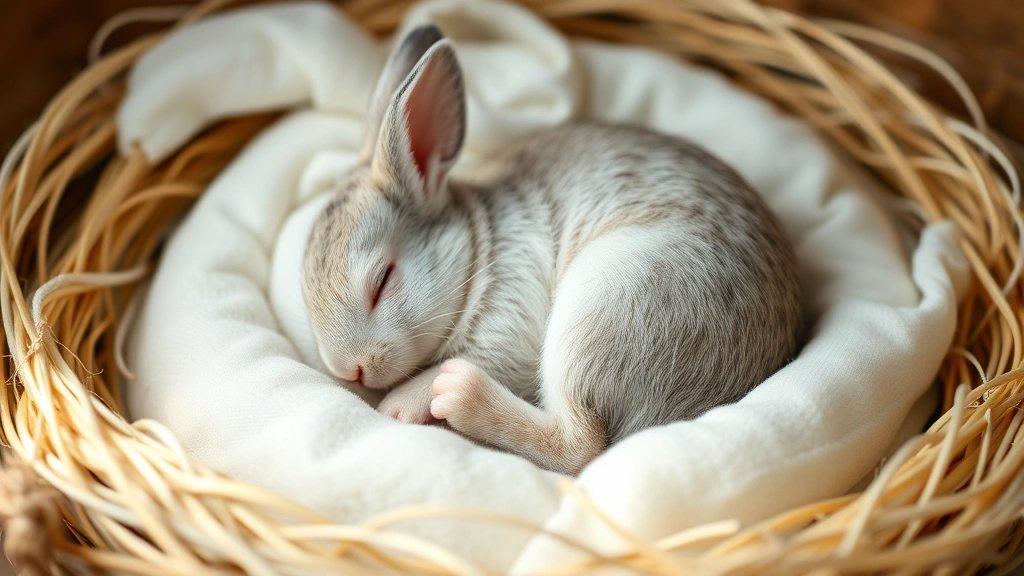
Newborn to Two Weeks: During this critical period, young rabbits are entirely dependent on their mother for nutrition and warmth. Their eyes remain closed, and they’re vulnerable to temperature fluctuations. If you’re caring for orphaned kits, you’ll need to replicate maternal care through bottle feeding and temperature regulation.
Two to Four Weeks: Eyes open around day ten to twelve, and ears become more prominent. The kits develop fur and begin showing interest in solid food, though they still rely heavily on milk. This is when personality differences become noticeable—some bunnies are bold explorers while others remain cautious.
Four to Eight Weeks: Weaning typically begins around three to four weeks and continues through week eight. Young rabbits become increasingly independent, playing more actively and eating more solid food. They’re still nursing but transitioning toward self-sufficiency.
Eight Weeks and Beyond: By eight weeks, most rabbits are fully weaned and ready for new homes or independence. They’ve developed stronger bones, better coordination, and established personalities. This is an excellent time to assess whether your cute babies—whether human or fuzzy—will benefit from a bunny companion.
Assessing Whether Intervention Is Actually Needed
Before diving into intensive care, honestly evaluate whether the baby rabbits actually need human intervention. Many people find young rabbits and assume they’re orphaned when their mother is actually nearby, caring for them.
Mother rabbits nurse their young only once or twice daily, typically in early morning or evening. The rest of the time, they stay away from the nest to avoid attracting predators. If you’ve found baby rabbits that appear alone, the mother is likely close by and will return.
Signs the Mother Is Still Caring: Check the babies’ bellies—if they’re round and full, nursing is happening. Feel their skin; it should be warm and slightly elastic. Observe from a distance for several hours. If the mother hasn’t returned after twelve hours and the babies show signs of distress (sunken bellies, cold skin, lethargy), intervention becomes necessary.
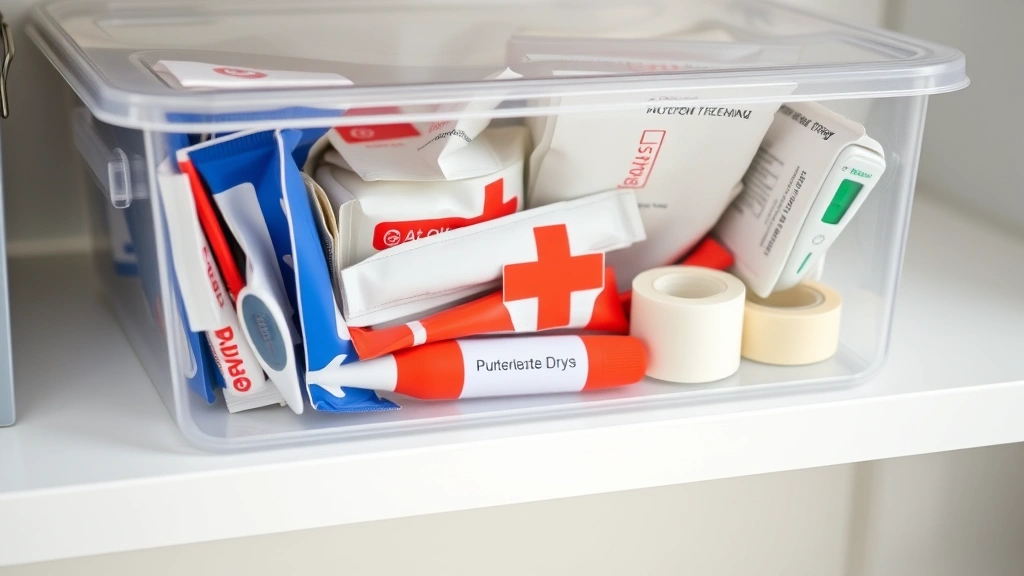
When to Contact Professionals: Reach out to a local wildlife rehabilitator or veterinarian before attempting care yourself. These experts can guide you through assessment and provide resources. Many areas have dedicated rabbit rescue organizations that specialize in orphaned kits and can offer invaluable support.
If you’re raising baby pets intentionally, ensure you’re working with a reputable breeder or rescue organization that provides health history and guidance.
Creating the Ideal Living Environment
Baby rabbits require specific environmental conditions to thrive. Temperature regulation is perhaps the most critical factor, as young kits cannot thermoregulate effectively until around three weeks old.
Temperature Control: Maintain an ambient temperature between 85-90°F (29-32°C) for newborns through two weeks. Use a heating pad set on low, placed under bedding in a corner of the enclosure so kits can move away if they become too warm. A thermometer ensures you’re maintaining proper temperatures. By four weeks, you can gradually reduce temperature to 75-80°F (24-27°C).
Housing Setup: Use a small box or enclosure with high sides to prevent escape and contain heat. Line the bottom with soft, absorbent bedding—aspen shavings work well, though avoid cedar and pine which are toxic to rabbits. Cover the bedding with soft hay or paper bedding for additional comfort and warmth retention.
Nesting Material: Create a cozy nest area using unscented tissues, paper bedding, or straw. The nest should be slightly elevated and separate from the main living area, mimicking a natural burrow. This gives babies a secure space and helps with toilet training as they mature.
Ventilation and Cleanliness: Ensure adequate air circulation to prevent ammonia buildup from urine. Clean the enclosure daily, removing soiled bedding and uneaten fresh food. Fresh water should be available at all times once they’re eating solid food.
Lighting: Provide a consistent light-dark cycle, approximately twelve hours of light and twelve hours of darkness. This supports healthy circadian rhythms and reduces stress.
Nutrition and Feeding Guidelines
Proper nutrition is fundamental to survival and healthy development. Feeding orphaned baby rabbits requires precision, as incorrect formula or technique can cause serious digestive issues or aspiration pneumonia.
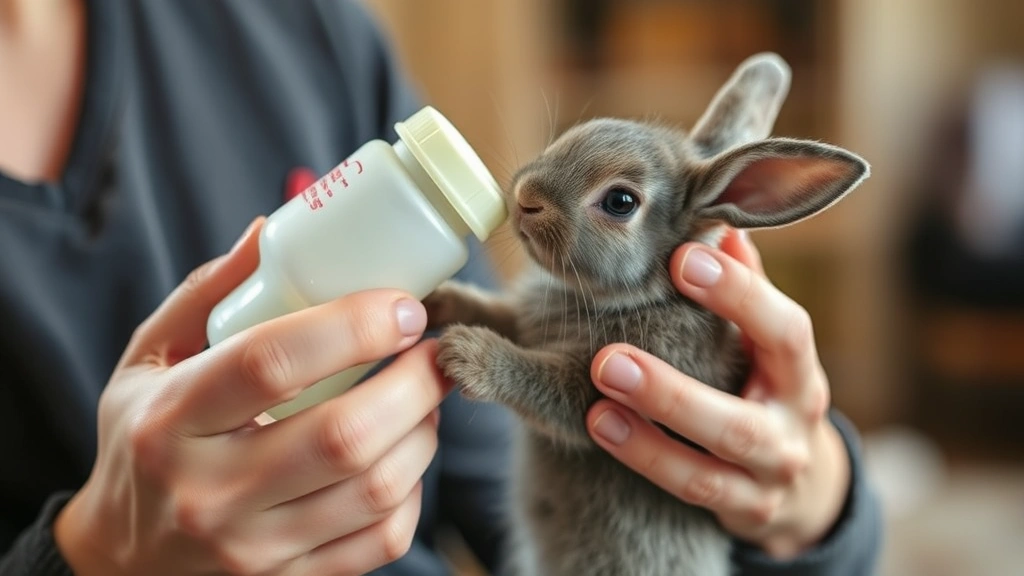
Bottle Feeding Newborns: Use a specialized small animal bottle or syringe with a soft nipple designed for rabbits. Never use regular baby bottles—the nipple holes are too large and can cause aspiration. Prepare formula specifically formulated for rabbits; AAFCO-approved rabbit formulas are your best option. Never use cow’s milk, which causes digestive upset in rabbits.
Feeding Schedule and Amounts: Newborns require feeding every two to three hours, including overnight feedings. Amounts vary by age and individual kit size, but generally start with 2-3 mL per feeding for tiny newborns, increasing to 5-7 mL by two weeks. Weigh kits daily to ensure steady growth—they should gain 5-10 grams daily.
Feeding Technique: Hold the bunny upright or at a slight angle, never on its back like a human infant. Allow the kit to suckle at its own pace; never squeeze formula into its mouth. Gently stroke the bunny’s chin to encourage swallowing. After feeding, gently massage the belly to stimulate digestion and toilet function, as mother rabbits do naturally.
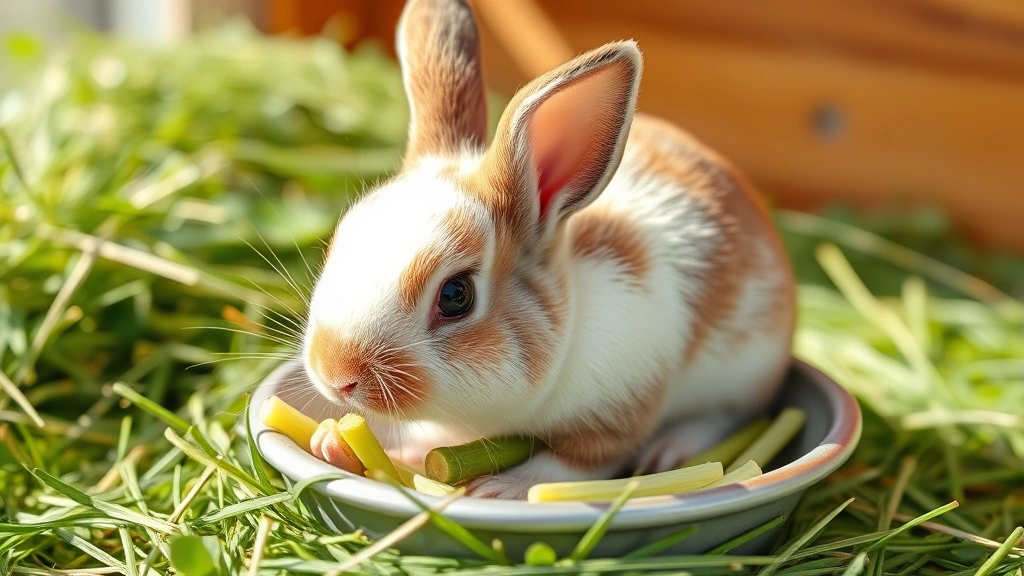
Transitioning to Solid Food: Around three to four weeks, introduce timothy hay and high-quality pellets formulated for young rabbits. Offer small amounts alongside continued bottle feeding. By five to six weeks, gradually reduce formula as solid food intake increases. Complete weaning typically occurs by eight weeks.
Water Introduction: Begin offering water in a shallow dish or bottle around three weeks of age. Some kits take to it immediately while others need encouragement. Ensure water is always clean and fresh.
Dietary Essentials for Growing Rabbits: Young rabbits require timothy hay as their primary food source, supplemented with age-appropriate pellets (12-14% protein for young rabbits). Introduce vegetables gradually around four weeks—leafy greens like romaine lettuce, cilantro, and parsley are excellent choices. Avoid high-sugar vegetables and fruits initially; these can be offered occasionally as treats once the bunny is older.
Health Monitoring and Common Issues
Baby rabbits are susceptible to various health challenges. Regular monitoring and quick intervention can mean the difference between recovery and serious complications.
Digestive Issues: The most common health problem in young rabbits is gastrointestinal stasis, where digestion slows or stops entirely. Signs include decreased appetite, lethargy, reduced droppings, or diarrhea. This can develop rapidly and become life-threatening. Causes include improper diet, stress, or bacterial overgrowth. Contact a veterinarian immediately if you notice these symptoms.
Respiratory Infections: Sneezing, nasal discharge, or labored breathing indicate respiratory issues. These can progress quickly in young rabbits. Maintain proper temperature, reduce stress, and seek veterinary care promptly. The American Association of Veterinary Societies recommends working with exotic animal veterinarians experienced with rabbits.
Parasites: Internal parasites like coccidia can cause diarrhea and failure to thrive. External parasites like fleas and mites cause discomfort and potential infection. Have your vet assess for parasites and recommend appropriate treatment.
Aspiration Pneumonia: Improper feeding technique can allow formula to enter the lungs, causing pneumonia. Signs include wheezing, labored breathing, and lethargy. This is a serious condition requiring immediate veterinary intervention. Proper feeding technique—keeping the bunny upright and allowing self-paced nursing—prevents this complication.
Finding a Rabbit-Savvy Veterinarian: Not all veterinarians are experienced with rabbits. Seek out exotic animal specialists or veterinarians specifically trained in rabbit medicine. The House Rabbit Society provides a veterinarian directory to help you locate qualified professionals.
Handling and Socialization Best Practices
While baby rabbits need minimal handling compared to other pets, appropriate socialization during their early weeks influences their temperament and comfort with humans throughout their lives.
Minimizing Stress: Excessive handling causes stress, which compromises immune function and digestion. Limit interactions to feeding, cleaning, and necessary care during the first two weeks. As kits mature and become more mobile, gradually increase gentle interaction.
Proper Handling Technique: Always support the hindquarters when holding a baby rabbit. Their spines are delicate, and improper support can cause injury. Never grab them by the ears or allow children to squeeze them. Short, gentle sessions work best—a few minutes several times daily is ideal.
Socialization Window: The critical socialization period occurs between three and ten weeks of age. During this time, positive experiences with handling, sounds, and gentle touches help create confident, friendly adult rabbits. Expose kits to various experiences in a controlled, stress-free manner.
Environmental Enrichment: Provide tunnels, boxes, and toys appropriate for their developmental stage. Even young rabbits enjoy exploring and playing. Enrichment reduces stress and supports healthy physical and mental development.
Litterbox Training: Rabbits naturally use specific areas for elimination. Provide a small litterbox in the corner where they typically go. Most young rabbits naturally gravitate toward this, making training relatively straightforward. Consistency and patience are key.
Transitioning to Independence
The transition from dependent kit to independent rabbit marks a significant milestone. Whether your babies are returning to the wild or joining a household as pets, this phase requires thoughtful planning.
Physical Readiness Signs: By eight weeks, fully weaned rabbits demonstrate independence indicators: they eat solid food confidently, consume minimal or no formula, maintain steady weight, and show increased activity and exploration. Their coordination improves significantly, and they begin exhibiting natural behaviors like binky (jumping joyfully) and tooth-purring.
For Orphaned Wild Rabbits: If you’ve been caring for wild babies, consult with your local wildlife rehabilitator about release timing and location. Most jurisdictions have specific regulations about releasing wild animals. Proper release ensures the rabbits have access to appropriate habitat and food sources, maximizing survival chances.
For Pet Rabbits: By eight weeks, young rabbits are ready for their permanent homes. Ensure new owners understand rabbit care requirements, dietary needs, and the importance of spaying/neutering. Rabbits are social animals; consider whether your bunny will have a bonded companion. Many rescue organizations recommend adopting pairs for better long-term happiness.
Continued Care Requirements: Adult rabbits require ongoing attention to nutrition, healthcare, enrichment, and socialization. Regular veterinary check-ups, a consistent diet of quality hay and pellets, fresh vegetables, and ample space for exercise support long, healthy lives. The AAFCO provides guidelines for rabbit nutrition throughout their lifespan.
Frequently Asked Questions
What should I do if I find baby rabbits in my yard?
First, observe from a distance for several hours. If the mother returns and the babies appear healthy and well-fed, leave them undisturbed—she’s caring for them appropriately. If you’re concerned after twelve hours, contact a local wildlife rehabilitator for guidance. Avoid unnecessary handling, which causes stress and can result in the mother abandoning the litter.
Can I feed baby rabbits cow’s milk?
Absolutely not. Cow’s milk is inappropriate for rabbit digestion and causes severe diarrhea and potentially fatal dehydration. Always use rabbit-specific formula designed for orphaned kits. Your veterinarian can recommend appropriate brands and suppliers.
How long do baby rabbits need bottle feeding?
Most rabbits transition from bottle feeding to solid food between five and eight weeks of age. The timeline varies based on individual development and solid food intake. By eight weeks, fully weaned rabbits typically consume no formula, relying entirely on hay, pellets, vegetables, and water.
What temperature should I maintain for baby rabbits?
Newborns through two weeks require 85-90°F (29-32°C). Gradually reduce temperature to 75-80°F (24-27°C) by four weeks. Use a heating pad under bedding and monitor with a thermometer. Proper temperature is critical for survival, as young kits cannot regulate body heat independently.
When can baby rabbits go outside?
If raising pet rabbits, they can transition to outdoor housing around twelve weeks of age, provided temperatures remain moderate. Ensure secure housing protecting from predators and weather extremes. For wild rabbits, release timing depends on species, local climate, and rehabilitator recommendations—typically around eight to ten weeks.
Do baby rabbits need vaccinations?
Vaccination requirements depend on your location and rabbit type. Consult with your veterinarian about appropriate vaccines for your specific situation. Pet rabbits in certain areas may benefit from vaccines against rabbit hemorrhagic disease, while wild rabbits typically don’t receive vaccines.
How do I know if my baby rabbit is healthy?
Healthy baby rabbits have round, full bellies indicating adequate nutrition, warm skin, alert eyes, and responsive behavior. They should gain weight consistently (5-10 grams daily for young kits), produce regular droppings, and show increasing activity as they mature. Any deviation from these indicators warrants veterinary consultation.
What’s the best diet for growing rabbits?
High-quality timothy hay should comprise the majority of their diet. Supplement with age-appropriate pellets (12-14% protein for young rabbits), fresh leafy greens starting around four weeks, and unlimited fresh water. Avoid high-sugar foods, treats with artificial ingredients, and inappropriate vegetables until they’re older.