Caring for Baby Bunnies: A Complete Guide to Raising Happy, Healthy Rabbits
So you’ve decided to bring home a baby bunny—congratulations on your adorable new family member! Whether you’re a first-time rabbit parent or expanding your furry household, caring for young rabbits requires specific knowledge and genuine commitment. These delicate creatures aren’t quite like other baby animals you might encounter; they have unique dietary needs, environmental requirements, and behavioral patterns that distinguish them from more commonly kept pets like baby puppies.
The journey of raising baby bunnies is genuinely rewarding but demands patience, attention to detail, and willingness to learn. Young rabbits are fragile during their first weeks, vulnerable to stress and health complications, yet they’re also surprisingly interactive and entertaining once they settle into their new home. This comprehensive guide walks you through everything you need to know—from nutrition and housing to handling techniques and behavioral development—so your baby bunny thrives under your care.
Let’s hop into the essentials that will set you and your young rabbit up for success.
Understanding Baby Bunny Development
Baby rabbits, called kits, develop rapidly during their first months of life. Understanding these developmental stages helps you anticipate their changing needs and recognize whether your bunny is progressing normally. Newborn kits are born hairless, blind, and entirely dependent on their mother for warmth and nourishment. By the second week, their eyes open and fur begins growing in. Around three to four weeks, they start nibbling solid food while still nursing.
The weaning process typically occurs between six and eight weeks of age. This is a critical transition period where you’ll gradually introduce pellets and hay while the mother continues nursing less frequently. Most baby bunnies are fully weaned by eight weeks, though some benefit from extended maternal contact until ten weeks. During this time, their digestive systems are establishing the bacterial colonies necessary for proper gut health—a delicate balance that makes diet consistency absolutely essential.
By twelve weeks, your baby bunny should be eating independently and approaching juvenile independence. However, rabbits don’t reach full maturity until four to six months old, depending on breed. Larger breeds mature slower than smaller varieties. During this growth phase, your bunny’s personality becomes more pronounced—some remain shy and cautious, while others develop bold, interactive temperaments. This is also when sexual maturity begins, making spaying or neutering an important health consideration around four to five months of age.
Housing and Environment Setup
Creating an appropriate living space is foundational to your baby bunny’s physical and emotional wellbeing. Many new rabbit parents underestimate the space requirements—baby bunnies need more room than most people assume. A minimum enclosure size is 7.5 square feet for a single small rabbit, though larger is always better. For growing baby bunnies, consider that they’ll need even more space as they mature, so investing in a larger habitat from the start prevents costly upgrades later.
Your setup should include several essential components. A secure pen or enclosure keeps your bunny safe from household hazards and escape attempts. The flooring matters tremendously—avoid wire bottoms, which cause painful foot sores called pododermatitis. Instead, use solid flooring with soft bedding like aspen shavings or paper-based products. Cedar and pine are toxic to rabbits and should never be used. Provide a hideaway or nesting box where your baby bunny can retreat when feeling stressed—rabbits are prey animals and instinctively seek shelter.
Temperature control is critical since baby bunnies regulate body heat less efficiently than adults. Keep the environment between 60-70°F (15-21°C). Temperatures above 75°F (24°C) cause heat stress in rabbits, which can be fatal. Ensure good ventilation without drafts, and position the habitat away from direct sunlight, radiators, and air conditioning vents. Lighting matters too—rabbits need natural light cycles or 12 hours of light and 12 hours of darkness daily for proper hormonal regulation.
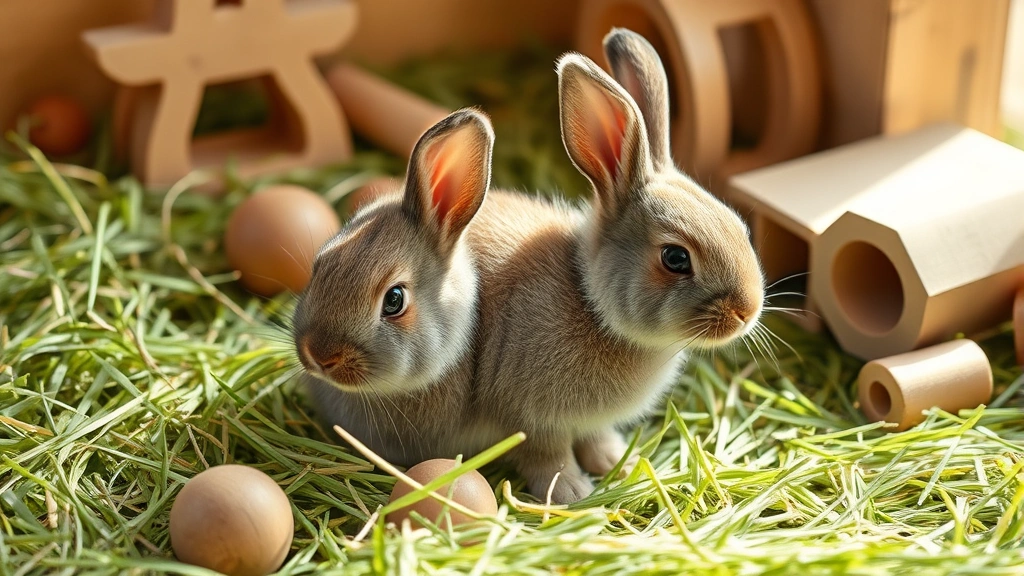
Enrichment transforms a basic enclosure into an engaging habitat. Baby bunnies are curious and playful; they need tunnels, ramps, platforms, and chew toys to stay mentally stimulated. Provide different textures and materials—cardboard boxes, willow balls, untreated wood blocks—that encourage natural behaviors like digging and chewing. Rotate toys regularly to maintain novelty and prevent boredom. Like other young pets such as baby kittens, baby bunnies benefit from varied, enriching environments that support both physical activity and cognitive development.
Nutrition and Feeding Guidelines
Proper nutrition during the baby bunny stage sets the foundation for lifelong health. The dietary needs change as your bunny grows, requiring careful attention to age-appropriate feeding. Newborn and very young kits nursing from their mother receive complete nutrition from mother’s milk—the richest milk of any land mammal. If you’re raising a kit whose mother is unavailable, specialized rabbit formula and bottle feeding become necessary, though this is challenging and best guided by a veterinary professional.
Once baby bunnies begin eating solid food around three weeks, introduce high-quality timothy hay first. This should become the foundation of their diet, comprising about 80% of their intake. Hay provides essential fiber for digestive health and wears down continuously growing teeth. Avoid alfalfa hay for growing bunnies over eight weeks old; its high calcium and protein content is excessive for juvenile and adult rabbits, though it’s appropriate for very young kits. Timothy, orchard grass, and oat hay are excellent choices.
High-quality pellets formulated for young rabbits provide concentrated nutrition during growth phases. Choose pellets with at least 18% fiber and less than 14% protein for optimal digestion. Limit pellets to age-appropriate amounts—roughly ¼ cup daily for small breeds and ½ cup for larger breeds until full maturity. Excess pellets contribute to obesity and digestive issues. Introduce pellets gradually, mixing them with hay to prevent digestive upset.
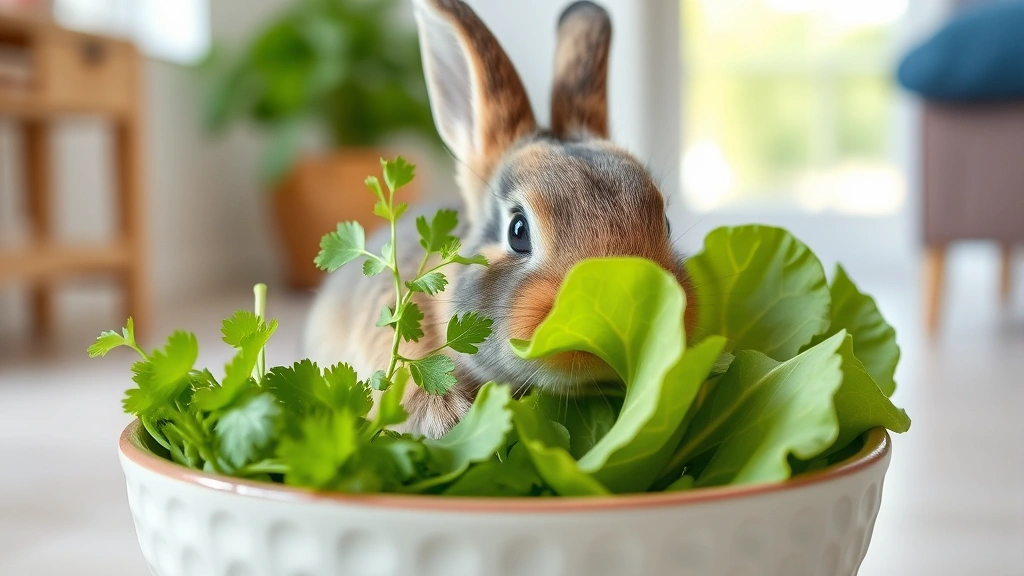
Fresh vegetables can be introduced around eight weeks of age, starting with small amounts of rabbit-safe options like romaine lettuce, cilantro, and parsley. Gradually expand variety as your bunny’s digestive system matures. Avoid iceberg lettuce, which lacks nutritional value, and never offer vegetables high in oxalates like spinach in large quantities. Fruits should be treats only—their natural sugars can cause digestive problems if given frequently. One small piece of apple or carrot once or twice weekly is appropriate.
Fresh, clean water is non-negotiable. Provide water via a sipper bottle or heavy ceramic bowl that won’t tip easily. Check water daily for contamination or blockage. Some baby bunnies prefer bowls to bottles; observe your individual bunny’s preference and ensure adequate hydration. Dehydration develops quickly in young rabbits and becomes life-threatening within hours.
The transition from nursing to independent eating requires gradual changes over several weeks. If weaning too quickly, digestive upset occurs as the gut bacterial populations haven’t yet established. Work with the mother rabbit’s natural weaning process when possible, and maintain consistent feeding schedules. Sudden dietary changes at any age cause potentially fatal enteritis in rabbits, so introduce new foods slowly over 7-10 days.
Health and Veterinary Care
Establishing veterinary care early prevents many health problems and ensures your baby bunny receives proper guidance. Find a veterinarian experienced with rabbits before problems arise—not all vets specialize in exotic pets, and rabbit medicine requires specific knowledge. Schedule a wellness check within the first week of bringing your bunny home, even if the animal appears perfectly healthy. This baseline examination identifies any underlying issues and establishes a relationship with your vet.
Baby bunnies are vulnerable to several common health issues. Digestive problems including diarrhea and constipation occur frequently, often triggered by diet changes, stress, or bacterial imbalances. Respiratory infections develop in unsanitary conditions or from exposure to drafts. Parasites like coccidia and intestinal worms affect young rabbits, particularly those from uncertain backgrounds. Your veterinarian may recommend preventive treatments based on your bunny’s specific situation and risk factors.
Dental health deserves special attention since rabbit teeth grow continuously throughout life. Baby bunnies develop their adult teeth by around three months of age. Proper diet with abundant hay supports natural tooth wear. Avoid hard treats that cause tooth fractures. Watch for signs of dental problems—reduced eating, excessive drooling, or facial swelling—and seek veterinary attention immediately if noticed.
Spaying and neutering is strongly recommended for all rabbits, typically performed around four to five months of age. Beyond preventing unwanted breeding, these procedures significantly reduce behavioral problems like aggression and territorial marking. Female rabbits have exceptionally high rates of reproductive cancers; spaying essentially eliminates this risk. Ensure your veterinarian has rabbit-specific anesthesia expertise, as rabbits react differently to anesthesia than dogs or cats.
Vaccinations vary by geographic location and risk factors. In some regions, rabbies vaccination is recommended; in others, it’s unnecessary. Discuss your area’s specific disease risks with your veterinarian. Myxomatosis and viral hemorrhagic disease are serious concerns in some locations and vaccination may be appropriate. Your vet provides personalized recommendations based on your local environment.
Regular health monitoring at home helps catch problems early. Check your baby bunny’s eyes, ears, and nose for discharge. Examine the anus and genital area for cleanliness and signs of diarrhea. Monitor eating and drinking patterns—changes suggest illness. Track weight gain; baby bunnies should grow steadily. Feel along the body for lumps or abnormalities. Healthy baby bunnies are alert, active, and maintain consistent appetites.
Handling and Socialization
Gentle handling and early socialization create confident, interactive rabbits. Baby bunnies are naturally prey animals, so handling triggers stress responses initially. Patience and consistency gradually build trust. Start with short, calm interactions in quiet environments. Hold your bunny securely but gently, supporting the hindquarters and never allowing legs to dangle unsupported—rabbits can injure their spines when frightened and thrashing.
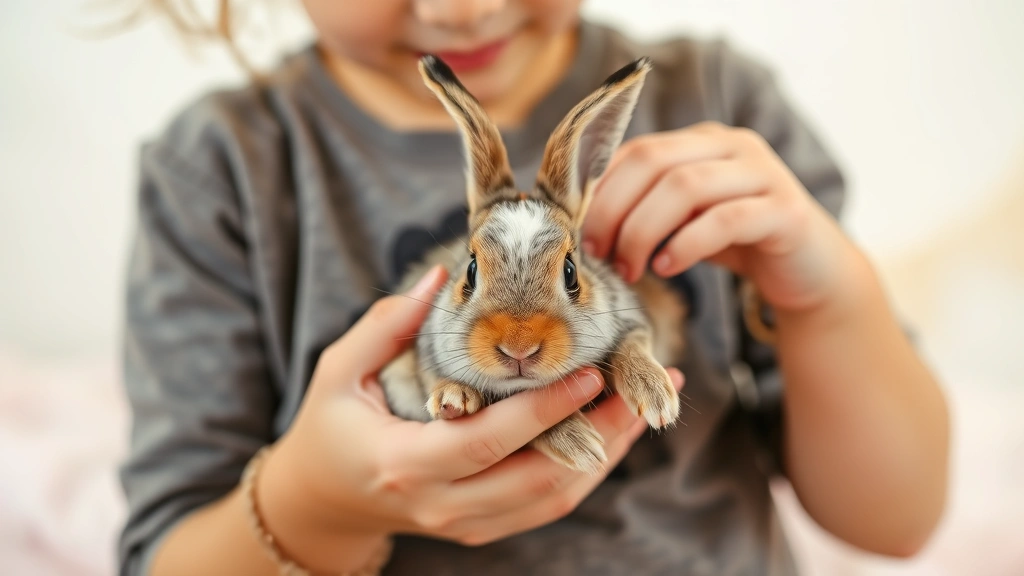
The proper holding technique matters significantly. Cradle your baby bunny with one hand supporting the chest and front legs, the other supporting the hindquarters and back legs. Keep the bunny close to your body for security. Never grab a rabbit by the ears or scruff—this causes pain and injury. Limit initial handling sessions to five or ten minutes; young bunnies tire quickly. Gradually extend handling time as your bunny becomes comfortable.
Socialization with different people, environments, and gentle experiences creates well-adjusted rabbits. Expose your baby bunny to various household sounds, gentle petting from different people, and different room environments during their critical socialization window between four and twelve weeks of age. Positive early experiences prevent fear-based behaviors later. However, avoid overwhelming your bunny; balance socialization with adequate rest and quiet time.
Litter training is surprisingly straightforward with rabbits, including baby bunnies. Place a small litter box in the corner where your bunny naturally eliminates. Most young rabbits quickly learn to use it, especially if you place some soiled bedding in the box to reinforce the location. Praise and reward successful litter box use. This natural instinct makes house training achievable and enables free-roaming time safely.
Play sessions build the bond between you and your baby bunny while providing essential exercise. Supervised play in a safe, bunny-proofed space allows exploration and activity. Many baby bunnies enjoy toys like balls, tunnels, and dig boxes. Some engage in interactive play with humans, though others prefer independent exploration. Respect your individual bunny’s personality—forcing interaction creates stress rather than bonding.
Common Challenges and Solutions
Even with excellent care, baby bunny parents encounter predictable challenges. Understanding common issues and solutions prevents panic and helps you respond effectively. Digestive upset ranks among the most frequent problems, manifesting as soft stools, constipation, or complete appetite loss. Causes include diet changes, stress, contaminated water, or underlying infections. Immediate response involves eliminating recent dietary changes, ensuring fresh hay availability, and contacting your veterinarian if symptoms persist beyond a few hours.
Aggression or biting in baby bunnies often reflects fear, territorial behavior, or inappropriate handling. Rather than punishing biting, identify the trigger and modify your approach. Some bunnies bite when cornered or handled roughly; gentler, patient handling resolves this. Others bite during adolescence as hormones surge; spaying or neutering typically resolves hormone-driven aggression. Territorial biting during bonding with other rabbits requires gradual, supervised introductions with escape routes available.
Destructive chewing and digging are normal behaviors, not behavioral problems. Baby bunnies need appropriate outlets for these instincts. Provide cardboard boxes for destruction, dig boxes filled with safe materials, and abundant chew toys. Rabbit-proofing your home prevents damage to furniture and electrical hazards. Use cord covers on cables, protect baseboards with plastic guards, and restrict access to toxic plants and chemicals. Redirecting natural behaviors rather than punishing them creates harmony.
Loneliness and boredom manifest as lethargy, over-grooming, or destructive behavior. Baby bunnies are social animals benefiting from companionship. Many thrive with another rabbit companion; bonding two young bunnies together often succeeds better than introducing adults. However, bonding requires careful introduction and monitoring. Alternatively, increased human interaction, varied enrichment, and environmental changes prevent boredom. Consider your lifestyle and ability to provide adequate stimulation when deciding on single versus paired rabbits.
Respiratory infections develop in dusty, poorly ventilated environments or from exposure to drafts. Signs include sneezing, nasal discharge, and labored breathing. These infections require veterinary treatment with antibiotics and supportive care. Prevention through proper housing, good air quality, and stress reduction is far easier than treatment. If you notice respiratory symptoms, contact your veterinarian promptly; infections progress rapidly in young rabbits.
Ear mites are parasites causing itching, head shaking, and crusty ear buildup. While more common in outdoor rabbits, indoor bunnies can develop infestations. Your veterinarian identifies mites via otoscopic examination and prescribes appropriate treatment. Prevention includes regular ear checks and maintaining clean housing. Early treatment prevents secondary infections and discomfort.
Comparing baby bunnies to other young pets like baby hamsters highlights their unique challenges. Unlike hamsters’ solitary nature, rabbits are social. Unlike the hardiness of many small rodents, rabbits have sensitive digestive systems. Understanding these differences prevents inappropriate care based on experience with other species. Each species requires species-specific knowledge for optimal welfare.
Frequently Asked Questions
How long do baby bunnies stay dependent on their mother?
Baby rabbits typically nurse for six to eight weeks, though some benefit from extended contact until ten weeks. Weaning is a gradual process rather than an abrupt transition. By eight weeks, most kits eat independently, though mother’s milk provides valuable antibodies and nutrition during this critical development phase. Separating too early stresses young bunnies and increases digestive problems.
What’s the best age to bring a baby bunny home?
Eight weeks is ideal for bringing home a baby bunny. At this age, they’re weaned and eating solid food independently, yet still young enough to bond closely with their new family. Younger bunnies may have difficulty transitioning without their mother, while older bunnies sometimes have established behavioral patterns that are harder to modify. Eight weeks provides the optimal balance of independence and adaptability.
Can baby bunnies live with other pets?
Supervised cohabitation is possible with careful management. Rabbits naturally fear predators, so living with dogs or cats requires gradual, controlled introductions and constant monitoring. Some rabbits bond successfully with other rabbits, particularly when introduced young. However, every animal has unique personality traits; some rabbits are naturally social while others prefer solitude. Prioritize your bunny’s safety and comfort over assumptions about compatibility.
How much space does a baby bunny need?
A minimum of 7.5 square feet for a single rabbit, though larger is always better. Baby bunnies are growing and active, requiring space for exercise and exploration. Many rabbit experts recommend 10-12 square feet minimum for adequate quality of life. Additionally, rabbits benefit tremendously from safe free-roaming time outside their enclosure, allowing natural movement and mental stimulation. Larger, enriched spaces prevent behavioral problems and support better health.
What should I do if my baby bunny stops eating?
Loss of appetite in baby rabbits is a medical emergency requiring immediate veterinary attention. Rabbits can develop life-threatening digestive stasis within hours of appetite loss. Contact your veterinarian immediately rather than waiting to see if the problem resolves. In the meantime, ensure fresh hay and water are available, minimize stress, and keep your bunny in a quiet, warm environment. Quick veterinary intervention significantly improves outcomes.
Are baby bunnies good pets for children?
Baby bunnies require gentle handling and can be injured by rough play or improper restraint. Young children often lack the coordination and impulse control necessary for safe rabbit handling. Older children with parental supervision can develop wonderful bonds with baby bunnies. However, rabbits aren’t ideal pets for families with very young children. Consider your children’s ages, maturity levels, and ability to handle a delicate animal gently before bringing a baby bunny home.
How do I know if my baby bunny is healthy?
Healthy baby bunnies are alert, active, and maintain consistent eating and drinking habits. Their eyes are bright and clear, ears are upright and responsive, and fur is smooth and glossy. Healthy bunnies produce round fecal pellets and maintain clean bottoms. They interact with their environment, respond to sounds, and show curiosity about their surroundings. Any deviation—lethargy, reduced appetite, discharge from eyes or nose, or behavioral changes—warrants veterinary evaluation.
What’s the difference between male and female baby bunnies?
Sex differences become apparent around three to four weeks of age. Male bunnies have two round testicles visible below the anus, though these retract when bunnies are young or stressed. Female bunnies have a V-shaped genital opening, while males have a round one. Sexing young bunnies can be challenging; ask your veterinarian for confirmation if uncertain. Both males and females should be spayed or neutered around four to five months to prevent behavioral and health problems, regardless of cute babies appearance.