Best Baby Car Seat Covers: A Complete Guide
Let’s be honest—parenthood comes with a lot of stuff. Car seats are non-negotiable, but they’re also magnets for spit-up, spilled juice, and the mysterious stickiness that only babies seem capable of producing. Enter baby car seat covers: the unsung heroes of vehicle interiors and parental sanity. Whether you’re dealing with a newborn who treats the car like a personal dining establishment or a toddler with questionable snack-handling skills, a quality car seat cover can transform your driving experience from chaotic to manageable.
The right cover isn’t just about keeping things clean, though that’s certainly a perk. It’s about protecting your investment in an expensive piece of safety equipment, maintaining resale value, and creating a comfortable environment for your little one. But with countless options flooding the market—from simple fabric overlays to elaborate multi-functional designs—choosing the right one can feel overwhelming.
This guide walks you through everything you need to know about selecting, using, and maintaining baby car seat covers so you can make an informed decision that actually fits your family’s needs.
Why Baby Car Seat Covers Matter
You might wonder whether a car seat cover is truly necessary. After all, car seats have been around for decades without fancy accessories. But consider this: a quality infant or convertible car seat can easily cost $150 to $400. Over time, exposure to sunlight, spills, and general wear-and-tear can fade fabric, create stains, and diminish the seat’s aesthetic appeal and functionality.
Beyond protection, covers serve practical purposes. They provide insulation during cold months and reflect heat during summer, keeping your baby more comfortable during transit. For parents who frequently move their seat between vehicles—think shared custody situations or families with multiple cars—a cover offers an extra layer of protection during installation and removal.
There’s also the sanitation factor. Babies are adorable little germ factories. A removable, washable cover means you can maintain hygiene standards without having to deep-clean your entire car seat after every sticky situation. This is especially valuable when you’re shopping for best baby shower gifts for friends expecting their first child—a quality cover is genuinely useful.

Types of Baby Car Seat Covers
Understanding the different categories helps narrow down your options based on your specific needs and lifestyle.
Full-Coverage Seat Protectors
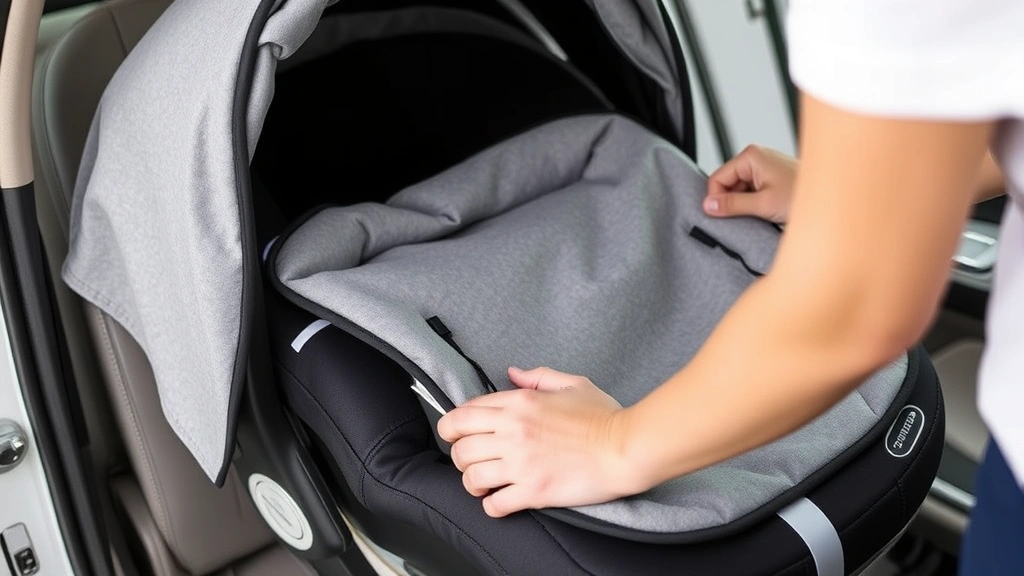
These comprehensive covers encase the entire car seat, protecting the front, sides, and back. They’re ideal if you’re concerned about maximum protection from spills, sunlight, and general wear. Full-coverage options typically include straps and attachments that secure the cover firmly to the seat. They’re particularly popular among parents who live in sunny climates or keep their cars parked outdoors regularly.
Nursing Covers and Privacy Shields
Some car seat covers double as nursing covers, offering privacy for breastfeeding mothers. These typically drape over the seat and provide discretion during feeding sessions. While convenient, they serve a dual purpose that makes them worth considering if you frequently nurse on-the-go.
Seat Liners and Pads
Lighter-weight options, seat liners sit directly on the car seat cushion without covering the entire structure. They’re easier to install and remove than full covers, making them perfect for frequent washing. However, they offer less overall protection.
Waterproof Protectors
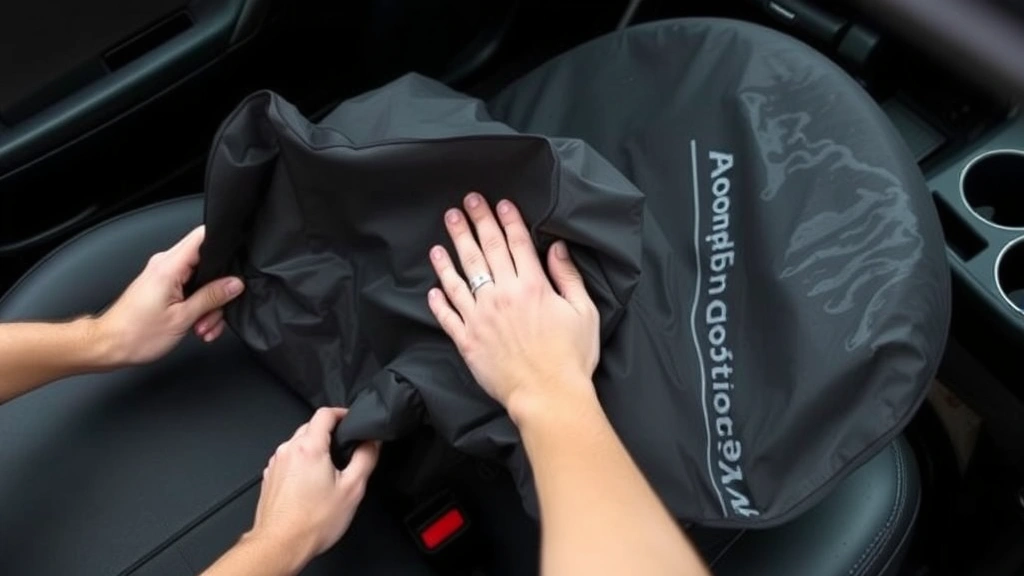
Designed with waterproof or water-resistant materials, these covers are specifically engineered to handle accidents, spills, and moisture. If your child is prone to accidents or you’re dealing with a particularly messy eater, waterproof options are worth the investment.
Specialized Covers for Different Needs
Some parents need covers that work with specific car seat types or offer unique features. For instance, if you’re using an Ergo baby carrier for transport, you might want coordinating protection for your car seat. Others seek covers that integrate with their vehicle’s interior design or offer temperature-regulating technology.
Key Features to Look For
Not all car seat covers are created equal. Here are the essential features that separate quality products from mediocre ones.
Material Quality
Look for covers made from durable, breathable fabrics. High-quality materials withstand repeated washing without pilling, fading, or losing shape. Cotton blends offer breathability, while polyester provides durability. Some premium options use organic or eco-friendly materials—a consideration if you’re environmentally conscious or have a baby with sensitive skin.
Washability
The cover’s entire purpose is to keep your car seat clean, so it should be easy to clean itself. Machine-washable covers are ideal; hand-wash-only options create extra work. Check whether the cover can handle hot water or requires gentle cycles, and verify it’s dryer-safe or if air-drying is necessary.
Universal Compatibility
The best covers work with multiple car seat models. Universal designs adjust to fit infant seats, convertible seats, and booster seats. However, some premium brands offer model-specific covers for perfect fit. Consider whether you plan to use the cover across different seats or just one.
Installation Ease
A cover that requires 30 minutes to install won’t get used regularly. Look for designs with simple attachment systems—whether straps, snaps, or elastic bands. You should be able to install it in under five minutes.
Design and Aesthetics
While functionality matters most, you’ll appreciate a cover that matches your style or vehicle interior. Options range from minimalist solid colors to playful patterns. Some parents coordinate covers with their nursery design or choose gender-neutral options if they plan to use them for multiple children.
Additional Features
Premium covers might include pockets for storing small items, convertible designs that adapt as your child grows, or integrated sunshades. Assess whether these extras justify the higher price for your situation.
Safety Considerations
Here’s where we need to get serious: safety should never be compromised for convenience. The good news is that quality car seat covers don’t interfere with safety when used correctly.
According to the American Academy of Pediatrics, car seat covers are acceptable as long as they don’t interfere with the seat’s structural integrity, harness system, or installation. Never use a cover that prevents proper harness adjustment or obscures critical safety features.
Always verify that your chosen cover is compatible with your specific car seat model. Some manufacturers explicitly approve certain covers while cautioning against others. Check your car seat’s manual and the cover manufacturer’s guidelines to ensure compatibility.
Installation is crucial. Improper installation of a car seat cover can compromise safety. Follow the manufacturer’s instructions precisely, and if anything seems unclear, contact customer service before proceeding. The cover should never shift or move during normal driving.
Additionally, never use a cover that adds excessive bulk or prevents the seat from being secured properly in your vehicle. The car seat itself must remain firmly anchored to the vehicle seat.
The National Highway Traffic Safety Administration (NHTSA) provides comprehensive guidelines on car seat safety. While they don’t specifically mandate cover standards, their general recommendations emphasize that nothing should compromise the seat’s protective function.
Top Recommendations
Based on quality, functionality, and parent reviews, here are some standout options across different categories.
Best Overall: Premium Full-Coverage Option
Premium covers typically offer superior materials, thoughtful design, and excellent durability. These work well if you’re looking for a long-term investment that will protect your car seat through multiple children or years of use.
Best Budget-Friendly: Essential Protection
You don’t need to spend $100 on a cover if your needs are straightforward. Budget-friendly options provide solid protection without extra features. They’re perfect for first-time parents testing whether covers fit their lifestyle.
Best for Frequent Travelers
If you move your car seat between vehicles regularly, prioritize lightweight, easy-install covers with durable materials that withstand frequent removal and washing.
Best for Messy Eaters
Waterproof or water-resistant covers are essential if your child treats snack time like an extreme sport. Look for covers with sealed seams and quick-dry materials.
Best Aesthetically Pleasing
Some brands offer designer collaborations or premium patterns that elevate your car’s interior. If you’re someone who enjoys coordinating accessories—similar to how you’d choose thoughtful baby boy gifts or baby girl gifts—these options won’t disappoint.
When evaluating any recommendation, read recent customer reviews focusing on longevity and washability. What works beautifully for one family might not suit another’s specific needs.
Care and Maintenance
Proper care extends your cover’s lifespan and maintains its protective qualities.
Regular Cleaning Routine
Wipe down your cover weekly with a damp cloth to remove dust and surface debris. This prevents buildup and makes deeper cleaning easier. For spills, address them immediately by blotting (not rubbing) with a clean cloth.
Washing Instructions
Follow the manufacturer’s specific washing guidelines. Most covers handle machine washing on gentle or delicate cycles with mild detergent. Cold water is generally safer than hot, especially for colored fabrics. Avoid bleach unless the manufacturer explicitly approves it.
Drying Considerations
Air-drying is often preferred to maintain fabric integrity and color vibrancy. If your cover is dryer-safe, use low heat settings. Never use high heat, which can damage materials and cause shrinking.
Seasonal Storage
If you use different covers seasonally or store covers during certain months, keep them in a clean, dry location away from direct sunlight. Store them folded or rolled (check manufacturer recommendations) in a breathable bag rather than plastic, which can trap moisture.
Addressing Stains
For stubborn stains, pre-treat with a gentle stain remover before washing. For organic stains (spit-up, food), enzymatic cleaners work effectively. Test any treatment on a hidden area first to ensure it doesn’t damage or discolor the fabric.
Many parents find that investing in a quality cover that’s easy to maintain ultimately saves time and frustration compared to constantly deep-cleaning a bare car seat.
Frequently Asked Questions
Are car seat covers really necessary?
While not technically necessary for safety, they’re practically valuable for protection and cleanliness. Consider your lifestyle: if you’re meticulous about your car’s condition or have a particularly messy eater, a cover is worthwhile. If your car seat will only be used occasionally or you don’t mind occasional stains, you might skip one. Think of it similarly to how you’d approach purchasing baby registry must haves—prioritize based on your actual needs rather than perceived obligations.
Can I use a car seat cover with the harness system?
Yes, but it must not interfere with harness adjustment or function. Quality covers are designed with strategic openings that allow full harness access. Always verify that your specific cover works with your car seat’s harness before purchasing.
Will a cover affect my car seat’s safety rating?
No, not if the cover is properly designed and installed. The cover should not alter the seat’s structural integrity or protective function. This is why using covers approved by either the car seat manufacturer or thoroughly tested third-party options is important.
How often should I wash the cover?
Wash covers as needed based on spills and soiling. Most parents wash monthly for regular use, more frequently if dealing with frequent accidents or spills. Since covers are designed to be removable for this exact reason, don’t hesitate to wash them regularly.
Can I use a regular blanket or cloth as a car seat cover?
Not safely. Regular blankets or cloths can shift during driving, potentially creating safety hazards. Additionally, they may not provide adequate protection or fit securely. Purpose-designed covers are engineered specifically to secure properly and work with your car seat’s features.
Do covers work with all car seat types?
Most universal covers work with infant seats, convertible seats, and booster seats. However, some specialty seats or certain models may have unique dimensions. Always verify compatibility before purchasing. If you use multiple car seat types—such as an infant seat for a newborn and a convertible for an older child—universal covers offer flexibility, similar to how items like a baby bottle brush works across different bottle styles.
Are expensive covers worth the investment?
Not always. Premium covers offer superior materials and longevity, making them valuable if you plan multi-child use or keep the seat for many years. For single-use situations or shorter timeframes, mid-range options provide excellent value. Focus on features that matter for your specific situation rather than price alone.
Can I use a cover in winter and summer?
Yes, though some parents prefer different covers seasonally. Summer covers might be lighter and more breathable, while winter options provide additional insulation. If you’re only purchasing one cover, choose a versatile option that performs reasonably well in both seasons rather than investing in multiple specialized covers.
What should I do if my cover doesn’t fit properly?
Contact the manufacturer’s customer service before assuming it’s defective. Often, installation requires specific techniques that aren’t immediately obvious. If it genuinely doesn’t fit, most reputable companies offer returns or exchanges. Don’t force an ill-fitting cover—improper fit compromises both protection and safety.