What Is Baby Cast? A Complete Breakdown
If your pediatrician has mentioned that your little one needs a cast, you’re probably experiencing a mix of concern, confusion, and maybe a dash of panic. Welcome to the club—most parents have been there. A baby cast might sound alarming, but it’s actually a fairly common orthopedic intervention that helps tiny bones heal properly and prevents further injury. Whether your infant has a fracture, a congenital condition, or a developmental concern, understanding what a cast is, why babies need them, and what to expect can transform your anxiety into informed confidence.
The reality is that babies are resilient little creatures, and their bones are remarkably adaptable. A cast isn’t a sign that something is catastrophically wrong; it’s a tool—a temporary support system designed to protect developing bones while they heal. This guide will walk you through everything you need to know about baby casts, from the reasons they’re prescribed to practical tips for keeping your baby comfortable during the healing process.
What Exactly Is a Baby Cast?
A baby cast is a rigid or semi-rigid external support device that immobilizes an injured or affected limb. Think of it as a protective shell that keeps bones, joints, and soft tissues in the correct position while they heal. Casts are typically made from either plaster or fiberglass—materials that harden around the affected area to provide stability.
Unlike adult casts, baby casts are specifically designed with your infant’s delicate physiology in mind. They’re lighter, smaller, and applied with techniques that account for a baby’s smaller bones, thinner skin, and more sensitive nervous system. Pediatric orthopedists understand that babies can’t communicate discomfort the way older children can, so every aspect of the casting process is tailored to minimize stress and maximize healing.
The cast works by holding the injured area completely still, which allows bones to mend without the constant micro-movements that could delay healing or cause misalignment. It’s essentially giving your baby’s body the best possible environment to do what it does best: repair itself.
Why Do Babies Need Casts?
Babies might need casts for several reasons, and understanding the underlying cause can help you feel more confident about the treatment plan. Here are the most common scenarios:
- Fractures: Even though babies have softer bones than adults, they can still break. Falls from changing tables, being dropped, or accidents during play can result in fractures that require immobilization.
- Developmental Dysplasia of the Hip (DDH): Some babies are born with hip joints that aren’t properly formed. A cast or specialized brace helps guide proper development.
- Clubfoot: This congenital condition affects foot position and requires gradual correction through casting, often starting within the first few weeks of life.
- Torticollis or other muscular conditions: In some cases, casts work alongside physical therapy to address muscle tightness or positional issues.
- Sprains or severe soft tissue injuries: While less common in babies, significant sprains occasionally require immobilization.
If your baby has been prescribed a cast, your pediatrician or orthopedic specialist has determined that immobilization is the best path forward for optimal healing and development. This is actually good news—it means there’s a clear, evidence-based treatment plan in place.
Types of Baby Casts
Not all casts are created equal, and your healthcare provider will recommend the specific type that best suits your baby’s needs.
Fiberglass Casts are lightweight, water-resistant, and come in various colors—which some babies find less intimidating than traditional white casts. They’re durable and allow for better visibility of the skin underneath. Fiberglass is often preferred for active babies because it can withstand the wear and tear of daily life.
Plaster Casts are heavier and more traditional but excellent for intricate molding, particularly important for conditions like clubfoot where precise positioning is critical. They’re less water-resistant than fiberglass, which means bath time requires more careful planning.
Soft Casts or Splints provide less rigid support and might be used for minor injuries or as a transitional step before removing a full cast. These are sometimes used when a baby needs some immobilization but also needs some flexibility for movement and comfort.
Spica Casts are specialized casts that immobilize the hip and sometimes extend down one or both legs. These are common for DDH treatment and require significant lifestyle adjustments for both baby and parent.
The Casting Process: What to Expect
Understanding what happens during the casting appointment can ease your anxiety and help you prepare your baby emotionally. Most pediatric orthopedic offices are experienced at working with anxious parents and fussy babies.
First, your doctor will examine your baby’s injury or condition thoroughly. They’ll take X-rays if necessary and explain exactly what they’re looking for and why a cast is the right choice. This is your opportunity to ask questions—don’t hold back.
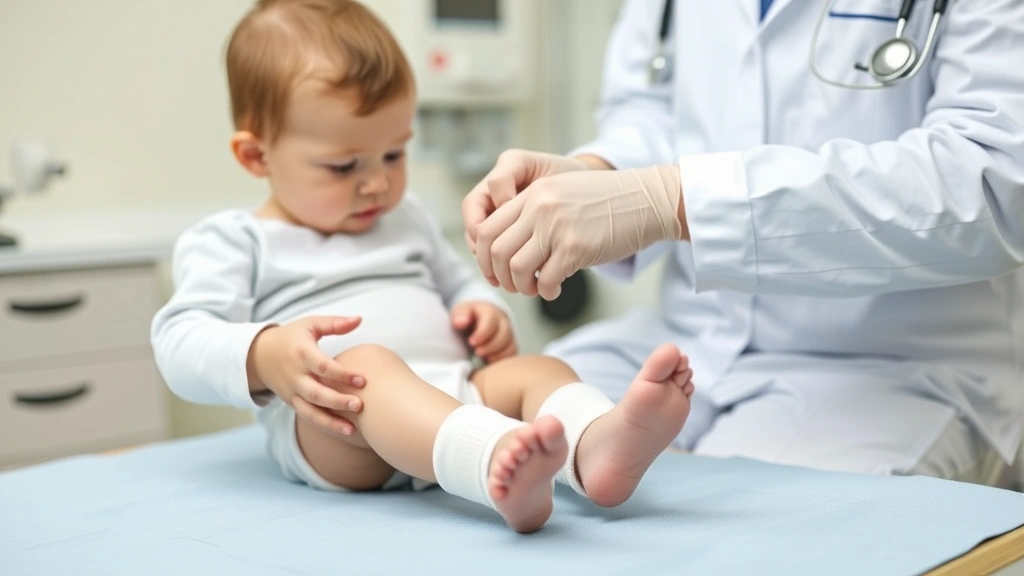
During the actual casting, your baby will be positioned to keep the injured area immobilized and properly aligned. The healthcare provider will wrap your baby’s limb with a soft padding material first—this protects the skin and makes the cast more comfortable. Then, they’ll apply the casting material (either plaster or fiberglass) in layers, smoothing and molding as they go.
Your baby might cry during this process—most babies do. The good news? It doesn’t hurt. Babies cry because they’re being held still, the materials feel cold and wet, and the whole experience is unfamiliar. Some offices allow parents to stay close, talk to their baby, or even sing softly to help soothe them. Don’t feel guilty about your baby’s tears; this is a normal response to an unusual situation.
The entire process typically takes 15-30 minutes, depending on the cast type and complexity. Once the casting material sets (usually within 24 hours), the cast is ready for action.
Caring for Your Baby’s Cast
Cast care is crucial for both healing and your baby’s comfort. Here’s what you need to know:
Keep It Dry: Moisture can weaken the cast and create an environment for skin irritation or infection. If you have a fiberglass cast, water exposure is less catastrophic but still not ideal. If you have a plaster cast, you’ll need to be extremely vigilant about keeping it dry during baths.
Protect the Skin Edges: The edges of the cast can be rough and irritating. Ask your doctor about using moleskin or cast padding around the edges to prevent skin breakdown. Some parents wrap the edges with soft cloth or use medical tape for extra protection.
Watch for Swelling: Elevation helps reduce swelling, especially in the first few days. Keep your baby’s casted limb elevated on pillows while sleeping or resting. Swelling that suddenly increases or doesn’t improve should be reported to your doctor.
Monitor for Circulation Issues: Check your baby’s toes or fingers (depending on which limb is casted) regularly. They should be pink or their normal color, warm to the touch, and show normal movement. If you notice bluish discoloration, excessive coolness, or your baby seems to be in significant pain, contact your pediatrician immediately.
Prevent Odor and Skin Issues: A cast can trap moisture and bacteria, leading to unpleasant smells and skin breakdown. Some parents use a hair dryer on cool setting to gently dry inside the cast opening, or they use specialized cast liners. Never stick objects down into the cast to scratch an itch—this can damage skin.
Bath Time Strategy: For plaster casts, you have a few options: sponge baths (keeping the cast elevated and away from water), waterproof cast covers (available at medical supply stores), or plastic wrap carefully taped around the cast. Fiberglass casts can sometimes tolerate brief water exposure, but confirm this with your doctor first. Test any waterproofing method before committing to it during an actual bath.
How Long Will Baby Need a Cast?
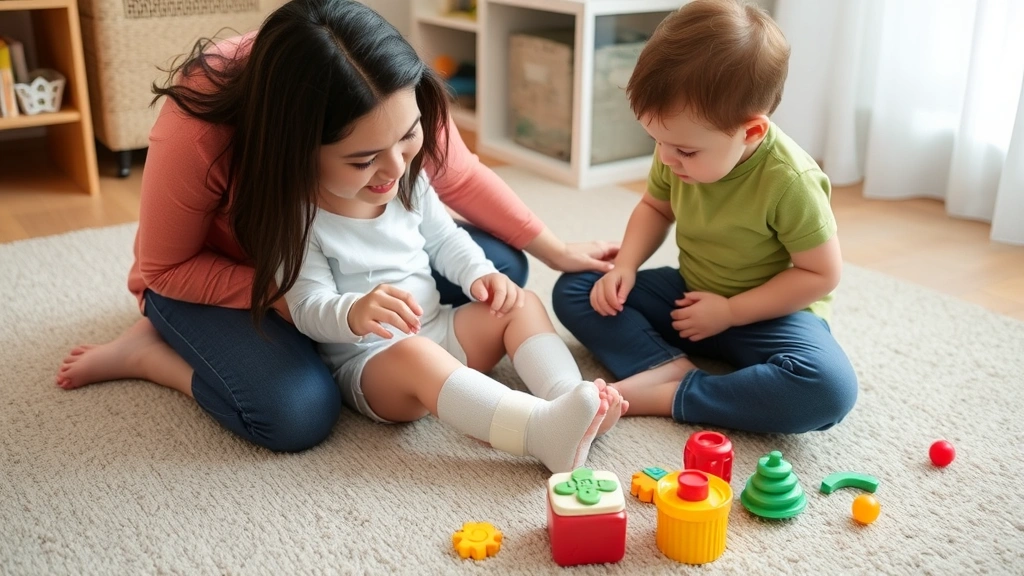
Duration varies significantly depending on the underlying condition and your baby’s healing rate. Fractures in babies typically heal faster than in adults—sometimes within 3-6 weeks because their bones are actively growing and have excellent blood supply. Developmental conditions like clubfoot might require casting for several months as part of a gradual correction process.
Your orthopedic specialist will give you a specific timeline and schedule follow-up appointments to monitor healing. During these visits, they might take new X-rays to confirm proper bone alignment and healing progression. If all is progressing well, they’ll eventually remove the cast and transition to any necessary follow-up care, which might include physical therapy or continued monitoring.
It’s worth noting that some conditions require multiple casts as your baby grows or as treatment progresses. This is completely normal and part of the planned treatment protocol.
Potential Concerns and When to Call the Doctor
While casts are generally safe and effective, knowing when to seek immediate help is essential. Contact your pediatrician if you notice:
- Increased swelling that doesn’t improve with elevation
- Skin discoloration (blue, purple, or pale appearance in fingers or toes)
- Coolness or numbness in the casted limb
- Severe pain or crying that seems beyond typical fussiness
- Foul smell coming from inside the cast (might indicate infection)
- Drainage or pus around the cast edges
- Fever combined with cast-related symptoms
- Skin breakdown, blistering, or severe redness around the cast edges
- The cast becoming loose or cracked in a way that compromises support
- Your baby unable to move fingers or toes at all
These warning signs might indicate circulation problems, infection, or cast-related issues that need professional attention. Don’t wait—call your doctor if you’re concerned about anything. They’d much rather hear from you unnecessarily than have a problem go unaddressed.
Life With a Cast: Tips for Parents
Having a baby in a cast affects your daily routine more than you might expect. Here are practical strategies to make life easier:
Adjust Your Diaper Changing Strategy: Depending on where the cast is, you might need to get creative with diaper changes. For leg or hip casts, use larger diapers or even pull-ups if your baby is old enough, and consider changing from the side rather than lifting the hips. Keep supplies within arm’s reach so you’re not fumbling while holding your baby.
Dress Strategically: Choose oversized clothing that fits over the cast comfortably. Button-up shirts and pants with wide legs work better than tight-fitting clothes. Some parents buy the next size up temporarily just for the casting period. Avoid anything that puts pressure on the cast edges.
Sleep Setup: Position your baby so the casted limb is elevated and supported with pillows. This reduces swelling and improves comfort. Some parents find that a wedge pillow or rolled blankets help maintain proper positioning throughout the night.
Activity Modifications: Depending on the cast location and your baby’s age, you might need to modify playtime. Babies in leg casts obviously can’t crawl or walk normally. Work with your physical therapist on appropriate exercises and movements that support healing without stressing the cast.
Emotional Support: Your baby might feel frustrated by limited mobility or the unfamiliar sensation of wearing a cast. Offer extra cuddles, engage in quiet play activities, and maintain normal routines as much as possible. Your calm, matter-of-fact attitude will help your baby feel secure.
Temperature Regulation: Casts can make temperature regulation tricky—your baby might feel warmer or cooler than usual. Dress in layers and monitor your baby’s temperature to ensure they’re comfortable.
Travel Considerations: If you need to travel while your baby is in a cast, bring extra supplies (padding, waterproof covers, cleaning materials). Keep your doctor’s contact information handy and know where to access emergency care at your destination.
If your baby has other medical devices like a baby helmet, managing multiple pieces of equipment requires even more planning. Coordinate with your healthcare providers to ensure everything works together safely.
Frequently Asked Questions
Will a cast hurt my baby?
The casting process itself isn’t painful, though your baby might cry because they’re being held still and the materials feel cold. The cast itself shouldn’t cause pain once it’s set, though some pressure or slight discomfort is normal initially. If your baby seems to be in significant pain, contact your doctor—this could indicate circulation problems or improper casting.
Can my baby swim or take regular baths with a cast?
This depends on the cast material and your doctor’s specific instructions. Fiberglass casts are more water-resistant than plaster, but neither should be submerged without protection. Use waterproof cast covers, plastic wrap, or stick to sponge baths. Always confirm your doctor’s recommendations before exposing the cast to water.
What if my baby’s cast gets wet?
A slightly damp cast isn’t catastrophic, but prolonged moisture can weaken it and cause skin problems. If your cast gets wet, dry it as thoroughly as possible using a hair dryer on cool setting. If it gets soaked, contact your doctor—you might need a replacement cast.
Can my baby sleep normally with a cast?
Sleep positions might need adjustment, particularly for leg or hip casts. Elevated positioning with pillow support usually works best. Your baby might be uncomfortable initially, but most adapt within a few days. Talk to your pediatrician about the best sleeping position for your baby’s specific cast.
Will my baby have any permanent effects from wearing a cast?
For most fractures and temporary conditions, casts have no lasting effects once they’re removed. Your baby’s bones will continue developing normally. For congenital conditions like clubfoot that require extended casting, the goal is proper development—your doctor will monitor this carefully throughout treatment.
What’s the difference between a cast and a brace?
Casts are rigid and immobilize an area completely, while braces provide support with some flexibility. Braces are sometimes used after cast removal for ongoing support or for certain conditions that don’t require complete immobilization. Your doctor will recommend whichever is most appropriate for your baby’s needs.
Can I remove the cast early if my baby seems uncomfortable?
No—removing a cast prematurely can compromise healing and potentially cause long-term problems. If your baby seems genuinely uncomfortable or you notice concerning symptoms, contact your doctor rather than removing the cast yourself. They can evaluate whether adjustments are needed or if your baby needs pain management.
How do I know if the cast is too tight?
Signs of an overly tight cast include significant swelling, blue or pale fingers/toes, coolness in the limb, numbness, or your baby’s persistent distress that seems beyond normal fussiness. Contact your doctor immediately if you suspect the cast is too tight—they might need to split it or create a replacement.
What happens when the cast comes off?
Removing a cast involves using a special saw that vibrates but doesn’t cut skin—it’s loud and can be startling, but it’s painless. Once removed, your baby’s skin might look pale, feel sensitive, or have some hair loss where the cast was. This is normal. Your doctor might recommend physical therapy, continued monitoring, or simply returning to normal activities. Follow their specific post-cast instructions carefully.
Should I buy special items for a baby in a cast?
You don’t need to buy much beyond what you might already have. Larger diapers, oversized clothing, waterproof cast covers, and extra padding are helpful. Thinking about what to include in your baby registry must haves during pregnancy? While you hopefully won’t need cast supplies, including versatile clothing options is always smart planning. If your baby needs a cast due to a congenital condition, your doctor can recommend specific items that will be most useful.
Is there anything I should know about pediatrician selection for cast care?
If your baby needs ongoing orthopedic care, ensure your primary pediatrician coordinates well with your specialist. When choosing a pediatrician, consider their experience with medical devices and their willingness to collaborate with specialists. Good communication between providers ensures your baby gets comprehensive, coordinated care.
Final Thoughts
A baby cast can feel overwhelming at first, but it’s actually a testament to modern medicine’s ability to support healing and development. Your baby’s resilience combined with proper medical care creates an excellent foundation for recovery. The casting period is temporary, and your attentive care during this time makes a real difference in your baby’s comfort and healing outcome.
Remember that your pediatrician and orthopedic specialist are your partners in this process. Don’t hesitate to ask questions, express concerns, or seek clarification about any aspect of your baby’s care. You know your baby best, and your observations matter. With proper cast care, appropriate monitoring, and patience, your baby will move through this phase and get back to being their usual, adorable self.
For additional resources and evidence-based information about pediatric orthopedic conditions, consult the American Academy of Pediatrics, the American Academy of Orthopedic Surgeons, and reputable sources like CDC resources on birth defects. Your pediatrician can also provide condition-specific resources tailored to your baby’s needs.