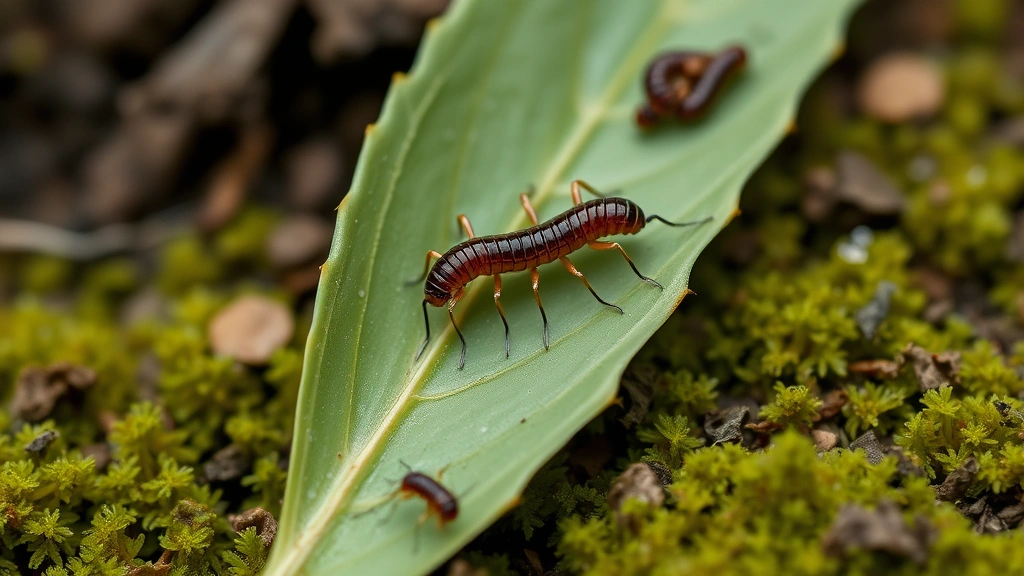
What Is a Baby Centipede? Expert Guide to These Fascinating Creatures
If you’ve ever spotted a tiny, multi-legged creature scurrying across your kitchen floor or garden, you might be wondering what you’re actually looking at. Baby centipedes are among nature’s most intriguing arthropods, and they’re far more fascinating than their creepy reputation suggests. Whether you’re a curious parent trying to educate your children about the natural world or simply someone who wants to understand these creatures better, this comprehensive guide will walk you through everything you need to know about baby centipedes.
The term “baby centipede” refers to the juvenile stage of centipedes, arthropods that belong to the class Chilopoda. Unlike what many people assume, these creatures aren’t insects at all—they’re actually in their own distinct category of arthropods. Understanding what a baby centipede is, how they develop, and why they matter in our ecosystem can transform your perspective from squeamishness to genuine appreciation.
Parents often find themselves fielding questions from curious kids about the creepy-crawlies they encounter. Rather than simply saying “stay away,” this guide empowers you with accurate information that can turn a potential teaching moment into an engaging discussion about biodiversity and the roles different creatures play in our world.
What Exactly Is a Baby Centipede?
A baby centipede is the juvenile form of a centipede, which is an arthropod belonging to the class Chilopoda. The name “centipede” literally means “hundred feet,” though most species don’t actually have exactly one hundred legs. Baby centipedes, scientifically called nymphs, emerge from eggs and begin their journey through multiple developmental stages before reaching adulthood.
When we talk about baby animals in general, we often think of mammals with their familiar cute characteristics. However, baby centipedes represent an entirely different branch of the animal kingdom. These creatures are part of the broader category of baby insects and arthropods, though technically centipedes aren’t true insects—they’re their own classification.
What makes baby centipedes particularly interesting is their fundamental body structure. They possess a long, segmented body where each segment (except the head and tail) typically bears one pair of legs. A baby centipede might have anywhere from fifteen to twenty-three pairs of legs, depending on the species and their developmental stage. This is significantly fewer than what you’d find on an adult centipede, which can have up to 177 pairs of legs in some species.
The key distinction between baby centipedes and other baby bugs lies in their predatory nature and their unique body configuration. Unlike many arthropods that undergo complete metamorphosis (like butterflies or beetles), centipedes experience incomplete metamorphosis, meaning babies look similar to adults from the moment they hatch, just smaller and with fewer leg segments.
The Life Cycle of Centipedes
Understanding the life cycle of centipedes provides crucial context for what baby centipedes actually are. Female centipedes lay eggs in moist soil, typically in clusters or individually depending on the species. These eggs are remarkably small and are often protected in specialized chambers that the mother creates and guards.
When a baby centipede first hatches, it’s an incredibly tiny creature—sometimes barely visible to the naked eye. This newly hatched stage is called a first instar nymph. At this point, the baby centipede has the basic body structure of its species but is extremely vulnerable and underdeveloped.
As the baby centipede grows, it undergoes multiple molts—shedding its exoskeleton to accommodate its increasing size. With each molt, the centipede gains additional body segments and leg pairs. This process is called anamorphosis, and it’s what differentiates centipedes from insects that undergo complete metamorphosis. The number of molts varies by species but typically ranges from four to twelve before reaching adulthood.
The developmental timeline for baby centipedes can vary significantly based on environmental conditions, temperature, and food availability. Some species take just a few months to mature, while others might require several years to reach full adult size. Temperature plays a particularly crucial role—warmer conditions generally accelerate development, while cooler temperatures slow it down considerably.
Throughout this developmental period, baby centipedes are hunters from day one. Even the tiniest specimens possess venomous fangs called forcipules (modified front legs) and actively hunt prey appropriate to their size. This predatory instinct is hardwired from birth, making them formidable predators despite their diminutive size.
How to Identify a Baby Centipede
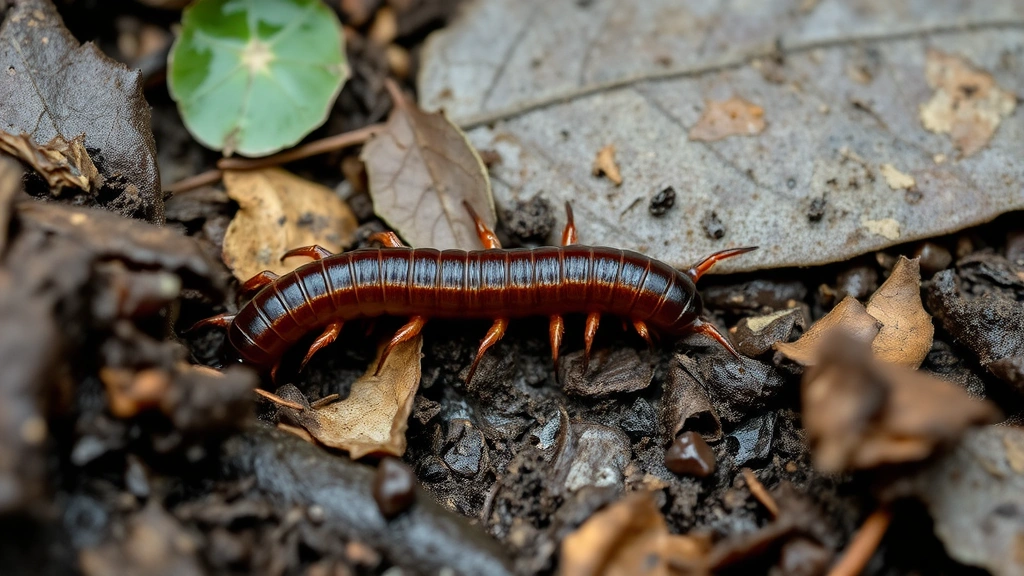
Identifying a baby centipede correctly is the first step toward understanding and appreciating these creatures. Several characteristics can help you distinguish baby centipedes from other arthropods you might encounter around your home or garden.
Body Structure: Look for a long, flattened body composed of distinct segments. Unlike insects, which have three body sections (head, thorax, and abdomen), centipedes have a head followed by numerous body segments, each bearing a pair of legs. A baby centipede will have fewer segments than an adult, typically between 15 and 23 pairs of legs depending on the species and developmental stage.
Leg Appearance: The legs of a baby centipede are notably long and thin, extending laterally from the body. The rear pair of legs, called cerci, often looks distinctly different and longer than the others, sometimes resembling antennae to the untrained eye. This distinctive feature is a reliable identifier.
Color and Texture: Baby centipedes typically display colors ranging from pale yellowish to reddish-brown, though some species can be darker. Their exoskeleton has a somewhat shiny, smooth appearance. Unlike millipedes (which are often confused with centipedes), baby centipedes move quickly and deliberately, while millipedes tend to move more slowly.
Size Comparison: When you first encounter a baby centipede, you might be surprised by how small it is. Newly hatched specimens can be nearly invisible, while slightly older babies might range from 3 to 10 millimeters in length. As they grow through successive molts, they gradually increase in size.
Speed and Behavior: Perhaps the most telling characteristic is behavior. Baby centipedes are active hunters and move with surprising speed and purpose. They dart quickly across surfaces, searching for prey. This contrasts sharply with the slower, more deliberate movement of millipedes or the erratic scurrying of certain insects.
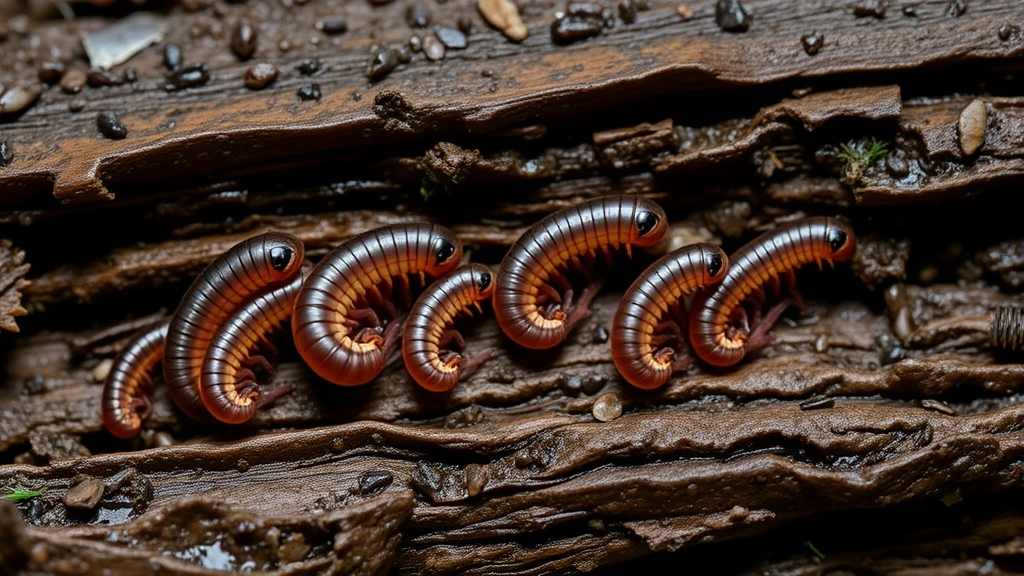
One common confusion point: distinguishing baby centipedes from millipedes. While both are arthropods with many legs, they’re quite different. Millipedes have two pairs of legs per body segment (making them appear “thicker” in leg density), while centipedes have one pair per segment. Additionally, centipedes are predators with venomous fangs, while millipedes are detritivores that feed on decaying plant matter.
Behavior and Habitat
Baby centipedes exhibit fascinating behaviors that reflect their role as small but mighty predators. Understanding their natural behavior helps explain why you might encounter them and what they’re actually doing when you spot them.
Hunting Behavior: From the moment they hatch, baby centipedes are active hunters. They use their long antennae to sense vibrations and chemical signals in their environment, helping them locate prey. Despite their tiny size, they’ll eagerly attack and consume small arthropods, nematodes, and other invertebrates. This predatory behavior is remarkably efficient—baby centipedes waste no time in establishing themselves as effective hunters in their ecological niche.
Nocturnal Tendencies: Most baby centipedes are primarily nocturnal, meaning they’re most active during nighttime hours. This behavior helps them avoid predators and find optimal hunting conditions. If you encounter a baby centipede during the day, it’s likely either searching for shelter or displaced from its preferred hiding spot.
Moisture Requirements: Baby centipedes require consistently moist environments to survive. Unlike many insects that can tolerate dry conditions, centipedes lack a waterproof coating on their exoskeleton, making them vulnerable to desiccation. This is why you’ll typically find them in damp basements, bathrooms, gardens with rich soil, or other moisture-rich environments.
Preferred Habitats: Baby centipedes thrive in environments with abundant organic matter and moisture. Common habitats include:
- Leaf litter and decomposing wood
- Soil rich with organic material
- Under rocks, logs, and other debris
- Damp basements and crawl spaces
- Areas around plant roots
- Mulched garden beds
In homes, baby centipedes often appear in basements, bathrooms, and kitchens—essentially anywhere that provides moisture and potential prey. They’re not there to cause harm; they’re simply seeking suitable living conditions and food sources.
Social Structure: Unlike some arthropods that live in colonies, baby centipedes are generally solitary creatures. They don’t cooperate with siblings or other individuals, and they certainly don’t work together for any common goal. Each baby centipede is essentially a lone hunter, responsible for finding its own food and shelter from the moment it hatches.
Safety Considerations for Families
One of the most common concerns parents have about baby centipedes relates to safety. Are they dangerous? Will they bite? Can they harm my children or pets? Let’s address these concerns with accurate, evidence-based information.
Venom and Bites: Baby centipedes do possess venom and venomous fangs (forcipules), which they use to subdue their tiny prey. However, the venom is specifically designed for small arthropods and is far too weak to cause any significant harm to humans. Additionally, baby centipedes are extremely reluctant to bite humans. They’re small, shy creatures that prefer to flee rather than fight.
Defensive Behavior: If a baby centipede somehow ended up on your skin, it would almost certainly try to escape rather than bite. These creatures are not aggressive toward humans and have no evolutionary reason to attack something vastly larger than themselves. Bites are extraordinarily rare and would only occur if a centipede felt severely threatened and had no escape route.
Allergic Reactions: For the vast majority of people, even if a baby centipede were to bite (which is extremely unlikely), there would be no reaction beyond perhaps a tiny puncture mark. Some individuals with specific allergies might experience minor localized reactions, but serious allergic responses are virtually unheard of with baby centipedes due to their minimal venom production.
Pet Safety: Most household pets are at minimal risk from baby centipedes. Cats and dogs are far too large for a baby centipede to pose any threat. However, very small pets like young chicks, small reptiles, or tiny mammals might see baby centipedes as food or vice versa. Generally speaking, baby centipedes are far more likely to be preyed upon by pets than to threaten them.
Home Management: If you’re concerned about baby centipedes in your home, focus on environmental management rather than extermination:
- Reduce moisture by fixing leaky pipes and improving ventilation
- Remove leaf litter and debris from foundation areas
- Seal cracks and crevices where they might enter
- Store firewood away from the house
- Maintain proper drainage around your property
These steps address the root cause (attractive habitat) rather than just treating symptoms. Additionally, remember that baby centipedes actually help control populations of other household pests, making them somewhat beneficial despite their unsettling appearance.
Their Role in the Ecosystem
Understanding the ecological importance of baby centipedes can help shift perspectives from “pest” to “beneficial creature.” These organisms play crucial roles in maintaining healthy ecosystems and food webs.
Natural Pest Control: Baby centipedes are voracious hunters of arthropod pests. They consume insects, other arthropods, and small invertebrates that might otherwise become problematic. In gardens and natural areas, baby centipedes help maintain ecological balance by controlling populations of creatures that might damage plants or become nuisances themselves.
Food Source: While baby centipedes are hunters, they’re also prey for various animals. Spiders, lizards, birds, and small mammals all consume centipedes as part of their diet. Baby centipedes, being smaller and more vulnerable than adults, represent an important food source for smaller predators. This interconnection demonstrates their integral role in food webs.
Indicator Species: The presence of baby centipedes in an area can indicate a healthy ecosystem with abundant invertebrate life and proper moisture levels. Ecologists and naturalists often use the presence of centipedes as an indicator of soil health and environmental quality. If baby centipedes are thriving in an area, it generally suggests good ecological conditions.
Nutrient Cycling: Though centipedes themselves don’t directly decompose organic matter, their presence and activities support the broader decomposition process. By consuming detritivores and other arthropods, centipedes influence nutrient cycling and the flow of energy through ecosystems.
Biodiversity Indicator: Areas that support diverse centipede populations typically support diverse arthropod communities overall. This biodiversity is crucial for ecosystem resilience and function. Baby centipedes, as part of this diverse community, contribute to the overall health and stability of natural systems.
Frequently Asked Questions
Are baby centipedes born live or from eggs?
Baby centipedes hatch from eggs. Female centipedes lay eggs in protected chambers within moist soil or other suitable locations. Some species guard their eggs, while others don’t. The eggs are incredibly small and typically hatch within two to three weeks, depending on temperature and humidity conditions.
How many legs does a baby centipede have?
The number of legs on a baby centipede depends on its developmental stage and species. Newly hatched centipedes typically have fewer legs than older juveniles or adults. Most baby centipedes have between 15 and 23 pairs of legs initially, with additional pairs developing as they molt and grow. Adult centipedes can have significantly more leg pairs, with some species having up to 177 pairs.
Can baby centipedes cause harm to humans?
Baby centipedes pose virtually no threat to humans. While they do possess venom and venomous fangs, the venom is designed for tiny prey and is far too weak to cause harm to humans. Additionally, baby centipedes are extremely reluctant to bite and will almost always attempt to flee from humans rather than attack. Bites are extraordinarily rare and would cause at most a tiny puncture mark.
What do baby centipedes eat?
Baby centipedes are carnivorous predators. They hunt and consume small arthropods, nematodes, small insects, and other invertebrates appropriate to their size. Newly hatched specimens might feed on microscopic organisms and tiny arthropods, while larger juveniles can tackle progressively larger prey as they grow.
How long does it take for a baby centipede to become an adult?
The timeline for development varies significantly by species and environmental conditions. Some centipede species reach adulthood in just a few months, while others might take several years. Temperature, humidity, food availability, and other environmental factors all influence development speed. Generally, warmer, more favorable conditions accelerate development.
Where do baby centipedes come from if I find one in my house?
If you find a baby centipede in your house, it either hatched from eggs that were already present in your home or entered from outside seeking moisture and food. Baby centipedes are attracted to damp environments with plenty of invertebrate prey. Common entry points include foundation cracks, gaps around pipes, and other openings that allow access to basements or crawl spaces.
Do baby centipedes make good pets?
While it’s technically possible to keep baby centipedes as pets, they require specific care including high humidity, appropriate substrate, and live prey for feeding. They’re not recommended for beginners or young children due to their specific needs and their tendency to escape. Additionally, handling them can be stressful for the animals. For families interested in arthropod pets, other species like millipedes or certain insects might be better choices.
How do baby centipedes differ from millipedes?
Baby centipedes and millipedes are often confused but are quite different. Centipedes have one pair of legs per body segment and are carnivorous predators with venomous fangs. Millipedes have two pairs of legs per body segment and are herbivorous detritivores. Centipedes move quickly and deliberately, while millipedes move more slowly. Additionally, centipedes are generally flattened, while millipedes are more cylindrical.
Are baby centipedes found in all climates?
Centipedes are found on every continent except Antarctica, though different species prefer different climates. Tropical and subtropical regions tend to have higher centipede diversity, but species adapted to temperate climates are also common. Baby centipedes in different regions will reflect the climate preferences of their species, with tropical species preferring warmer, more consistently humid conditions, and temperate species being more cold-tolerant.