What Is a Baby Chicken Called? Expert Guide
If you’ve ever wondered what to call a baby chicken, you’re not alone. Whether you’re raising backyard poultry, teaching your kids about farm animals, or just curious about animal terminology, understanding chicken lifecycle vocabulary is more interesting than you might think. The answer is simpler than you’d expect, but there’s actually quite a bit more to learn about these adorable little creatures and their development stages.
Baby chickens have specific names depending on their age and development stage, and knowing these terms can help you communicate more effectively with farmers, veterinarians, and other poultry enthusiasts. This guide breaks down everything you need to know about baby chickens, from the moment they hatch to their first few weeks of life, plus some fascinating facts that might surprise you.
What Is a Baby Chicken Called?
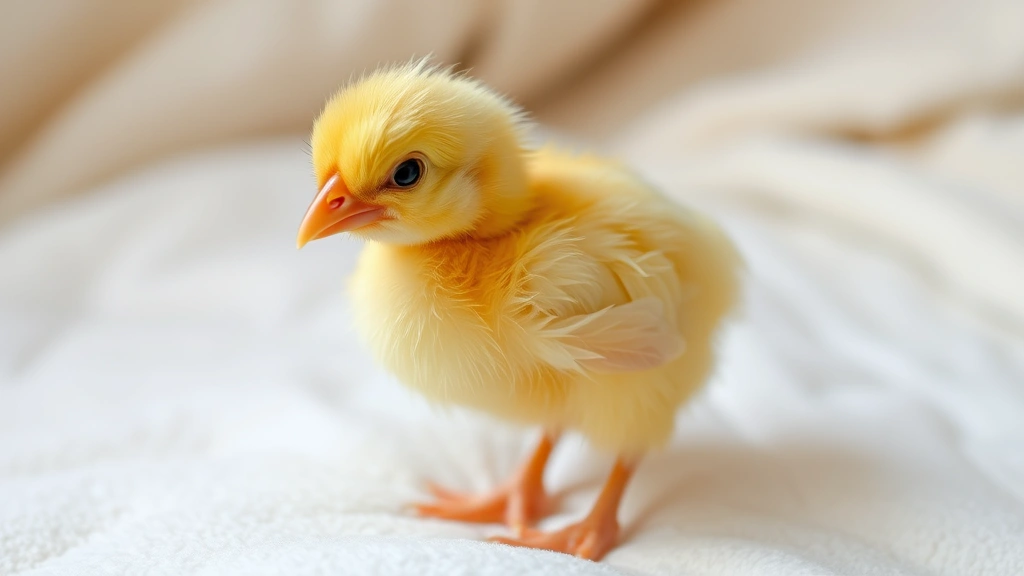
The most straightforward answer is that a baby chicken is called a chick. This term applies to chickens from the moment they hatch until they’re approximately eight weeks old. The word “chick” is universally recognized and used by farmers, poultry experts, and casual observers alike.
However, the terminology becomes more nuanced as the bird matures. Once a chick reaches around eight weeks of age and begins developing distinctive sexual characteristics, it transitions into a new category. A young female chicken is called a pullet, while a young male is called a cockerel. These terms remain applicable until the birds reach full maturity, typically around six months to a year of age, at which point they become hens and roosters respectively.
If you’re interested in learning about other young animals, you might enjoy exploring how other farm creatures are named. For instance, if you’re curious about farm animals in general, you could compare this to a baby elephant, which has its own unique terminology, or even a baby cow, which follows a similar naming progression. There’s also something charming about learning the names of various young animals, much like discovering a wonderful baby book to share with your little ones.
Understanding the Chick Stage
The chick stage is the most vulnerable and exciting period in a chicken’s life. When a chick first emerges from its egg, it’s covered in soft, fluffy down feathers that help keep it warm. These feathers are completely different from the adult plumage that will eventually replace them. A newly hatched chick weighs only about two ounces and is entirely dependent on its mother (or a heat lamp, if you’re raising them artificially) for warmth and protection.
During the first few weeks of life, chicks grow at a remarkable rate. They’ll double or triple their body weight within the first month alone. Their primary activities involve eating, drinking, sleeping, and exploring their immediate environment. Chicks are naturally curious creatures and will peck at almost anything, which is actually how they learn about their world and identify food sources.
According to the American Academy of Pediatrics, understanding animal development stages can be educational for children. If you’re planning to teach your kids about farm animals or even considering raising backyard chickens as a family project, knowing the proper terminology and care requirements is essential.
From Chick to Pullet and Cockerel
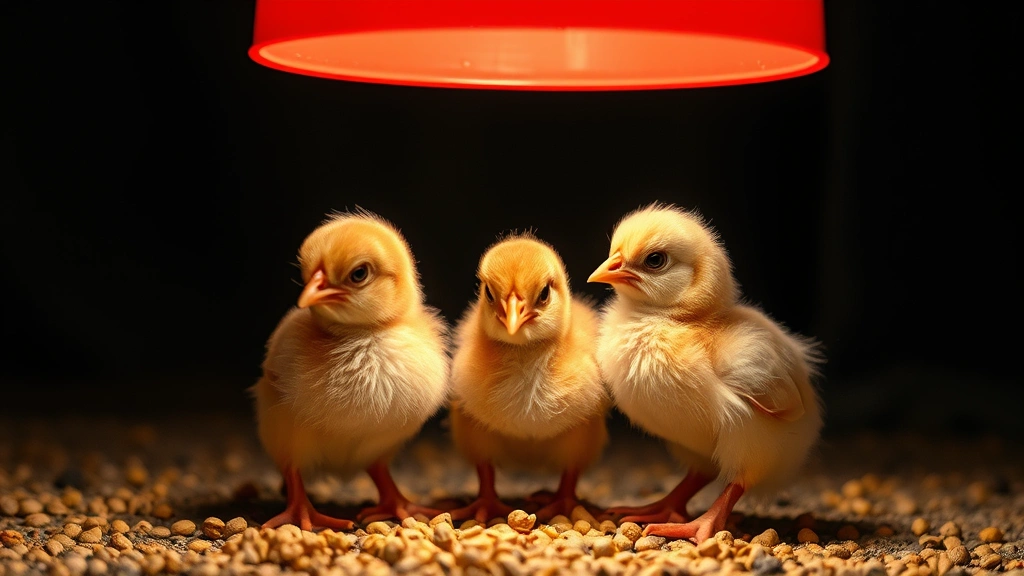
The transition from chick to pullet or cockerel typically occurs around eight weeks of age, though this can vary depending on the breed and individual bird development. This is when you’ll start to notice distinct differences between males and females. Cockerels develop larger combs and wattles earlier than pullets, and their tail feathers grow longer and more curved. Pullets, meanwhile, tend to develop at a slightly slower rate and maintain a more compact body shape.
The terms “pullet” and “cockerel” come from Old French origins and have been used in poultry farming for centuries. A pullet remains a pullet until she begins laying eggs, which typically happens around five to six months of age, at which point she becomes a hen. Similarly, a cockerel becomes a rooster once he reaches full sexual maturity and begins displaying typical rooster behaviors like crowing and establishing dominance within the flock.
It’s worth noting that if you’re curious about other young animals and their development stages, you might also find it interesting to learn about a baby monkey and how primates develop, which offers fascinating parallels to avian development in some ways.
For families interested in poultry farming or backyard chicken keeping, understanding these stages is crucial for proper management. The CDC provides guidelines on safe poultry handling that every chicken keeper should review, especially if children will be involved in caring for the birds.
The Development Timeline
Understanding the complete development timeline of a chicken helps you anticipate what to expect at each stage and ensure you’re providing appropriate care. Here’s a detailed breakdown:
- Days 1-7: Newly hatched chicks are extremely delicate and require constant warmth (around 95°F). They spend most of their time sleeping, eating, and drinking.
- Weeks 2-4: Chicks become more active and adventurous. Their feathers begin to develop more noticeably, and they start establishing a social hierarchy within their group.
- Weeks 5-8: This is when sexual differentiation becomes apparent. Chicks are significantly larger and more independent. They begin to resemble miniature versions of adult chickens.
- Weeks 9-16: Pullets and cockerels continue growing rapidly. Cockerels may begin attempting to crow. Pullets’ bodies prepare for egg production.
- Weeks 17-24: Pullets typically begin laying eggs around 18-20 weeks, officially becoming hens. Cockerels reach full rooster status with established crowing patterns and behaviors.
This timeline can vary significantly based on breed, nutrition, and environmental conditions. Some breeds mature faster than others, and optimal nutrition accelerates development. Parents Magazine offers resources on teaching children about animal development if you’re incorporating chicken raising into your family’s educational activities.
Caring for Baby Chickens
Proper care during the chick stage sets the foundation for healthy, productive adult chickens. Whether you’re raising a few backyard birds or managing a larger flock, certain fundamentals remain consistent.
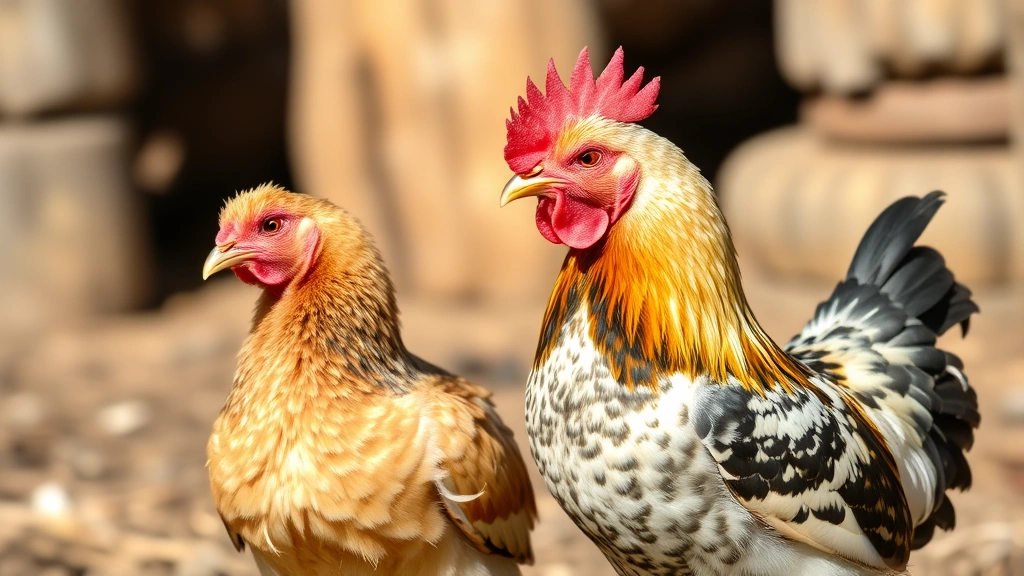
Temperature Management: Newly hatched chicks cannot regulate their body temperature and require external heat sources. A heat lamp should maintain temperatures around 95°F for the first week, decreasing by approximately 5°F each week until the chicks are fully feathered at around six weeks old.
Feeding and Nutrition: Chicks require specialized starter feed formulated specifically for their developmental needs. This feed typically contains 20-24% protein and essential nutrients for rapid growth. Fresh, clean water must be available at all times, and chicks should have access to food throughout the day.
Housing and Space: Chicks need a secure brooder setup that protects them from predators and provides adequate space. A general rule is to provide one square foot of floor space per chick for the first few weeks, increasing as they grow.
Health Monitoring: Watch for signs of illness, injury, or stress. Healthy chicks are active, eating well, and maintaining appropriate body temperature. Any chick displaying lethargy, unusual vocalizations, or physical abnormalities should be isolated and examined.
If you’re planning to introduce chickens to your family, you might also want to explore resources on free baby stuff for your human children, since managing both can require significant resources and planning. Some families even use chicken raising as a teaching opportunity, similar to how they might use baby shower decorations and celebrations to teach about new beginnings.
Fun Facts About Baby Chickens
Beyond the basic terminology and care requirements, there are numerous fascinating aspects of baby chicken development that make them endlessly interesting subjects of study:
- Chicks can recognize and respond to their mother’s calls even before hatching. If you’re incubating eggs artificially, you can actually play recordings of hen clucks to familiarize chicks with maternal sounds.
- Baby chickens are precocial birds, meaning they’re relatively mature and mobile from the moment of hatching, unlike altricial birds that require extensive parental care.
- Chicks develop a distinct personality within the first few days of life. Some are bold and adventurous, while others are naturally cautious and reserved.
- A chick’s first peck is instinctual and perfectly timed—they know exactly how to break through their eggshell using a specialized egg tooth that falls off shortly after hatching.
- Chicks communicate with each other and their mother through over 30 different vocalizations, each conveying specific messages about food, danger, comfort, or distress.
- The sex of a chick is determined at conception, but external differences don’t become obvious until around six to eight weeks of age.
According to university extension programs specializing in poultry science, understanding chicken behavior and development can enhance your experience as a chicken keeper and help you create optimal conditions for your flock.
Frequently Asked Questions
What do you call a baby chicken that just hatched?
A chicken that has just hatched is called a chick. This term applies from the moment of hatching through approximately eight weeks of age. Newly hatched chicks are incredibly vulnerable and require immediate access to warmth, food, and water.
At what age does a chick become a pullet or cockerel?
Chicks typically transition to pullets (females) or cockerels (males) around eight weeks of age, though this varies by breed. At this stage, sexual differentiation becomes visually apparent, with males developing larger combs and wattles more quickly than females.
When does a pullet become a hen?
A pullet officially becomes a hen when she begins laying eggs, typically between 18-20 weeks of age. Some breeds mature faster or slower than others, so this timeline can vary. The transition from pullet to hen marks the beginning of her productive egg-laying phase.
What’s the difference between a rooster and a cockerel?
A cockerel is a young male chicken, typically under one year of age, while a rooster is a mature male chicken that has reached full adulthood. The transition typically occurs around one year of age, though behavioral maturity may begin earlier.
Can you tell the sex of a chick immediately after hatching?
Determining the sex of newly hatched chicks is extremely difficult without specialized training. Trained hatchery workers use a technique called “vent sexing,” which involves examining the chick’s cloaca. However, visual sex differentiation becomes apparent around six to eight weeks of age.
How long do chicks stay in the brooder?
Chicks typically remain in the brooder for four to six weeks, depending on breed, weather conditions, and their development. They’re ready to transition to a larger coop once they’re fully feathered and can maintain their body temperature without supplemental heat.
What’s the best way to introduce children to baby chickens?
Introduce children to chicks gradually and under supervision. Teach them to handle birds gently, wash hands afterward, and respect the chicks’ need for rest and food. Chicks can be fragile, so emphasize careful, calm interactions. This experience can teach valuable lessons about responsibility, animal care, and biology.