Is Baby Cologne Safe? Expert Insights on Fragrance for Your Little One
The nursery smells like lavender and baby powder. Your little one is dressed in their finest outfit. Then someone suggests a spritz of cologne to complete the look—and suddenly you’re wondering if that’s actually a good idea. It’s one of those parenting moments where tradition meets modern safety concerns, and honestly, it deserves a thoughtful answer.
Baby cologne has been a staple in family traditions for generations, passed down like heirlooms and special occasion rituals. Yet today’s parents are rightfully more cautious about what touches their baby’s delicate skin. The question isn’t just about whether baby cologne exists or smells nice—it’s about whether it’s genuinely safe for your child’s developing skin and respiratory system.
Let’s cut through the marketing and get real about what experts actually say regarding fragrances for babies, what makes certain products safer than others, and whether there are better alternatives that won’t compromise your child’s wellbeing.
Understanding Baby Skin and Fragrance Sensitivity
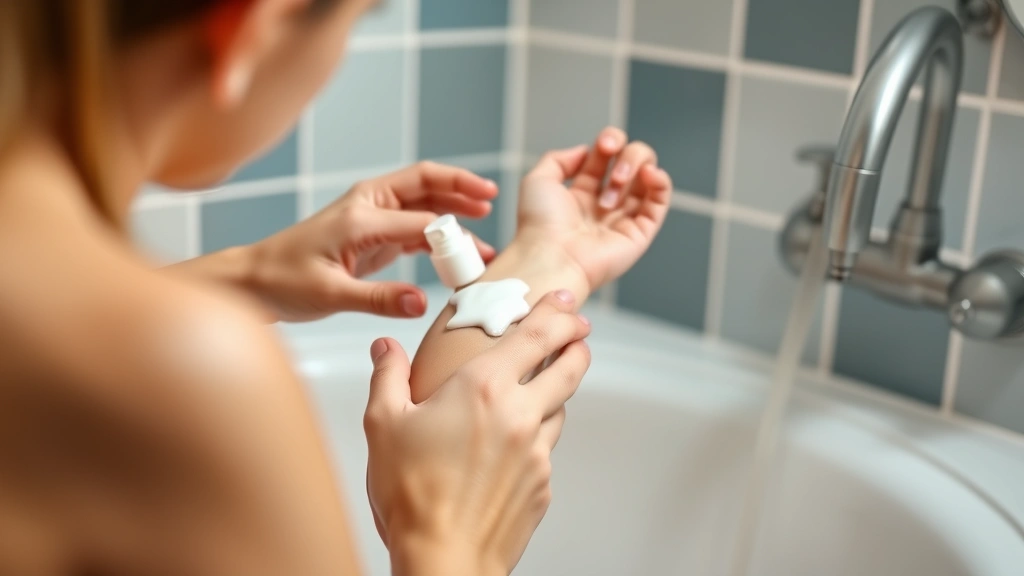
Your baby’s skin isn’t just a smaller version of adult skin—it’s fundamentally different. A newborn’s skin barrier is still developing, becoming more effective at protecting against irritants and bacteria as weeks pass. The skin of infants is approximately 30% thinner than adult skin, meaning substances penetrate more easily and potentially cause greater irritation.
This fragility matters tremendously when we’re talking about cologne or perfume. These products contain concentrated aromatic compounds that can trigger reactions in sensitive skin. What might be a pleasant scent for you could be a source of irritation, allergic response, or respiratory sensitivity for your baby.
Babies also lack the ability to communicate discomfort in specific ways. They can’t tell you their skin feels irritated or that a smell is overwhelming their senses. Instead, you might notice unexplained fussiness, rashes, or respiratory changes—and by then, the damage is already done.
According to research from the American Academy of Dermatology, fragrance is one of the most common contact allergens, affecting up to 1-3% of the population. Babies haven’t been exposed to these allergens yet, so their immune systems haven’t built tolerance. This makes them particularly vulnerable during their first year.
What Dermatologists Say About Baby Cologne
The professional consensus from pediatric dermatologists is remarkably consistent: babies don’t need cologne, and most dermatologists recommend avoiding it entirely during the first year of life. After that, if you choose to use fragrance, it should be minimal and specifically formulated for sensitive skin.
Dr. recommendations typically focus on the unnecessary nature of cologne for infants. Babies have their own natural scent—that magical “baby smell” that most parents find absolutely intoxicating. This scent comes from natural oils and isn’t something that needs enhancement or masking.
The American Academy of Pediatrics emphasizes keeping baby’s environment as free from unnecessary chemicals as possible. This includes fragrance products, which are considered non-essential for infant care. Their guidance suggests that parents should focus on keeping babies clean and comfortable rather than adding fragrance layers.
One concern dermatologists highlight is the cumulative effect of fragrances. If your baby is exposed to cologne, scented lotions, perfumed laundry detergent, and fragrant wipes simultaneously, the irritant load becomes significant. Each product individually might be tolerable, but together they create an environment that’s overwhelming for developing skin.
Ingredients to Avoid in Baby Fragrances
If you do decide to use fragrance around your baby, understanding problematic ingredients is crucial. Not all fragrances are created equal, and some are significantly more concerning than others.
- Alcohol: Many colognes contain high concentrations of alcohol, which can dry out baby skin and disrupt the natural moisture barrier. This is particularly problematic for infants prone to eczema or sensitive skin conditions.
- Synthetic Fragrances: The term “fragrance” on a label can hide hundreds of different chemical compounds. Manufacturers aren’t required to list individual fragrance components, making it impossible to know exactly what your baby is being exposed to. These synthetic compounds are often the culprits behind allergic reactions.
- Phthalates: These chemicals are sometimes used in fragrances to make scents last longer. They’ve been linked to endocrine disruption and aren’t recommended for use on babies. Look for “phthalate-free” labeling if fragrance is unavoidable.
- Essential Oils: While natural-sounding, concentrated essential oils can be irritating to baby skin. Tea tree oil, eucalyptus, and peppermint are particularly strong and should be avoided on infants.
- Preservatives: Formaldehyde-releasing preservatives and parabens are sometimes found in fragranced products and can trigger skin reactions in sensitive babies.
When examining products, look for certifications from dermatological organizations. Products labeled as hypoallergenic and specifically formulated for sensitive or baby skin are generally safer choices, though “hypoallergenic” isn’t a regulated term.
Safe Alternatives to Traditional Baby Cologne
The good news? There are genuinely safe ways to keep your baby smelling fresh and sweet without risking skin irritation or respiratory issues.
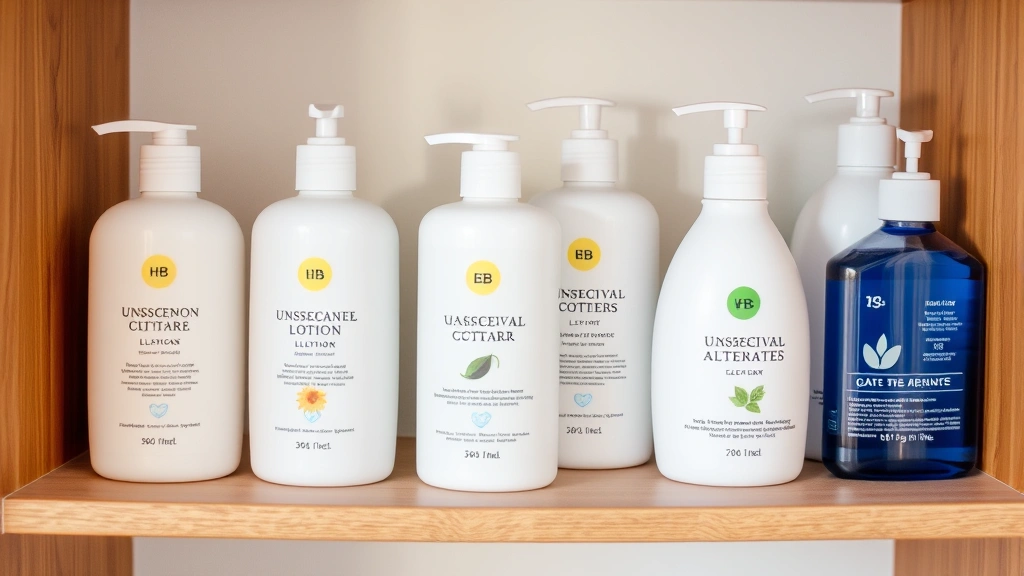
Unscented Baby Care Products: Your first line of defense is using high-quality, unscented baby wash and lotion. Products like those recommended in our guide to baby shampoo options focus on gentle cleansing without fragrance additives. These keep your baby clean and naturally fresh-smelling without chemical intervention.
Natural Alternatives: If you want your baby to smell pleasant for special occasions, consider subtle natural approaches. A tiny amount of unscented lotion with a drop of diluted, baby-safe essential oil (like chamomile) applied to your clothing rather than directly to baby’s skin is less risky than cologne directly applied to a child.
Fresh Linens and Clothing: Wash baby’s clothes, blankets, and bedding with gentle, unscented detergent. The natural scent of clean fabrics is often more appealing than any artificial fragrance. Some parents find that dryer balls with essential oil work well for adding subtle scent to laundry without harsh chemicals.
Room Diffusion: If you want fragrance in your baby’s space, use a diffuser in the room (placed safely out of reach) rather than applying anything directly to your child’s skin. This gives you the benefit of pleasant scent while minimizing direct contact with baby’s delicate skin.
Fragrance-Free Skincare: Products specifically designed for babies, like those featured in baby registry must haves, are formulated without fragrance. These products clean and protect without unnecessary additives.
When Baby Cologne Might Be Appropriate
There are specific circumstances where using minimal fragrance on a baby is more defensible, though it’s still worth approaching cautiously.
Special Occasions: If you’re considering cologne for a christening, naming ceremony, or special photo session, the occasional, minimal use is less concerning than regular application. Even then, test the product on your own skin first and apply sparingly to clothing rather than directly to skin.
Older Babies and Toddlers: Once your child reaches 12-18 months and their skin barrier has matured considerably, the risks decrease. Even then, baby-specific fragrances are preferable to adult products. Some baby boy gifts and baby girl gifts include gentle, age-appropriate fragranced products designed specifically for toddlers.
Family Traditions: If cologne is an important family tradition—perhaps you wore it as a baby or it’s part of cultural practice—you can honor that tradition thoughtfully. Choose products specifically labeled for babies, apply minimally, and monitor for any signs of irritation.
For special events like baby showers, consider fragrance-free options that align with your family’s values. Many baby shower gift ideas focus on practical, safe items rather than fragranced products.
Practical Tips for Using Fragrance Around Babies
If you decide to introduce fragrance into your baby’s life, these practical guidelines can minimize potential risks:
- Patch Test First: Apply any fragrance product to a small area of your baby’s skin 24 hours before broader use. Watch for redness, rash, or any signs of irritation.
- Start Small: Begin with minimal amounts. A single spray on clothing is preferable to multiple applications directly on skin.
- Choose Baby-Specific Products: Never use adult cologne on a baby. If you use fragrance at all, select products explicitly formulated for infants and tested for safety on sensitive skin.
- Apply to Clothing, Not Skin: When possible, spray fragrance on your own clothing or baby’s outfit rather than directly on their skin. This creates a barrier and reduces direct contact.
- Avoid the Face: Keep any fragrance away from your baby’s face and hands, where they might touch their eyes or put fingers in their mouth.
- Monitor Breathing: Watch for any respiratory changes. If your baby seems to have difficulty breathing or excessive coughing after fragrance exposure, discontinue use immediately and consult your pediatrician.
- Check for Allergic Reactions: Look for unexplained rashes, excessive fussiness, or skin changes. These might indicate a reaction to the fragrance.
- Limit Cumulative Exposure: If using cologne occasionally, ensure other products in your baby’s routine (wipes, lotion, detergent) are fragrance-free to avoid overwhelming their system.
- Consult Your Pediatrician: If your baby has eczema, sensitive skin, or respiratory conditions like asthma, discuss fragrance use with your doctor before introducing any scented products.
Remember that just because a product exists doesn’t mean your baby needs it. The safest approach is always the most conservative one when it comes to your child’s health and wellbeing.
Frequently Asked Questions
Is baby cologne safe for newborns?
No, pediatric dermatologists recommend avoiding cologne on newborns entirely. A newborn’s skin barrier is still developing, making them particularly vulnerable to irritation and allergic reactions. The American Academy of Pediatrics suggests keeping a newborn’s environment free from unnecessary chemicals and fragrances during the first year of life.
What’s the difference between baby cologne and adult cologne?
Baby cologne, when available, typically has lower concentrations of fragrance compounds and is formulated with gentler ingredients and fewer harsh chemicals. Adult cologne contains higher alcohol content and stronger synthetic fragrances that are too potent for sensitive baby skin. Adult products are not tested for safety on infants and should never be used on babies.
Can cologne cause eczema in babies?
While cologne doesn’t cause eczema, it can trigger flare-ups in babies predisposed to the condition. Fragrances are common irritants and allergens that can worsen eczema symptoms. If your baby has eczema or sensitive skin, avoid fragrance products entirely and consult your pediatrician before introducing any scented items.
What age can babies safely wear cologne?
Most experts suggest waiting until at least 12-18 months when the skin barrier is more developed. Even then, only use products specifically formulated for babies and apply minimally. For children over three years old, adult fragrances are still not appropriate, but specially formulated children’s fragrances might be acceptable with parental discretion.
Are natural or organic baby colognes safer?
“Natural” and “organic” don’t automatically mean safe for babies. Essential oils and natural fragrances can be just as irritating as synthetic ones. The safety of any product depends on its specific formulation, concentration, and your individual baby’s skin sensitivity. Always check ingredient lists and patch test regardless of whether a product is labeled natural or organic.
What should I do if my baby has a reaction to cologne?
Stop using the product immediately and rinse the affected area with lukewarm water. If the reaction is mild (slight redness), monitor the area and watch for improvement. If your baby develops a rash, hives, swelling, difficulty breathing, or shows signs of distress, contact your pediatrician or seek immediate medical attention. Keep the product packaging so you can provide ingredient information to your doctor.
Is there a safer way to make my baby smell good?
Absolutely. Use unscented baby wash and lotion, wash clothing in gentle detergent, and ensure your baby is clean and dry. The natural scent of a clean baby is genuinely pleasant. If you want additional fragrance, use room diffusers in your baby’s space rather than applying anything directly to their skin, or apply minimal fragrance to your own clothing so your baby smells your scent rather than wearing fragrance themselves.
Do I need to avoid all fragrance products around my baby?
During the first year, yes—avoid fragrance directly on your baby’s skin. You can use fragrance in your own environment (your clothes, the room) as long as it’s not overwhelming. After the first year, you have more flexibility, but keeping your baby’s direct products (wipes, lotion, wash) fragrance-free is still the safest approach. Focus on quality, gentle products rather than fragrance-heavy ones.