Free Baby Coloring Pages: Creative Fun for Kids
Let’s be honest—keeping toddlers and preschoolers entertained while maintaining your sanity is basically an Olympic sport. You’re juggling snack time, nap schedules, and the constant quest for activities that won’t result in marker-stained walls or a living room that looks like a craft explosion happened. Enter: baby coloring pages. They’re simple, they’re free, and they’re surprisingly effective at channeling your little one’s creative energy into something constructive.
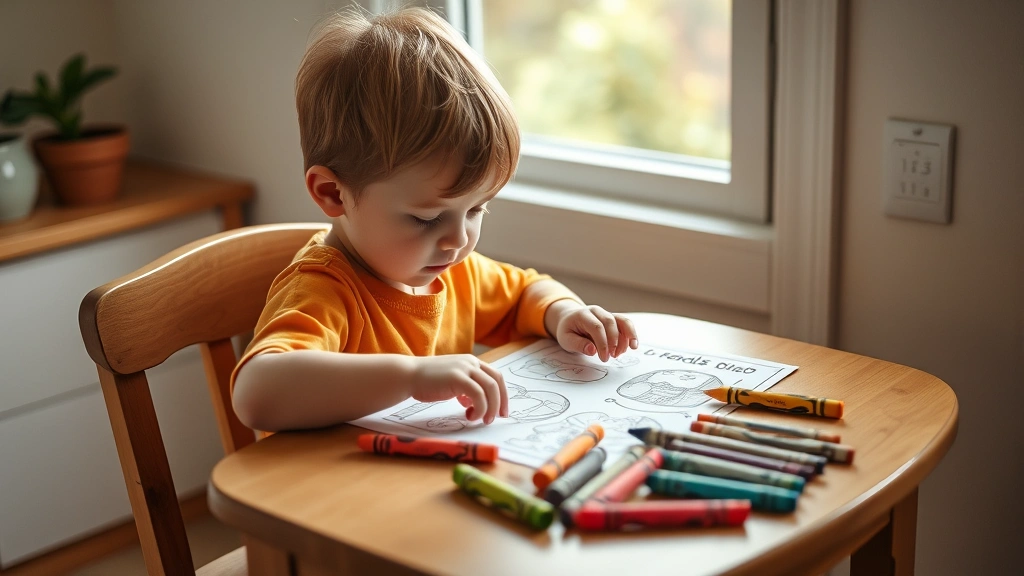
Coloring isn’t just busywork, though. When your child grabs that oversized crayon and starts filling in shapes, something genuinely developmental is happening behind the scenes. Fine motor skills are strengthening, color recognition is clicking into place, and focus is gradually expanding. Plus, there’s something wonderfully calming about watching a fidgety toddler settle into the quiet focus that coloring brings.
Whether you’re a parent seeking screen-free activities, an educator looking for classroom resources, or a caregiver wanting to keep little hands busy during transitions, free baby coloring pages offer a straightforward solution that actually works. Let’s explore how to find them, use them effectively, and why they deserve a permanent spot in your parenting toolkit.
Why Coloring Matters for Young Children
Coloring pages might seem like a simple activity, but they’re actually a gateway to multiple developmental milestones. When your baby or toddler engages with coloring, they’re not just making marks on paper—they’re building neural pathways that support learning, creativity, and self-regulation.
The act of choosing a color and applying it to a designated space requires decision-making skills that are foundational to later learning. Your child is thinking, planning, and executing. That’s cognitive development happening in real time. Additionally, activities like coloring provide what child development experts call flow state—a state of focused engagement that’s deeply satisfying for young minds.
For parents specifically seeking educational enrichment, free baby coloring pages offer an accessible entry point into structured play. They’re less intimidating than formal learning materials, yet they accomplish genuine developmental work. This is especially valuable if you’re exploring the importance of early childhood education and looking for ways to integrate learning seamlessly into daily routines.
Coloring also supports emotional regulation. Young children often lack the vocabulary to express big feelings. Coloring provides a non-verbal outlet for creativity and emotion, giving them a healthy way to process their internal world. It’s why many child psychologists recommend coloring as part of anxiety management for little ones.
Where to Find Free Baby Coloring Pages
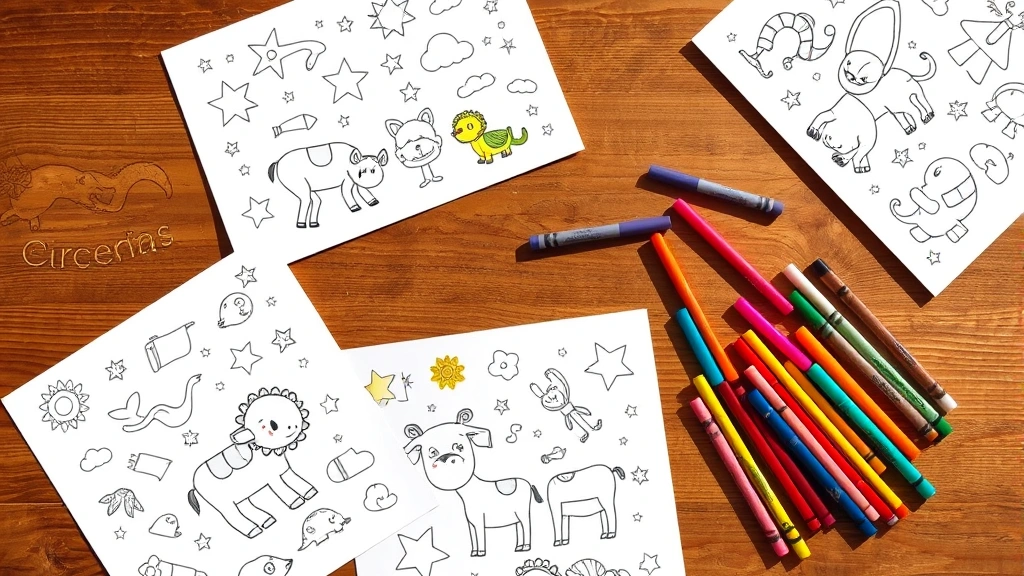
The internet is absolutely brimming with free coloring pages designed specifically for babies and toddlers. The challenge isn’t finding them—it’s sorting through the options to locate quality resources that match your child’s age and interests.
Popular Websites with Extensive Collections:
- Crayola.com offers age-appropriate pages and actually provides guidance on developmental appropriateness, which is incredibly helpful for parents unsure what’s suitable for their child’s stage.
- SuperColoring.com features thousands of free pages, with easy filtering by difficulty level and theme. The interface is parent-friendly, and pages print clearly without excessive ink usage.
- Kids.gov curates educational coloring pages that tie into learning themes, making them particularly valuable if you’re combining coloring with informal education.
- Pinterest functions as a visual search engine for coloring pages. Searching terms like “baby coloring pages 18 months” or “toddler shapes coloring” yields surprisingly targeted results from educators and parenting bloggers.
- Teachers Pay Teachers offers both free and low-cost options created by actual educators who understand child development.
If you’re interested in combining coloring with other creative pursuits, exploring baby drawing resources can expand your toolkit beyond pre-drawn pages. Many sites offer both structured coloring pages and blank pages for open-ended drawing, giving you flexibility based on your child’s mood and developmental stage.
For themed collections, consider searching for seasonal pages (pumpkins in fall, snowflakes in winter) or thematic sets aligned with your child’s interests. A toddler obsessed with animals will engage more enthusiastically with animal-themed pages than generic designs.
Best Practices for Coloring Success
Having free baby coloring pages is one thing. Using them effectively to maximize your child’s engagement and development is another.
Setup Matters More Than You’d Think:
- Use a child-sized table or lap desk rather than a full-sized table. This reduces the distance between your child’s eyes and the page, improving focus and control.
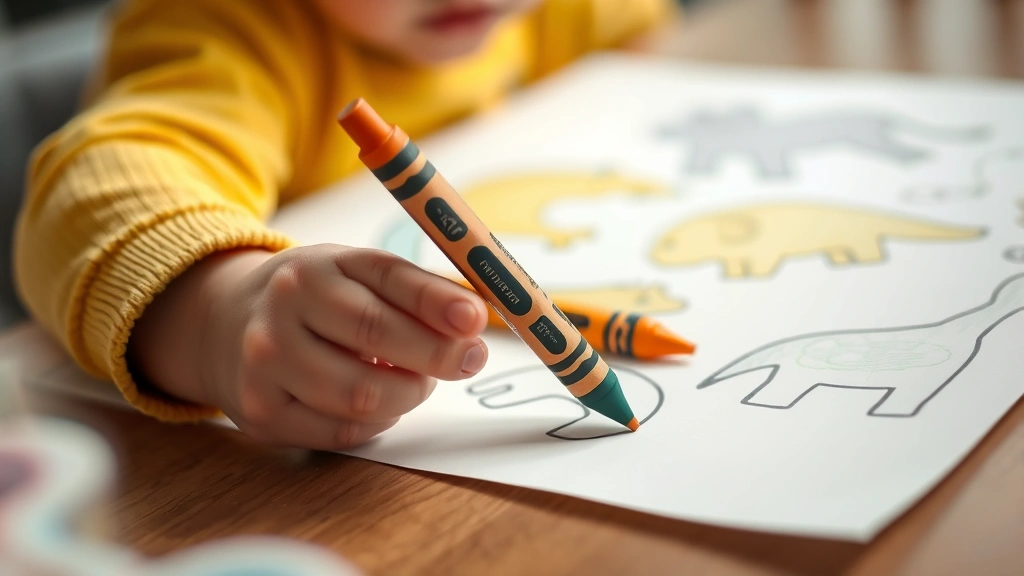
- Provide chunky crayons designed for little hands. Regular crayons are frustratingly thin for toddlers and often lead to breakage and disappointment.
- Limit color choices initially. Offering three to five colors is more manageable than an entire crayon box, which can overwhelm young children and extend decision-making indefinitely.
- Protect your surfaces. Use washable markers and have paper towels within arm’s reach. Stress about mess prevents both you and your child from relaxing into the activity.
Timing and Duration:
Attention spans are genuinely short for babies and toddlers. A five-minute coloring session for an 18-month-old is perfectly adequate. Pushing for longer sessions often backfires, creating resistance to an otherwise enjoyable activity. Quality over quantity applies here.
Schedule coloring during times when your child is naturally alert and not overstimulated. Post-nap or mid-morning often works better than late afternoon when energy levels are depleted and frustration tolerance is lower.
Your Role as Facilitator:
Resist the urge to correct or guide your child’s coloring choices. If they want to make the elephant purple, let that purple elephant exist in all its glory. Your job is to provide materials and gentle encouragement, not to enforce realistic coloring.
Sit alongside your child during coloring. You don’t need to color yourself (though you can if you want), but your presence matters. Comment on what you notice without judgment: “I see you chose blue for that shape” or “You’re working really carefully on that page.” This narration builds vocabulary and shows genuine interest in their process.
The Developmental Benefits Beyond Fun
While coloring feels like simple play, the developmental payoff is substantial. Understanding what’s actually happening during these quiet moments can deepen your appreciation for the activity and help you recognize its value when you’re tempted to dismiss it as “just coloring.”
Fine Motor Skill Development:
Every time your child grips a crayon and applies pressure to paper, they’re strengthening the small muscles in their hands and fingers. This is foundational work for later skills like writing, self-feeding with utensils, and buttoning clothes. According to the American Academy of Pediatrics, fine motor development is one of the key milestones tracked during well-child visits, and activities like coloring meaningfully contribute to this development.
Cognitive Development and Color Recognition:
Coloring reinforces color vocabulary and recognition. Your child is learning to identify colors, make choices based on color preferences, and understand how colors can represent different objects. This foundational cognitive work supports later academic learning.
Hand-Eye Coordination:
Staying within the lines (or attempting to) requires coordination between what your child sees and what their hands do. This hand-eye coordination is crucial for everything from sports to academics to basic daily tasks.
Emotional Regulation and Creativity:
The repetitive, focused nature of coloring has a calming effect on young nervous systems. It provides a socially acceptable outlet for creative expression and helps children develop comfort with independent play. If your child struggles with transitions or has difficulty settling, baby books combined with coloring pages can create a powerful calming routine.
Research from child development specialists indicates that creative activities like coloring support emotional resilience and provide children with healthy coping mechanisms they’ll carry into adulthood.
Creative Variations to Keep Things Fresh
Once basic coloring becomes routine, introducing variations prevents boredom and extends the developmental value of the activity.
Mixed Media Coloring:
Go beyond traditional crayons. Try colored pencils, washable markers, paint sticks, or even thick paintbrushes with watercolor paint. Each medium engages muscles differently and provides novel sensory experiences. A child who’s disengaged from crayons might light up with markers or paint.
Textured Coloring Experiences:
Add texture to the coloring process. Glue sand onto coloring pages before coloring, creating a raised surface. Use glitter glue instead of regular crayons. These sensory additions create multi-sensory engagement that’s particularly valuable for tactile learners.
Collaborative Coloring:
Print a large coloring page and color it together. Let your child direct the color choices while you handle some of the finer details. This creates connection and makes coloring a social activity rather than purely solitary play.
Thematic Collections:
Create coloring collections around your child’s interests. If they love animals, print animal pages. If they’re fascinated by vehicles, seek out transportation-themed pages. This targeted approach maintains engagement and makes coloring feel personally relevant to your child.
Seasonal Rotations:
Keep coloring fresh by rotating seasonal pages. Winter snowflakes, spring flowers, summer beach scenes, and fall leaves provide natural variety throughout the year and can tie into conversations about seasons and weather.
For parents seeking gift ideas that complement coloring activities, exploring baby girl gifts or baby boy gifts that include quality art supplies can enhance your child’s creative toolkit. High-quality crayons, washable markers, or art easels make excellent companions to free coloring pages.
Digital Integration (Thoughtfully):
For older toddlers and preschoolers, apps designed for digital coloring can complement traditional coloring without replacing it. These apps often provide immediate gratification (color changes instantly) and can appeal to children who find physical coloring frustrating. However, balance digital coloring with plenty of hands-on options.
Frequently Asked Questions
At what age can babies start coloring?
Babies can begin exploring crayons around 12-15 months, though they’ll likely just mouth and bang them initially. True coloring engagement—intentionally making marks on paper—typically begins around 18-24 months. Every child develops at their own pace, so don’t worry if your toddler isn’t interested in coloring at the “typical” age. Offering the opportunity without pressure is key.
Are coloring pages better than blank paper for young children?
Both have value. Coloring pages provide structure and defined boundaries, which many young children find helpful. Blank paper offers open-ended creative freedom. Ideally, offer both. On days when your child needs structure and success, coloring pages work beautifully. On days when they’re bursting with creative energy, blank paper lets them direct their own vision. The CDC’s developmental milestone tracking emphasizes the importance of varied play experiences, which includes both structured and unstructured creative activities.
What if my child won’t stay within the lines?
That’s completely normal and developmentally appropriate. Young children don’t have the fine motor control or impulse regulation to consistently stay within lines. Staying within lines is a skill that develops gradually over years. Celebrate the coloring itself rather than focusing on precision. The goal is engagement and creative expression, not perfection.
How do I deal with coloring on walls or furniture?
Prevention is easier than correction. Provide designated coloring spaces with protective surfaces. Use washable markers and crayons specifically. Keep coloring supplies in a designated location rather than leaving them accessible throughout the home. If wall art happens (and it will), clean it up matter-of-factly without shame or anger. Your reaction teaches your child about mistakes and resilience.
Can coloring replace screen time?
Absolutely. Coloring is an excellent screen-free activity that provides genuine developmental benefits. However, balance is important. Your child needs varied play experiences—outdoor time, physical play, imaginative play, social interaction, and yes, quiet activities like coloring. Think of coloring as one valuable tool in a diverse toolkit of activities rather than a complete screen replacement.
Are expensive coloring books better than free pages?
Not necessarily. Free coloring pages from reputable websites are often designed by educators and child development professionals. The quality can be equal to or better than purchased books. What matters most is that the pages match your child’s developmental level and interests. Free pages also allow you to experiment with different styles and themes without financial commitment, which is particularly valuable when you’re still discovering what engages your specific child.
How often should children color?
There’s no magic frequency. Some children want to color daily, while others engage sporadically. Offer the opportunity regularly without pressure. Having coloring pages and supplies accessible means your child can self-select the activity when they’re interested. Some days it’ll be their favorite thing; other days they’ll ignore it completely. Both responses are fine.
What supplies do I actually need to get started?
Honestly, just crayons and coloring pages. That’s legitimately it. Chunky crayons designed for toddlers are ideal, and free coloring pages from any of the websites mentioned are perfect. As you expand, consider adding washable markers, colored pencils, or paint, but none of these are necessary to get started. The barrier to entry for coloring is genuinely low, which is part of what makes it such a practical parenting tool.
Beyond the basic supplies, Parents Magazine’s child development section offers excellent guidance on age-appropriate activities and supplies, which can help you make informed choices as you expand your creative toolkit.
Can coloring help with anxiety or overstimulation in young children?
Yes. The focused, repetitive nature of coloring has a calming effect on many children. If your child seems overstimulated or anxious during transitions, offering a coloring page can provide a settling activity. The act of focusing on a specific task can help redirect racing thoughts and calm an activated nervous system. This doesn’t replace professional support if your child has genuine anxiety concerns, but it’s a useful tool in your parenting toolkit for everyday stress management.