Identifying Baby Copperhead Snakes: A Guide for Parents and Homeowners
Finding a snake in your yard or near your home can send any parent into panic mode. But before you react, it helps to know exactly what you’re dealing with. If you live in the eastern or central United States, there’s a reasonable chance that snake might be a baby copperhead—one of North America’s venomous pit vipers. The good news? Understanding how to identify a baby snake species, particularly copperheads, can help you respond calmly and appropriately rather than with unnecessary fear.
Baby copperheads are frequently misidentified, often confused with harmless species like milk snakes or water snakes. This confusion happens because juvenile copperheads look remarkably different from their adult counterparts, sporting bright yellow or greenish tail tips that can actually help them hunt. Parents and homeowners alike often don’t realize what they’re looking at until it’s too late—or worse, they panic and make dangerous decisions based on incorrect identification.
This guide walks you through everything you need to know about identifying baby copperhead snakes, understanding their behavior, and taking appropriate safety measures. Whether you’re concerned about protecting your family or simply curious about the wildlife around your home, having accurate information is your best defense.
What Exactly Is a Baby Copperhead Snake?
The copperhead (Agkistrodon contortrix) is a venomous pit viper native to North America. If you’re wondering how to distinguish venomous snakes from harmless ones, understanding the copperhead is crucial. These snakes belong to the pit viper family, which includes rattlesnakes and water moccasins. The “pit” refers to heat-sensing organs located between their eyes and nostrils—a feature that helps them detect warm-blooded prey.
Baby copperheads are born live, not from eggs, which is already unusual among snakes. A single female can give birth to between 3 and 21 babies, typically in late summer or early fall. These newborns are fully venomous from birth, a fact that surprises many people who mistakenly believe young venomous snakes are harmless. The venom in juveniles is just as potent as in adults, though they deliver smaller quantities due to their size.
Understanding that baby animals in the snake family come with inherent risks helps parents make informed decisions about yard safety and wildlife management. Copperheads are found throughout much of the eastern United States, making them a genuine concern for families living in certain regions.
Physical Characteristics and Identification
Identifying a baby copperhead requires attention to several distinctive features. Here’s what to look for:
- Size: Newborns measure 7 to 9 inches long, making them deceptively small and easy to overlook. They grow to about 24 to 36 inches as adults.
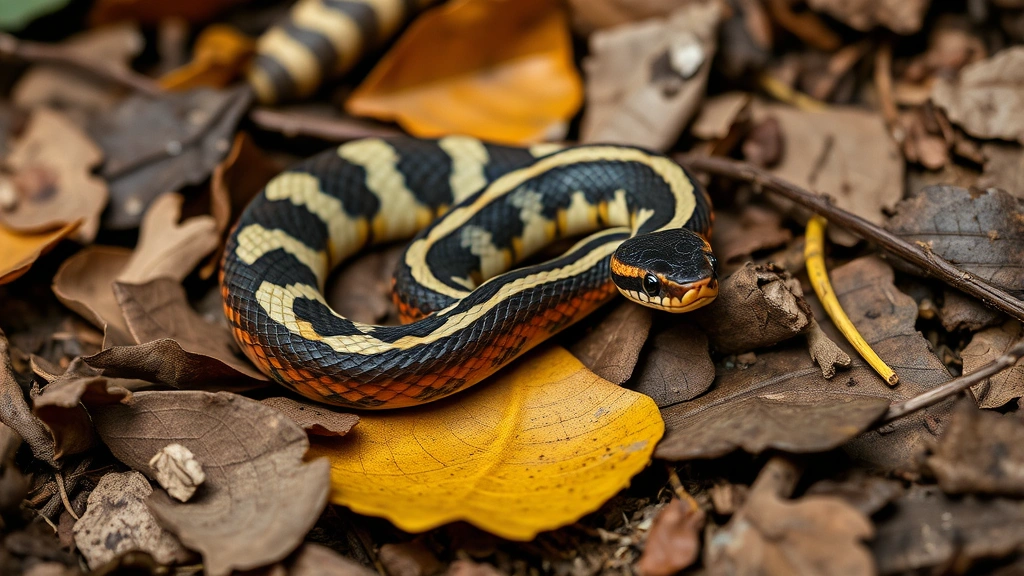
- Coloration: Baby copperheads display gray, tan, or pinkish bodies with darker brown or reddish hourglass-shaped bands running across their backs. These bands are narrower in the middle and wider on the sides.
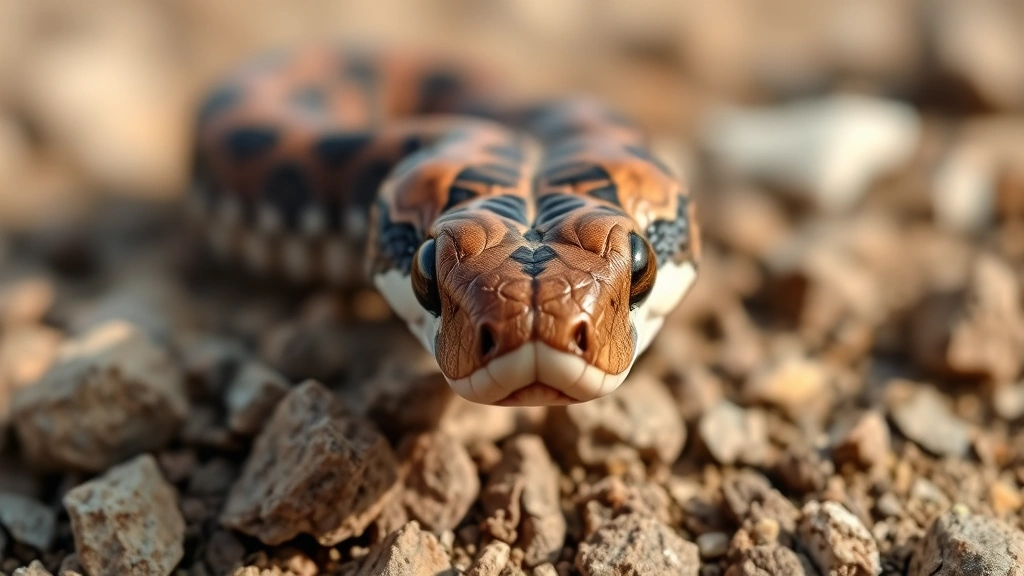
- Head shape: They have distinctly triangular heads—a characteristic feature of pit vipers—which differs from the rounded heads of non-venomous snakes.
- Tail tip: This is the most distinctive feature of juveniles. Baby copperheads have bright yellow, greenish, or pale-colored tail tips. This coloration serves a purpose: it lures curious prey, particularly small lizards and insects.
- Eye pupils: Like other pit vipers, copperheads have vertical, cat-like pupils rather than round ones.
- Body texture: Their scales are keeled, giving them a somewhat rough appearance rather than the smooth look of some other snake species.
The hourglass pattern is so characteristic of copperheads that it’s often considered the gold standard for identification. However, several harmless snakes mimic this pattern, which is why a combination of features matters more than any single characteristic.
How Baby Copperheads Differ From Adults
One of the most confusing aspects of copperhead identification is how dramatically juveniles differ from adults. This transformation happens gradually as the snake matures, which can lead to misidentification at any age.
Adult copperheads typically display a more uniform copper or reddish-brown coloration, losing the stark contrast of their juvenile patterns. Their hourglass bands become less distinct and may eventually fade to near invisibility. Most significantly, that bright yellow tail tip disappears entirely as the snake reaches maturity, replaced by a dark or olive-colored tip. This is why many people can identify an adult copperhead easily but completely miss a juvenile.
The behavioral differences are equally important. Young copperheads are more defensive and more likely to strike when threatened, whereas adults may be more inclined to flee. Understanding these differences helps explain why you might encounter a baby that seems unusually aggressive compared to other snakes you’ve seen.
Common Lookalikes and Misidentification
Baby copperheads are frequently mistaken for harmless species, and sometimes the reverse happens—harmless snakes are killed because people think they’re copperheads. Let’s clarify the most common confusion:
Milk Snakes: These non-venomous snakes have similar banding patterns and coloration to baby copperheads. The key difference? Milk snakes have red, yellow, and black bands arranged in a specific pattern. Remember the rhyme: “Red on yellow, kill a fellow; red on black, friend of Jack.” Copperheads don’t follow this pattern—their bands are hourglass-shaped, not circular rings.
Water Snakes: Northern water snakes and other aquatic species often get confused with copperheads. Water snakes typically have longer, more slender bodies and lack the distinctive triangular head shape. They’re also found near water bodies, whereas copperheads are more adaptable to various habitats.
King Snakes and Rat Snakes: These beneficial snakes actually eat copperheads and other venomous snakes. They’re harmless to humans and invaluable for pest control. Their head shape is rounded rather than triangular, making them distinguishable with close observation.
The most reliable identifier remains that bright yellow tail tip on babies. If you see a small snake with a yellowish tail and hourglass patterns, exercise caution. If you’re unsure, treat it as potentially venomous and keep your distance.
Habitat and Geographic Range
Copperheads are found from Massachusetts to Nebraska and south to Texas and Florida. They’re most common in the southeastern United States, though their range has been expanding northward. Understanding where baby wildlife species typically live helps you assess your personal risk.
These snakes are incredibly adaptable, thriving in diverse environments including woodlands, swamps, rocky hillsides, and surprisingly, suburban areas. They’re often found near water sources but don’t require them. Baby copperheads are particularly common in leaf litter, brush piles, and overgrown vegetation where they hunt small prey and hide from predators.
In your yard, copperheads might be attracted to areas with rodent populations, as these are primary food sources. They’re nocturnal hunters, meaning they’re most active during dawn, dusk, and nighttime hours. Knowing this helps you understand when you’re most likely to encounter one and how to structure yard safety accordingly.
Behavior Patterns You Should Know
Baby copperheads exhibit several behavioral traits that set them apart from other snakes and that parents should understand:
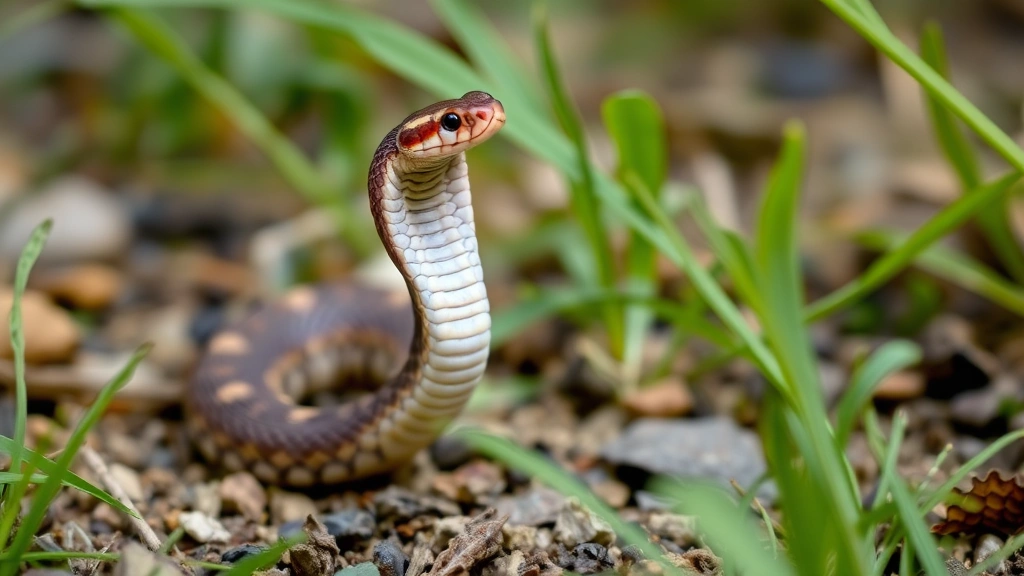
Defensive Posturing: When threatened, baby copperheads flatten their bodies and may coil into an S-shape with their heads raised. This posture makes them appear larger and more intimidating. They’re more likely to stand their ground than flee, which is why they cause more bites than many other venomous snakes.
Hunting Strategy: That bright yellow tail isn’t just decorative—it’s a hunting lure. Baby copperheads wiggle their tail tips to attract small prey like lizards and insects. This behavior sometimes causes people to think the snake is injured or distressed, leading them to approach closer than they should.
Camouflage Effectiveness: Despite their distinctive patterns, baby copperheads are surprisingly difficult to spot in their natural environment. Their coloration blends remarkably well with leaf litter and forest floors, making accidental encounters possible.
Temperature Sensitivity: Like all reptiles, copperheads are cold-blooded and become sluggish in cool weather. They’re most active during warm months, though they may emerge on warm winter days.
Safety Measures for Families
If you live in copperhead territory, taking preventive measures is far more effective than dealing with an encounter. Here’s what families should do:
- Yard Maintenance: Keep grass mowed, remove brush piles and leaf litter, and trim vegetation away from your home’s foundation. Copperheads prefer areas with cover, so removing these habitats makes your yard less attractive.
- Eliminate Food Sources: Rodent control is crucial since copperheads feed on mice and rats. Seal garbage cans, remove pet food, and consider professional pest management if rodent problems exist.
- Secure Spaces: Seal gaps under doors, around utility penetrations, and in foundation cracks. Baby copperheads can fit through surprisingly small openings.
- Educate Children: Teach kids never to pick up snakes, even small ones. Make it clear that baby crocodile encounters are rare in most areas, but snake encounters are possible and require respect.
- Wear Protection: When working in gardens or moving items in areas where copperheads might hide, wear long pants, boots, and gloves. This simple precaution prevents the majority of accidental bites.
- Use Flashlights: If you’re outside at dawn, dusk, or night, use a flashlight to see where you’re stepping. Most bites happen when people accidentally step on snakes they didn’t see.
What To Do If You Encounter One
Despite your best efforts, you might still encounter a baby copperhead. Here’s how to respond safely:
Do This:
- Keep your distance—at least 6 feet if possible
- Back away slowly and calmly
- Leave the snake alone; it will typically move away
- Call a local wildlife removal service if the snake is in your home
- Seek medical attention immediately if bitten
- Contact Poison Control (1-800-222-1222 in the US) after a bite for guidance
Don’t Do This:
- Don’t try to catch, kill, or handle the snake
- Don’t corner it or block its escape route
- Don’t assume a bite wound is minor—copperhead venom can cause serious tissue damage
- Don’t apply home remedies like tourniquets, ice, or suction
- Don’t wait to seek medical attention if bitten
According to the CDC, snake bites require prompt medical evaluation. Even if symptoms seem mild, venom can cause delayed tissue damage. Modern antivenom is highly effective when administered quickly, so hospital treatment is essential.
If you find a baby copperhead in your home, contact a licensed wildlife removal professional. Attempting to remove it yourself dramatically increases bite risk. Most professionals can safely relocate the snake or remove it humanely.
For those interested in broader wildlife safety, understanding how to identify baby turtle species and other creatures can help you make informed decisions about which animals pose genuine threats versus which are harmless neighbors.
Frequently Asked Questions
Are baby copperheads more dangerous than adults?
Baby copperheads are equally venomous as adults, though they deliver smaller venom quantities. However, they’re often more aggressive and more likely to bite when threatened. This combination makes them particularly dangerous despite their small size. Many copperhead bites occur when people encounter juveniles and underestimate the threat.
Can you survive a baby copperhead bite without treatment?
Survival depends on numerous factors including the person’s age, health, bite location, and how much venom was injected. However, the American Academy of Pediatrics emphasizes that all snake bites should receive immediate medical evaluation. Without treatment, tissue damage can be severe, and complications can be life-threatening. Never assume a copperhead bite is survivable without medical intervention.
What should I do if my pet is bitten by a baby copperhead?
Seek veterinary care immediately. Pet bites can be just as serious as human bites, and veterinarians have specific protocols for treating envenomation. Don’t wait to see if symptoms develop—the first few hours are critical for treatment effectiveness.
How can I tell the difference between a copperhead and a milk snake?
The most reliable difference is the band pattern. Copperheads have hourglass-shaped bands (narrow in the middle, wide on the sides). Milk snakes have circular ring patterns with red, yellow, and black bands. Additionally, copperheads have a distinctive triangular head shape and vertical pupils, while milk snakes have rounded heads and round pupils.
Do baby copperheads have rattles?
No. Only rattlesnakes have rattles at the end of their tails. Copperheads, even as adults, never develop rattles. This is an important distinction because some people mistakenly believe copperheads rattle as a warning. They don’t—they rely on other defense mechanisms like hissing and striking.
What time of year are baby copperheads most active?
Baby copperheads are born in late summer and early fall, making August through October peak seasons for encounters with juveniles. However, they remain active throughout warm months. In northern regions, they become dormant during winter, while southern populations may remain active year-round during mild winters.
Can I use a snake repellent to keep baby copperheads away?
Commercial snake repellents have limited effectiveness. The most reliable prevention method is habitat modification—removing food sources, eliminating cover, and sealing entry points to your home. If you’re concerned about copperheads, focus on these proven strategies rather than relying on repellents.
Should I kill a baby copperhead if I see one?
Attempting to kill a snake dramatically increases your bite risk. Additionally, many states have regulations about killing native wildlife. The safest approach is to leave the snake alone or contact a wildlife professional. Most snakes, even venomous ones, will move away if given the opportunity.
Can baby copperheads climb trees or fences?
Baby copperheads are capable climbers and can scale low vegetation, fences, and even trees, though they’re not as proficient as some other snake species. This means securing your yard requires attention to vertical spaces as well as ground-level areas.
Is copperhead venom more potent than rattlesnake venom?
Copperhead venom isn’t necessarily more potent than rattlesnake venom, but it’s more hemotoxic, meaning it causes significant tissue damage. Rattlesnake venom tends to be more neurotoxic. Both require immediate medical attention, though copperhead bites may cause more localized tissue destruction.
Parents Magazine offers comprehensive safety resources for families, including wildlife safety guidelines that complement this information.