What Are Baby Dinosaurs Called? A Fun Guide for Curious Families
Your kid just asked you what a baby dinosaur is called, and you froze. Is it a “dino-ling”? A “tiny-saurus”? Don’t worry—you’re not alone in this moment of parental uncertainty. While we can’t exactly ask a paleontologist at a dinner party every time our children ask about prehistoric creatures, we can absolutely give you the real answer that’ll make you the coolest parent in the room.
Baby dinosaurs have a surprisingly straightforward name: they’re called hatchlings or juveniles, depending on their age and development stage. But here’s where it gets interesting—and where your kids’ eyes will light up. Different dinosaur species had different names based on their scientific classifications, and understanding these terms opens up a whole world of paleontological wonder that even the youngest dinosaur enthusiasts can grasp.
Whether your household is obsessed with T-Rexes, Triceratops, or Velociraptors, this guide breaks down everything you need to know about baby dinosaurs. It’s the perfect conversation starter for bedtime stories, museum trips, or those random 3 a.m. questions that kids seem to specialize in asking.
What Are Baby Dinosaurs Actually Called?
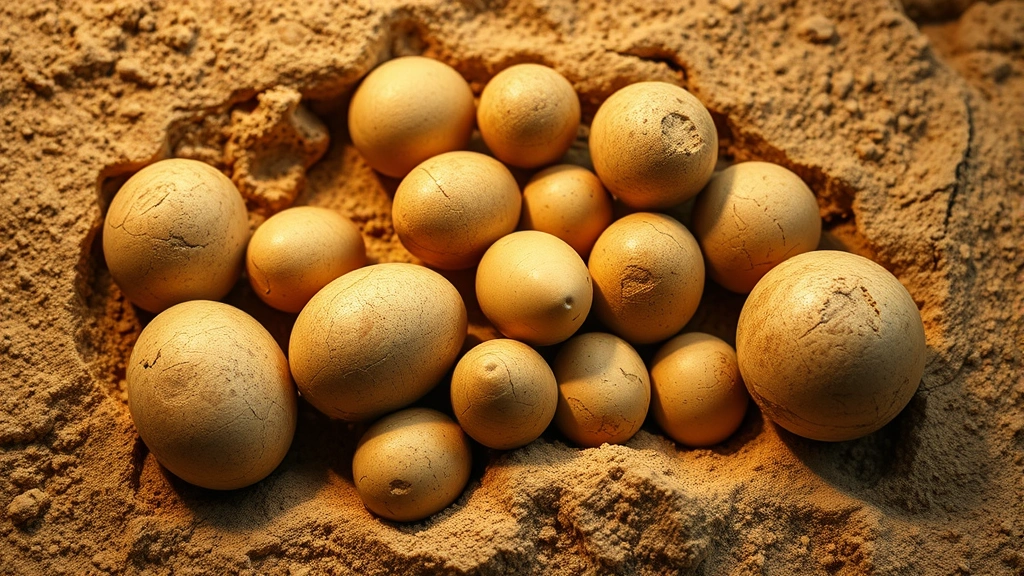
The most accurate term for a baby dinosaur is a hatchling. This refers to any dinosaur that has just emerged from its egg—yes, dinosaurs laid eggs, much like modern birds and reptiles. Once a hatchling grew beyond infancy, it became known as a juvenile until it reached full adult size and maturity.
The reason we use these general terms is straightforward: paleontologists don’t have specific baby names for each dinosaur species the way we do for modern animals. We don’t say “a baby elephant,” we say “a calf.” Similarly, we don’t have unique terms like “a baby T-Rex” in scientific literature. Instead, scientists use the universal terms that apply across all dinosaur species.
This might seem like a letdown compared to the adorable specificity of modern animal babies, but it actually reflects something pretty cool about how science works. Paleontologists focus on what we can verify through fossils and evidence, and what we know for certain is that dinosaurs hatched from eggs and went through growth stages—just like their modern descendants, birds.
Hatchlings vs. Juveniles: Understanding the Difference
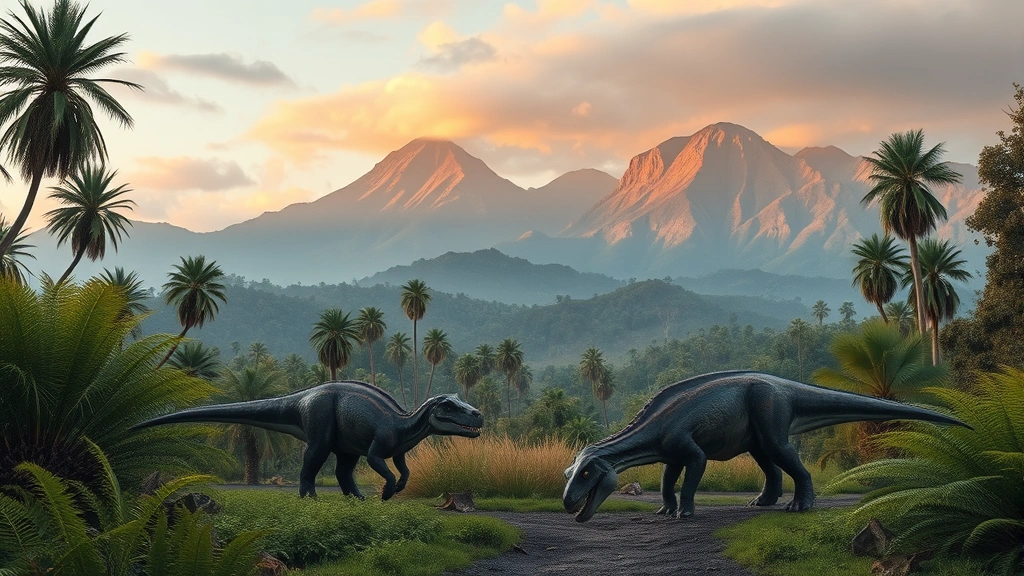
Understanding the distinction between hatchlings and juveniles helps paint a clearer picture of how dinosaurs grew up. A hatchling was a dinosaur in its earliest life stage, fresh out of its egg. These tiny creatures were vulnerable, likely requiring parental care (though scientists still debate how much attention different species provided).
Juveniles, by contrast, were older dinosaurs that had survived infancy and were in their growth phase. They were larger than hatchlings but hadn’t yet reached their full adult size. Think of it like the difference between a human newborn and a pre-teen—both are young, but they’re at very different developmental stages.
This distinction matters because it helps us understand dinosaur life cycles. Recent paleontological research suggests that some dinosaur species, particularly theropods, may have cared for their young in ways similar to modern birds. Others might have been more independent from the start. By studying fossil evidence, scientists can sometimes determine whether bones belonged to hatchlings, juveniles, or adults based on growth patterns and bone structure.
If you’re looking for engaging ways to explore this with your kids, consider checking out some baby books that tackle dinosaur development in age-appropriate ways. Stories that explain these life stages help children understand that even the most fearsome creatures started out small and vulnerable.
Specific Baby Dinosaur Species and Their Names
While we don’t have unique names for baby dinosaurs as a category, individual species had their own scientific names that applied to both adults and young. Here’s where it gets fun for dinosaur enthusiasts:
- Tyrannosaurus rex hatchlings would have been called baby T-Rexes informally, but scientifically they were just juvenile T-Rexes. Recent studies suggest they may have been only about three feet long at hatching.
- Triceratops babies emerged from eggs and likely stayed close to their mothers. Fossil evidence suggests some dinosaur species exhibited herding behavior with young individuals protected in the center of the group.
- Velociraptors hatched from eggs like all dinosaurs, and their small size at birth suggests they grew rapidly to reach their predatory potential.
- Long-necked sauropods like Brachiosaurus hatched from surprisingly small eggs—some only about the size of a football—yet grew to become the largest land animals ever.
The fascinating part is that paleontologists can sometimes identify juvenile fossils by comparing bone structures and growth rings. Just like trees have rings showing annual growth, dinosaur bones show similar patterns that reveal how old the animal was when it died.
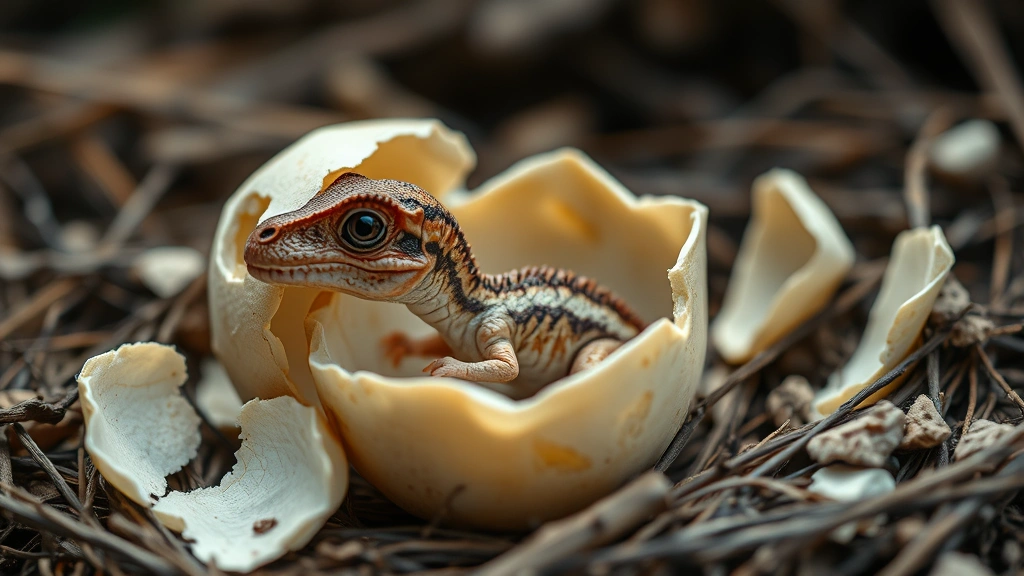
If you’re interested in modern reptiles that share evolutionary connections to dinosaurs, exploring baby bearded dragon care and baby crocodile development can provide fascinating parallels to how ancient creatures likely behaved.
How Baby Dinosaurs Grew and Developed
Baby dinosaurs didn’t just grow slowly into adults—many species experienced remarkably rapid growth rates. According to research from institutions studying dinosaur paleobiology, some theropod dinosaurs grew at rates comparable to modern birds and crocodilians, adding several pounds per year during their juvenile phase.
The growth process involved several key stages. After hatching, a baby dinosaur faced its most vulnerable period. It had to avoid predators, find food, and avoid becoming food itself. Different species had different survival strategies—some may have been precocial (ready to fend for themselves quickly), while others were altricial (dependent on parents for longer periods).
Fossil evidence provides clues about these growth patterns. Bone histology—the study of bone structure under microscopes—reveals growth lines similar to tree rings. Scientists can count these lines to determine how old a juvenile dinosaur was and how fast it was growing. Some species showed rapid, steady growth, while others had growth spurts followed by slower periods.
Temperature likely played a role too. Dinosaurs living in warmer climates may have grown faster than those in cooler regions. This is similar to modern reptiles, which grow more quickly in warmer environments. Understanding these growth patterns helps paleontologists reconstruct what daily life was like for young dinosaurs millions of years ago.
Teaching Kids About Baby Dinosaurs
Kids are naturally drawn to dinosaurs, and the concept of baby dinosaurs? That’s almost irresistibly cute to young minds. Here’s how to make this fascination educational and engaging.
Start with the basics. Explain that all dinosaurs started as eggs and hatched into tiny creatures. This connection to modern birds helps children understand that dinosaurs weren’t completely alien—they shared fundamental characteristics with animals kids see today.
Use comparisons. Ask your child: “If a baby giraffe is called a calf, what would a baby dinosaur be called?” This gets them thinking about animal terminology and makes the answer—hatchling or juvenile—stick better than if you simply told them.
Explore museum exhibits together. Many natural history museums have fossil displays specifically highlighting juvenile dinosaurs. Seeing the actual size differences between adult and juvenile fossils makes the concept concrete rather than abstract.
Incorporate creative activities. Drawing dinosaurs at different life stages, reading dinosaur stories, or even creating baby drawing activities helps reinforce learning through multiple sensory experiences.
Connect to current interests. If your child loves dinosaurs, consider pairing dinosaur learning with other interests. Perhaps some baby boy gifts with a dinosaur theme could reinforce this passion and make learning feel like play.
The key is meeting your child where they are developmentally. Toddlers might just enjoy knowing dinosaurs were “little babies once too,” while older kids can understand more complex concepts about growth rates and fossil evidence.
Fun Facts That’ll Impress Your Little Paleontologists
Ready to become your household’s dinosaur expert? Here are some genuinely fascinating facts about baby dinosaurs that’ll make you the hero at the next family dinner:
- Some baby dinosaurs were tiny. The smallest known dinosaur eggs were about the size of a robin’s egg, suggesting some hatchlings were incredibly small—possibly just a few inches long.
- Growth rates varied dramatically. While some dinosaurs grew steadily, others experienced rapid growth spurts. A juvenile T-Rex might have gained hundreds of pounds per year during peak growth phases.
- Fossil evidence shows parental care. Discoveries of adult dinosaur fossils surrounded by juvenile remains suggest that at least some species protected and cared for their young, similar to modern birds.
- Baby dinosaurs had different proportions than adults. Juvenile dinosaurs often had proportionally larger heads and shorter necks compared to adults—a feature called neoteny that’s common in many species as they develop.
- Eggs were surprisingly sophisticated. Fossilized dinosaur eggs show evidence of porous shells that allowed gas exchange, indicating that dinosaur parents may have arranged eggs in specific ways to optimize oxygen flow.
- Some babies were born live. While most dinosaurs laid eggs, recent research suggests some marine reptiles that lived alongside dinosaurs gave birth to live young, similar to modern sharks and dolphins.
These facts remind us that dinosaurs weren’t just massive, terrifying creatures—they were complex beings with life cycles, growth patterns, and possibly even family structures. Baby dinosaurs, in particular, represent a vulnerable stage in these ancient animals’ lives, making them surprisingly relatable despite their prehistoric origins.
For more information about animal development and parenting in the natural world, check out resources from the American Museum of Natural History’s paleontology department, which provides peer-reviewed research on dinosaur life cycles.
Frequently Asked Questions
What’s the scientific name for a baby dinosaur?
The scientific terms are hatchling (for newly hatched dinosaurs) and juvenile (for young dinosaurs still growing). Unlike modern animals, dinosaurs don’t have species-specific baby names in scientific literature. Instead, scientists use these universal terms across all dinosaur species.
Did baby dinosaurs stay with their parents?
Evidence suggests that some dinosaur species, particularly theropods, may have cared for their young in ways similar to modern birds. Fossil discoveries of adult dinosaurs near juvenile remains support this theory. However, other species may have been more independent from hatching. The answer likely varied by species and environmental conditions.
How big were baby dinosaurs when they hatched?
This varied enormously depending on the species. Some hatchlings were only a few inches long, while others may have been several feet long at birth. The largest dinosaur eggs discovered were about the size of a football, suggesting even massive sauropurs started life relatively small.
How fast did baby dinosaurs grow?
Growth rates varied by species, but many dinosaurs grew remarkably quickly. Some juvenile theropods may have gained several hundred pounds per year during peak growth phases. Bone histology studies reveal growth patterns similar to modern birds and crocodilians.
Could baby dinosaurs survive on their own immediately after hatching?
This depends on the species. Some may have been precocial, meaning they could fend for themselves relatively quickly. Others were likely altricial, requiring parental care and protection for extended periods. Fossil evidence and modern animal comparisons suggest variation across different dinosaur groups.
What did baby dinosaurs eat?
Baby carnivorous dinosaurs likely ate small prey—insects, small reptiles, and other small animals. Herbivorous dinosaurs probably ate plants from a young age, though they may have consumed softer vegetation before developing the strength to eat tougher plant material. As they grew, their diet would have expanded to match their increasing size and strength.
Are there any living descendants of baby dinosaurs?
In a sense, yes! Birds are scientifically classified as avian dinosaurs, making them direct descendants of theropod dinosaurs. Modern bird hatchlings are technically dinosaur babies, continuing a lineage that stretches back over 150 million years.