Essential Baby Doll Accessories: A Complete Guide
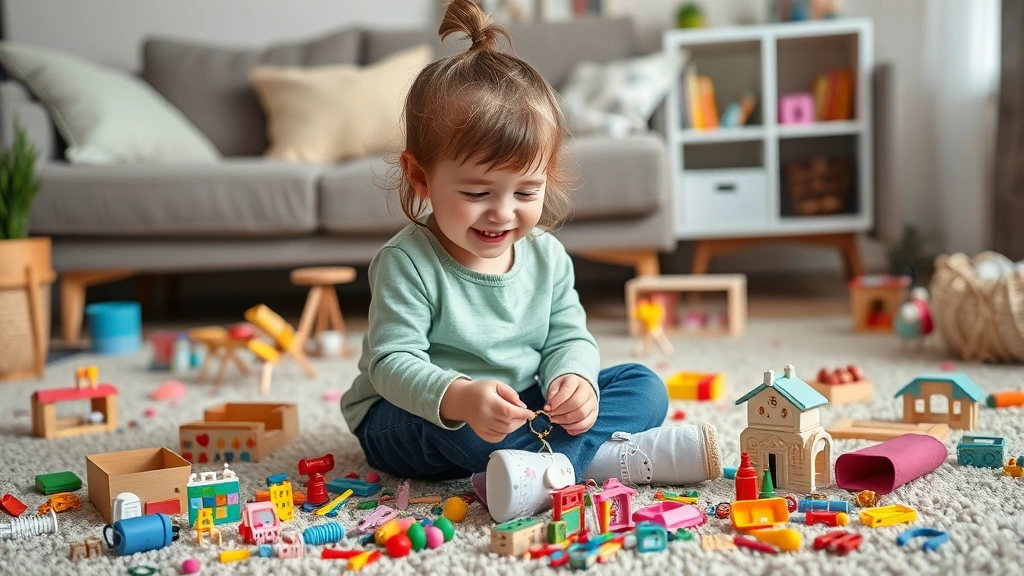
Remember the joy of unwrapping a new doll as a kid? That magic hasn’t changed. But here’s what has evolved: the sheer variety of baby doll accessories available today. What once meant a simple plastic bottle and blanket has transformed into an entire ecosystem of miniature items that spark imagination, teach responsibility, and create hours of engaging pretend play.
Whether your child is a seasoned doll enthusiast or just starting their collecting journey, understanding which accessories genuinely matter—and which are just clever marketing—makes all the difference. This guide breaks down the essentials, the nice-to-haves, and everything in between, so you can make informed choices that’ll actually get used rather than gathering dust.
The right accessories don’t just enhance playtime; they deepen your child’s connection to imaginative play, develop nurturing skills, and often become cherished memories. Let’s explore what transforms a simple doll into a complete world of possibility.
Why Baby Doll Accessories Matter for Child Development
Before diving into specific products, let’s talk about the bigger picture. When children engage with baby doll accessories, they’re not just playing—they’re learning. According to research from the American Academy of Pediatrics, pretend play with dolls and accessories supports emotional development, empathy, and social skills.
Accessories transform a doll from a static toy into a character with needs, circumstances, and a life story. A child pushing a baby doll stroller isn’t just moving an object; they’re rehearsing caregiving, planning outings, and managing responsibility. They’re essentially practicing real-world scenarios in a safe, controlled environment.
The cognitive benefits are substantial too. Children organizing accessories, deciding what their doll needs, and creating scenarios develop problem-solving skills and imaginative thinking. Plus, there’s the fine motor development that comes from dressing dolls, fastening tiny buttons, and manipulating small items.
Transportation Essentials: Strollers and Carriers
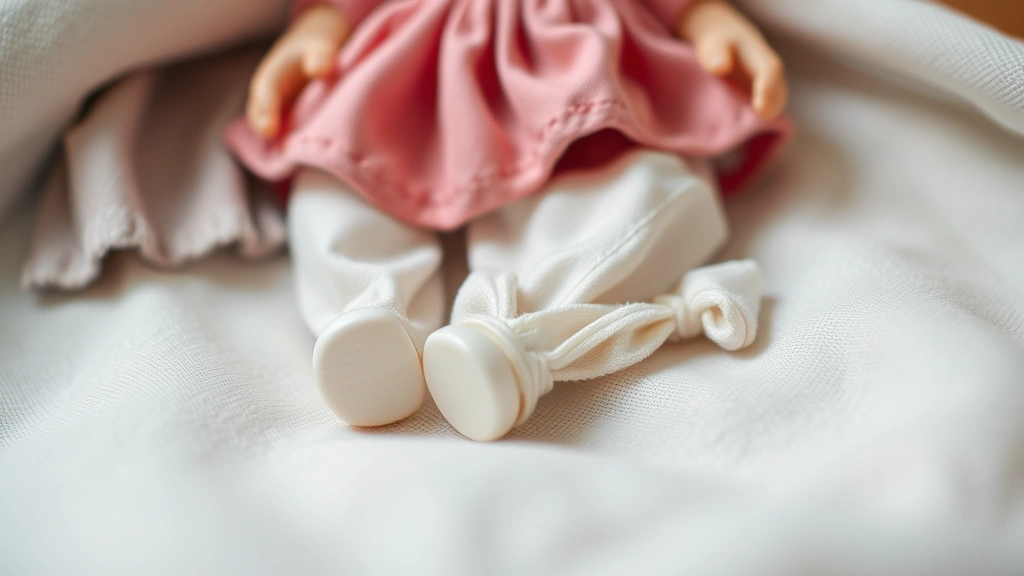
If there’s one accessory that genuinely transforms doll play, it’s mobility. A baby doll stroller opens up entire worlds of imaginative play—trips to the park, shopping outings, neighborhood adventures.
When selecting a stroller for dolls, consider these practical factors:
- Size compatibility: Ensure the stroller accommodates your specific doll size. Standard 18-inch dolls fit most miniature strollers, but oversized dolls or baby doll collections might need larger options.
- Durability: Look for sturdy wheels that actually roll smoothly. Cheap plastic wheels frustrate children quickly.
- Weight: If your child will be pushing it around the house and yard, it shouldn’t be so heavy that it becomes a chore.
- Storage: Strollers with under-basket storage add practical value, allowing your child to carry accessories and supplies.
Beyond traditional strollers, consider carriers and wraps designed for dolls. These soft carriers mimic real baby carriers and are perfect for active play where a stroller isn’t practical. They’re also excellent for younger children who might find maneuvering a stroller challenging.
Clothing and Wardrobe Basics
This is where personality really shines. A baby doll dress transforms how your child engages with their toy, offering variety and creative expression.
Start with essentials: several complete outfits covering different scenarios. Include everyday clothing, pajamas, and at least one special occasion outfit. The beauty of doll clothing is that it encourages decision-making—what will the doll wear today? Where are they going?
Quality matters here more than quantity. A few well-made outfits that fit properly and withstand repeated dressing and undressing beats a closet full of poorly constructed items. Look for:
- Durable seams that won’t split easily
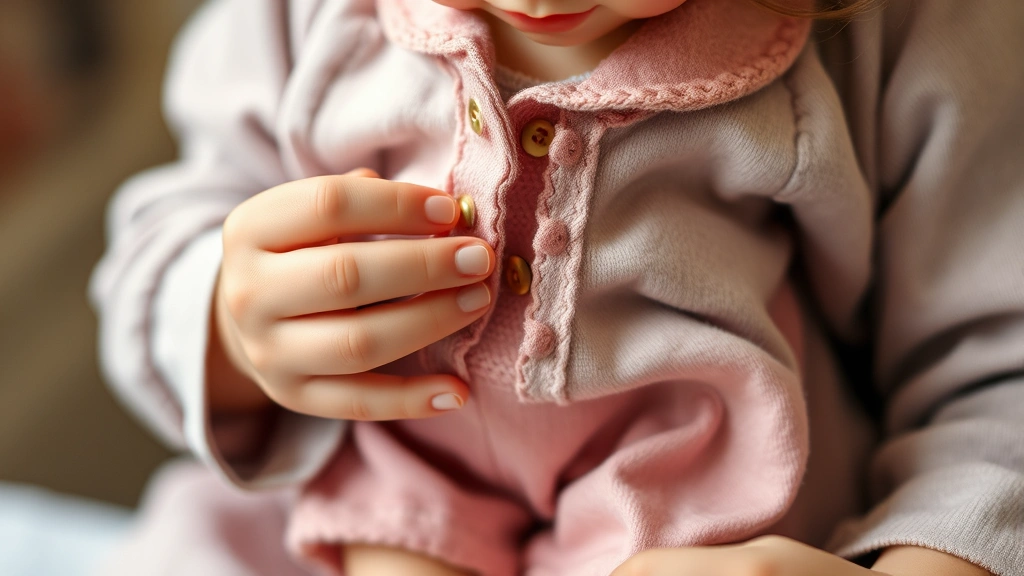
- Velcro or snap closures rather than tiny buttons (easier for small hands)
- Fabric that’s washable, since doll clothes inevitably get dirty
- Sizing that actually fits the doll without being too loose or impossibly tight
Don’t overlook baby doll tops as standalone pieces. These mix-and-match items maximize outfit combinations without requiring a massive wardrobe investment. Pairing different tops with various bottoms teaches style coordination and extends playtime variety.
Feeding and Care Items
Some of the most engaging accessories are those that replicate real caregiving tasks. Bottles, cups, plates, and utensils might seem simple, but they’re powerful tools for imaginative play.
Feeding accessories serve multiple purposes. They encourage nurturing behavior, teach children about nutrition and care routines, and create interactive elements in play scenarios. According to child development experts at Parents Magazine, role-playing feeding and caregiving activities helps children develop empathy and understanding of responsibility.
Quality considerations for feeding accessories:
- Safety: All items should be non-toxic and free of small parts that could become choking hazards.
- Realism: Items that closely resemble real feeding tools feel more authentic and engaging.
- Durability: Plastic feeding items should withstand being dropped and cleaned repeatedly.
- Washability: Especially important for items that might collect dust or debris during play.
Bonus accessories in this category include grooming items like hairbrushes and combs. These simple tools encourage children to develop healthy habits themselves while teaching care and attention to detail.
Bedroom and Furniture Accessories
A doll’s home base—their bedroom or living space—becomes the center of imaginative worlds. Furniture and bedroom accessories create the foundation for elaborate play scenarios.
Essential bedroom items include:
- A bed or crib with bedding
- Pillows and blankets
- A small wardrobe or closet storage
- Nighttime accessories (lamp, stuffed animals, toys for the doll to play with)
The wonderful thing about furniture is that children often create their own using household items. A shoebox becomes a bed, a tissue box transforms into a nightstand. This creative problem-solving is actually more developmentally valuable than perfectly scaled miniature furniture.
That said, a few quality furniture pieces provide structure and inspire more elaborate play scenarios. Choose versatile pieces that work across different play themes rather than highly specific items.
Specialty Accessories Worth Considering
Beyond basics, certain specialty accessories elevate doll play depending on your child’s interests. If your child is drawn to Baby Alive doll models, you might explore specialized accessories designed for interactive play. These dolls have unique features that require compatible accessories, expanding play possibilities.
Other specialty categories worth exploring:
- Pet accessories: Many doll sets include tiny pets, complete with carriers, food bowls, and toys.
- Sports equipment: Tiny bicycles, skateboards, and sports gear for active play scenarios.
- School supplies: Backpacks, books, and classroom items for educational play themes.
- Seasonal accessories: Holiday decorations, beach items, or winter clothing for theme-based play.
- Interactive accessories: Some modern doll accessories include sounds, lights, or moving parts for enhanced engagement.
Consider what themes naturally emerge in your child’s play. If they’re creating doctor scenarios, medical accessories make sense. If they’re building schools, educational items add depth. Let their interests guide specialty choices rather than buying everything available.
Budget-Friendly Shopping Strategies
Quality baby doll accessories don’t require breaking the bank. Strategic shopping maximizes value and ensures you’re purchasing items that’ll actually get used.
Smart shopping approaches:
- Thrift stores: Vintage doll accessories are treasures waiting to be discovered. You’ll often find unique, well-made items at fraction of original prices.
- Online marketplaces: Platforms connecting buyers and sellers often have gently used accessories in excellent condition.
- Seasonal sales: Post-holiday sales offer significant discounts on doll accessories.
- Bundle purchases: Starter sets often provide better value than buying individual items.
- DIY alternatives: Create accessories from household items—fabric scraps become clothing, containers become dishes.
Before purchasing, observe what your child actually uses. If they’re not engaging with certain types of play, those themed accessories won’t get used regardless of price. Focus on versatile items that work across multiple play scenarios.
Consider gift registries or wishlists when friends and family ask what your child wants. This channels their generosity toward items you’ve already vetted as valuable additions to your child’s collection.
Looking at baby girl gifts more broadly can inspire creative accessory ideas beyond traditional doll-specific products. Sometimes the best accessories come from unexpected sources.
Frequently Asked Questions
What size accessories work with standard baby dolls?
Most common baby dolls are 18-20 inches, and accessories labeled for this size will fit properly. Always check product descriptions for size specifications. If you’re purchasing for a Baby Alive doll or other specific brands, verify compatibility since some dolls have unique sizing.
Are expensive accessories worth the investment?
Not necessarily. Quality matters more than price. A moderately-priced item made from durable materials will outlast and provide more value than an expensive item with poor construction. Focus on durability, safety, and how well the item aligns with your child’s actual play patterns.
How many accessories does a doll really need?
Start with essentials: basic clothing, one transportation item (like a stroller), and basic care items. This foundation typically costs $30-50 and provides excellent play value. Additional accessories should be added based on your child’s developing interests rather than purchased all at once.
Can I make doll accessories at home?
Absolutely. Many parents create clothing, bedding, and other soft accessories using fabric scraps and basic sewing skills. Even without sewing skills, you can create items like blankets and clothing using no-sew methods. DIY accessories often become cherished items because of the personal touch.
What’s the safest option for young children?
Prioritize accessories without small detachable parts, toxic paints, or sharp edges. Soft items like blankets and clothing are generally safest for younger children. According to the Consumer Product Safety Commission, always verify that products meet current safety standards, especially for children under three.
Should I buy brand-specific accessories or generic ones?
Generic accessories often provide better value and work with multiple doll types. However, if you have a specific doll model with unique features, brand-specific accessories designed for that doll will fit better and work optimally. Consider your collection when deciding.
How do I teach my child to care for doll accessories?
Model proper care by occasionally “cleaning” accessories with your child, organizing items in designated storage, and discussing why taking care of toys matters. This teaches responsibility and extends the life of items. Make cleanup part of the play routine rather than a separate chore.
The journey into baby doll accessories is really about creating space for imagination, nurturing empathy, and supporting your child’s developmental growth through play. Start simple, observe what engages your child, and build from there. The best accessories aren’t necessarily the most expensive or extensive—they’re the ones that spark joy and become part of cherished childhood memories.
For additional parenting insights and toy guidance, explore resources from Zero to Three, which provides evidence-based information about child development and play. Understanding how toys and accessories support growth helps you make confident purchasing decisions that truly matter.