The Baby Doll Dress: Fashion History & Styling Tips
There’s something undeniably charming about a baby doll dress. This playful silhouette has evolved from its controversial 1960s origins into a versatile wardrobe staple that works beautifully for everything from casual outings to special occasions. Whether you’re dressing your little one or channeling retro vibes yourself, understanding the nuances of this iconic style opens up endless styling possibilities.
The baby doll dress represents more than just a clothing trend—it’s a cultural artifact that reflects changing attitudes toward fashion, femininity, and self-expression. What started as a daring fashion statement has become a beloved classic that transcends generations. Today’s versions offer comfort, practicality, and style in equal measure, making them perfect for busy parents navigating the delightful chaos of family life.
This comprehensive guide explores the rich history behind the baby doll dress, its evolution through the decades, and practical styling strategies that will help you make the most of this charming silhouette in your wardrobe or your child’s closet.
The Origins: From Controversy to Classic
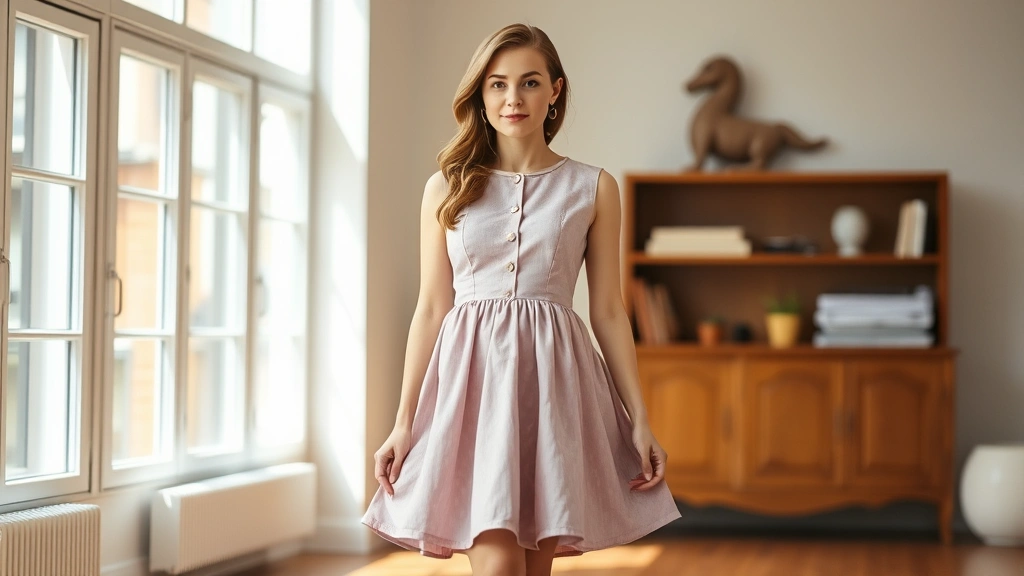
The baby doll dress emerged in the 1960s as a bold departure from the structured, sophisticated styles that had dominated previous decades. Designed by fashion visionary Paco Rabanne, this short, loose-fitting dress featured a high waistline and a playfully proportioned silhouette that challenged conventional notions of elegance. The name itself references the proportions of a doll—a small, tucked waist combined with a slightly fuller bust and shorter hemline that hit well above the knee.
When the style first appeared, it sparked considerable debate. Fashion critics were divided, with some praising its youthful exuberance while others found it inappropriate or overly childish. The dress became synonymous with the mod movement and the swinging sixties, embodying the decade’s spirit of rebellion and experimentation. What made the baby doll dress particularly revolutionary was how it rejected the corseted silhouettes of previous eras, offering instead a comfortable, movement-friendly alternative that appealed to a younger generation seeking freedom in their fashion choices.
The cultural significance of the baby doll dress extended beyond mere aesthetics. It represented a shift in how society viewed women’s bodies and self-presentation. The style allowed wearers to embrace a playful, youthful identity without sacrificing sophistication—a balance that remains relevant today. Fashion historians often point to the baby doll dress as a turning point in 1960s fashion, marking the moment when youth culture began influencing mainstream style rather than the other way around.
How the Baby Doll Dress Evolved
From its audacious debut, the baby doll dress underwent remarkable transformations across subsequent decades. The 1970s saw the style reimagined in bohemian fabrics and earthy tones, appealing to a more relaxed, counterculture aesthetic. Designers experimented with longer hemlines, layered fabrics, and embellishments that softened the dress’s original mod edge while maintaining its distinctive silhouette.
The 1980s brought a more dramatic interpretation. Power dressing influenced baby doll designs, resulting in versions with bolder colors, sharper tailoring, and statement accessories. Some designers paired the silhouette with structured shoulders and metallic fabrics, transforming it into evening wear that commanded attention. This era proved that the baby doll dress could transcend casual wear and hold its own in more formal settings.
The 1990s and 2000s witnessed a resurgence of interest in vintage styles, and the baby doll dress experienced a nostalgic revival. Contemporary designers began deconstructing and reimagining the classic silhouette, creating modern interpretations that honored the original while incorporating current trends. This period saw the rise of baby doll dresses in diverse fabrics—from delicate lace to structured cotton—expanding the style’s appeal across different occasions and seasons.
Today’s baby doll dress reflects all these influences while maintaining its core identity. Modern versions prioritize comfort and practicality without sacrificing style. You’ll find baby doll dresses in sustainable materials, with thoughtful design details that work for real life—pockets, adjustable straps, and breathable fabrics that parents appreciate. The style has become truly democratic, accessible to various body types and age groups, which explains its enduring popularity.
Styling Your Baby Doll Dress
The beauty of a baby doll dress lies in its versatility. The same silhouette can look completely different depending on how you style it, making it a smart investment piece for any wardrobe. The key to mastering baby doll dress styling is understanding proportions and balance.
For a casual daytime look, pair your baby doll dress with white sneakers and a denim jacket. This combination keeps things approachable and comfortable while highlighting the dress’s playful nature. Add a simple canvas tote and minimal jewelry to complete the ensemble. This styling approach works beautifully for casual outings, weekend errands, or relaxed social gatherings—the kind of events that dominate most parents’ calendars.
To elevate the baby doll dress for evening occasions, swap sneakers for heeled sandals or ballet flats. A structured blazer in a complementary color instantly transforms the dress into smart-casual or cocktail wear. Layer with a silk slip or camisole underneath for added sophistication, and consider statement earrings or a delicate necklace to draw attention upward.
The baby doll dress also works wonderfully with layering pieces. During cooler months, style it over fitted turtlenecks or long-sleeved bodysuits. This creates visual interest while extending the dress’s wearability across seasons. Tights in coordinating colors add warmth and can dramatically change the dress’s overall aesthetic—opaque black tights create a more polished look, while patterned tights introduce playfulness.
When selecting accessories, remember that the baby doll dress makes its own statement. Keep accessories relatively minimal to avoid overwhelming the silhouette. A structured handbag grounds the look, while delicate jewelry complements rather than competes with the dress. Consider the occasion and your personal style when choosing between bold statement pieces and understated elegance.
Fabric Choices and Comfort
The fabric you choose dramatically impacts how a baby doll dress performs and feels. Understanding different options helps you select pieces that work with your lifestyle and preferences. Cotton remains the most practical choice for everyday wear, offering breathability, durability, and easy care. Cotton baby doll dresses work wonderfully for active parents and children who need clothing that can withstand frequent washing and wear.
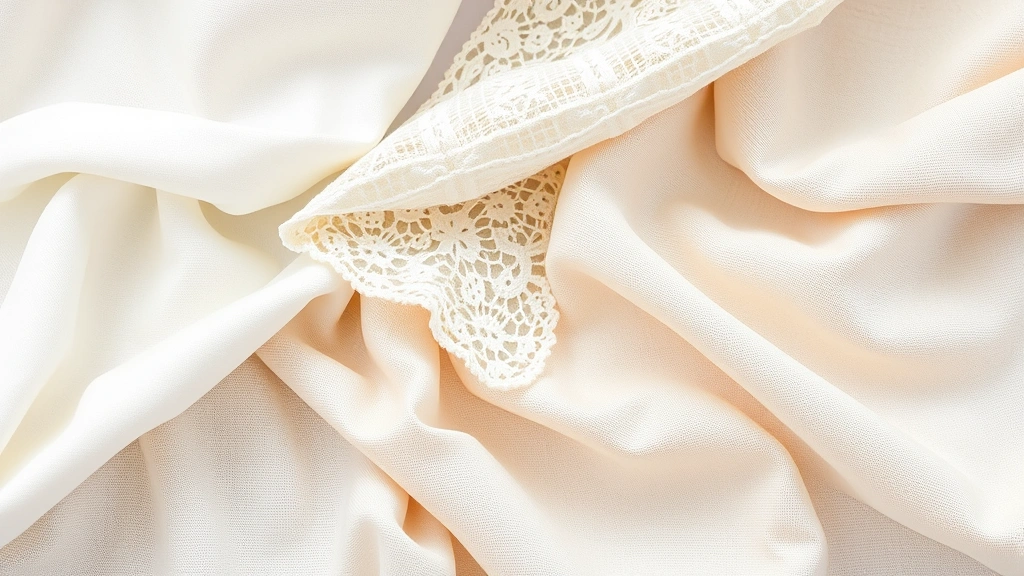
Lace adds romance and sophistication to the baby doll silhouette, making it ideal for special occasions or evening events. However, lace requires more delicate handling and careful laundering. If you’re considering a lace baby doll dress, ensure you have the time and inclination to care for it properly, or look for machine-washable lace options that offer convenience without sacrificing elegance.
Silk and silk-like fabrics create a luxurious feel while maintaining the dress’s playful proportions. These materials drape beautifully and work particularly well for dressier occasions. They’re also surprisingly practical for warmer climates, as they breathe well and regulate temperature effectively. The investment in quality silk pieces pays dividends through longevity and timeless appeal.
Linen offers a perfect middle ground between casual and sophisticated. Linen baby doll dresses have an effortless elegance that works across seasons and occasions. The fabric wrinkles naturally, which adds to its charm rather than detracting from it. Linen is also incredibly durable and becomes softer with each wash, making it an excellent long-term investment.
For parents shopping for their children, consider blended fabrics that combine natural fibers with a small percentage of synthetic material. These blends offer the best of both worlds—the comfort and breathability of natural fibers with enhanced durability and easier care. When shopping for baby girl clothes in baby doll styles, prioritize soft, non-irritating fabrics that allow freedom of movement for active play.
Perfect Occasions for Every Season
Baby doll dresses shine in different contexts throughout the year. Spring calls for lightweight fabrics in pastel shades or floral prints. A cotton baby doll dress paired with sandals and a light cardigan captures the season’s essence perfectly. This is also an ideal time to experiment with layering, as temperatures fluctuate throughout the day.
Summer is when the baby doll dress truly comes into its own. The shorter hemline and loose fit provide comfort in warm weather while maintaining style. Pair it with flat sandals, a sun hat, and sunglasses for a put-together casual look. Sleeveless or short-sleeved versions work beautifully during peak heat, while still offering the modest coverage many parents prefer.
Fall styling involves richer colors and heavier fabrics. A velvet or corduroy baby doll dress creates a sophisticated look perfect for transitional weather. Layer with tights, boots, and a cozy sweater or cardigan. This season also works wonderfully for special occasions—baby doll dresses in jewel tones or with autumn-inspired prints transition seamlessly from casual to dressy depending on accessories and styling choices.
Winter requires more strategic styling. Longer-sleeved versions or dresses designed for layering work best during cold months. Pair with opaque tights, knee-high boots, and a substantial coat. The baby doll silhouette still shines under winter layers, creating a balanced silhouette that isn’t overwhelmed by heavier pieces. Consider velvet or wool-blend fabrics that offer warmth without bulk.
Special occasions benefit from dressy baby doll interpretations. Whether you’re attending a baby shower, wedding, or formal event, a well-chosen baby doll dress in elegant fabric creates a memorable look. Pair with dress shoes, delicate jewelry, and a structured clutch for an undeniably chic appearance. The dress’s inherent playfulness keeps formal occasions from feeling stuffy while maintaining appropriate sophistication.
Dressing Children in Baby Doll Styles
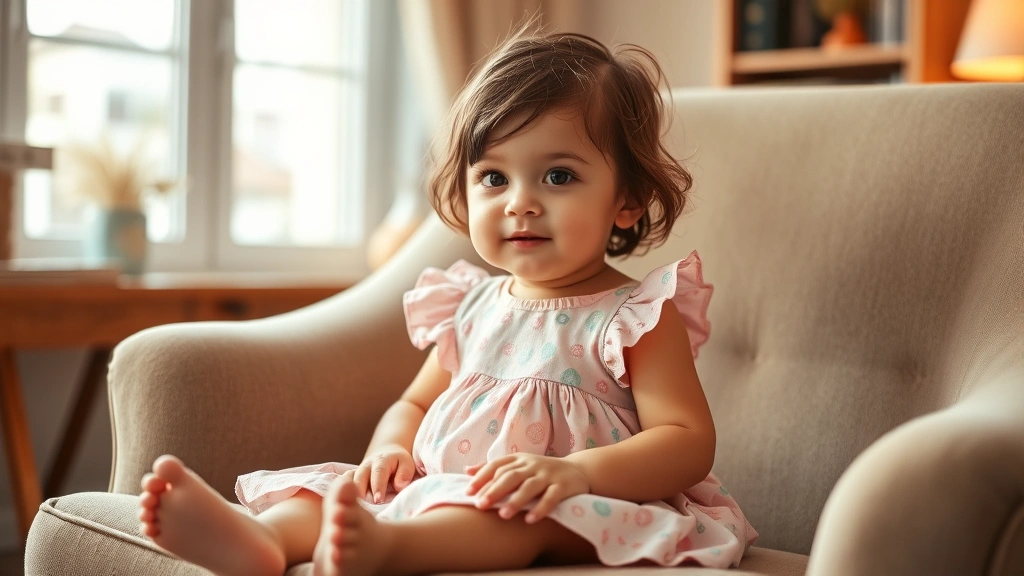
Baby doll dresses have become increasingly popular for children’s fashion, and for good reason. The silhouette’s comfort and playful proportions make it ideal for young wearers. When selecting baby doll dresses for children, prioritize comfort and practicality alongside style.
The key difference between adult and children’s baby doll dresses lies in proportions and functionality. Children’s versions typically feature shorter hemlines (hitting at or above the knee), sturdier fabrics that withstand active play, and design elements that accommodate growth spurts and frequent washing. Look for reinforced seams, quality construction, and non-toxic dyes when shopping for baby girl clothes in this style.
Fabric selection becomes even more critical when dressing children. Soft, breathable natural fibers like organic cotton prevent irritation and allow skin to breathe during active play. Avoid overly delicate fabrics that require hand-washing or special care—children’s clothing should be practical enough for real life. Machine-washable options save time and stress for busy parents managing multiple loads of laundry weekly.
Styling children’s baby doll dresses is wonderfully simple. Pair with comfortable sneakers or sandals, a cardigan for layering, and age-appropriate accessories. The beauty of this silhouette is that it looks effortlessly cute without requiring fussy styling or extensive accessorizing. Children can move freely, play comfortably, and still look adorable—a winning combination for any parent.
The baby doll dress also works beautifully for special occasions in children’s fashion. Dressy versions in coordinating fabrics create charming looks for family photos, holiday celebrations, or formal events. The silhouette photographs beautifully, with proportions that create visually balanced images. If you’re planning professional family photos, consider incorporating baby doll dresses into your styling choices for a cohesive, timeless appearance.
According to the American Academy of Pediatrics, children’s clothing should prioritize comfort and safety above all else. Baby doll dresses meet these criteria when constructed from quality materials with attention to fit and finish. The silhouette’s loose proportions ensure nothing restricts movement or circulation, supporting healthy physical development during active childhood years.
As your children grow, baby doll dresses transition beautifully from toddler wear to tween fashion and beyond. Many teenagers and young adults appreciate the style’s playful sophistication, making it a piece that grows with your child. This longevity makes quality baby doll dresses smart investments in children’s wardrobes.
For comprehensive guidance on children’s fashion and development, essential parenting advice for raising happy and healthy children emphasizes allowing children agency in their clothing choices while maintaining parental guidance. Baby doll dresses offer a middle ground—stylish enough that children feel confident wearing them, practical enough that parents feel comfortable with the investment.
Beyond fashion, dressing children thoughtfully contributes to their developing sense of self and identity. When children wear clothing they feel good in—that’s comfortable, age-appropriate, and reflects their personality—it positively impacts confidence and self-expression. Baby doll dresses, with their inherent cheerfulness and playful nature, often become beloved favorites in children’s closets.
Frequently Asked Questions
What body types work best with baby doll dresses?
Baby doll dresses are surprisingly versatile across body types. The key is understanding proportion and balance. The dress’s high waistline and slightly fuller silhouette works beautifully on pear-shaped figures by emphasizing the smallest part of the waist. For apple-shaped bodies, the loose fit skims rather than clings, creating a flattering silhouette. The important factor is ensuring the dress hits at a length that feels comfortable and confident for your body—typically at or just above the knee for most wearers. Don’t be afraid to experiment with different lengths and fits to find what makes you feel best.
Can you wear a baby doll dress to professional settings?
Absolutely, with thoughtful styling. The baby doll dress can work in business-casual environments when paired with appropriate accessories and layering pieces. A structured blazer, professional jewelry, and closed-toe shoes instantly elevate the silhouette. Opt for solid colors or subtle prints in professional settings, and ensure the hemline hits at an appropriate length for your workplace. The key is balancing the dress’s playful nature with elements that ground it in professional polish.
How should you care for baby doll dresses?
Care instructions depend entirely on fabric composition. Cotton baby doll dresses typically tolerate machine washing in cool water with gentle detergent. Delicate fabrics like lace or silk require hand-washing or gentle machine cycles. Always check garment labels for specific care recommendations. Air-drying preserves fabric integrity better than machine drying for most materials. For children’s dresses that endure frequent wear and washing, pre-treat stains promptly and consider using fabric-safe stain removers before laundering.
What’s the difference between a baby doll dress and a babydoll style?
The terms are often used interchangeably, but there’s a subtle distinction. A baby doll dress specifically refers to the silhouette—a dress with a defined high waistline, slightly fuller bust, and shorter hemline. Babydoll style can apply to other garments like shirts or lingerie that share similar proportions. When shopping, you’ll encounter both terms used to describe the same silhouette, so focus on the actual garment’s cut and proportions rather than getting caught up in terminology.
Can adults wear the same styles as children’s baby doll dresses?
While the silhouette is similar, adult and children’s baby doll dresses differ in important ways. Children’s versions are proportioned for smaller frames with shorter hemlines and often include functional details like reinforced seams. Adult versions have longer hemlines, different shoulder proportions, and are designed for adult body shapes. While you might find crossover in sizing for petite adults, shopping in age-appropriate sections ensures you get pieces designed specifically for your body and lifestyle needs. Explore baby blue dress options in adult sections for sophisticated color options that work beautifully for any wardrobe.
How do you accessorize a baby doll dress without overwhelming it?
The baby doll dress makes its own statement, so accessories should enhance rather than compete. Choose one focal point—either a statement necklace, bold earrings, or an interesting bag—and keep other accessories minimal and refined. Simple jewelry in metals that complement your skin tone works beautifully. A structured handbag grounds the look without adding visual clutter. The goal is creating a balanced, intentional appearance that feels cohesive rather than over-accessorized.
Are baby doll dresses appropriate for all seasons?
With thoughtful fabric and styling choices, absolutely. Spring and summer are natural seasons for baby doll dresses in lightweight fabrics. Fall and winter require more strategic layering—pair with turtlenecks, tights, boots, and cardigans to extend wearability across cooler months. Choosing heavier fabrics like velvet or corduroy for fall and winter versions ensures you can wear this silhouette year-round. The key is adapting your approach to seasonal demands while maintaining the dress’s essential character.
Where can you find quality baby doll dresses?
Quality baby doll dresses are available from numerous retailers ranging from budget-friendly to luxury brands. Department stores, specialty boutiques, and online retailers all carry variations on the silhouette. When shopping, prioritize construction quality, fabric composition, and fit over brand name. Look for reinforced seams, quality zippers, and fabrics that feel pleasant against skin. Reading customer reviews provides valuable insight into durability and actual fit. Don’t overlook thrift stores and vintage shops, where you might find authentic vintage baby doll dresses from earlier decades—these often feature superior construction compared to contemporary fast-fashion options.
How do you style a baby doll dress for pregnancy?
The baby doll dress’s loose, comfortable silhouette makes it wonderfully pregnancy-friendly. The high waistline provides room for a growing belly without clinging or restricting movement. Many pregnant wearers find that their regular size works throughout pregnancy, while others size up for added comfort. Pair with comfortable flats or supportive sneakers, layer with cardigans for temperature regulation, and choose fabrics that breathe well. The baby doll dress becomes a practical, stylish solution during pregnancy when many traditional clothing options feel uncomfortable or unflattering.
Can you wear a baby doll dress casually and formally?
One of the baby doll dress’s greatest strengths is its adaptability across formality levels. The same dress transforms from casual to formal depending on styling choices. Pair with sneakers and a denim jacket for casual wear, or style with heels, a blazer, and jewelry for more formal occasions. This versatility makes baby doll dresses excellent wardrobe investments—you get multiple looks from a single piece, stretching your budget while maintaining style consistency.