Baby Dolphins: Fascinating Facts and Behaviors That Will Captivate Your Family
There’s something undeniably magical about dolphins. These intelligent marine mammals have captivated humans for centuries, and their young are equally mesmerizing. If you’re looking to spark your child’s curiosity about ocean life, understanding the world of baby dolphins offers a perfect gateway into marine biology and animal behavior. Whether you’re planning a family trip to an aquarium, seeking educational content for your kids, or simply fascinated by these remarkable creatures, this comprehensive guide will unveil the extraordinary world of baby dolphins.
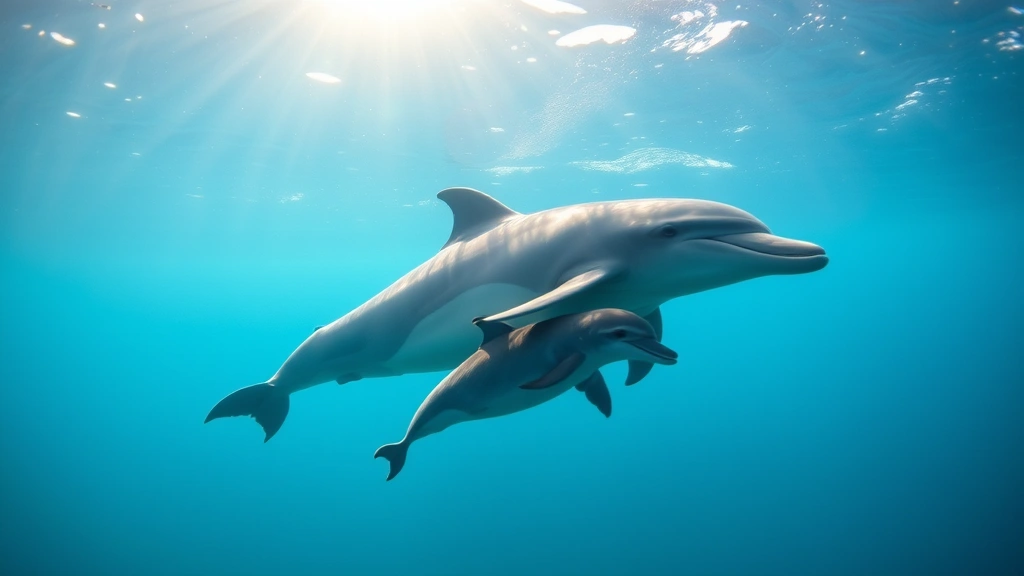
Baby dolphins, known as calves, represent one of nature’s most endearing examples of maternal care and social bonding. Unlike many marine species, dolphins invest significant time and energy into raising their young, creating family structures that rival many terrestrial mammals. This article explores everything you need to know about these ocean-dwelling infants, from their birth and early development to their playful behaviors and learning processes.
Whether you’re a parent seeking to educate your children or simply an ocean enthusiast, understanding baby dolphins enriches our appreciation for marine ecosystems and the remarkable adaptability of nature’s most intelligent sea creatures.
What Are Baby Dolphins Called and When Are They Born?
A baby dolphin is called a calf, a term shared with other marine mammals and some land animals. The process of dolphin reproduction is fascinating and surprisingly similar to human pregnancy in several ways. Female dolphins typically reach sexual maturity between 5 and 13 years old, depending on the species, and can become pregnant year-round, though seasonal patterns vary by location.
Dolphin pregnancy lasts approximately 11 to 12 months, making it one of the longest gestation periods among marine mammals. During this time, the mother develops a strong physiological connection to her developing calf. Once born, a dolphin calf typically measures between 2 to 4 feet in length, depending on the species. The smallest species, the Hector’s dolphin, produces calves around 1.5 feet long, while larger species like the bottlenose dolphin give birth to calves measuring 3 to 4 feet.
Birth usually occurs in warm, shallow waters, often with other females present to assist and protect the mother and newborn. This communal birthing practice demonstrates the strong social structures dolphins maintain. If you’re interested in learning about other fascinating marine babies, you might enjoy exploring information about baby penguin development, which follows similarly remarkable patterns in different ocean environments.
Physical Development and Growth Stages
The first few weeks of a baby dolphin’s life involve rapid physical development. Newborn calves are born with a layer of blubber that helps them maintain body temperature in ocean waters. Their eyes are fully functional at birth, and they possess excellent hearing capabilities, which they use to navigate and communicate with their mother from day one.
During the first month, a calf’s body undergoes significant changes. The dorsal fin and flukes (tail fins) gradually develop their adult shape and proportions. Most calves double their birth weight within the first few weeks due to their mother’s rich milk. By three months of age, a baby dolphin typically measures 50% longer than at birth and continues this rapid growth trajectory.
Physical development continues steadily through the first two years of life. By age two, most calves have achieved approximately 80% of their adult size, though they may continue growing until age five or six, depending on the species. This extended childhood allows for comprehensive learning and skill development, which is crucial for their survival in the wild.
The skeletal structure of baby dolphins is remarkably flexible at birth, allowing for easier passage through the birth canal. As they mature, their bones gradually ossify and harden, providing the structural support needed for diving, swimming at high speeds, and executing complex maneuvers. This developmental process mirrors human skeletal development in many ways, though it occurs on a much faster timeline.
Nursing and Nutrition in Early Life
Unlike fish, dolphins are mammals and nurse their young with milk produced by mammary glands. This is a critical distinction that sets dolphins apart from most other marine animals. A baby dolphin’s primary source of nutrition for the first 18 months to 3 years comes exclusively from its mother’s milk, though the exact duration varies by species.
Dolphin milk is extraordinarily rich in fat and protein—far more concentrated than human milk or even cow’s milk. This high-calorie content supports the rapid growth and energy demands of the developing calf. The milk contains approximately 10-15% fat, compared to about 4% in human milk. This nutritional powerhouse allows baby dolphins to gain weight rapidly and build the energy reserves necessary for their active lifestyle.
Nursing occurs frequently throughout the day and night, with calves typically nursing every 30 minutes to an hour. The mother-calf bond during nursing is profound and forms the foundation of their lifelong relationship. As calves grow older, they begin supplementing their diet with small fish, though they continue nursing for extended periods. This transition to solid food happens gradually, with young dolphins observing their mothers hunting and learning techniques through imitation.
The nutritional demands of nursing place significant stress on mother dolphins. A lactating female must consume substantially more food to meet both her own metabolic needs and produce enough milk for her growing calf. This reality highlights the enormous investment female dolphins make in their offspring and underscores why dolphin populations are particularly vulnerable to food scarcity.
Social Learning and Family Bonds
Baby dolphins don’t simply grow physically—they undergo extensive social and cognitive development within their family groups. The bond between mother and calf is among the strongest in the animal kingdom, often lasting throughout their entire lives. This relationship extends beyond mere survival; it encompasses teaching, protection, and emotional support.
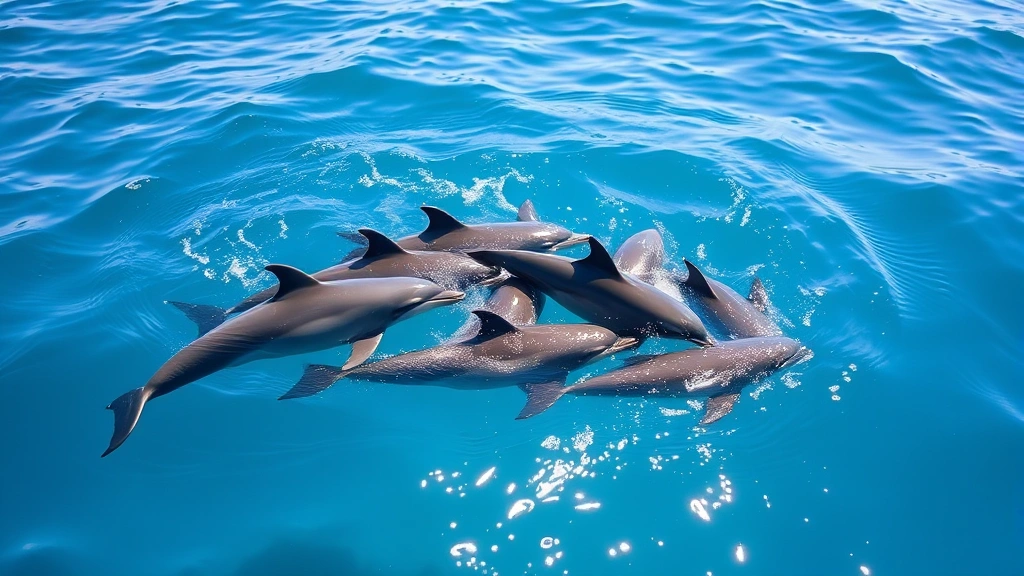
Dolphins live in complex social structures called pods, which can range from a few individuals to over a hundred members. Within these pods, baby dolphins learn crucial survival skills from multiple mentors, not just their mothers. Older siblings, aunts, and other pod members contribute to the calf’s education through a process called allomothering, where non-parental adults help care for and teach young dolphins.
This communal approach to child-rearing creates robust learning environments where calves absorb knowledge about hunting techniques, navigation, social hierarchies, and danger avoidance. Young dolphins often form strong bonds with peers, engaging in play activities that serve dual purposes: entertainment and skill development. These peer relationships can last a lifetime, creating social networks that strengthen the entire pod’s cohesion.
The social learning process in dolphins is so sophisticated that researchers have documented distinct cultural practices passed down through generations. Different pods develop unique hunting strategies, vocalizations, and behavioral patterns that are transmitted from mothers to calves and reinforced through social interaction. This cultural transmission is rarely observed outside of primates and humans, making dolphins exceptionally intelligent marine creatures.
Playful Behaviors and Development
If you’ve ever watched baby dolphins, their playfulness is immediately apparent. Young calves engage in elaborate play behaviors that serve important developmental functions. Play isn’t merely entertainment; it’s a sophisticated learning mechanism that helps calves develop physical coordination, problem-solving abilities, and social skills essential for adult life.
Baby dolphins play with objects in their environment—seaweed, shells, and floating debris become toys that occupy hours of their day. They engage in chasing games with siblings and other young pod members, developing the speed, agility, and maneuverability required for adult hunting and evasion. These play sessions also strengthen muscle development and enhance cardiovascular fitness.
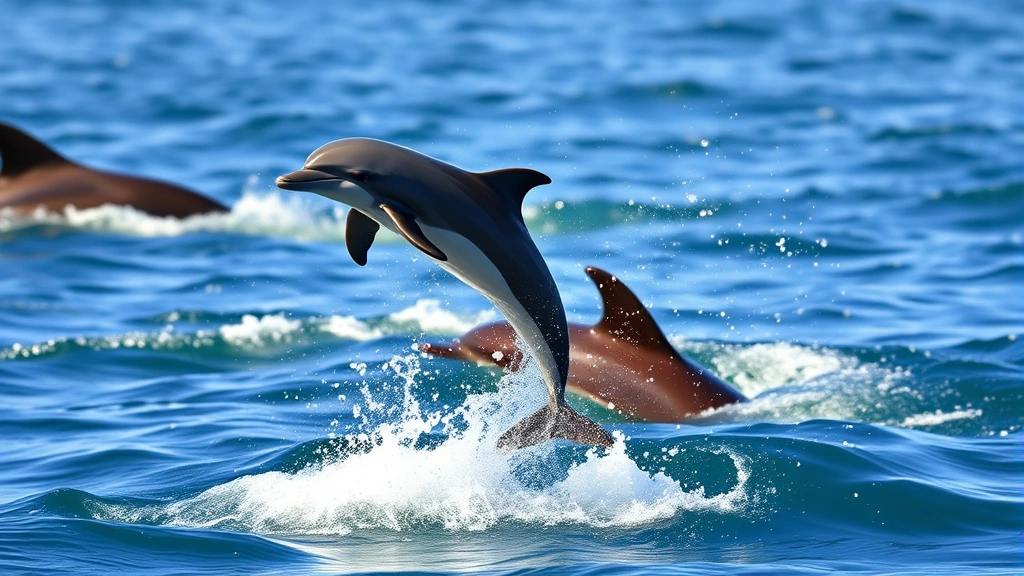
One particularly fascinating play behavior involves wave riding, where young dolphins ride the pressure waves created by boats or natural water movements. This behavior develops skills needed for hunting fish and navigating ocean currents. Calves also practice breaching—the dramatic behavior where dolphins leap out of the water—which serves multiple functions including communication, parasite removal, and pure joy.
Social play among calves establishes dominance hierarchies and social bonds that will define their adult relationships. Through play-fighting and interactive games, young dolphins learn to navigate social dynamics and develop confidence within their peer groups. Parents looking to understand animal play might find parallels with how children learn through play, making dolphins an excellent educational subject for family discussions about development and learning.
Communication and Language Acquisition
Dolphins are renowned for their sophisticated communication systems, and baby dolphins begin learning this complex language from birth. Newborn calves produce signature whistles that identify them to their mothers and pod members. These individual vocalizations function like names, allowing dolphins to recognize and locate specific individuals across distances.
A baby dolphin’s vocal repertoire expands dramatically during early development. Calves learn various whistle frequencies, clicks, and burst pulses through observation and imitation of adult pod members. This process resembles human language acquisition, though the underwater acoustic environment creates unique challenges and opportunities for communication.
Echolocation is another crucial skill baby dolphins must master. While basic echolocation abilities may be present at birth, young dolphins refine these skills through practice and observation. Echolocation involves producing clicks and analyzing the returning sound waves to navigate and locate prey. This sophisticated biological sonar system requires years of practice to perfect, and mother dolphins actively teach their calves how to effectively use echolocation in various situations.
The learning of communication extends beyond simple vocalizations. Baby dolphins learn to interpret body language, including posture changes, tail movements, and fin positioning. They understand subtle social cues that convey mood, intention, and social status. This multifaceted communication system allows dolphins to maintain complex social hierarchies and coordinate group activities like hunting and migration.
Predators and Survival Challenges
Despite their intelligence and social structures, baby dolphins face significant survival challenges. Newborn and young calves are vulnerable to predation from sharks, larger dolphin species, and occasionally orcas (killer whales). The mother’s protective instincts are fierce during this vulnerable period, and she remains vigilant for potential threats.
Sharks represent the most consistent predatory threat to baby dolphins. Tiger sharks, bull sharks, and great white sharks will attack calves, particularly in coastal waters. Pod members work collectively to protect vulnerable young dolphins, surrounding calves and using coordinated defensive maneuvers to deter predators. This collective defense strategy is one reason dolphins maintain strong social bonds.
Orcas present another predatory challenge, though they typically target larger dolphins or calves separated from protective pod members. The presence of orcas influences dolphin behavior patterns, migration routes, and habitat selection. Some pods have developed specific anti-predator vocalizations and evasion strategies passed down through generations.
Beyond predation, baby dolphins face challenges from environmental factors including disease, parasites, and nutritional stress. Pollution, particularly plastic debris and chemical contaminants, poses increasing threats to developing calves. Maternal antibodies in milk provide some disease protection, but as calves age and their immune systems develop independently, they become more susceptible to infections and environmental pathogens.
If you’re interested in learning about other marine babies and their survival strategies, exploring baby shark toys and educational resources can provide engaging ways to teach children about ocean predator-prey relationships and marine ecology.
Conservation and Protecting Baby Dolphins
Understanding baby dolphins and their development is crucial for conservation efforts aimed at protecting these remarkable creatures. Many dolphin species face population declines due to fishing practices, habitat loss, pollution, and climate change. Baby dolphins are particularly vulnerable to these threats, and their survival directly impacts species viability.
Accidental entanglement in fishing nets represents one of the leading causes of dolphin mortality, affecting calves and adults alike. Conservation organizations work to develop and promote fishing practices that minimize dolphin casualties. These include modified nets, acoustic deterrents, and marine protected areas where fishing is restricted during breeding seasons.
Pollution, particularly plastic debris and chemical contaminants, threatens baby dolphins throughout their development. Microplastics accumulate in the food chain, eventually reaching dolphins and their calves. Chemical pollutants like PCBs and heavy metals accumulate in dolphin tissues, particularly in calves nursing from contaminated mothers. Supporting organizations dedicated to ocean cleanup and pollution reduction directly benefits baby dolphin populations.
Climate change affects baby dolphins indirectly through impacts on fish populations and ocean temperatures. Changing ocean conditions alter prey availability, forcing dolphins to travel greater distances for food. This increased energy expenditure can stress lactating mothers and compromise calf nutrition and survival rates.
Parents interested in teaching children about conservation can integrate this knowledge into family discussions and educational activities. Consider exploring baby books that focus on marine conservation, or selecting baby boy gifts and baby shower gift ideas with ocean-themed educational components that raise awareness about marine life protection.
Supporting marine sanctuaries, sustainable fishing practices, and ocean conservation initiatives directly protects baby dolphins and their mothers. Educating the next generation about these remarkable creatures fosters environmental stewardship and commitment to preserving marine ecosystems for future generations.
Frequently Asked Questions
How long do baby dolphins stay with their mothers?
Baby dolphins typically remain with their mothers for 3 to 6 years, depending on the species. During this extended childhood, calves learn essential survival skills, hunting techniques, and social behaviors. Even after becoming independent, dolphins often maintain close relationships with their mothers throughout their lives, frequently reuniting and traveling together within pod structures.
What do baby dolphins eat besides milk?
As baby dolphins mature, they begin eating fish, typically starting around 6 to 12 months of age. However, they continue nursing for extended periods while gradually incorporating solid food. The transition is gradual, with calves observing their mothers hunt and learning to catch prey through imitation. By age 3 or 4, most dolphins are fully weaned and sustain themselves entirely on fish and occasionally squid.
Can baby dolphins survive without their mothers?
According to the American Academy of Pediatrics, and similarly observed in marine mammals, orphaned baby dolphins face extremely low survival rates. Young calves depend entirely on their mothers for nutrition, protection, and education. While some orphaned calves have been rescued and rehabilitated in human care facilities, this requires intensive intervention and specialized expertise. Natural orphaning typically results in calf mortality.
How do baby dolphins learn to hunt?
Baby dolphins learn hunting through observation, imitation, and guided practice. Mothers demonstrate hunting techniques, and calves observe prey capture methods. Young dolphins practice catching disabled or injured fish provided by their mothers before graduating to hunting live prey independently. This apprenticeship-style learning takes several years and involves input from multiple pod members who reinforce and refine hunting skills.
Do all baby dolphins look the same?
No, different dolphin species produce calves with distinct characteristics. For example, bottlenose dolphin calves have rounded heads and beaked mouths, while spinner dolphin calves are more streamlined. Some species are born with distinctive markings or coloration patterns that fade as they mature. Additionally, individual calves within the same species show variation in coloring and physical characteristics, much like human infants display individual traits.
What sounds do baby dolphins make?
Baby dolphins produce various vocalizations including signature whistles, clicks, and burst pulses. Newborn calves use high-pitched whistles to communicate with their mothers and locate them in the water. As they mature, their vocal repertoire expands to include the complex communication systems used by adult dolphins. Research institutions tracking marine mammal behavior have documented that individual dolphins develop unique vocal signatures that persist throughout their lives.
How intelligent are baby dolphins?
Baby dolphins demonstrate remarkable intelligence from an early age. They show problem-solving abilities, social awareness, and learning capacity comparable to young primates. Parents Magazine and marine research organizations frequently highlight dolphin intelligence as an example of advanced animal cognition. Their ability to learn through observation, remember complex information, and adapt behaviors to new situations indicates sophisticated brain development even in young calves.
What is the biggest threat to baby dolphins today?
The most significant threats to baby dolphin populations include accidental entanglement in fishing nets, habitat degradation, pollution, and climate change-induced prey depletion. NOAA Fisheries reports that bycatch in fishing operations remains the leading cause of dolphin mortality. Additionally, chemical pollution and plastic accumulation in marine environments pose increasing risks to developing calves, affecting their growth, immune function, and long-term survival.