What Are Baby Dolphins Called? A Quick Guide
Have you ever wondered what to call a baby dolphin? Whether you’re curious for a school project, planning an ocean-themed birthday party, or just satisfying your marine biology curiosity, the answer is simpler than you might think. Baby dolphins have a specific name that marine biologists and ocean enthusiasts use regularly, and understanding these terms can deepen your appreciation for these remarkable marine mammals.
Dolphins are among the ocean’s most intelligent and social creatures, and their young are equally fascinating. From the moment they’re born, baby dolphins embark on an incredible journey of learning and growth, guided by their mothers and pod members. This guide will walk you through everything you need to know about baby dolphins, their names, and their early development.
Whether you’re introducing your children to marine life or expanding your own knowledge, this comprehensive overview will answer your questions and perhaps spark a lifelong interest in these magnificent ocean dwellers.
What Are Baby Dolphins Called?
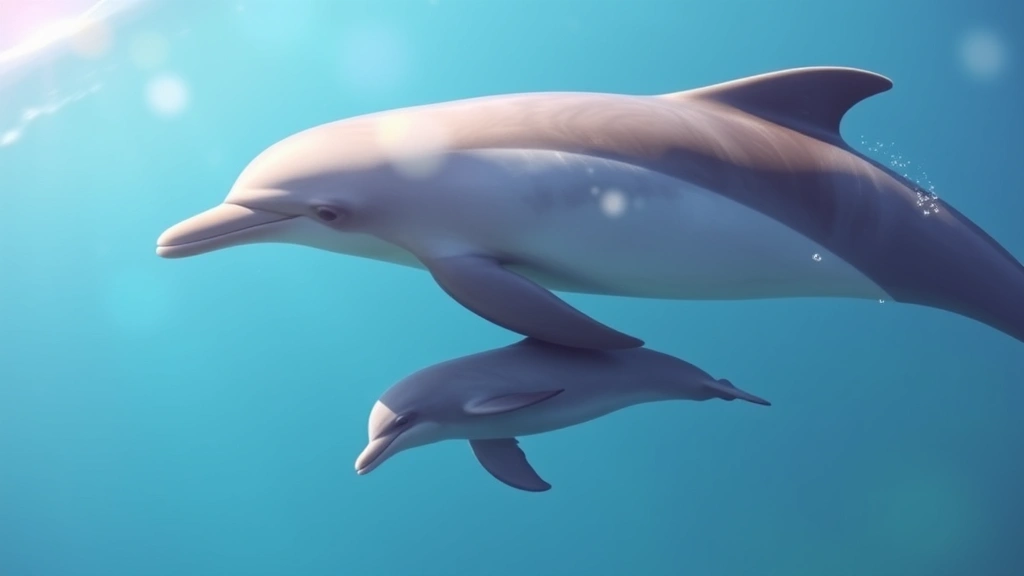
A baby dolphin is called a calf. This term is used across marine biology and is the standard nomenclature for young dolphins from birth until they reach maturity. The word “calf” is actually used for several marine mammals, including whales and manatees, making it a useful umbrella term in marine science.
The term “calf” comes from terrestrial animal terminology, where it’s used for young cattle, elk, and other large mammals. Marine biologists adopted this terminology to maintain consistency in how we refer to young animals across different species. When a dolphin mother gives birth, she’s said to be “calving,” and the process is called “calving season” in many dolphin populations.
Understanding these proper terms helps children and adults alike engage with marine biology in a more informed way. When you’re discussing these incredible creatures with your family or exploring ocean-themed educational materials, using the correct terminology adds authenticity to the conversation. It’s similar to how knowing that a baby penguin is called a “chick” enhances your understanding of Antarctic wildlife.
How Calves Develop and Grow
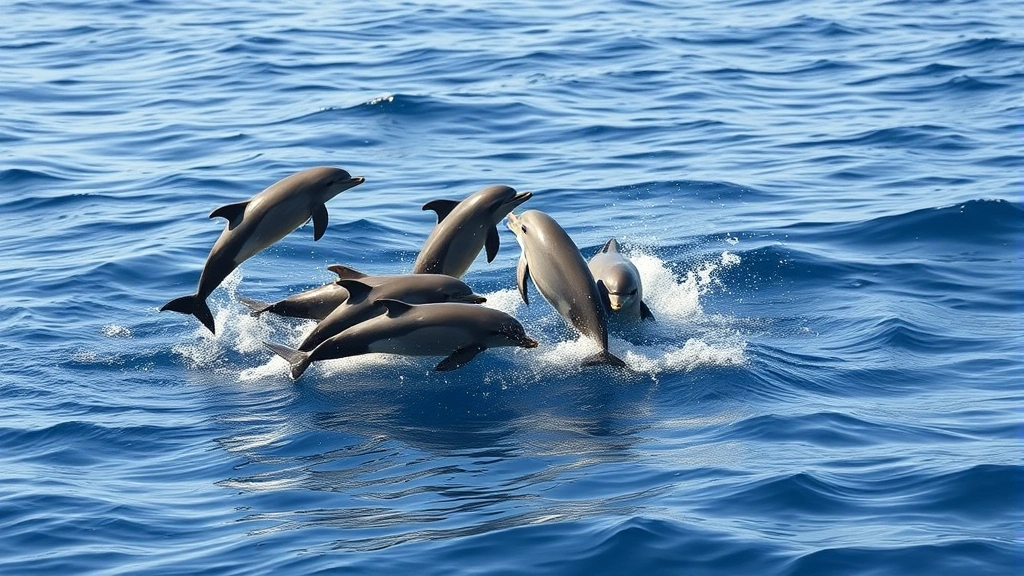
Dolphin calves don’t just appear in the ocean fully formed and independent. Their development is a carefully orchestrated process that spans several years. Most dolphin species have a gestation period of approximately 12 months, meaning mothers carry their young for about a year before giving birth.
When a calf is born, it arrives tail-first, a unique adaptation that helps prevent drowning during the birth process. Newborn calves are typically between 3 and 4 feet long, depending on the species, and they immediately become dependent on their mothers for survival. Unlike many marine animals, dolphin calves cannot fend for themselves and require constant maternal care.
The nursing period for dolphin calves lasts between 3 to 6 years, depending on the species and environmental conditions. During this extended dependency period, calves learn essential survival skills, social behaviors, and hunting techniques from their mothers and other pod members. This prolonged childhood is one reason dolphins are considered highly intelligent marine mammals.
Calves grow rapidly during their first few years. They gain weight quickly through their mother’s nutrient-rich milk, which is much higher in fat content than human breast milk. This accelerated growth is necessary to help them develop the physical capabilities needed for life in the ocean.
The Mother-Calf Bond
The relationship between a dolphin mother and her calf is one of nature’s most touching examples of maternal care. Mothers are fiercely protective of their young, keeping them close at all times and teaching them the ways of the ocean. This bond is so strong that other females in the pod, known as “allomothers,” often help care for calves, creating a supportive family structure.
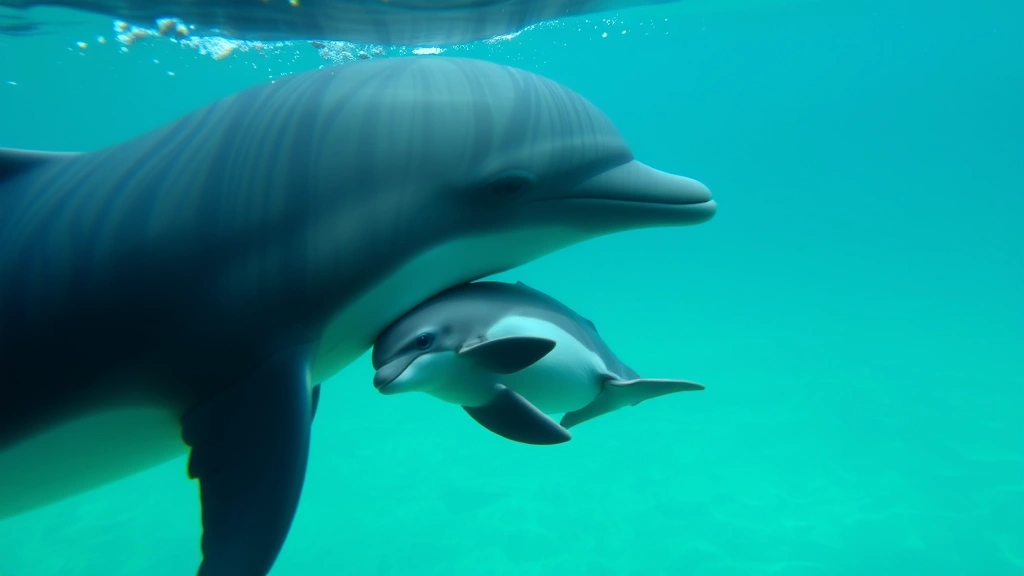
Dolphin mothers spend virtually all their time with their calves during the first few years of life. They nurse their young, protect them from predators, and gradually introduce them to solid food. The teaching process is gradual and patient, with mothers demonstrating hunting techniques and social behaviors that their offspring must master.
This extended maternal investment is comparable to human parenting in many ways. Like human children learning from their parents, dolphin calves absorb crucial information about their environment, social hierarchies, and survival strategies. The bond formed during these early years often lasts throughout the animals’ lives, with adult dolphins maintaining close relationships with their mothers.
Research has shown that baby shark toys and other ocean-themed educational toys can help children understand these maternal bonds better, making marine biology more relatable and engaging for young learners.
Different Dolphin Species and Their Young
While all baby dolphins are called calves, different dolphin species have varying characteristics and development timelines. The bottlenose dolphin, perhaps the most well-known species, typically has a single calf every 3 to 6 years. Bottlenose calves are born after about 12 months of gestation and remain dependent on their mothers for several years.
The spinner dolphin, named for its acrobatic spinning behavior, has similarly dependent calves that learn their species’ signature moves through observation and practice. Spotted dolphins give birth to calves that develop distinctive spots as they mature, a process that takes several years to complete.
Dusky dolphins are known for their highly social pods, where multiple calves often grow up together, learning from a community of adults. The Amazon river dolphin, one of the largest freshwater dolphin species, has calves that adapt to river environments rather than ocean habitats, facing unique challenges and opportunities.
Each species has adapted its parenting strategies to suit its specific environment. Ocean-dwelling dolphins face different predation pressures and food availability than river dolphins, which influences how quickly calves must develop independence. Understanding these differences provides insight into how evolution shapes parenting behavior across species.
Just as exploring different baby elephant facts reveals the diversity of animal parenting, learning about various dolphin species shows us the remarkable adaptability of marine mammals.
Learning, Play, and Pod Dynamics
Dolphin calves are playful creatures that learn through interactive games and social engagement. Play isn’t frivolous in the dolphin world—it’s essential for developing the physical coordination, social skills, and hunting abilities they’ll need as adults. Young dolphins engage in games like chasing, leaping, and mock hunting with their siblings and pod mates.
The social structure of dolphin pods is complex and hierarchical. Calves learn their place within this structure through interactions with other individuals. They observe how dominant dolphins behave, how conflicts are resolved, and how cooperative hunting is conducted. This social education is as important as the physical skills they acquire.
Calves also learn through mimicry, copying the behaviors of adults around them. When a mother dolphin catches fish, her calf watches intently, gradually understanding the techniques involved. Over months and years, the calf practices these skills under maternal supervision until it becomes proficient.
Communication is another crucial skill dolphin calves must master. Dolphins use a sophisticated system of clicks, whistles, and body language to communicate with each other. Calves learn their pod’s specific dialect and communication patterns, which helps maintain group cohesion and identity.
Protecting Baby Dolphins and Their Habitats
Conservation efforts focused on protecting dolphin calves are crucial for ensuring the survival of these species. Many dolphin populations face threats from pollution, fishing nets, habitat loss, and climate change. Understanding the vulnerability of young dolphins helps us appreciate why these conservation efforts matter.
Calves are particularly vulnerable to environmental hazards. They depend entirely on their mothers for food and protection, making them susceptible to any threats that affect their mothers. Pollution in ocean waters can reduce food availability and introduce toxins into the food chain, directly impacting calf nutrition and development.
Fishing nets pose one of the most significant threats to dolphin calves. Young dolphins, not yet fully skilled in navigation and hunting, can become entangled in nets meant for fish. International regulations and fishing practices are gradually improving to reduce these tragic accidents.
Climate change affects the fish populations that dolphins depend on for food. As ocean temperatures rise and currents shift, the availability of prey species changes, forcing dolphins to adapt their migration patterns and hunting grounds. Calves born during periods of food scarcity face additional challenges in their development.
Organizations dedicated to marine mammal protection work tirelessly to monitor dolphin populations, study their behavior, and advocate for policies that protect their habitats. Supporting these efforts through education and conservation awareness helps ensure that future generations will continue to marvel at these remarkable creatures.
Whether you’re shopping for baby boy gifts or baby girl gifts, choosing ocean-themed educational items can raise awareness about marine conservation among young learners.
Frequently Asked Questions
How long do baby dolphins stay with their mothers?
Baby dolphins, or calves, typically stay with their mothers for 3 to 6 years, depending on the species and environmental conditions. Some calves may remain in their mother’s social group even after becoming independent, maintaining close family bonds throughout their lives. This extended dependency period allows calves to learn essential survival and social skills.
What do baby dolphins eat?
Newborn calves nurse on their mother’s milk, which is rich in fat and nutrients necessary for rapid growth. As they mature, usually around 6 months to a year old, calves begin learning to catch fish by observing and imitating their mothers. The transition to solid food is gradual, with calves continuing to nurse while supplementing with fish.
Can baby dolphins survive without their mothers?
Baby dolphins cannot survive without their mothers in the wild. Newborn and young calves are completely dependent on maternal care for nutrition, protection, and education. Orphaned calves face extremely low survival rates in natural environments. In rare cases, other pod members may provide some care, but this is not a reliable substitute for maternal care.
How big do baby dolphins get?
Newborn dolphin calves are typically 3 to 4 feet long, though this varies by species. They grow rapidly during their first few years, gaining weight through nursing and eventually consuming fish. Adult dolphins typically range from 6 to 12 feet in length, depending on the species, with some larger species reaching up to 30 feet.
Do baby dolphins play together?
Yes, baby dolphins are highly playful animals. Calves engage in games with their siblings, mothers, and other pod members. Play serves important developmental purposes, helping calves develop physical coordination, social bonds, and hunting skills. These playful interactions are a crucial part of their learning process and contribute to their overall development.
What predators threaten baby dolphins?
Young dolphins face threats from large predators including sharks, saltwater crocodiles, and occasionally larger dolphin species. Their mothers provide protection, teaching calves how to avoid danger and responding aggressively to threats. As calves grow and develop evasion skills, they become less vulnerable to predation, though adult dolphins can still face predatory threats.
How do baby dolphins communicate?
Baby dolphins begin learning communication from birth. They produce clicks, whistles, and other vocalizations to interact with their mothers and pod mates. Over time, calves learn their pod’s specific dialect and communication patterns. This sophisticated communication system is essential for maintaining group cohesion and coordinating group activities.
When do baby dolphins become independent?
The timeline for independence varies by species, but most dolphin calves begin showing independence around 3 to 6 years old. However, even after becoming independent hunters, many dolphins maintain close social bonds with their mothers and other family members. Full behavioral and physical independence develops gradually rather than occurring at a specific age.