How to Choose the Perfect Baby Dress: Expert Tips
There’s something undeniably magical about dressing your little one in an adorable outfit. Whether you’re preparing for a special occasion or simply want your baby to look picture-perfect during everyday moments, selecting the right baby dress involves far more than just picking something cute. The perfect dress balances style, comfort, practicality, and your baby’s developmental needs—all while keeping your sanity intact during the diaper-change chaos.
The challenge? Babies grow faster than you can say “growth spurt,” their skin is more sensitive than a luxury silk pillowcase, and let’s be honest, they don’t care if their outfit cost a fortune or came from a thrift store. They care about whether it itches, restricts movement, or feels like wearing a straightjacket. So how do you navigate the overwhelming world of infant fashion without losing your mind or your wallet?
This guide breaks down everything you need to know about choosing a baby dress that actually works for your family. We’re talking fabric quality, sizing strategies, occasion-appropriate selections, and those little details that make the difference between a dress your baby tolerates and one she actually enjoys wearing.
Fabric Matters: What Your Baby’s Skin Really Needs
Let’s start with the foundation: fabric. Your baby’s skin is roughly five times thinner than adult skin, making it exponentially more vulnerable to irritation, overheating, and discomfort. This isn’t just about avoiding scratchy materials—it’s about understanding how different fabrics interact with your baby’s thermoregulation, movement, and sensitive epidermis.
Cotton is your best friend. Organic cotton, specifically, offers breathability without the pesticide residue found in conventional cotton. A quality baby girl dress made from organic cotton allows air circulation, reduces the risk of heat rash, and becomes softer with every wash. Look for 100% cotton or cotton-blend options rather than synthetic materials like polyester, which trap heat and moisture against your baby’s skin.
Bamboo fabric represents another excellent option. It’s naturally hypoallergenic, moisture-wicking, and incredibly soft—almost buttery to the touch. Bamboo grows without requiring pesticides, making it an environmentally conscious choice that also happens to be phenomenal for sensitive skin. The downside? Bamboo dresses tend to cost more and wrinkle easily, but if your baby has eczema or reactive skin, the investment might be worthwhile.
According to the American Academy of Pediatrics, avoiding synthetic materials and dyes can significantly reduce skin irritation in infants. Avoid anything with heavy embellishments, sequins, or plastic components that could pose choking hazards or cause discomfort against sensitive skin.
Check the care label carefully. If a dress requires dry cleaning or has complicated washing instructions, it’s probably not practical for a baby who will inevitably experience spit-up, diaper blowouts, and mysterious stains. Machine-washable, durable fabrics should be your priority. You’re not shopping for a museum piece—you’re shopping for something that needs to survive multiple washes weekly.
Sizing Strategy: Planning for Growth Without Waste
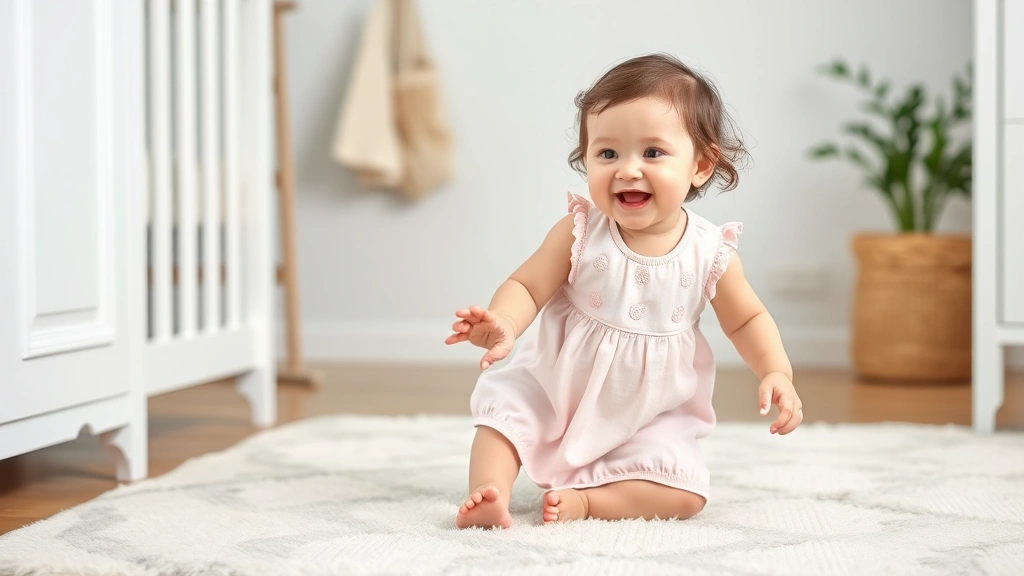
Here’s where many parents make expensive mistakes: buying baby clothes in the current size without considering the rapid growth trajectory. Babies don’t grow linearly—they experience growth spurts that seem to happen overnight, rendering perfectly good dresses obsolete within weeks.
Most babies wear newborn sizes for approximately two to three weeks. If you’re registering for gifts or shopping ahead, prioritize 0-3 month sizes instead. These will fit your baby for a longer stretch and actually get worn multiple times. By the time you’re comfortable using those adorable newborn outfits, your baby has often already outgrown them.
When shopping for baby doll dress styles or specific pieces, check the weight and length guidelines rather than relying solely on age ranges. A larger baby might skip newborn sizes entirely, while a petite baby might wear them longer. Most quality retailers provide measurements for chest circumference and length, which are far more reliable than age labels.
Consider building a capsule wardrobe with pieces in multiple sizes. Rather than owning thirty dresses in one size, own fewer dresses in sizes 0-3 months, 3-6 months, and 6-12 months. This approach saves money, reduces waste, and ensures your baby always has appropriate options. Layering pieces like long-sleeve bodysuits under dresses extend the wearability across seasons.
Don’t overlook adjustable features. Dresses with elastic waistbands, drawstring details, or convertible lengths adapt to growth better than fitted designs. These practical elements might not appear in fashion magazines, but they’re beloved by parents who appreciate clothing that lasts beyond three weeks of use.
Occasion Selection: Dressing for Every Event
Not all baby dresses serve the same purpose. A special occasion dress for a holiday photo shoot differs significantly from an everyday play dress. Understanding the distinction helps you build a functional wardrobe without purchasing redundant pieces.
Everyday dresses should prioritize durability and easy care. These are your workhorses—dresses designed to handle frequent washing, potential stains, and active play. Look for darker colors, simple patterns, and reinforced seams. Everyday dresses in quality cotton or cotton blends offer practicality without sacrificing style.
Special occasion wear can be slightly more delicate. Baby shower dresses and celebration outfits are worn infrequently, so investing in something with special details—lace trim, embroidery, or premium fabric—makes sense. These pieces can be hand-washed or dry-cleaned and stored for future siblings or special moments.
Seasonal considerations matter tremendously. Summer dresses should be lightweight, sleeveless or short-sleeved, and preferably in light colors to reflect heat. Winter dresses benefit from long sleeves, layering potential, and warmer fabric weights. Transitional seasons call for versatile pieces that work with cardigans or jackets.
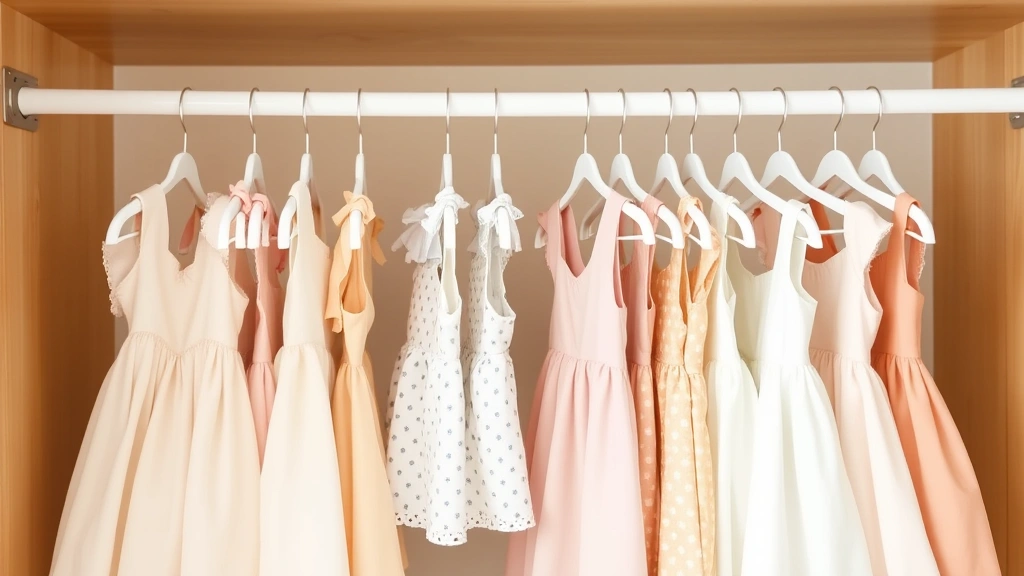
For baby girl clothes specifically, consider growth patterns when selecting seasonal pieces. A summer dress purchased in spring might be outgrown before summer arrives. Prioritize adjustable sizing and pieces designed to transition across multiple sizes within the same season.
Practical Features: The Details That Matter
The difference between a dress that works and one that drives you crazy often comes down to practical features that most style guides overlook.
Diaper access matters. Some dresses feature snap closures along the side seams or convertible designs that allow easy diaper changes without completely undressing your baby. This seemingly small feature becomes invaluable during frequent diaper changes throughout the day. Dresses that require complete removal for diaper changes create unnecessary hassle, especially when you’re out and about.
Neckline and armhole sizing significantly impact comfort. Overly tight necklines restrict movement and can feel constricting. Armholes that are too large create gaps that expose your baby’s sides and make the dress feel ill-fitting. Look for gentle curves and appropriately sized openings that allow freedom of movement without gaping.
Hem length affects both safety and practicality. Overly long hems create tripping hazards once your baby begins crawling or walking. Conversely, very short dresses might ride up uncomfortably or expose too much skin. Aim for hems that hit just above the ankle or at mid-shin for optimal functionality.
Closure systems should be easy for caregivers to manage. Snaps are generally preferable to buttons, which can be choking hazards if they detach. Magnetic closures offer convenience but can interfere with medical devices. Avoid dresses with drawstrings or small embellishments that could pose safety concerns.
According to the Consumer Product Safety Commission, certain features in children’s clothing present legitimate hazards. Always check that decorative elements are securely attached and that closures meet safety standards.
Style Considerations: Finding Your Aesthetic
While functionality matters most for baby clothing, personal style shouldn’t be completely abandoned. You spend time looking at your baby throughout the day—choosing pieces you genuinely love makes the experience more enjoyable for everyone.
Classic styles age well and photograph beautifully. Simple A-line cuts, modest embellishments, and neutral color palettes create versatile pieces that work across seasons and style preferences. These dresses also transition more easily to younger siblings if family growth is in your plans.
Contemporary styles offer current aesthetic appeal but may feel dated quickly. If you love modern designs, balance them with timeless basics. This approach ensures you’re not constantly replacing your entire wardrobe as trends shift.
When selecting baby girl gifts or building a wardrobe with input from multiple caregivers, neutral styles bridge different aesthetic preferences. A well-made cream or soft gray dress works whether your style leans traditional, bohemian, or minimalist.
Color psychology matters subtly but genuinely. Soft pastels and neutrals create a calming visual aesthetic, while brighter colors add vibrancy and joy. Consider your home environment and what colors make you happiest—you’ll be photographing your baby frequently, and choosing colors you love ensures those memories feel visually cohesive.
Pattern selection involves both aesthetics and practicality. Small, busy patterns hide stains better than solid colors or large prints. If you’re worried about visible marks between washes, patterned dresses are your friend. Conversely, solid colors create a cleaner, more formal appearance suitable for special occasions.
Budget-Smart Shopping: Quality Without Breaking the Bank
Baby clothes represent a significant expense, especially when you’re constantly replacing items due to growth. Strategic shopping ensures you invest in quality without emptying your savings account.
Buy secondhand strategically. Gently used baby dresses from reputable consignment shops or trusted friends offer exceptional value. Babies wear clothes briefly, so secondhand options are often essentially new. This approach dramatically reduces cost while maintaining quality. Inspect items carefully for stains, loose seams, or damaged closures before purchasing.
Invest in versatile basics. A few high-quality dresses in neutral colors that mix and match with cardigans, jackets, and accessories provide more outfit combinations than numerous single-purpose pieces. This wardrobe strategy maximizes utility while minimizing volume.
Shop end-of-season sales strategically. Purchasing summer dresses in August or winter dresses in February means you’re buying for upcoming seasons rather than immediate wear. This timing allows you to buy quality pieces at reduced prices, though it requires planning ahead.
Compare cost-per-wear. A dress costing forty dollars that your baby wears three times has a significantly higher cost-per-wear than a sixty-dollar dress worn fifty times. Quality fabrics, thoughtful construction, and timeless styling justify higher price points when they result in longer wearability.
Avoid impulse purchases driven by cuteness alone. That irresistible tutu dress might be adorable but impractical for actual wear. Before purchasing, ask yourself: Will my baby wear this regularly? Does it work with existing pieces? Will it last through multiple washes? Honest answers prevent closets from overflowing with unused items.
Many retailers offer loyalty programs, email discounts, and seasonal promotions. Signing up for newsletters from quality baby retailers alerts you to sales without requiring constant price-checking. Building relationships with specific brands you trust streamlines future shopping and often results in better pricing.
Frequently Asked Questions
What’s the best fabric for sensitive baby skin?
Organic cotton and bamboo fabric are ideal for sensitive skin. Both are naturally hypoallergenic, breathable, and free from harsh chemical treatments. Avoid synthetic materials like polyester, which trap heat and moisture. Look for certifications indicating organic or sustainable production to ensure quality standards.
How many dresses does a baby actually need?
A functional wardrobe includes five to eight dresses in rotation, accounting for different sizes as your baby grows. This allows for regular washing while maintaining clean options. Most babies wear dresses occasionally rather than daily, so fewer pieces in quality fabrics work better than numerous lower-quality items.
Should I buy newborn size dresses?
Newborn sizes are typically worn for only two to three weeks. Prioritize 0-3 month sizes instead, which provide longer wearability. If you’re purchasing gifts or preparing ahead, focus on sizes that provide extended use rather than outfits worn briefly before outgrowing.
How do I know if a dress fits properly?
Check that armholes don’t gap excessively, the neckline isn’t overly tight, and hems allow freedom of movement without creating tripping hazards. Refer to specific measurements provided by retailers rather than relying solely on age labels. When in doubt, slightly loose is better than snug, as babies need freedom for growth and movement.
Are expensive baby dresses worth the investment?
Quality matters more than price. A moderately priced dress made from excellent fabric and construction lasts longer than a cheap dress regardless of brand name. Compare specific features, fabric quality, and construction details rather than focusing solely on price or brand prestige.
Can I wash special occasion dresses in the washing machine?
Check the care label before assuming hand-washing is necessary. Many special occasion dresses designed for babies are actually machine-washable despite their appearance. Using a delicate cycle with cold water and mild detergent protects special pieces while maintaining practicality.
How should I store baby dresses between sizes?
Store clean, dry dresses in breathable containers away from direct sunlight, which can fade colors. Acid-free tissue paper prevents yellowing. Keep dresses accessible if you’re planning future children, or donate them to families who need them. Proper storage ensures pieces remain in good condition for extended periods.