Choosing Baby Dresses: Top Tips for Style and Comfort
There’s something undeniably delightful about dressing up your little one, but let’s be honest—selecting the perfect baby dress involves far more than just picking something adorable. You’re navigating fabric choices, growth spurts, practical concerns about diaper changes, and the eternal question of whether your baby will actually tolerate wearing the outfit you’ve lovingly chosen. It’s a puzzle that many parents find surprisingly complex, especially when you’re trying to balance those Pinterest-worthy moments with real-world functionality.
The truth is, finding baby dresses that work for both you and your child requires understanding what makes clothing genuinely suitable for tiny humans. Babies have sensitive skin, limited mobility, and specific developmental needs that standard clothing often overlooks. Meanwhile, you’re probably juggling laundry loads, managing messes, and hoping for outfits that photograph well without requiring constant adjustments. The good news? With the right approach, you can absolutely find beautiful, comfortable dresses that satisfy everyone involved.
This guide breaks down everything you need to know about selecting baby dresses that actually work—from fabric selection and sizing to practical features that make your life easier. Whether you’re shopping for everyday wear or special occasions, these insights will help you make smarter choices.
Fabric Matters: Prioritizing Comfort and Safety
When it comes to what touches your baby’s delicate skin, fabric selection is absolutely non-negotiable. Babies have epidermis that’s about 30% thinner than adult skin, making them significantly more susceptible to irritation, rashes, and discomfort. This isn’t just about feeling soft—it’s about creating an environment where your baby’s skin can thrive.
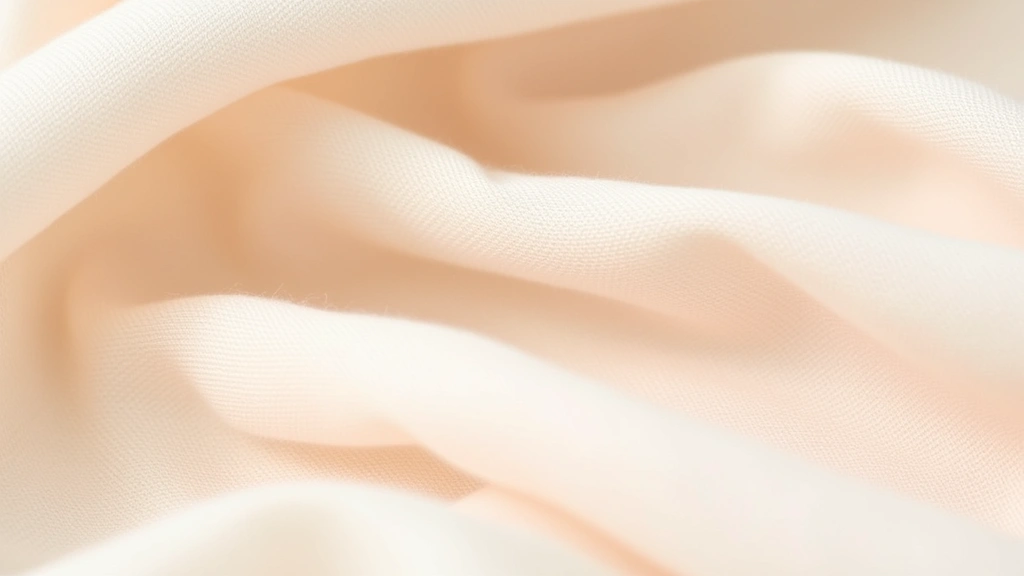
Natural fibers reign supreme for baby clothing. Cotton remains the gold standard, particularly organic cotton that’s grown without synthetic pesticides and processed without harsh chemicals. Organic cotton breathes beautifully, regulates temperature naturally, and won’t cause the irritation that synthetic materials often trigger. When you’re examining baby girl dresses, always check for that organic certification label.
Bamboo fabric is another excellent option gaining popularity among thoughtful parents. It’s hypoallergenic, incredibly soft, and naturally moisture-wicking—perfect for babies who tend to get sweaty or who have sensitive skin. The fabric drapes beautifully on tiny frames, which means those Instagram-worthy photos practically happen on their own.
Linen blends offer wonderful breathability for warmer months, though pure linen can feel slightly stiff initially. A cotton-linen blend gives you the best of both worlds: durability with softness. Avoid synthetic blends, polyester, and heavily treated fabrics whenever possible. These materials don’t breathe well, can trap heat, and often contain chemical finishes that irritate sensitive skin.
Pay attention to fabric weight too. Lightweight materials work best for most situations—they’re easier to move in, less likely to cause overheating, and generally more comfortable for active babies. When you’re browsing additional baby girl dress options, prioritize those with breathable, natural fabric compositions.
Seams and construction matter as much as fabric content. Look for flat-locked seams or seams that face outward, away from your baby’s skin. Rough interior seams can cause irritation during all that crawling and playing. Check that tags are soft and won’t scratch delicate skin—better yet, look for tagless designs.

Sizing and Fit: Getting It Right the First Time
Baby sizing is notoriously inconsistent across brands, which explains why you might have a 6-month dress that fits like a 12-month and vice versa. Rather than relying on age ranges, measure your baby and compare those measurements directly to the brand’s size chart. This simple step eliminates so much frustration and reduces returns.
Here’s the reality: babies grow at wildly different rates. Some sail through sizes quickly, while others stay in the same size for months. Rather than buying strictly by age, consider your baby’s actual measurements. A dress should have enough room for a diaper, movement, and growth—ideally about an inch of extra room at the waist and length. However, it shouldn’t be so loose that it’s a tripping hazard or so tight that it restricts movement or digs into the skin.
When selecting dresses for special moments, consider that baby shower dresses and occasion wear often run smaller than everyday clothing. Factor in an extra size up if you’re ordering online without trying on first. You can always have a tailor make minor adjustments for those significant events.
Adjustable features are your friend. Look for dresses with side snaps, button closures that can be adjusted, or elastic waistbands that accommodate growth. These features extend the life of a dress significantly, meaning you get more wear before your baby outgrows it. This becomes especially valuable when you’re investing in higher-quality pieces.
Sleeve length deserves attention too. Sleeves that are too long will interfere with your baby’s ability to grasp objects and explore their environment. Conversely, sleeves that are too short leave arms exposed to sun and cold. The ideal sleeve should end right at the wrist, allowing full hand visibility and movement.
Practical Features That Actually Make a Difference
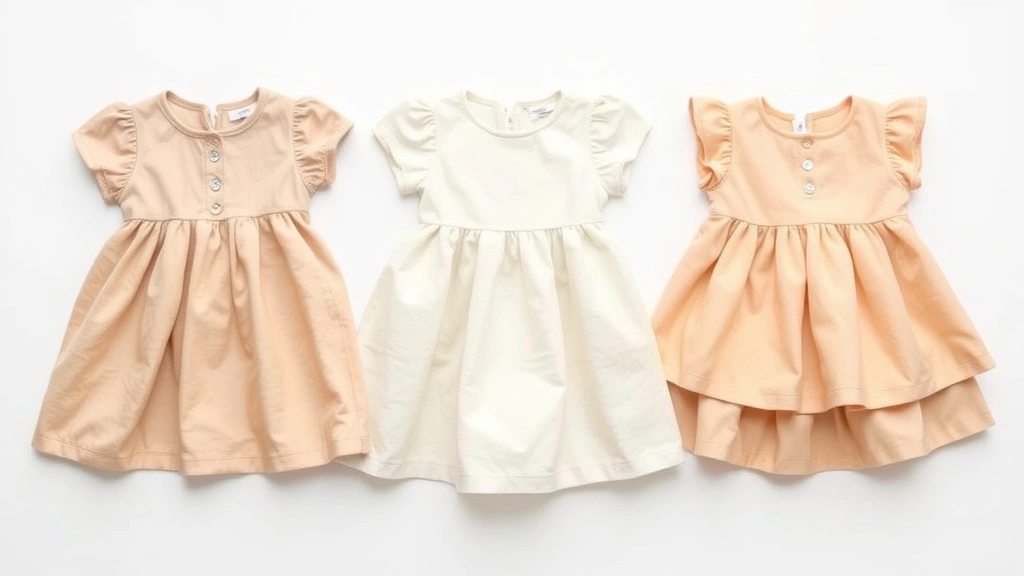
Beyond aesthetics, certain practical features transform a dress from merely cute to genuinely functional for daily parenting. Diaper access is paramount—you don’t want to completely undress your baby for every diaper change. Dresses with snap buttons along the inseam or side allow quick changes without removing the entire outfit. Some styles feature wraparound designs that open completely, which parents absolutely love.
Neckline design affects both comfort and safety. Crew necks and gentle round necklines work beautifully for most babies, while extremely tight necklines can restrict movement and feel uncomfortable. Avoid anything with drawstrings or small embellishments that could pose choking hazards. This consideration extends to all decorative elements—buttons should be securely sewn, appliqués should be firmly attached, and any trim should be safely stitched.
When comparing baby girl gifts or special occasion pieces, look for dresses with reinforced stress points. The armholes, neckline, and seams take the most wear during active play and frequent laundering. Quality construction in these areas means your dress maintains its shape and durability through multiple wearings and washings.
Pockets might seem like a luxury, but they’re genuinely practical for busy toddlers who need somewhere to keep treasured findings during outings. Even small pockets add functionality without compromising the dress’s appearance.
Consider how the dress works with your lifestyle. If you’re frequently outdoors, stain-resistant or darker fabrics might be more practical than whites. If your baby has sensitive skin, dresses that can be washed in gentle, fragrance-free detergent without special care requirements save considerable time and frustration.
Seasonal Considerations for Baby Dresses
Seasonal changes require thoughtful dress selection to keep your baby comfortable year-round. Summer dresses should be lightweight, breathable, and offer some sun protection. Look for fabrics with natural UV-blocking properties or opt for longer sleeves in lightweight materials. A sleeveless summer dress pairs beautifully with a lightweight cardigan or long-sleeved bodysuit underneath for layered sun protection.
Winter requires different considerations. Thicker fabrics like cotton knits, brushed cotton, or cotton-fleece blends provide warmth without bulk. Dresses designed to be layered over long sleeves or bodysuits work better than sleeveless styles. However, avoid making dresses so heavy that they restrict movement—babies need to move freely, even in winter clothing.
Spring and fall demand versatility. Layering becomes essential, so choose dresses that work well over long sleeves or with lightweight cardigans. Transitional fabrics that aren’t too heavy or too light help you navigate unpredictable weather without constantly changing outfits.
Regardless of season, ensure your baby isn’t overheating or getting too cold. A good rule of thumb: dress your baby in one more layer than you’re wearing, plus the dress itself. Check your baby’s neck and back regularly—they should feel warm but not sweaty.
Dressing for Special Occasions
Special moments call for special dresses, but this doesn’t mean sacrificing comfort for style. When selecting occasion wear, prioritize dresses that still allow your baby to move, play, and be themselves. A beautiful dress that your baby refuses to wear because it’s uncomfortable creates memories you’d rather forget.
Look for occasion pieces that incorporate the same comfort principles as everyday dresses—natural fabrics, proper sizing, practical closures. The difference lies in details: slightly fancier trims, embellishments, or construction. Lace overlays, smocking, embroidery, or subtle beading can elevate a dress without making it impractical.
When shopping baby boy clothes alongside occasion wear for your daughter, or vice versa, remember that comfort standards apply equally. A well-dressed baby is a comfortable baby, regardless of gender or occasion.
Consider having occasion dresses professionally cleaned and stored properly if you plan to use them for future children or special events. Acid-free tissue paper and breathable garment bags preserve fabrics better than plastic storage.
Care and Maintenance for Longevity
Proper care extends the life of baby dresses significantly, protecting your investment and reducing the need for frequent replacements. Always check care labels, but generally, baby clothing should be washed in gentle, fragrance-free detergent using cool water. Hot water fades colors, damages delicate fabrics, and can set stains permanently.
Turn dresses inside out before washing to protect prints and decorative details. Use a gentle cycle and avoid fabric softeners, which can irritate sensitive skin and reduce breathability. Air drying is ideal—it’s gentler than machine drying and prevents shrinkage.
Treat stains promptly. Many common baby stains (spit-up, food, dirt) come out easily with immediate attention. A simple mixture of water and mild soap often works before washing. Avoid bleach, which can weaken fibers and irritate skin.
Store clean dresses in breathable containers in a cool, dry place. Avoid plastic bins, which can trap moisture and encourage mildew. Acid-free tissue paper prevents yellowing of white and light-colored fabrics over time.
Shopping Smart: Budget-Friendly Strategies
Quality baby dresses don’t require premium price tags if you shop strategically. Start by establishing your budget and determining which dresses warrant investment versus which are fine as affordable basics.
Buy versatile pieces that work across seasons and occasions. Neutral colors and classic styles remain relevant longer than trendy prints that quickly feel dated. A well-made cream or soft gray dress works for multiple seasons with different layering combinations.
Consider purchasing from brands known for quality basics rather than always chasing trendy pieces. Timeless styles remain wearable longer and often transfer successfully to younger siblings or friends.
Online shopping offers tremendous selection, but always verify return policies before purchasing. When you can’t try on dresses in person, detailed size charts and customer reviews become invaluable resources. Many retailers offer free returns, making online shopping lower-risk.
Don’t overlook secondhand options. Gently used baby dresses from consignment shops or online resale platforms offer significant savings. Since babies wear clothes briefly before outgrowing them, secondhand options often look nearly new.
Subscribe to brand email lists for sale notifications. Many companies offer first-time buyer discounts, seasonal sales, and exclusive offers to subscribers. You can often find quality dresses at substantially reduced prices during these promotions.
Frequently Asked Questions
What fabric is best for sensitive baby skin?
Organic cotton and bamboo fabrics are ideal for sensitive skin. Both are hypoallergenic, free from harsh chemicals, and naturally breathable. Look for certifications like GOTS (Global Organic Textile Standard) to ensure quality and safety standards.
How do I know what size dress my baby needs?
Measure your baby’s chest, waist, and length, then compare those measurements to the brand’s size chart rather than relying on age ranges. Babies grow at different rates, and sizing varies significantly between brands. Always check the specific chart before purchasing.
Can I use regular detergent to wash baby dresses?
It’s best to use gentle, fragrance-free baby detergent specifically formulated for sensitive skin. Regular detergents often contain chemicals and fragrances that can irritate babies’ skin. Baby detergent is gentler and less likely to cause rashes or discomfort.
How often should baby dresses be replaced as my child grows?
This depends on growth rate and how frequently the dress is worn. Most babies outgrow dresses every 2-4 months, though some grow faster or slower. When you notice the dress is too tight, restricts movement, or the hem is too short, it’s time to size up.
Are expensive baby dresses worth the investment?
Quality matters more than price. A well-made dress from a mid-range brand often outperforms a poorly constructed expensive option. Focus on fabric quality, construction, and durability rather than brand name. One high-quality dress that lasts through multiple wearings can be more economical than several cheaper options.
What should I look for in occasion wear dresses?
Prioritize comfort and practical closures alongside aesthetics. Choose natural fabrics, ensure proper sizing, and look for dresses that allow movement and play. Embellishments should be securely attached and safe for babies to wear without choking hazards.
How can I prevent baby dresses from shrinking?
Wash in cool water, avoid hot dryer temperatures, and air dry whenever possible. Check fabric content—natural fibers like cotton shrink more than blends. Following the care label instructions and using gentle cycles significantly reduces shrinkage.
Is it necessary to buy multiple dresses?
Having several dresses in rotation extends their lifespan by reducing wear on individual pieces and allowing time for proper laundering and drying. Three to five basic dresses in different styles and colors provide flexibility while keeping laundry manageable.