Is Baby Ear Piercing Safe? Expert Insights on What Parents Need to Know
The question of whether to pierce your baby’s ears is one that sparks surprisingly heated debates in parenting circles. Some families view it as a cherished cultural tradition, while others prefer to wait until their child can make an informed decision. But beyond the philosophical considerations lies a practical question that deserves a straightforward answer: Is it actually safe?
The truth is nuanced. Baby ear piercing can be performed safely when done correctly by qualified professionals using proper sterile techniques. However, the procedure does come with specific risks that vary depending on your baby’s age, the piercing method used, and the aftercare you provide. Understanding these factors helps you make an informed decision that aligns with your family’s values and your child’s wellbeing.
Whether you’re considering piercing your newborn’s ears as a cultural rite, planning ahead for your toddler, or simply curious about what the experts recommend, this guide walks you through everything you need to know—the risks, the benefits, the best practices, and the expert recommendations that can help you navigate this decision with confidence.
When Is It Safe to Pierce Baby Ears?
The age at which ear piercing becomes safer for babies is one of the first questions parents ask. Medical professionals generally agree that babies should be at least three to six months old before ear piercing is considered, with many experts recommending waiting until closer to one year of age.
Why does age matter? Several developmental factors come into play. Younger infants have immature immune systems that are still developing their ability to fight infections. Their ears are also smaller and more delicate, making the procedure technically more challenging. Additionally, babies under six months have limited ability to communicate discomfort or problems that might develop after piercing.
The American Academy of Pediatrics (AAP) doesn’t explicitly prohibit infant ear piercing, but they recommend waiting until children are old enough to participate in the decision and maintain proper hygiene. Some pediatricians suggest waiting until a child is at least five to seven years old, when they can understand the importance of keeping the piercing clean and can communicate if something feels wrong.
If you’re considering piercing your baby’s ears for cultural or religious reasons, discuss the timing with your pediatrician. They can evaluate your individual baby’s health status, immune system maturity, and readiness for the procedure. Premature babies, those with certain health conditions, or babies on immunosuppressive medications should wait longer before piercing.

Piercing Methods: Gun vs. Needle
Not all ear piercing methods are created equal, and the technique used makes a significant difference in safety outcomes. There are two primary methods: the piercing gun and the hollow needle, and understanding the differences is crucial for making the right choice.
The Piercing Gun Method
Piercing guns use a spring mechanism to force a stud earring through the earlobe in a single motion. They’re quick, relatively inexpensive, and widely available at mall kiosks and jewelry stores. However, pediatricians and professional piercers increasingly recommend against them for babies and young children for several reasons:
- The gun creates a blunt force trauma rather than a clean cut, potentially damaging tissue and causing more inflammation
- Guns cannot be fully sterilized between uses—they’re typically only wiped down with alcohol, which doesn’t eliminate all bacteria and viruses
- The earrings attached to guns are often lower quality and may contain nickel, a common allergen
- The speed and force make it difficult to ensure proper angle and placement
- Babies have no ability to consent or communicate discomfort during the procedure
The Hollow Needle Method
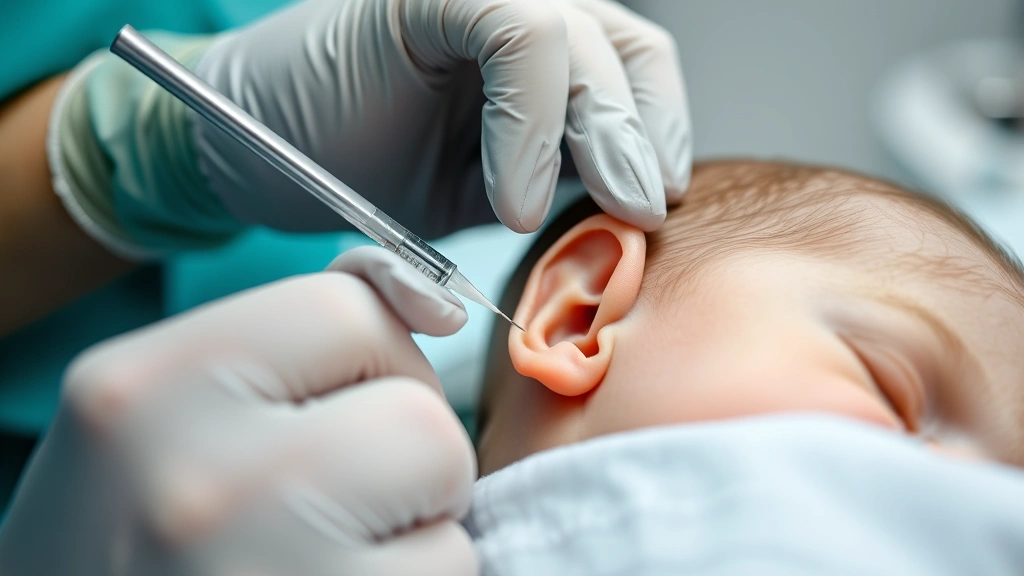
Professional piercers typically use hollow needles, which create a cleaner opening by removing a small core of tissue. This method offers several advantages, particularly for babies:
- The needle creates a precise, clean hole with minimal tissue trauma
- Professional piercers use autoclaves to sterilize equipment to medical standards
- Piercers can use higher-quality jewelry, typically surgical steel or titanium
- The procedure can be performed more carefully with proper angle and placement
- Aftercare instructions are typically more thorough from professional piercers
If you decide to proceed with baby ear piercing, seeking out a professional piercer who uses the hollow needle method and follows strict sterilization protocols is significantly safer than mall kiosks. Look for piercers who are members of professional organizations like the Association of Professional Piercers (APP) and who can demonstrate their sterilization procedures.
Health Risks and Complications
Like any procedure that breaks the skin, ear piercing carries inherent risks. Understanding these potential complications helps you make an informed decision and recognize warning signs if problems develop.
Infection
Infection is the most common complication of ear piercing in babies. The piercing creates an open wound that takes weeks to fully heal. During this vulnerable period, bacteria can enter and cause infection. Signs include redness, swelling, warmth, discharge (especially pus), and your baby seeming uncomfortable or feverish. Infected piercings require prompt medical attention and may need antibiotic treatment.
Allergic Reactions
Babies can develop allergic reactions to earring materials, most commonly nickel. Even small amounts of nickel can trigger reactions in sensitive individuals, causing redness, itching, and dermatitis around the piercing. This is why using hypoallergenic materials like surgical steel or titanium is important. If your family has a history of metal allergies, take extra precautions with material selection.
Keloid Formation
Some people develop keloids—thickened, raised scars at the piercing site. This is more common in people with darker skin tones and those with a family history of keloid formation. While keloids aren’t dangerous, they can be cosmetically bothersome and difficult to treat. Babies with family history of keloids should be counseled about this risk.
Earlobe Splitting
If an earring gets caught or pulled during active play (as toddlers and young children are prone to do), the piercing hole can tear, potentially splitting the earlobe. In severe cases, this may require surgical repair. This risk decreases as children grow older and can understand not to pull on their ears.
Granuloma Formation
Sometimes, granulomas—small bumps of tissue—form around the piercing. These usually resolve on their own but occasionally require professional treatment. They’re more likely to develop if the piercing isn’t kept clean or if there’s ongoing irritation.
Proper Aftercare for Baby Piercings
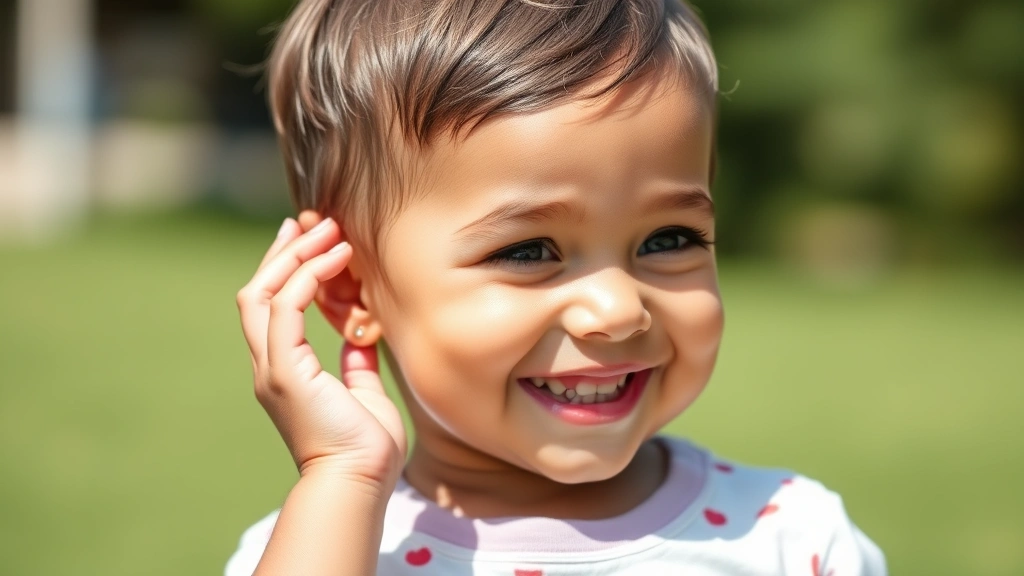
If you proceed with baby ear piercing, meticulous aftercare is absolutely essential. The difference between a successful piercing and a problematic one often comes down to how well you follow aftercare protocols.
Cleaning Routine
For the first six weeks, you’ll need to clean the piercing twice daily with a sterile saline solution. Warm saline—not alcohol or hydrogen peroxide, which can damage healing tissue—should be applied with clean gauze or a cotton ball. Let the solution soak gently on the piercing for a minute or two to soften any crusting, then gently wipe away debris. Avoid using cotton swabs, which can leave fibers in the piercing.
Jewelry Selection
The initial earrings should be hypoallergenic studs made from surgical steel, titanium, or gold (at least 14 karat). Avoid nickel, brass, and plated metals. The earrings should be small and not too heavy—babies’ earlobes are delicate, and heavy jewelry can cause trauma or encourage infection. Many professional piercers provide appropriate starter jewelry as part of their service.
Avoiding Complications
Keep your baby’s hands as clean as possible and discourage touching or pulling at the piercings. This is challenging with babies and toddlers, so some parents use soft cotton mittens or keep fingernails short. Avoid submerging the ears in bathwater or swimming pools until the piercing is fully healed (typically 6-8 weeks minimum). Keep hair clean and away from the piercing site to prevent bacterial transfer.
When to Rotate Earrings
Contrary to old advice, you should not constantly rotate earrings during healing. This actually increases irritation and infection risk. Leave the initial earrings in place for the entire healing period. Only after the piercing is fully healed should you consider changing jewelry.
Recognizing Problems
Watch for signs that something isn’t right: increasing redness, swelling, warmth, pus or unusual discharge, your baby seeming feverish or unusually fussy, or the piercing bleeding excessively. Any of these warrant immediate contact with your pediatrician or the professional who performed the piercing.
Cultural and Family Considerations
For many families, ear piercing isn’t primarily a medical question—it’s a cultural or religious practice with deep significance. Understanding how these considerations factor into your decision is important.
Many cultures view infant ear piercing as a coming-of-age ritual or cultural identifier. In some Hispanic, Indian, Middle Eastern, and African traditions, piercing a baby girl’s ears is a meaningful family celebration. These traditions carry emotional weight and connect children to their heritage. Religious practices in certain communities also involve ear piercing as part of faith observance.
If your family has these traditions, the question becomes less about whether to pierce and more about how to do it safely. Discussing your cultural practices with your pediatrician can help you identify the safest approach while honoring your traditions. Many pediatricians are respectful of cultural practices and can provide guidance on minimizing risks while accommodating your family’s values.
On the other hand, some parents prefer waiting until their child is old enough to choose ear piercing for themselves. This perspective respects bodily autonomy and allows the child to make an informed decision about permanent body modification. Both approaches are valid—the key is making a thoughtful choice that aligns with your family’s values.
When considering baby jewelry options more broadly, you’ll find many alternatives that don’t involve piercing. If you want to mark a milestone or celebrate your baby’s arrival, best baby shower gifts often include beautiful jewelry pieces designed for babies without piercing. For parents looking for meaningful gifts, baby boy gifts and baby girl gifts offer countless options that celebrate your child without requiring a permanent modification.
What Experts Recommend
Major medical organizations have weighed in on infant ear piercing, and their recommendations provide valuable guidance for parents.
The American Academy of Pediatrics (AAP) acknowledges that ear piercing is common but emphasizes that it does carry infection risks. They recommend waiting until children are old enough to care for the piercing themselves and participate in the decision. Many AAP members suggest waiting until at least age five to seven years old.
The Centers for Disease Control and Prevention (CDC) provides guidance on preventing infections from body piercings, emphasizing the importance of sterile technique and proper aftercare. Their recommendations highlight that infection risk is real and requires careful attention.
The Association of Professional Piercers recommends waiting until at least age five or six for ear piercing, and they emphasize using professional piercers with proper sterilization protocols rather than mall kiosks. They also recommend hollow needle techniques over guns.
Dermatologists note that while ear piercing complications in babies are generally manageable, they are preventable by waiting until the child is older and can participate in aftercare and decision-making. They emphasize that any infection should be treated promptly by a healthcare provider.
The consensus among experts is clear: While baby ear piercing can be done safely with proper technique and aftercare, waiting until a child is older significantly reduces risks and respects their autonomy. If you choose to pierce your baby’s ears for cultural or religious reasons, do so with a qualified professional using proper sterilization and high-quality jewelry, and commit to meticulous aftercare.
You might also explore baby accessories that celebrate milestones without requiring piercing, offering beautiful ways to mark special moments in your child’s life.
Frequently Asked Questions
At what age can babies get their ears pierced?
Most medical professionals recommend waiting until babies are at least three to six months old, with many suggesting waiting until age one or older. Some experts prefer waiting until age five to seven, when children can understand the importance of keeping the piercing clean and can communicate if problems develop. Always discuss timing with your pediatrician based on your individual baby’s health.
Is it better to use a piercing gun or a needle?
Professional piercers and pediatricians strongly recommend the hollow needle method over piercing guns. Needles create cleaner wounds with less tissue trauma, are properly sterilized using medical-grade autoclaves, and allow for more precise placement. Piercing guns create blunt force trauma and cannot be fully sterilized between uses.
What should I do if my baby’s piercing gets infected?
Contact your pediatrician immediately if you notice signs of infection: increasing redness, swelling, warmth, pus or unusual discharge, or your baby seeming feverish. Do not remove the earring unless directed by your doctor, as this can cause the hole to close while infection remains inside. Your pediatrician may prescribe antibiotics or recommend other treatment.
How long does it take for baby ear piercings to heal?
Initial healing typically takes six to eight weeks, but complete healing of the tissue can take several months. During the healing period, avoid changing earrings, swimming, or submerging the ears in bathwater. Follow your piercer’s or pediatrician’s specific aftercare instructions.
Can my baby have an allergic reaction to earrings?
Yes, babies can develop allergic reactions to earring materials, most commonly nickel. To minimize this risk, use hypoallergenic materials like surgical steel (nickel-free), titanium, or high-karat gold (14K or higher). If your family has a history of metal allergies, inform your piercer so they can recommend the safest materials.
What if I want to honor my cultural tradition but my pediatrician advises against it?
Many pediatricians respect cultural practices and can help you find the safest way to honor your traditions. Discuss your cultural values and the significance of piercing in your family. Together, you might identify ways to celebrate your heritage while minimizing health risks—such as using a professional piercer with proper sterilization, waiting until your baby is slightly older, or exploring alternative ways to mark the milestone.
What’s the difference between temporary and permanent ear piercing solutions?
Some families use clip-on earrings or magnetic earrings as temporary alternatives to piercing. These allow your child to enjoy the look of pierced ears without the commitment or risks of actual piercing. These can be a good compromise if you want to celebrate your baby without permanent modification.