Baby First Aid Kit: Essential Checklist for Parents
Let’s be honest—parenthood comes with a healthy dose of worry. One minute your baby is peacefully napping, and the next they’ve managed to find the one sharp corner in a padded room. While we can’t prevent every bump, scrape, or unexpected fever, we can be prepared. Having a well-stocked baby first aid kit isn’t about being paranoid; it’s about being practical. It’s the difference between calmly treating a minor injury and frantically searching through drawers at midnight while your little one screams.
A proper baby first aid kit goes beyond the standard bandages you’d find in an adult’s medicine cabinet. Babies have delicate skin, developing immune systems, and unique medical needs that require specific products and approaches. Whether you’re a first-time parent or adding to your growing family, knowing what to include—and equally important, what to avoid—can make all the difference when minor emergencies strike.
This comprehensive guide walks you through everything you need to assemble a baby first aid kit that’s both practical and safe. We’ll cover the essentials, the nice-to-haves, storage tips, and critical safety considerations that every parent should know.
Why Every Parent Needs a Baby First Aid Kit
Babies explore the world with enthusiasm and absolutely zero understanding of consequences. Teething causes discomfort, minor cuts happen during playtime, and fevers appear seemingly out of nowhere. When these situations occur—and they will—you want immediate access to appropriate supplies rather than making emergency store runs or improvising with whatever’s under the bathroom sink.
A dedicated baby first aid kit serves multiple purposes. First, it keeps baby-specific products separate from adult medications, reducing the risk of accidental mix-ups. Second, it ensures you have age-appropriate treatments on hand, which is crucial since many adult remedies are unsafe for infants. Third, it provides peace of mind. Knowing you’re prepared transforms parental anxiety into practical readiness.
Beyond individual items, a well-organized kit reflects a thoughtful approach to your baby’s health and safety. It’s part of the broader framework of responsible parenting—much like choosing a pediatrician who aligns with your family’s values. When you’re calm and organized, your baby senses that stability, which actually helps them recover faster from minor ailments.
Essential Supplies for Your Baby First Aid Kit
Start with the foundational items every baby first aid kit must include. These are the supplies you’ll reach for most frequently:
- Sterile gauze pads and bandages: Include various sizes—small ones for minor cuts and larger ones for more significant scrapes. Opt for hypoallergenic options to minimize skin irritation.
- Medical tape: Use tape specifically designed for sensitive skin. Regular tape can irritate a baby’s delicate epidermis.
- Elastic bandages: Helpful for minor sprains, though serious injuries always warrant professional evaluation.
- Tweezers: For removing splinters. Choose ones with a fine point for precision.
- Thermometer: A digital thermometer is essential. Rectal thermometers are most accurate for infants under three months, though temporal or ear thermometers work well for older babies. Avoid mercury thermometers entirely.
- Saline solution: Invaluable for cleaning minor wounds and flushing eyes. It’s gentle enough for newborns.
- Cotton balls and swabs: Essential for applying solutions and cleaning areas.
- Antibiotic ointment: A thin layer on minor cuts helps prevent infection. Always use baby-safe versions.
- Pain relief options: Having appropriate pain management available is crucial. Baby Motrin and acetaminophen are common choices, but always follow dosing guidelines based on your baby’s age and weight.

Medications and Topical Treatments
This section requires particular attention because medication safety is paramount. Never administer anything to your baby without consulting your pediatrician first, especially for infants under six months.
Fever Management: Fevers are common and often your baby’s immune system doing its job. Appropriate fever-reducing medications include acetaminophen and ibuprofen for babies over six months old. Baby Motrin is a popular ibuprofen option, though always verify dosing with your pediatrician based on your baby’s specific weight and age.
Teething Relief: When your baby’s gums swell and ache, Baby Orajel provides localized numbing relief. Apply it directly to sore gums following package instructions. Teething rings chilled (but not frozen) in the refrigerator also work wonderfully and don’t involve medication.
Skin Care and Moisturizing: Babies’ skin is incredibly sensitive and prone to dryness, especially in winter months or in dry climates. Baby Aquaphor is a fragrance-free, hypoallergenic barrier cream that protects and heals irritated skin. It’s particularly useful for diaper rash prevention and treatment, as well as for general dry patches.
Allergy and Cold Considerations: Antihistamines and decongestants designed for babies should only be used under pediatric guidance. Many cold medications aren’t appropriate for infants, so consult your doctor before using anything beyond saline rinses and steam.
Hydrocortisone Cream: A mild 1% hydrocortisone cream can address minor skin irritations like eczema flare-ups or contact dermatitis, but use sparingly and only as directed by your pediatrician.

Specialized Items for Common Baby Issues
Beyond basic first aid, certain items address specific situations parents commonly encounter:
- Diaper Rash Cream: Even with diligent diaper changes, rash happens. Keep a trusted diaper rash cream on hand. Many parents find success with zinc oxide-based creams or products containing Baby Aquaphor for prevention and mild cases.
- Nasal Saline Drops: When your baby has congestion, saline drops help clear nasal passages safely. They’re non-medicated and appropriate from birth onward.
- Humidifier: While not a traditional first aid item, a cool-mist humidifier is invaluable during cold season. It eases congestion and coughing naturally.
- Heating Pad or Warm Compress: For minor aches or to soothe muscle tension, a warm (not hot) compress provides comfort without medication.
- Ice Pack: A gel ice pack or even a bag of frozen peas wrapped in cloth reduces swelling from minor bumps and bruises. Never apply ice directly to skin; always use a barrier.
- Nail Clippers: Baby nails grow quickly and can scratch delicate skin. Keep specialized baby nail clippers in your kit for regular maintenance.
- Bulb Syringe: For newborns, a bulb syringe safely removes nasal secretions. As babies grow, you might transition to a more advanced option like an electric nasal aspirator.
- First Aid Manual: Keep a printed or digital guide specifically for infant first aid. The American Academy of Pediatrics offers excellent resources.
Storage and Organization Tips
Having supplies means nothing if you can’t find them during a crisis. Smart storage is essential:
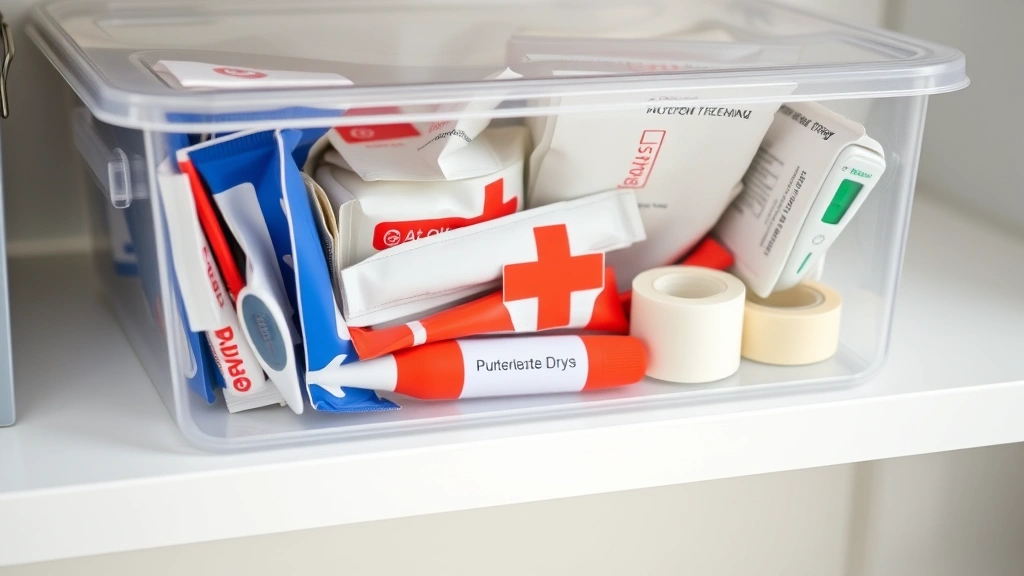
- Use a Dedicated Container: A clear plastic tackle box, bathroom organizer, or purpose-built first aid kit keeps everything in one place. Transparent containers let you quickly see what’s available.
- Label Everything: Use waterproof labels on all medications and solutions, including the date opened. This prevents confusion and ensures you’re using products before expiration.
- Keep Multiple Kits: Store one in the bathroom, another in the bedroom, and a portable version in your diaper bag. When essential tips for new dads and moms include being prepared, redundancy is your friend.
- Store Out of Reach: While your baby won’t be accessing it themselves, keep the kit in a location accessible to you but secure from curious toddlers as they grow older.
- Maintain Consistent Organization: Always return items to the same spot. When you’re stressed and your baby’s crying, muscle memory matters.
- Keep a Digital Inventory: Take a photo of your fully stocked kit. When items run low, you’ll remember what to replenish.
What NOT to Include
Understanding what doesn’t belong in a baby first aid kit is equally important as knowing what does:
- Adult Medications: Never use adult-strength pain relievers, cold medicines, or any medication without explicit pediatric approval. Dosages and formulations differ significantly.
- Aspirin: Never give aspirin to babies or young children due to the risk of Reye’s syndrome.
- Expired Products: Check expiration dates regularly. Expired medications lose potency and can be unsafe.
- Honey: Don’t use honey for any purpose with babies under one year old due to botulism risk.
- Essential Oils: While trendy, essential oils aren’t appropriate for babies’ delicate systems. Avoid them entirely in your kit.
- Alcohol-Based Products: Rubbing alcohol can be absorbed through baby skin. Stick with saline solution instead.
- Antihistamines Without Guidance: Many childhood antihistamines have age restrictions. Don’t include them without pediatric approval.
Maintaining and Updating Your Kit
A first aid kit isn’t a set-it-and-forget-it situation. Regular maintenance ensures everything remains safe and effective:
Quarterly Reviews: Every three months, check expiration dates and replace anything that’s expired or running low. Make this part of your seasonal routine—when you change clocks or switch seasonal clothing, review your kit.
After Using Items: Immediately replenish supplies after using them. If you use your last bandage, purchase more before you forget.
Update as Your Baby Grows: A newborn’s needs differ from a toddler’s. As your child develops, adjust your kit accordingly. Once your baby reaches certain milestones, injury prevention strategies evolve, and your kit should reflect that.
Consult Your Pediatrician: During well-baby visits, ask your pediatrician what they recommend for your baby’s specific needs. Every child is unique, and professional guidance is invaluable. This connects back to the importance of choosing a pediatrician you trust and communicate with regularly.
Stay Informed: Medical recommendations change. Follow reputable sources like the American Academy of Pediatrics for updated guidance on baby health and safety.
Frequently Asked Questions
What’s the absolute minimum for a basic baby first aid kit?
At minimum, include: sterile gauze and bandages, antibiotic ointment, saline solution, a thermometer, age-appropriate fever reducer (with pediatric approval), and emergency contact information. This covers most common situations, though a more comprehensive kit is ideal.
Can I use my adult first aid kit items for my baby?
Generally, no. Adult formulations, dosages, and ingredients aren’t appropriate for babies. Invest in a dedicated baby first aid kit rather than adapting adult supplies. The cost difference is minimal compared to the safety benefits.
How often should I check expiration dates?
Check quarterly, and always immediately before using any product. Expired medications lose effectiveness and can potentially be unsafe. This is particularly important for fever reducers and other medications.
What should I do if my baby has a serious injury?
A first aid kit addresses minor issues only. For serious injuries—deep cuts, head injuries, difficulty breathing, severe allergic reactions, or anything you’re unsure about—call 911 or your local emergency number immediately. First aid is supplementary to professional medical care, never a replacement.
Is it necessary to have multiple first aid kits?
It’s convenient to have kits in different locations—bedroom, bathroom, diaper bag, car. However, one well-maintained, accessible kit is better than multiple poorly organized ones. Choose what works for your lifestyle.
When should I introduce CPR training into my parenting preparation?
Infant CPR training is invaluable. Many hospitals, Red Cross chapters, and community centers offer classes. Taking a course before your baby arrives—or shortly after birth—provides confidence and potentially life-saving skills that complement your first aid kit.
Are there specific first aid items for traveling with a baby?
Yes. Create a portable travel kit with essentials: bandages, saline solution, thermometer, appropriate fever reducer, diaper rash cream, and any medications your baby regularly takes. Keep it easily accessible in your diaper bag.