What Is Baby FNAF? A Comprehensive Guide for Parents
If you’ve noticed your kids talking about “Baby FNAF” or spotted merchandise with animatronic characters in your local toy store, you might be wondering what all the fuss is about. Baby FNAF has become a significant phenomenon in children’s entertainment and gaming culture, sparking conversations among parents about age-appropriate content, creative expression, and how our kids engage with popular media.
The world of Five Nights at Freddy’s, particularly its Baby character iteration, represents a fascinating intersection of horror gaming, fan communities, and childhood imagination. Whether your child is a devoted fan or you’re just curious about what they’re interested in, understanding Baby FNAF helps you make informed decisions about their entertainment choices and engage more meaningfully with their hobbies.
This comprehensive guide breaks down everything you need to know about Baby FNAF, from its origins to its cultural impact, practical parenting considerations, and how to navigate this interest with your family.
What Exactly Is Baby FNAF?
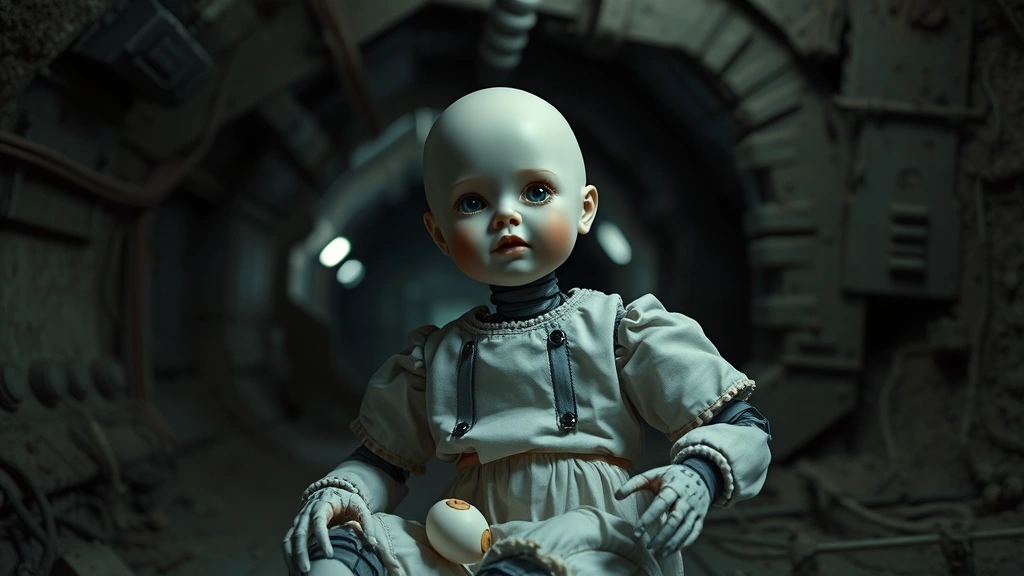
Baby FNAF refers to “Ballora’s Minireena” and the animatronic character known simply as “Baby” from the Five Nights at Freddy’s franchise. Baby is an animatronic doll character with a distinctive appearance—typically depicted with porcelain-like skin, rosy cheeks, and an unsettling smile that blends childlike features with eerie, mechanical qualities.
The character first appeared in Five Nights at Freddy’s: Sister Location, the fourth main installment in the FNAF series. Baby serves as a central antagonist in the game’s narrative, possessing artificial intelligence and the ability to interact with the player in disturbing ways. Despite her child-like appearance, Baby is portrayed as a sophisticated animatronic with complex motivations and backstory.
What makes Baby particularly interesting to fans is the duality of her character design. She looks innocent and cute on the surface, but the game reveals a much darker, more sinister nature beneath that appearance. This juxtaposition has made her a compelling character for fan art, fiction, and creative interpretations across the FNAF community.
The appeal extends beyond just the game itself. Baby has become a cultural touchstone in gaming communities, inspiring countless fan creations, theories, and discussions about her character development and role within the larger FNAF narrative universe.
The Origins and Evolution
To understand Baby FNAF, you need to know about Five Nights at Freddy’s itself. Created by Scott Cawthon in 2014, FNAF started as an indie horror game that became a massive global phenomenon. The franchise has expanded into multiple games, books, merchandise, and even a feature film released in 2023.
The original Five Nights at Freddy’s games were set in a pizza restaurant featuring animatronic entertainers that malfunctioned at night. Players took on the role of security guards trying to survive encounters with these malfunctioning machines. The concept was simple but terrifying, and it resonated powerfully with gamers of all ages.
Baby’s introduction in Sister Location marked a significant shift in the franchise’s storytelling. Rather than being set in a traditional pizza restaurant, Sister Location took place in an underground facility, and the animatronics were more sophisticated and intentionally designed. Baby, in particular, was created with a specific purpose within the game’s narrative—one that players gradually uncover through gameplay and hidden lore.
The character’s evolution continued through subsequent games, including Ultimate Custom Night and Five Nights at Freddy’s: Help Wanted. Each appearance added layers to Baby’s character, revealing more about her past and her relationship with other characters in the FNAF universe. This ongoing narrative development has kept fans engaged and theorizing for years.
The Five Nights at Freddy’s movie adaptation brought Baby and other characters to a broader audience, introducing the franchise to people who might never have played the games. This mainstream exposure significantly increased Baby FNAF’s visibility among younger audiences.
Why Is It So Popular With Kids?
The popularity of Baby FNAF among children might seem puzzling to parents, especially given the franchise’s horror elements. However, several factors explain why kids gravitate toward this content.
Mystery and Puzzle-Solving: FNAF games are renowned for their complex lore and hidden narratives. Fans enjoy piecing together clues, developing theories, and discussing interpretations of the story. This intellectual engagement appeals to kids who enjoy mysteries and creative problem-solving.
Community and Belonging: The FNAF fanbase is enormous and welcoming. Kids feel part of a larger community when they engage with fan art, fan fiction, and online discussions. This sense of belonging is powerful, particularly for children navigating their identities and interests.
Creative Expression: Baby FNAF inspires tremendous creative output. Children create fan art, write stories, make music, and develop their own interpretations of characters. If your child enjoys baby drawing or artistic pursuits, FNAF provides an outlet for their creativity.
Character Complexity: Baby isn’t a simple villain or hero. She’s morally complex, which appeals to older children and young teens who appreciate nuanced characters. Fans debate her motivations, sympathize with her circumstances, and explore her character through various creative lenses.
The “Spooky” Appeal: Many children are drawn to mildly scary content as a way to explore fear in a controlled environment. The horror elements aren’t gratuitously violent—they’re more psychological and atmospheric, which can feel thrilling without being traumatic for older kids.
Longevity and Depth: Unlike many children’s franchises that fade quickly, FNAF has maintained momentum for nearly a decade. The ongoing story development means there’s always something new to discuss and analyze.
Age-Appropriateness and Content Concerns
This is where parents need to exercise judgment. FNAF is officially rated M for Mature, meaning it’s intended for players 17 and older. However, the reality is more nuanced.
What Parents Should Know:
- Violence Level: The games aren’t graphically violent. There’s no blood or gore in traditional senses. However, there are disturbing implications, jump scares, and intense moments that can frighten younger players.
- Psychological Elements: The horror is more psychological than physical. Themes include death, possession, and manipulation. The atmosphere is unsettling rather than explicitly graphic.
- Lore Complexity: Much of the disturbing content exists in the narrative lore rather than on-screen action. Understanding the full story requires research and reading theory posts, which filters some of the darker elements.
- Jump Scares: The games rely heavily on sudden, unexpected scares. These can genuinely frighten sensitive children.
The American Academy of Pediatrics recommends that parents be familiar with games their children play. AAP guidelines on media suggest co-viewing and discussing content with children.
Considerations for Different Ages:
- Under 10: Generally too young for the actual games. Exposure through merchandise or fan content is usually fine, but playing the games could cause nightmares or anxiety.
- 10-12: Depends on the individual child’s sensitivity to scary content. Some handle it fine; others find it too intense. Parental oversight is important.
- 13+: Most teens can engage with the content responsibly, though some might still find certain elements frightening.
- 15+: Generally appropriate, though the mature themes warrant awareness.
Rather than a blanket “yes” or “no,” consider your individual child’s temperament, their history with scary content, and your family’s values.
Baby FNAF Merchandise and Media
The Baby FNAF phenomenon extends far beyond the games. The merchandise ecosystem is substantial and varied.
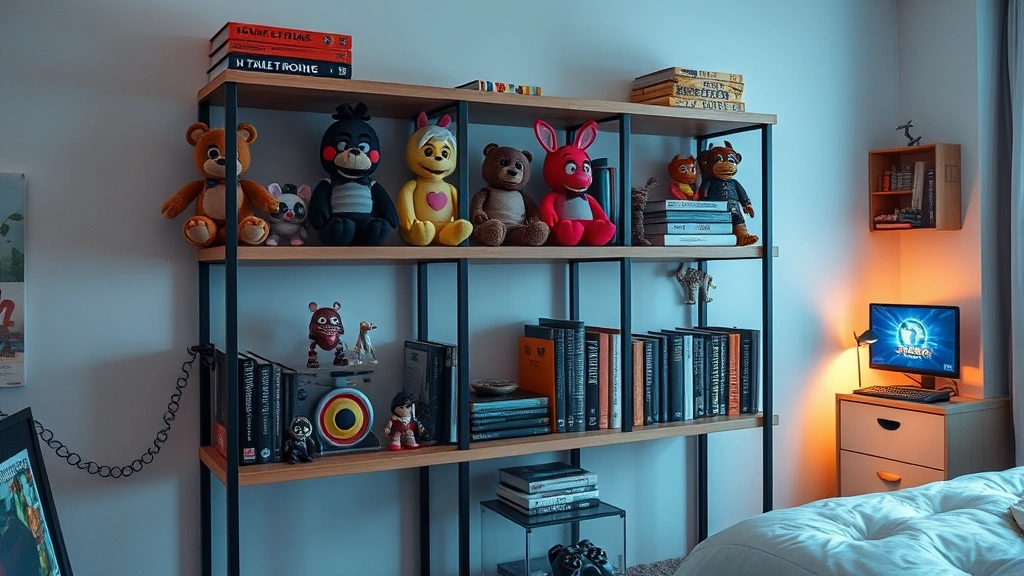
Action Figures and Collectibles: Numerous companies produce Baby action figures, plushies, and collectible figurines. These range from simple toys to detailed collector’s items. If your child is interested in baby alive doll collecting or similar toys, FNAF merchandise offers similar appeal.
Clothing and Accessories: T-shirts, hoodies, hats, and backpacks featuring Baby and other FNAF characters are widely available. This merchandise allows kids to express their fandom in age-appropriate ways.
Books and Comics: The FNAF universe has expanded into printed media. The official novels provide deeper lore while maintaining a more accessible format than the games. If your child enjoys baby books or graphic novels, FNAF books might appeal to them.
The Movie: The 2023 film adaptation brought Baby and other characters to theaters. It received mixed reviews but introduced FNAF to a broader audience and provided a less intense entry point than the games.
Video Game Spin-offs: Beyond the main games, numerous FNAF spin-offs exist, including Ultimate Custom Night and Five Nights at Freddy’s: Help Wanted (VR). These vary in intensity and appropriateness.
Fan Content: YouTube, TikTok, and other platforms host enormous amounts of FNAF fan content—from theory videos to animations to music. Some is age-appropriate; some isn’t. Parental monitoring is advisable.
The Parenting Perspective
How should parents approach their child’s interest in Baby FNAF? Here’s a balanced perspective:
Validate Their Interest: Your child’s interest in FNAF is legitimate. The franchise has genuine creative merit, compelling storytelling, and a thriving community. Dismissing it as “just a scary game” misses the actual appeal and can damage your relationship with your child.
Understand What They’re Enjoying: Ask your child why they like Baby FNAF. What aspects appeal to them? The story? The character design? The community? The creative possibilities? Understanding their motivation helps you engage more authentically.
Set Appropriate Boundaries: You get to decide what’s appropriate for your family. If you’re uncomfortable with them playing the actual games, that’s valid. You might allow merchandise or fan content while restricting direct game access. These boundaries are reasonable and can be explained rationally.
Monitor, Don’t Police: There’s a difference between knowing what your child is doing and heavily restricting their autonomy. Periodic check-ins about their FNAF activities are appropriate. Banning the interest entirely often backfires.
Discuss Content Critically: Talk with your child about what they’re consuming. Discuss why certain things are scary, how horror works as a genre, and what the themes mean. This develops their media literacy.
Be Aware of Online Safety: FNAF communities exist largely online. Ensure your child understands online safety basics: not sharing personal information, being cautious with strangers, and reporting inappropriate behavior. Common Sense Media offers excellent resources on online safety for kids.
If your child is interested in baby doll stroller play or other imaginative activities, they likely have a healthy relationship with creative engagement. FNAF interest often reflects similar creative instincts.
How to Engage With Your Child’s Interest
Play or Watch Together: If your child is playing the game, consider watching them play. This lets you see the actual content rather than imagining worst-case scenarios. You’ll understand what they’re experiencing and can discuss it together.
Ask Questions: “What’s happening in that level?” “Why does Baby matter to the story?” “What’s your theory about…?” Genuine curiosity invites your child to share their passion with you.
Engage With Fan Content: Check out some fan art or fan theories. This shows you’re taking their interest seriously. You might even find the theories genuinely interesting.
Support Their Creativity: If your child wants to create fan art, write fan fiction, or make FNAF-themed crafts, encourage them. This creative expression is healthy and develops their skills.
Attend Community Events: If your area hosts gaming conventions or community events featuring FNAF content, consider attending together. This validates their interest and creates shared experiences.
Discuss Similar Content: If FNAF appeals to them, they might also enjoy other games, books, or shows with compelling stories and character development. Explore those interests together.
Help Them Find cute anime baby content or other lighter entertainment too: Balance is healthy. Ensure they’re not exclusively consuming darker content.
The key is approaching your child’s interest with genuine curiosity rather than judgment. This strengthens your relationship and gives you more influence over their media consumption choices.
Frequently Asked Questions
Is Baby FNAF appropriate for my 8-year-old?
Most experts would say the actual games aren’t appropriate for 8-year-olds due to jump scares and disturbing themes. However, Baby FNAF merchandise, certain fan content, and discussions about the character might be fine depending on your child’s sensitivity. Consider your child’s individual temperament and your family’s comfort level.
Why do kids like horror games if they’re supposed to be scary?
Children and teens are often drawn to mildly scary content because it allows them to explore fear in a controlled environment. It can feel thrilling and exciting. Additionally, the mystery and problem-solving aspects of FNAF appeal to many kids beyond just the horror elements. The community aspect is also significant—kids enjoy being part of a fan culture.
Is the FNAF movie safer than the games?
Generally yes. The 2023 film adaptation is PG-13 and significantly less intense than the games. It provides a less frightening introduction to the FNAF universe. However, it still contains some scary moments and thematic content about death and loss.
How can I tell if my child is too scared by FNAF content?
Watch for signs like nightmares, anxiety, difficulty sleeping, or reluctance to be alone. Some kids handle scary content fine; others become genuinely distressed. Trust your knowledge of your child. If they seem genuinely frightened rather than pleasantly thrilled, it might be time to dial back their exposure.
Are there positive aspects to FNAF fandom?
Absolutely. The FNAF community is creative, collaborative, and welcoming. Kids develop skills in art, writing, video editing, and critical thinking. They build friendships based on shared interests and learn to express themselves creatively. These are genuinely positive outcomes.
What if I’m uncomfortable with FNAF but my child loves it?
Start by understanding specifically what makes you uncomfortable. Is it the horror elements? The themes? The online community? Once you identify your concerns, you can have a rational conversation with your child about boundaries. You might find compromises—like allowing merchandise but not game access, or watching the movie together instead of them playing alone. Dialogue is better than prohibition.
How does FNAF compare to other games kids enjoy?
The ESRB rating system helps contextualize game appropriateness. FNAF is rated M, which is higher than many games kids play. However, the actual content is less violent than many M-rated games—the intensity comes more from atmosphere and psychological elements than graphic content.
Can FNAF fandom be unhealthy?
Like any intense fandom, it’s possible for it to become unhealthy if it involves excessive screen time, social isolation, or exposure to inappropriate online interactions. Monitor your child’s overall media consumption and social engagement. If FNAF interest is balanced with other activities, friendships, and responsibilities, it’s fine. If it’s becoming all-consuming, that warrants a conversation about balance.