Best Baby Girl Dresses: Style & Comfort Guide
Dressing your baby girl is one of those delightful parenting tasks that sits somewhere between practical necessity and pure creative joy. Whether you’re shopping for everyday wear, special occasions, or building a versatile wardrobe, finding baby girl dresses that balance style, comfort, and durability can feel overwhelming. The good news? It doesn’t have to be complicated.
The perfect dress for your little one checks several boxes: it should feel soft against delicate skin, allow for easy diaper changes, accommodate growth spurts, and ideally, look adorable in photos. But here’s what many parents discover after a few months: not all dresses are created equal. Some shrink unexpectedly, others have seams that irritate sensitive skin, and many sacrifice practicality for aesthetics.
This guide walks you through everything you need to know about selecting, caring for, and styling baby girl dresses that your daughter will actually enjoy wearing—and that you’ll love too.
Why Fabric Matters More Than You Think
Your baby’s skin is remarkably sensitive—about 30% more permeable than adult skin, which means whatever touches it matters significantly. When choosing baby girl clothes, fabric selection isn’t just about feel; it’s about health and comfort.
Organic cotton remains the gold standard for good reason. It’s breathable, hypoallergenic, and naturally soft without requiring chemical softeners. Unlike conventional cotton, organic varieties are grown without synthetic pesticides or fertilizers, making them gentler on developing skin. For babies prone to eczema or sensitive skin, organic options can make a noticeable difference.
Cotton blends offer practical advantages too. A cotton-polyester mix, for instance, provides durability and easier care while maintaining breathability. However, ensure polyester content doesn’t exceed 30-40%, as higher percentages can trap heat and moisture.
Avoid synthetic fabrics like 100% polyester for everyday wear. While they’re budget-friendly and wrinkle-resistant, they don’t breathe well and can cause overheating—a concern pediatricians take seriously. The American Academy of Pediatrics emphasizes proper temperature regulation during infancy.
Bamboo fabric has gained popularity in recent years and for valid reasons. It’s exceptionally soft, naturally antibacterial, and thermoregulating—meaning it adapts to your baby’s body temperature. Bamboo also requires fewer pesticides to grow than conventional cotton, making it environmentally conscious.
Temperature-appropriate fabrics matter too. Lightweight cotton or linen-blend dresses work beautifully for summer, while fleece-lined or thicker cotton options provide warmth during cooler months. Layering remains your best strategy though; a sleeveless dress paired with a lightweight cardigan offers flexibility as temperatures fluctuate throughout the day.
Comfort and Fit: The Non-Negotiables
A beautiful dress means nothing if your baby can’t move comfortably or if it causes irritation. Proper fit and construction details separate dresses your daughter will wear all day from those that come off within an hour.
Seam placement is crucial. Internal seams—particularly flat-lock seams—prevent rubbing against delicate skin. Avoid dresses with rough or protruding seams, especially around the neck, armpits, and diaper area. Run your fingers along seams before purchasing; they should feel smooth and lie flat.
Necklines require careful consideration. Crew necks and boat necks generally work well, but ensure they’re not too tight. You should be able to fit one finger comfortably between the neckline and your baby’s neck. Avoid anything that restricts movement or leaves marks on the skin.
Arm holes and sleeve construction matter more than parents typically realize. Sleeves should allow full arm mobility for reaching, grasping, and playing. Overly tight sleeves restrict movement and can leave marks. Similarly, armholes shouldn’t be so large that they gape or expose the diaper area.
Consider diaper accessibility. Dresses with snap buttons along the inseam or wraparound designs allow quick diaper changes without completely undressing your baby. This feature transforms a dress from impractical to genuinely useful for daily wear.
Length and hem design impact both safety and practicality. Hems should be finished (not raw) to prevent fraying and potential irritation. Avoid excessively long dresses that create tripping hazards once your daughter becomes mobile. Midi-length dresses work well for most ages, hitting just above or at the knee.
Growth allowance matters significantly. Babies grow rapidly, especially in the first year. Choose dresses with slightly generous proportions or adjustable features (like drawstring waists or convertible straps) that accommodate growth without requiring constant replacements. A dress that fits perfectly today might be unwearable in three months.
Popular Dress Styles for Baby Girls
Understanding different dress styles helps you build a versatile wardrobe that covers various situations and seasons.
A-line dresses represent the workhorse of baby wardrobes. The gentle flare from the waist provides comfortable room for movement and accommodates cloth diapers beautifully. A-line silhouettes are universally flattering and remain in style across seasons. They work equally well for casual outings and slightly dressier occasions.
Wrap dresses and crossover styles offer impressive versatility. They adjust as your baby grows, essentially providing multiple sizes in one garment. These designs work from newborn through toddler stages, making them economical choices for families. They’re also practical for nursing mothers who want quick access.
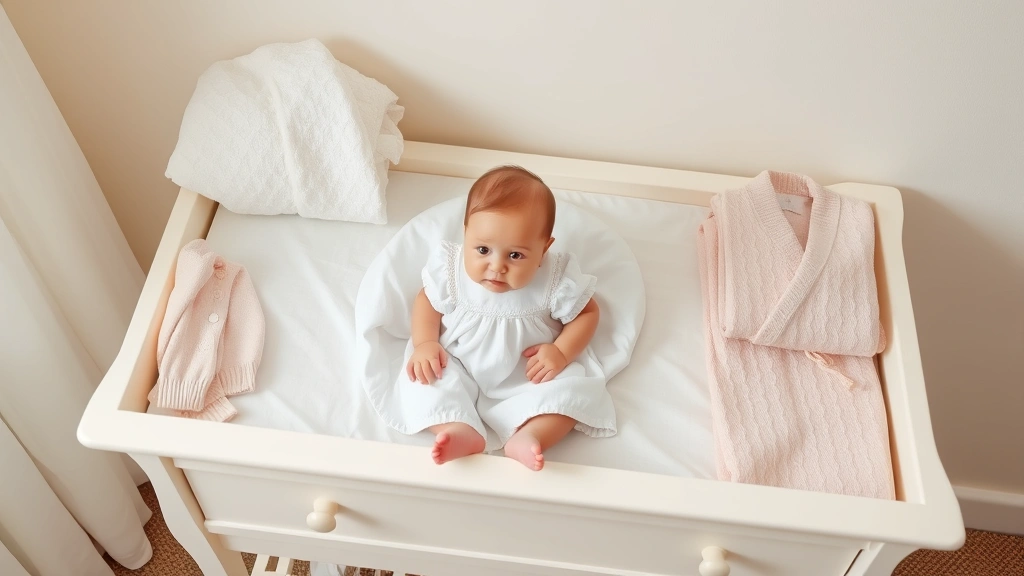
The baby doll dress style features a fitted bodice and loose, gathered skirt. This silhouette is particularly popular for special occasions and photo sessions. Look for versions with adjustable waists that grow with your daughter. Baby doll dresses often pair beautifully with tights or leggings for added warmth and coverage.
Smocked dresses combine practicality with charm. The gathering across the chest or back provides stretch and comfort while creating visual interest. Smocking allows the dress to fit across a range of sizes, making these excellent investment pieces. Quality smocking should be hand-stitched or securely machine-stitched to ensure longevity.
Slip dresses work wonderfully as layering pieces or for warmer months. Pair them with long-sleeve shirts underneath or wear alone over a diaper cover during summer. Their simplicity makes them versatile and easy to style for different occasions.
Seasonal considerations influence style choices. Sleeveless and short-sleeve dresses dominate summer collections, while long-sleeve and three-quarter-length options appear in fall and winter lines. Consider purchasing dresses that layer well; a sleeveless dress with a lightweight cardigan extends its wearable season.
When exploring baby girl clothes options, you’ll notice baby doll dress styles remain consistently popular. Similarly, baby blue dress options appeal to parents seeking classic, timeless pieces that photograph beautifully.
Dressing for Different Occasions
Different situations call for different dress approaches. Understanding how to style appropriately ensures your daughter feels comfortable and looks appropriate regardless of the setting.
Everyday wear prioritizes comfort, durability, and easy care above all else. Choose washable, forgiving fabrics that withstand frequent laundering. Practical details like snap closures, stretchy waistbands, and reinforced seams matter here. Neutral colors or patterns that hide stains well prove invaluable for daily dresses.
Special occasions allow more creative expression. This is where you might splurge on fancier fabrics, embellishments, or designer options. Baby shower dresses often feature delicate details, lace trim, or embroidery that wouldn’t survive daily wear but photograph beautifully. Consider having one or two special-occasion dresses in your rotation.
Photo session dressing deserves its own consideration. Solid colors or subtle patterns photograph better than busy prints. Pastels and jewel tones photograph particularly well. Avoid overly trendy pieces; you’ll want photos to feel timeless when reviewing them years later. Simple, well-fitting dresses in quality fabrics create the most memorable images.
Weather-appropriate dressing ensures comfort and safety. Summer dresses should be lightweight and breathable, ideally with UPF protection or paired with protective clothing. Winter dresses work best in warmer fabrics or when layered with tights, cardigans, and jackets. Spring and fall allow for more creative layering combinations.
Milestone dressing for first holidays, family photos, or first birthday celebrations often calls for something slightly elevated from everyday wear. You needn’t purchase expensive pieces; well-styled everyday dresses often work beautifully for these occasions when paired with appropriate accessories or cardigans.
Care and Maintenance Tips
Proper care extends your dresses’ lifespan and maintains their quality, making them available for future siblings or resale.
Washing guidelines start with checking care labels carefully. Most baby dresses wash best in cold water on gentle cycles. Turn dresses inside out before washing to protect prints and embellishments. Use mild, fragrance-free detergent—avoiding fabric softeners and dryer sheets that can irritate sensitive skin.
Stain treatment requires prompt attention. Rinse stains with cold water immediately; hot water sets many stains permanently. For stubborn marks, soak in cold water with mild detergent for 30 minutes before washing. Avoid chlorine bleach on colored fabrics; oxygen-based cleaners work more gently.
Drying methods significantly impact longevity. Air-drying preserves elasticity and prevents shrinkage better than machine drying. Hang dresses on padded hangers or lay flat on clean surfaces. If machine drying is necessary, use low heat settings. Remove dresses promptly to prevent wrinkles.
Storage considerations protect dresses between wearings and seasons. Store in cool, dry places away from direct sunlight, which can fade colors. Acid-free tissue paper prevents yellowing of white or light-colored dresses. Cedar blocks or lavender sachets provide natural moth protection without chemical odors.
Seasonal rotation prevents overwhelming closets while keeping dresses accessible. Store off-season items in labeled bins, checking them before each season for sizing and condition. This practice also helps identify which styles your daughter loved and which didn’t get much wear.
Handling shrinkage starts with understanding your fabric. Preshrink new dresses by washing before first wear, particularly with organic cotton that may shrink more than conventional varieties. Check fit after washing and drying to ensure it still meets your comfort standards.
Smart Shopping Strategies
Strategic shopping helps you build a versatile wardrobe without overspending or accumulating unworn pieces.
Know your sizing before shopping. Measure your baby’s chest, length (shoulder to desired hem), and sleeve length if applicable. Compare measurements to brand sizing charts rather than relying on age labels. Sizing varies dramatically between brands; one company’s 12-month dress may fit like another’s 18-month.
Prioritize quality basics over trendy pieces. A few well-made dresses in neutral colors form the foundation of a functional wardrobe. Invest in organic cotton A-line dresses in white, cream, and soft pastels that layer easily and work across seasons.
Balance investment and budget realistically. You needn’t purchase expensive designer dresses for everyday wear; mid-range brands often offer better value. Reserve higher-end purchases for special occasions or pieces you’ll keep for sentimental reasons. Consider that your daughter will outgrow most dresses relatively quickly.
Shop secondhand thoughtfully. Consignment shops, online resale platforms, and hand-me-downs from friends provide excellent value. Inspect secondhand dresses carefully for stains, wear, or damage. Wash thoroughly before first wear. Secondhand shopping also reduces environmental impact while extending quality items’ useful lives.
Build a capsule wardrobe approach. Instead of accumulating numerous dresses, select 5-7 pieces that mix and match with other clothing items. Include variations in sleeve length, color, and formality to maximize outfit combinations. This approach simplifies laundry, packing for travel, and daily decision-making.
Consider future siblings when making purchases. If you anticipate more children, choose classic styles in durable fabrics that withstand multiple wearings by different children. Neutral colors and timeless designs remain wearable across genders if you might have both boys and girls.
Seasonal shopping timing maximizes value. Shop end-of-season sales for next year’s items, understanding that your baby’s size will have changed. Purchase summer dresses in August and winter pieces in January when retailers discount to clear inventory.
For comprehensive baby girl clothes options, explore multiple retailers. Department stores, specialty children’s boutiques, and online retailers each offer distinct advantages. Compare not just price but also return policies, shipping costs, and customer reviews before purchasing.
Consider gift-giving occasions strategically. Rather than requesting numerous small items for holidays or birthdays, ask for specific, quality dresses you’ve researched. Provide size measurements and style preferences to gift-givers to ensure purchases align with your wardrobe vision.
When shopping, also think about complementary items like personalized baby blankets that coordinate with special-occasion dresses for photos or keepsakes.
Frequently Asked Questions
What’s the best fabric for sensitive baby skin?
Organic cotton and bamboo fabrics offer the gentlest options for sensitive skin. Both are hypoallergenic, breathable, and free from harsh chemicals. If your baby has eczema or known sensitivities, organic options are worth the investment. Test new fabrics by wearing them yourself first or starting with one dress to monitor for reactions before purchasing multiple pieces.
How many baby dresses should I have?
Most experts recommend 5-7 everyday dresses plus 1-2 special-occasion pieces. This provides enough variety for different days without overwhelming your laundry schedule. Adjust quantities based on how frequently you do laundry and your climate. Warmer regions might need more sleeveless options, while cooler climates require additional long-sleeve varieties.
When should I size up in baby dresses?
Size up when dresses feel snug around the chest, armpits, or neck, or when hems become noticeably shorter. Babies grow rapidly, especially in the first year, sometimes requiring size changes every 2-3 months. However, avoid purchasing too large; overly loose dresses create safety hazards and look awkward. Aim for a comfortable fit with minimal room for growth.
Are expensive designer baby dresses worth the cost?
Designer dresses aren’t necessary for everyday wear but may be worthwhile for special occasions or keepsake pieces. Premium brands often use higher-quality fabrics and construction, meaning they withstand wear and washing better. If you plan to keep dresses for sentimental reasons or pass them to siblings, investing in quality makes sense. For pieces your daughter will outgrow quickly, mid-range options offer better value.
How do I prevent my baby’s dresses from shrinking?
Read care labels carefully and follow washing instructions precisely. Preshrink new dresses, particularly organic cotton, by washing before first wear. Use cold water, gentle cycles, and air-drying whenever possible. Avoid high heat in dryers, which causes shrinkage. Many manufacturers account for minimal shrinkage in sizing, so following proper care preserves fit.
What dress styles work best for cloth diaper babies?
A-line dresses and wrap styles accommodate cloth diapers’ bulk beautifully. Avoid fitted styles that strain over cloth diapers. Choose dresses with slightly generous proportions through the hips and thighs. Dresses with snap buttons along the inseam or side-snap closures make diaper changes significantly easier. Consider sizing up slightly if dresses feel snug over your cloth diaper setup.
Can I use baby dresses for multiple seasons?
Absolutely. Layering extends seasonal utility significantly. Sleeveless summer dresses work beautifully over long-sleeve shirts in fall and spring. Pair short-sleeve dresses with cardigans or jackets for cooler weather. Choose neutral colors and timeless styles that work across seasons. This approach maximizes your wardrobe’s value and reduces the need for season-specific pieces.
Where should I shop for quality baby girl dresses?
Quality varies across retailers. Department stores like Target and Nordstrom offer reliable mid-range options. Specialty children’s boutiques often carry premium brands with exceptional quality. Online retailers provide access to niche brands and international options. Parenting Magazine and child development resources occasionally review children’s clothing brands. Read customer reviews carefully, particularly regarding sizing accuracy and fabric quality.
How do I style baby dresses for photos?
Choose solid colors or subtle patterns that photograph well. Pastels and jewel tones are particularly photogenic. Pair dresses with coordinating accessories like headbands, cardigans, or Mary Jane shoes. Keep styling simple and timeless—trendy pieces look dated quickly in photos. Natural lighting works best; avoid harsh indoor lighting that creates unflattering shadows. Simple, well-fitting dresses often photograph better than overly elaborate designs.