How to Choose Baby Girl Dresses: Expert Guide
Finding the perfect baby girl clothes can feel overwhelming—there are endless options, styles, and price points to consider. But here’s the thing: choosing baby girl dresses doesn’t have to be complicated. Whether you’re shopping for everyday wear, special occasions, or building a versatile wardrobe, the key is understanding what actually works for your lifestyle, your baby’s comfort, and your family’s needs.
This guide breaks down everything you need to know about selecting dresses for your little one. We’ll cover practical considerations like fabric quality and sizing, style options that suit different occasions, and tips for building a functional wardrobe that grows with your daughter. By the end, you’ll feel confident making choices that balance adorable aesthetics with real-world practicality.
Let’s be honest—babies don’t stay the same size for long. What fits perfectly in June might be snug by August. This reality shapes how we should approach shopping for baby girl dresses, and it’s something we’ll explore throughout this article.
Fabric and Comfort: The Foundation
The fabric you choose for your baby’s dresses is literally touching her skin all day long. This makes it the most important factor in your selection process. Babies have sensitive skin that’s still developing its protective barrier, so quality matters tremendously.
Cotton is your best friend. Look for 100% organic cotton or high-quality cotton blends. Cotton breathes well, allowing your baby’s skin to stay cool in warm weather and warm in cool weather. It’s also naturally hypoallergenic and gentle on delicate skin. When shopping, check labels carefully—sometimes what’s labeled as cotton includes synthetic blends that reduce breathability.
Avoid synthetic fabrics like polyester for everyday wear. While they might be cheaper and easier to care for, they trap heat and moisture, which can lead to diaper rash and discomfort. Synthetics also don’t age well in baby clothes—they pill, lose shape, and tend to feel stiff rather than soft.
Jersey knit is another excellent option for dresses. It’s stretchy, comfortable, and forgiving as your baby grows. Many baby doll dress styles use jersey knit because it moves with active babies and provides enough give for diaper changes without feeling restrictive.
Pay attention to seam quality. Flat seams are preferable to traditional seams, as they reduce irritation. Run your hand along the inside of the dress—it should feel smooth without rough stitching or tags that might bother sensitive skin. Some premium brands use tagless construction, which is a nice feature to look for.
Sizing and Fit Essentials
Baby sizing is notoriously inconsistent across brands. One company’s 12-month dress might fit like another’s 18-month. This unpredictability is why understanding how to measure and interpret sizing is crucial.
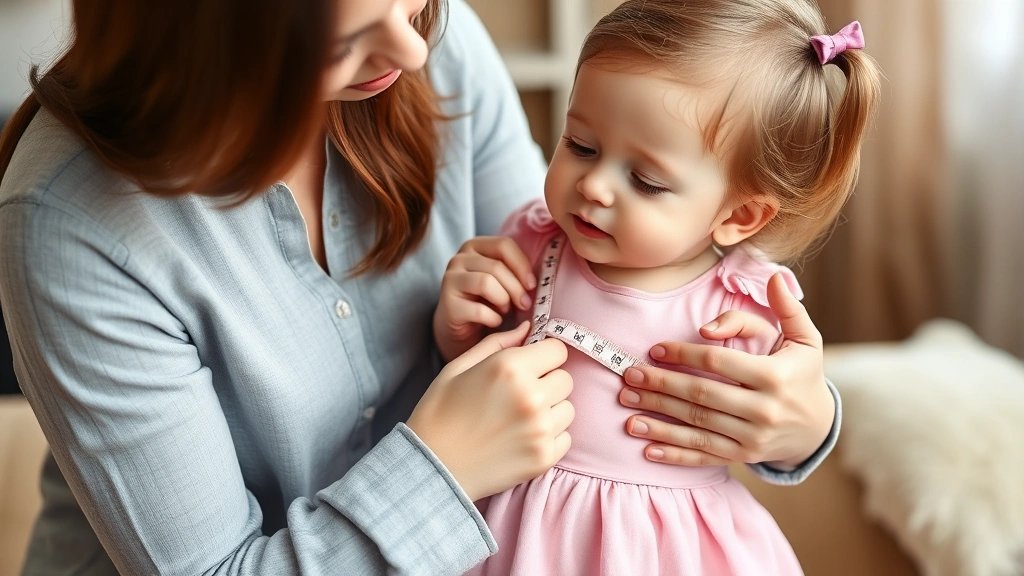
Rather than relying solely on age-based sizing, measure your baby. Most brands provide chest circumference and length measurements. Measure across your baby’s chest at the fullest point and from shoulder to the desired hem length. Write these measurements down and compare them to the brand’s size chart before purchasing.
For dresses, consider the rise and length carefully. A dress that’s too long will bunch up and create bulk under other clothing, while one that’s too short might not provide adequate coverage. Ideally, the dress should hit somewhere between the ankle and mid-calf for most occasions. Remember that babies grow quickly—a dress that fits perfectly today might be short in three months.
Neckline and armhole fit are often overlooked but essential. The neckline shouldn’t be so tight it restricts neck movement or feels uncomfortable, but it also shouldn’t be so loose that it gapes. Armholes should allow free arm movement without pinching. These fit details matter more than you might think for your baby’s comfort and happiness wearing the dress.
When ordering online, check return policies carefully. Many retailers offer free returns on baby clothes, which takes the guesswork out of sizing. If you’re between sizes, it’s often better to size up slightly—your baby will grow into it, and there’s less risk of the dress being uncomfortably tight.
Styles for Every Occasion
Different occasions call for different dress styles. Building a versatile wardrobe means having options for everyday life, special events, and seasonal changes.
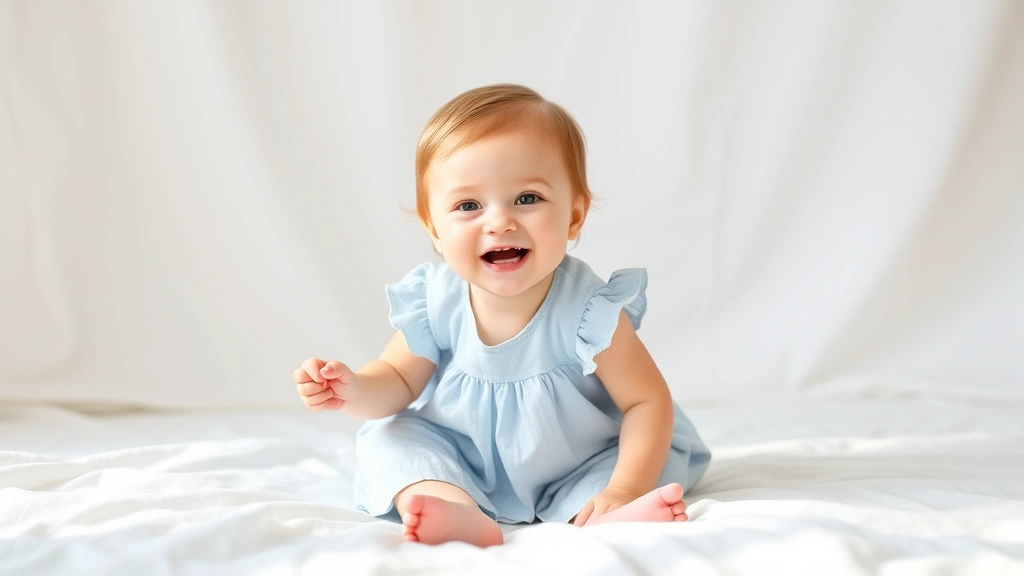
Everyday Dresses should prioritize comfort and durability. Look for styles that are easy to move in, simple to put on and take off, and forgiving of spills and activity. A-line cuts and relaxed fits work well for active babies. These are the dresses you’ll wash frequently, so choose fabrics that hold up well and don’t require special care. Consider a baby blue dress in a classic style—it’s versatile and pairs well with cardigans, jackets, and other layering pieces as seasons change.
Special Occasion Dresses can be more elaborate. This is where you might explore embellishments, unique fabrics, or more formal silhouettes. However, even fancy dresses should maintain comfort as a priority. Your baby will be happier—and look better in photos—if she’s comfortable. Consider occasion dresses that can be dressed up or down. A pretty smocked dress, for example, works for family photos, baby shower dresses events, or holiday celebrations.
Seasonal Considerations affect style choices. Summer dresses should be lightweight and breathable, with short sleeves or sleeveless designs. Look for UPF protection if your baby will be outdoors frequently. Winter dresses need to accommodate layering underneath—think long sleeves and styles that work with tights or leggings. Spring and fall offer flexibility; dress in layers that can be added or removed as needed.
When exploring different styles, think about how the dress will work with the rest of your baby’s wardrobe. Can it be layered? Does it pair well with cardigans or jackets you already own? Will it work across multiple seasons? These practical questions help you build a cohesive wardrobe that maximizes your investment.
Practical Features That Matter
Beyond fabric and fit, certain features make baby dresses genuinely more functional for daily life. These practical details separate good dresses from great ones.
Diaper Access is crucial. Some dresses have snaps or openings along the side or back that make diaper changes easier. Others have elastic waists that pull down smoothly. Avoid dresses with complicated closures or fitted waists that require completely undressing your baby for every diaper change. You’ll be changing diapers multiple times daily—choose dresses that make this task less cumbersome.
Closure Types matter for ease of dressing. Dresses with side snaps or back zippers are easier to put on and take off than pullover styles, especially when your baby becomes more mobile and wiggly. However, some parents prefer simple pullover dresses for their simplicity. Consider your personal preference and your baby’s cooperation level.
Reinforced Seams in high-stress areas like armholes and necklines help dresses last longer. Babies are active, and seams take a lot of stress. Quality construction means fewer tears and longer wear from each dress.
Shrinkage Considerations affect how you should size. Some fabrics, particularly natural fibers, may shrink slightly with washing. Check care instructions and consider this when sizing. If a dress is prone to shrinkage, you might size up slightly to account for it.
Pilling Resistance is worth considering, especially for dresses made from softer fabrics. Pilling happens when fibers ball up on the fabric surface, making dresses look worn and old. Higher-quality fabrics and construction resist pilling better. If you’re investing in a dress, look for this durability marker.
Smart Shopping and Budget Tips
Baby clothes are a significant expense, especially when your child grows out of everything every few months. Strategic shopping helps you build a quality wardrobe without overspending.
Quality Over Quantity is the golden rule. One well-made dress that lasts through multiple children or can be passed down is worth more than five cheap dresses that pill, fade, and fall apart after a few washes. Invest in basics from reputable brands known for quality.
When exploring baby girl clothes options, consider cost-per-wear. A $40 dress your baby wears twice weekly for six months has a much lower cost-per-wear than a $15 dress she wears once and outgrows. This perspective shifts how you evaluate price.
Shop Off-Season for significant savings. Buy winter dresses in spring and summer dresses in fall. Many retailers offer 30-50% discounts on seasonal items. Since babies grow quickly, storing off-season clothes for the next year or for younger siblings makes financial sense.
Explore Secondhand Options for special occasion dresses. Websites dedicated to buying and selling children’s clothing offer gently used dresses at a fraction of the original price. For dresses your baby will wear only once or twice, this is an economical choice. Just inspect items carefully for stains, damage, or wear.
Buy Basics in Bulk from budget-friendly retailers. Simple, classic styles in solid colors from mainstream retailers are affordable and versatile. Reserve your budget for a few quality special pieces rather than buying everything at premium prices.
Subscribe to brand newsletters for exclusive discounts and early sale access. Many companies offer first-time buyer discounts too. These small savings add up, especially when buying multiple items.
Care and Maintenance
How you care for baby dresses affects their longevity and appearance. Proper maintenance extends the life of each piece.
Washing Guidelines vary by fabric, but generally, baby clothes should be washed in gentle cycles with mild detergent. Some parents prefer baby-specific detergents to avoid potential irritants, though regular gentle detergents work fine for most babies. Wash in cool water and avoid bleach, which can weaken fibers and fade colors.
Turn dresses inside out before washing to reduce fading and pilling. This simple step significantly extends how long dresses look new. Remove any stains promptly—the longer they set, the harder they are to remove.
Drying Methods impact durability. Air drying is gentler than machine drying and reduces shrinkage. Hang dresses to dry or lay them flat on a clean surface. If you use a dryer, use low heat. High heat can shrink fabrics, melt synthetic fibers, and fade colors.
Store clean dresses in a cool, dry place away from direct sunlight. Sunlight fades colors over time, even on stored clothes. If you’re storing dresses for a younger sibling or future use, ensure they’re completely clean and dry to prevent mildew and odors.
Stain Treatment requires prompt action. For milk, formula, or food stains, rinse with cool water immediately and treat with a gentle stain remover before washing. For stubborn stains, let the treatment sit for 15-30 minutes before washing. Avoid hot water on stains, as heat can set them permanently.
Frequently Asked Questions
What size baby girl dress should I buy for a newborn?
Newborn sizing varies significantly by brand. Rather than assuming newborn size fits all newborns, measure your baby and compare measurements to the brand’s size chart. Many newborns fall between newborn and 0-3 months sizes. If unsure, size up slightly—your baby will grow into it quickly. Consider that newborns often wear dresses for only a few weeks before outgrowing them, so don’t invest heavily in newborn-specific styles.
How many baby girl dresses does my baby need?
Most families find that 5-7 everyday dresses plus 1-2 special occasion dresses per season is adequate. This assumes you’re washing clothes weekly. If you prefer longer intervals between laundry, you might need more. Quality matters more than quantity—a few well-made dresses you love is better than a closet full of mediocre ones.
Are designer baby girl dresses worth the investment?
Designer dresses aren’t necessary, but some offer superior quality and design that justifies the cost. Consider your priorities: if you value durability and plan to pass dresses to younger siblings, investing in quality might make sense. If your baby will wear each dress briefly before outgrowing it, budget-friendly options are perfectly fine. The best choice depends on your family’s circumstances and values.
Can I buy baby girl dresses online without trying them on?
Yes, but verify the brand’s return policy first. Many online retailers offer free returns on baby clothes, making online shopping low-risk. Use size charts provided by the brand, measure your baby accurately, and read customer reviews mentioning fit. Some brands consistently run large or small—this information helps you make better decisions.
What should I look for in a quality baby girl dress?
Quality baby dresses have soft, natural fabrics (preferably organic cotton), flat seams, reinforced stitching in stress areas, and thoughtful construction details. The fabric should feel smooth on the inside without rough tags or scratchy seams. Hems should be even and secure. Colors should be vibrant, and the overall construction should feel intentional rather than hastily assembled.
How do I know if a baby dress fits properly?
A well-fitting dress allows comfortable movement without being too loose or too tight. The neckline shouldn’t restrict neck movement, and armholes should allow free arm movement. The dress should provide adequate coverage without being excessively long or short. Your baby should be comfortable and not distracted by the fit—she should seem unaware she’s wearing it, which means it fits well.
What’s the best fabric for sensitive baby skin?
Organic cotton is ideal for sensitive skin. It’s naturally hypoallergenic, breathable, and free from synthetic chemicals. Jersey knit and cotton blends also work well. Avoid polyester and other synthetics for everyday wear, as they trap moisture and heat. If your baby has particularly sensitive skin or eczema, consult your pediatrician about fabric recommendations, and consider brands specializing in sensitive-skin clothing.
Should I buy baby girl dresses in larger sizes to account for growth?
Sizing up slightly is often wise, but not excessively. A dress that’s one size larger than your baby’s current size will likely fit within a few weeks. However, a dress that’s too large looks unflattering, restricts movement, and poses safety risks with excess fabric. Aim for dresses that fit currently with slight room to grow, rather than buying dresses your baby will wear months from now.