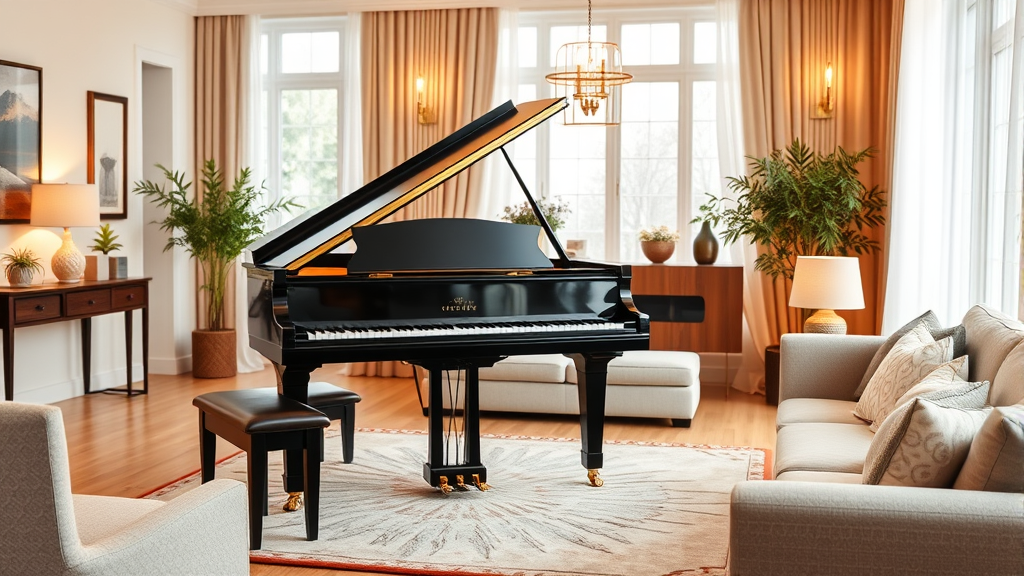
Music has always been a universal language that brings families together, and when you introduce a baby grand piano into your home, you’re opening doors to countless opportunities for bonding, learning, and joy. The majestic presence of a baby grand piano transforms any living space into a concert hall where memories are made, creativity flourishes, and family connections deepen through the magic of music.
Creating meaningful family music time with a baby grand piano goes beyond simply playing notes on keys. It’s about fostering an environment where children develop musical appreciation, parents rediscover their own creative sides, and the entire family shares in the wonder of musical expression. Whether you’re a seasoned pianist or someone who’s never touched a key, the journey of musical discovery together can be one of the most rewarding aspects of family life.
Choosing the Right Baby Grand Piano for Your Family
Selecting a baby grand piano is a significant investment that will serve your family for generations. Unlike upright pianos, baby grand pianos offer superior sound quality, touch sensitivity, and aesthetic appeal that can transform your home’s atmosphere. When choosing the perfect instrument, consider factors such as room size, budget, and your family’s musical goals.
The size of your baby grand piano should complement your living space without overwhelming it. Baby grand pianos typically range from 4’6″ to 5’8″ in length, with each size offering different tonal qualities and visual impact. Smaller models work well in apartments or modest-sized rooms, while larger ones provide richer bass tones and more commanding presence in spacious homes.
Sound quality varies significantly between different manufacturers and models. Established brands like Steinway, Yamaha, and Baldwin offer instruments with distinct tonal characteristics. Some produce warm, mellow sounds perfect for classical music, while others excel in bright, clear tones ideal for contemporary pieces. Visit piano showrooms with your family to experience different instruments firsthand and discover which sound resonates with everyone.
Consider whether to purchase new, used, or restored instruments. New pianos come with warranties and the latest manufacturing improvements, but quality used baby grand pianos can offer exceptional value. Restored vintage instruments often possess unique character and superior craftsmanship from earlier eras. Regardless of your choice, always have a qualified piano technician inspect any instrument before purchase.
Creating a Musical Environment in Your Home
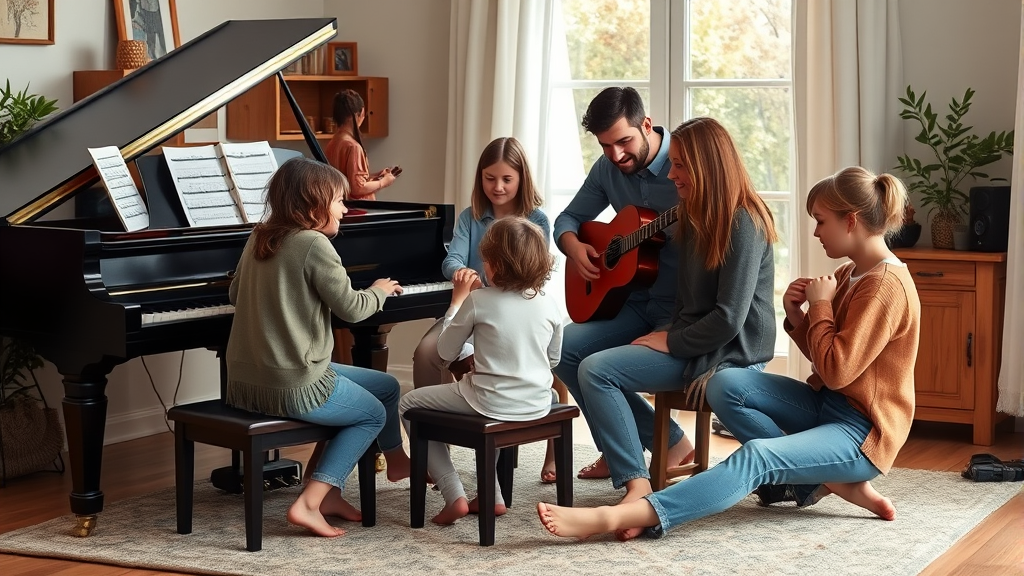
The placement and setting of your baby grand piano significantly impact how your family interacts with the instrument. Position your piano in a central location where family members naturally gather, such as the living room or family room. This encourages spontaneous musical moments and makes the piano an integral part of daily life rather than a formal instrument reserved for special occasions.
Lighting plays a crucial role in creating an inviting musical space. Ensure adequate lighting for reading sheet music while maintaining warm, comfortable ambiance for casual playing. A combination of overhead lighting and a quality piano lamp provides both functionality and atmosphere. Natural light from nearby windows can enhance the space during daytime practice sessions.
Organize musical materials in accessible, attractive storage solutions. Sheet music, baby books with songs, and instrument accessories should be within easy reach. Consider installing shelving or purchasing a music cabinet that complements your piano’s style. Having materials readily available encourages family members to explore music spontaneously.
Create comfortable seating arrangements around the piano area. While the piano bench accommodates the player, additional seating allows family members to gather during music time. Comfortable chairs or a small sofa nearby facilitates family sing-alongs, listening sessions, and collaborative musical activities.
Age-Appropriate Musical Activities for Every Family Member
Family music time should engage every member regardless of age or musical ability. For toddlers and preschoolers, focus on sensory experiences and basic rhythm activities. Let young children explore the piano keys freely, discovering high and low sounds, loud and soft dynamics. Simple songs like “Twinkle, Twinkle, Little Star” or “Mary Had a Little Lamb” provide perfect starting points for tiny fingers.
Elementary-age children can begin learning basic piano techniques while participating in more structured musical activities. Introduce simple scales, basic chord progressions, and age-appropriate repertoire. Encourage creativity through improvisation games where family members take turns adding musical phrases to ongoing compositions. This approach, similar to the importance of early childhood education, builds foundational skills while maintaining enjoyment.
Teenagers often appreciate contemporary music and may enjoy arranging popular songs for piano. Encourage them to explore different musical genres, from classical to jazz to modern pop. Family jam sessions where teenagers play piano while others sing or play additional instruments create memorable bonding experiences. Support their musical interests by providing sheet music for their favorite songs or encouraging them to learn by ear.
Adults can rediscover their musical passions through family piano time. Whether returning to childhood lessons or starting fresh, parents modeling musical learning demonstrates lifelong growth mindset. Adult family members might focus on accompanying family sing-alongs, learning duets to play with children, or exploring personal musical interests during family practice time.
Collaborative Musical Games and Activities
Musical charades using piano sounds challenge family members to guess songs, emotions, or characters through musical interpretation. Story-telling with musical accompaniment allows family members to create narratives while someone provides atmospheric piano music. Rhythm clapping games where the piano provides beat patterns help develop musical timing and coordination.
Composition challenges encourage family creativity by setting parameters like “create a happy song” or “compose music for a rainy day.” Family members can contribute different elements: melody, rhythm, or lyrics. These collaborative efforts strengthen bonds while developing musical understanding and appreciation.
The Educational Benefits of Family Music Time
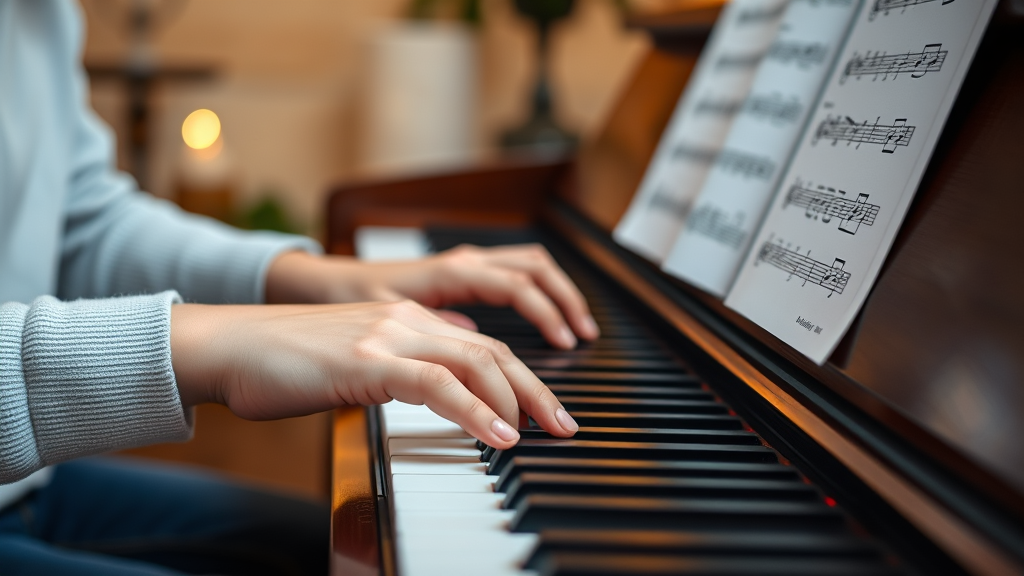
Regular family music time with a baby grand piano provides numerous educational advantages that extend far beyond musical skill development. Research from the Zero to Three organization demonstrates that early musical experiences enhance brain development, particularly in areas responsible for language, mathematics, and spatial reasoning.
Musical training improves academic performance across multiple subjects. Children who engage in regular musical activities show enhanced reading skills, mathematical abilities, and improved memory function. The discipline required for piano practice translates into better study habits and increased focus in academic pursuits. This connection between music and academic success reinforces parental involvement in education through creative, enjoyable activities.
Social and emotional development flourishes through family musical experiences. Collaborative music-making teaches children cooperation, patience, and communication skills. When family members work together to learn songs or create musical arrangements, they practice conflict resolution, compromise, and shared goal achievement. These skills transfer to other areas of life, improving family relationships and social interactions.
Cultural awareness expands as families explore music from different traditions and time periods. Playing classical pieces introduces historical context and cultural appreciation. Folk songs from various countries provide geography and cultural lessons. Contemporary music connects families to current social themes and artistic expression. This diverse musical exposure creates well-rounded, culturally aware individuals.
Cognitive Development Through Musical Learning
Piano playing specifically enhances cognitive development through complex motor coordination requirements. The brain must simultaneously process multiple information streams: reading notation, coordinating both hands independently, listening to sound production, and maintaining rhythmic accuracy. This mental multitasking strengthens neural pathways and improves overall cognitive flexibility.
Pattern recognition skills develop through musical structure understanding. Children learn to identify repeated sections, chord progressions, and melodic patterns. These pattern recognition abilities transfer to mathematical concepts, language structure, and logical reasoning. The American Academy of Pediatrics recognizes music education as beneficial for overall child development and academic success.
Building Lasting Musical Traditions
Establishing regular family music traditions creates lasting memories and strengthens family bonds across generations. Weekly family concerts where each member performs or shares musical discoveries become anticipated events that children remember into adulthood. These performances don’t require perfection; they celebrate effort, progress, and shared musical joy.
Holiday musical celebrations transform seasonal observances into deeply meaningful family experiences. Learning and performing holiday songs together creates traditions that children will likely continue with their own families. Whether it’s Christmas carols, birthday songs, or cultural celebration music, these musical traditions become integral parts of family identity and heritage.
Birthday musical tributes where family members compose or arrange special songs for the celebrant create unique, personal gifts that money cannot buy. These musical presents demonstrate thoughtfulness, creativity, and love in ways that commercial gifts cannot match. Recording these special performances preserves precious family memories for future generations.
Musical milestone celebrations acknowledge family members’ musical achievements and progress. Whether someone learns their first complete song, masters a challenging piece, or simply shows improvement, celebrating these moments reinforces the value of musical growth and encourages continued learning. These celebrations align with essential parenting advice for raising happy and healthy children by recognizing effort and progress.
Creating Musical Legacy Projects
Family songwriting projects create unique musical legacies that reflect family values, experiences, and relationships. Collaboratively writing songs about family trips, shared experiences, or family history preserves memories in musical form. These original compositions become treasured family heirlooms passed down through generations.
Recording family musical sessions preserves precious moments and documents musical growth over time. These recordings become valuable family archives that capture voices, playing abilities, and family dynamics at different life stages. Children especially treasure hearing recordings of their younger selves and family members who may no longer be present.
Overcoming Common Challenges in Family Music Time
Many families encounter obstacles when establishing regular music time routines. Busy schedules often compete with musical activities, making consistency challenging. Address this by setting realistic expectations and flexible scheduling. Even fifteen-minute musical interactions can be meaningful and beneficial. Prioritize quality over quantity, focusing on enjoyable experiences rather than rigorous practice sessions.
Different skill levels among family members can create frustration or self-consciousness. Address this challenge by emphasizing participation over perfection. Assign different roles based on abilities: beginners might play simple melodies while advanced players handle complex arrangements. Encourage mutual support and celebration of individual progress rather than comparison between family members.
Motivation fluctuations are normal in any learning process. When enthusiasm wanes, introduce new musical styles, games, or activities to rekindle interest. Allow family members to choose music they enjoy, even if it doesn’t align with traditional piano repertoire. The goal is maintaining musical engagement and family connection, not achieving concert-level performance.
Space and noise considerations may limit musical activities, especially in apartments or shared living situations. Discuss appropriate practice times with neighbors and consider using piano silencers or digital piano options when acoustic instruments aren’t practical. Many modern baby grand pianos offer silent practice features that allow playing with headphones.
Maintaining Long-term Musical Engagement
Prevent musical burnout by varying activities and maintaining realistic expectations. Some days might focus on serious practice, while others emphasize musical play and exploration. Allow natural ebbs and flows in musical interest while maintaining gentle encouragement and support.
Connect with local musical communities through recitals, concerts, or music groups. Exposure to other musical families and performances inspires continued learning and provides social connections. Many communities offer family-friendly musical events that enhance home musical experiences.
According to research from KidsHealth, consistent, positive musical experiences during childhood create lifelong appreciation for music and stronger family relationships. The key is maintaining enjoyment and connection rather than focusing solely on technical achievement.
Frequently Asked Questions
What age should children start learning piano on a baby grand?
Children can begin exploring a baby grand piano as early as 2-3 years old with supervised play and sensory exploration. Formal lessons typically start around age 4-6, depending on the child’s attention span and finger development. However, family music time can include children of any age through singing, rhythm activities, and musical games around the piano.
How often should families have music time together?
Aim for 2-3 musical sessions per week, lasting 15-30 minutes each, depending on family schedules and children’s attention spans. Consistency matters more than duration – brief, regular musical interactions are more beneficial than infrequent, lengthy sessions. Allow flexibility for spontaneous musical moments when family members feel inspired to play.
Do all family members need formal piano lessons?
Formal lessons aren’t necessary for every family member to enjoy meaningful musical experiences. One family member with basic piano skills can lead activities, or families can learn together through online resources, beginner books, or group lessons. The focus should be on enjoyment and bonding rather than achieving professional-level skills.
How can families afford a baby grand piano?
Consider purchasing quality used instruments, which often cost significantly less than new pianos while offering excellent sound and longevity. Piano rental programs allow families to enjoy baby grand pianos with lower initial investment. Some music stores offer rent-to-own options, and financing plans can make new instruments more affordable. Research local piano dealers for seasonal sales and trade-in opportunities.
What if neighbors complain about piano noise?
Establish agreed-upon practice times with neighbors, typically avoiding early morning and late evening hours. Many modern baby grand pianos include silent practice systems allowing headphone use. Consider acoustic treatments like rugs and curtains to reduce sound transmission. Open communication with neighbors often resolves concerns, especially when they understand the family’s commitment to music education.
How can parents encourage reluctant children to participate?
Make musical activities fun and pressure-free by incorporating games, favorite songs, and creative exploration. Allow children to choose music they enjoy and avoid forcing formal practice. Sometimes pairing musical activities with other interests, like stories or baby alive doll play scenarios, can increase engagement. Model enthusiasm and participation rather than insisting on compliance.
What maintenance does a baby grand piano require?
Baby grand pianos need regular tuning every 3-6 months, depending on environmental conditions and usage frequency. Keep the piano away from direct sunlight, heating vents, and areas with temperature fluctuations. Dust regularly with appropriate piano cleaning products and maintain consistent humidity levels. Schedule annual inspections with qualified piano technicians to address mechanical issues before they become serious problems.