Are Baby Hangers Necessary? Expert Insights on Organizing Your Nursery
Walk into any nursery Pinterest board or parenting forum, and you’ll find heated debates about the essentials. Some parents swear by color-coded organization systems and tiny velvet hangers, while others toss everything into drawers and call it a day. The question of whether baby hangers are actually necessary sits somewhere in the middle of practical parenting and Pinterest perfection—and the answer might surprise you.
Here’s the truth: baby hangers aren’t a must-have item for keeping your infant alive and thriving. But they might just be worth considering depending on your lifestyle, storage space, and how you envision managing those endless tiny clothes. Let’s dig into what experts say, what real parents experience, and how to make the choice that actually works for your family.
Before we dive into the weeds, understand this isn’t about judgment. Whether you’re a meticulous organizer or a “if it’s clean, it goes in the pile” parent, there’s room for your approach. What matters is finding systems that reduce stress and serve your actual daily routine—not the imaginary version of yourself with infinite time and patience.
The Case for Baby Hangers: Real Benefits Beyond Aesthetics
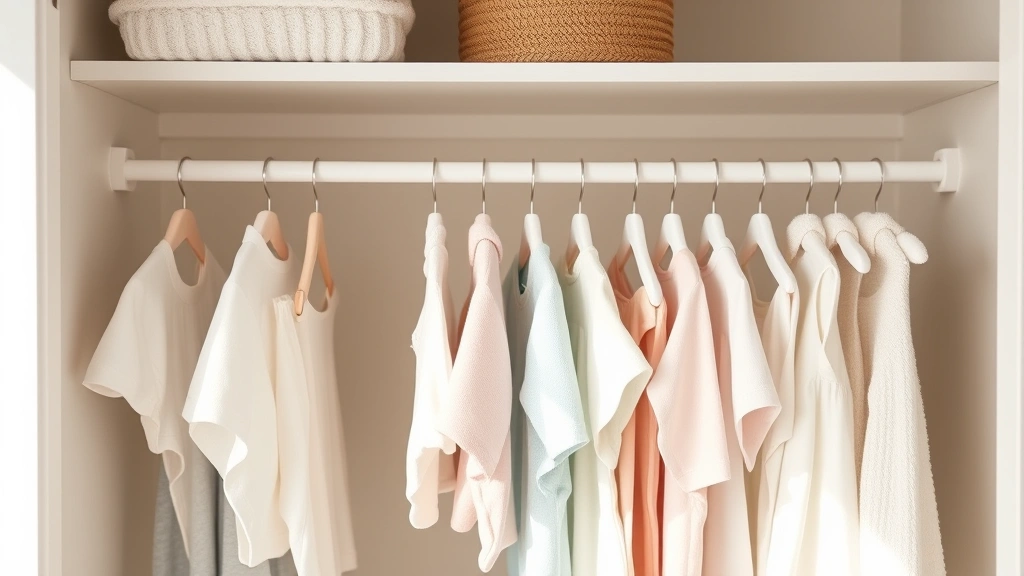
Let’s start with the legitimate advantages of using hangers in your baby’s closet. First, there’s the space efficiency factor. Hanging clothes take up roughly 40% less space than folded items stacked in drawers or bins. For parents working with compact nurseries or shared bedrooms, this matters more than Instagram aesthetics.
Second, hanging garments are significantly easier to see at a glance. When you’re bleary-eyed at 6 a.m. choosing an outfit, visibility matters. You can quickly spot that one outfit that actually fits your growing baby without digging through three layers of onesies. This is especially relevant if you’re managing multiple sizes as your child grows—something particularly important when shopping for baby girl clothes or baby boy clothes across different developmental stages.
There’s also the wrinkle factor. While most baby clothes are forgiving, some fabrics—particularly those special occasion pieces like baby shower dresses—benefit from hanging storage. Hanging prevents the creasing that happens when items sit folded for weeks, meaning fewer touch-ups before photos or events.
Additionally, hangers encourage better air circulation around fabrics. This matters for moisture management and preventing that musty smell that sometimes develops in closed drawers. For babies with sensitive skin or eczema, this ventilation can be genuinely beneficial.
According to the American Academy of Pediatrics, proper storage that prevents moisture buildup and allows for easy inspection of clothing for wear and damage supports better overall hygiene practices in the nursery.
Why Some Parents Skip Them Entirely
Now let’s talk about the very legitimate reasons many parents don’t use hangers for baby clothes at all. The primary concern is safety. Baby hangers, particularly those with clips, pose a potential strangulation or pinching hazard if a toddler gains access to the closet. This risk, however small, gives some parents pause—and that’s a valid concern worth taking seriously.
Secondly, there’s the practicality argument. Babies grow at an alarming rate. Newborns might wear something three times before outgrowing it entirely. The effort of hanging, organizing, and later retrieving these clothes feels like overkill when you’re dealing with that kind of turnover. Many experienced parents argue that the energy spent organizing baby hangers could be better spent on literally anything else—sleep, coffee, basic hygiene.
Cost is another factor. Quality baby hangers designed for tiny garments aren’t cheap, and you need quite a few of them. When you’re already investing in cribs, car seats, and other safety equipment, spending $30-50 on specialty hangers feels like a luxury many families can’t justify.
There’s also the environmental angle. If you’re planning to hand down clothes to younger siblings or donate them afterward, the extra organization might feel unnecessary. Parents operating in donation-and-pass-down mode often find simple bins or drawer organization more practical.
Lastly, some babies simply have fewer clothes than others. If you’re doing laundry twice weekly and your baby only has seven outfits in rotation, drawer storage works perfectly fine.
Storage Solutions Without Traditional Hangers
If you decide hangers aren’t for you, several alternatives work beautifully. Drawer dividers are a game-changer for keeping things organized without any hanging required. Simple fabric dividers create sections for onesies, pants, socks, and special occasion wear—making it easy to find what you need without the closet access.
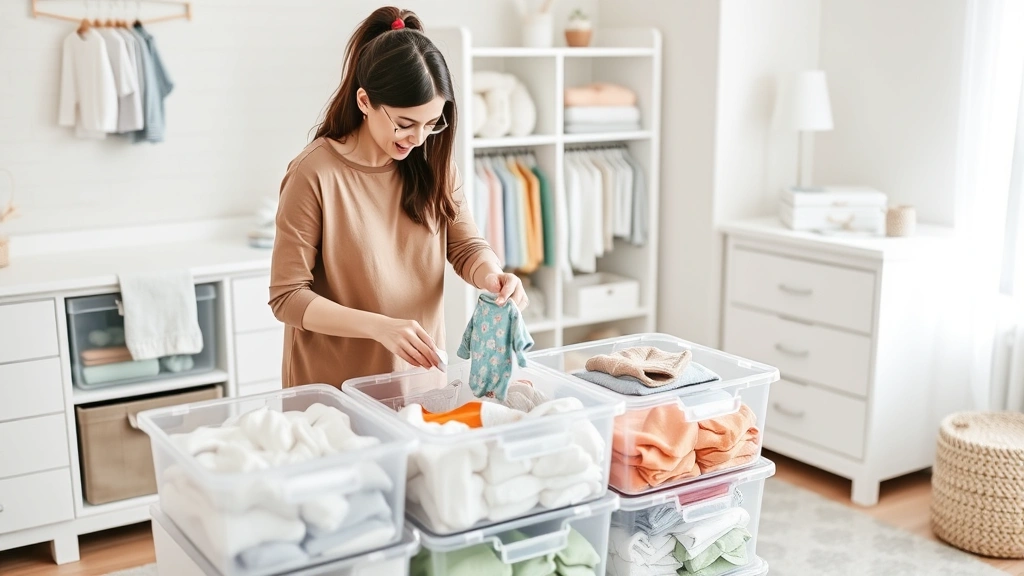
Clear plastic bins are another popular option. Label them by size, season, or clothing type. This system works particularly well if you’re storing multiple sizes as your baby grows. You can stack bins efficiently and even store them in closets, under beds, or in the garage until you need them.
Open shelving with folded stacks maintains visibility while keeping everything accessible. This works well if you have a dresser with open shelving above it or a simple bookshelf dedicated to nursery storage. It’s less space-efficient than hanging but more visible than closed drawers.
Some parents use rolling carts—particularly those three-tier utility carts available at most retailers. Each tier can hold a different category of clothing, and the mobility means you can keep it wherever you need it, whether that’s in the nursery, bathroom, or laundry room.
Vacuum storage bags work for off-season clothes or items you’re saving. While they compress clothing significantly, they’re not ideal for frequent access since you’d need to unseal and reseal them repeatedly.
Choosing the Right Hanger If You Decide to Use Them
If you’ve decided hangers make sense for your situation, choosing the right type matters. Velvet hangers are popular for a reason—they’re thin (saving space), non-slip (preventing clothes from sliding off), and gentle on delicate fabrics. They’re also available in various colors, which appeals to the organizational-minded parent.
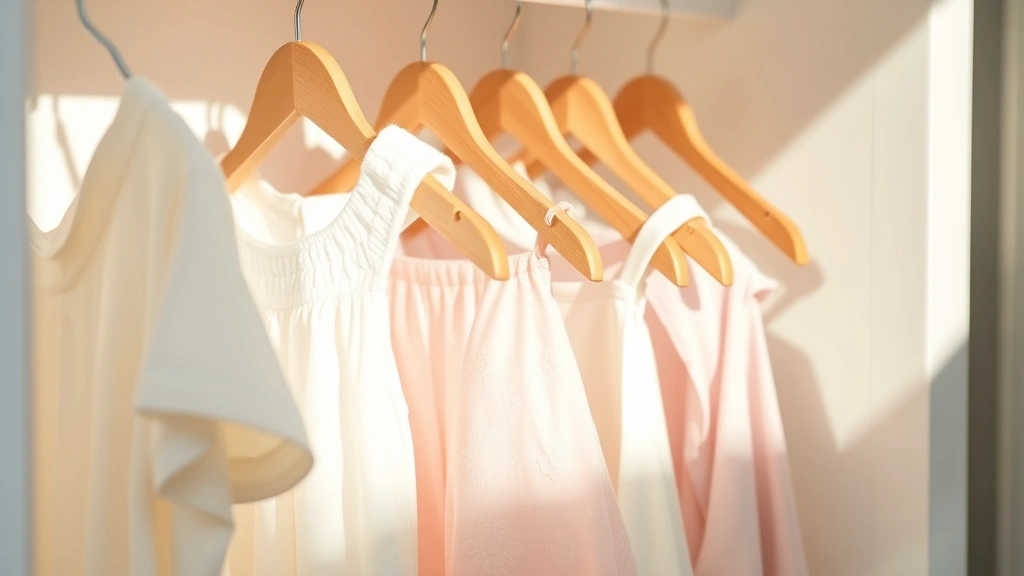
Wooden hangers offer a more sustainable option and look aesthetically pleasing. They’re sturdier than velvet but take up slightly more space. If you’re building a nursery with particular decor in mind, wooden hangers might align with your vision better.
Plastic hangers are budget-friendly and come in fun colors. They’re less gentle on fabrics and more likely to leave marks on delicate clothing, but they’re durable and easy to clean if they get dusty.
Avoid hangers with sharp clips or rough edges. Look for options with padding around any metal parts. Ensure hangers are appropriately sized for baby clothes—standard adult hangers are far too large and won’t work properly.
Some parents love specialized baby hanger sets that include matching dividers and organizational labels. These complete systems take the guesswork out of setup, though they’re pricier than buying hangers alone.
A practical approach: start with a small set of 10-15 hangers before investing in a complete system. This lets you test whether hanging storage actually fits your routine before committing financially.
Expert Recommendations on Nursery Organization
Professional organizers who work with families consistently recommend starting with an honest assessment of your space and habits. How much closet space do you actually have? How frequently do you do laundry? Are you keeping multiple sizes of clothing? What’s your tolerance for visible clutter?
According to Parents Magazine, the best organizational system is one you’ll actually maintain. An elaborate hanging system with color-coded sections only works if you have the energy and motivation to keep it that way. For most parents with newborns, simple and sustainable beats beautiful and complicated.
Child development experts note that organization systems shouldn’t become a source of stress. The goal is functionality, not perfection. If maintaining a closet system is making you anxious about keeping things “just so,” it’s working against your wellbeing rather than supporting it.
Many experts suggest a hybrid approach: use hangers for frequently worn items and special pieces like baby shower dresses, while keeping everyday basics in easily accessible drawers. This gives you the benefits of hanging storage without the complexity of a fully organized closet.
The CDC provides guidance on safe storage practices that emphasize keeping hazardous items away from children and ensuring storage solutions don’t create new safety risks—something to keep in mind regardless of your organizational method.
Making Your Decision: Questions to Ask Yourself
Rather than following someone else’s prescription for what your nursery “should” look like, ask yourself these practical questions:
- How much closet space do I have? Limited space? Hangers might be worth it. Abundant storage? You have more flexibility.
- How often am I doing laundry? Weekly or more? Drawer storage probably works fine. Doing laundry less frequently? Visibility from hangers becomes more valuable.
- Am I keeping multiple sizes? If you’re storing newborn through 12-month sizes simultaneously, organization becomes more important.
- How much time and energy do I want to spend on this? Be honest. If you’re overwhelmed, simple is better.
- What about safety concerns? Do you have older siblings who might access the closet unsupervised?
- What are my long-term plans for these clothes? Donating? Passing down? Selling? That affects how long you need to store them.
- What’s my actual budget? Can you afford quality hangers without stress, or would that money be better spent elsewhere?
When considering options like baby doll dress styles or baby blue dress pieces that might be keepsakes, hanging storage becomes more relevant for preservation purposes.
The bottom line: baby hangers aren’t necessary for your baby’s health, safety, or development. They’re a tool that works brilliantly for some families and feels like unnecessary complexity for others. Your job is to figure out which category you fall into and build a system accordingly.
Frequently Asked Questions
At what age can I start using hangers in my baby’s closet?
If you’re using hangers, they’re safe to introduce as early as you want since babies won’t access the closet independently. However, once your child becomes mobile and curious (around 12-18 months), you’ll need to consider safety. Ensure your closet door is secure and hangers don’t pose strangulation risks.
How many baby hangers do I actually need?
This depends entirely on your situation. If you’re hanging all clothes, plan for 20-30 hangers. If you’re doing a hybrid approach (hanging special pieces and frequently worn items), 10-15 hangers might suffice. Start small and add as needed.
Are wooden hangers better than velvet for baby clothes?
Both are good options. Velvet is thinner and saves space; wooden is more sustainable and durable. Choose based on your priorities. Neither is objectively “better”—it’s about what works for your needs.
Will using hangers actually save me time getting ready?
Potentially, yes. If you can see all options at a glance and quickly grab outfits, hanging storage saves time. However, if you’re spending time maintaining an elaborate system, it might actually cost you time.
Can I use regular adult hangers for baby clothes?
Not effectively. Adult hangers are too large and clothes will slip off. You need appropriately sized hangers designed for baby garments. Specialty hangers aren’t expensive, and they’re worth the investment if you’re going to hang clothes.
What if I want to use hangers but don’t have closet space?
Consider a clothing rack, wall-mounted rods, or even a tension rod in an alcove. Some parents install rods in open shelving units or use the space above dressers. Get creative with your vertical space.
Are there safety concerns with baby hangers I should know about?
The main concern is strangulation risk with clip-style hangers if toddlers access them unsupervised. Use hangers with smooth edges, avoid sharp clips, and keep closet doors secured. The Consumer Product Safety Commission offers guidelines on nursery safety that address storage considerations.
Should I hang special occasion clothes differently?
Yes, special pieces like baby shower dresses benefit from hanging storage to prevent wrinkles. Consider using garment bags for extra protection, and store these pieces separately from everyday wear so they stay pristine.