What Is a Baby Hat? A Parent’s Guide to Styles, Safety, and Selection
If you’re expecting your first child or adding to your family, you’ve probably noticed that tiny hats seem to occupy an oddly large portion of baby registries and nursery décor. But here’s the thing—baby hats aren’t just adorable accessories (though they absolutely are). They’re functional pieces of clothing that serve real purposes throughout your child’s early months and beyond. Whether you’re navigating a hospital discharge or gearing up for outdoor adventures, understanding the different types of baby hats and when to use them can make parenting just a little bit easier.
The world of infant headwear might seem simple on the surface, but there’s actually quite a bit to unpack. From newborn hospital hats to sun-protective styles, each type serves a distinct purpose. We’ll walk you through everything you need to know about selecting, caring for, and using baby hats throughout your child’s early years.
What Exactly Is a Baby Hat?
A baby hat is a piece of headwear specifically designed for infants and young toddlers, typically sized to fit heads ranging from newborn (around 12-14 inches circumference) to approximately age three. But it’s more than just a miniature version of an adult hat—it’s engineered with the unique needs of developing infants in mind.
Babies lose a significant portion of body heat through their heads, which is why hospitals routinely place hats on newborns immediately after delivery. This isn’t just tradition; it’s evidence-based practice grounded in infant physiology. A newborn’s head represents about 21% of their total body surface area, compared to roughly 10% in adults. This disproportionate ratio means heat loss through the head is genuinely consequential for thermoregulation.
Beyond temperature control, baby hats serve multiple functions: they protect delicate skin from sun exposure, keep tiny hands from scratching their own faces, secure medical equipment like sensors or tubes in hospital settings, and frankly, they’re a practical way to keep your baby’s head warm when you’re transitioning between environments—think leaving a climate-controlled hospital for the car, or moving from an air-conditioned home to the outdoors.
The best baby hats are made from breathable, soft fabrics that won’t irritate sensitive newborn skin. They should fit snugly without being constrictive, stay in place without requiring frequent adjustment, and be easy to remove or adjust as needed. Quality matters here because your baby’s skin is still developing its protective barrier.
Types and Styles of Baby Hats
Not all baby hats are created equal. Understanding the different styles helps you make informed choices based on your specific needs.
Hospital Hats
These are the classic knit caps you see in newborn photos—usually white, pale yellow, or pastel colored. Hospitals use them immediately after birth to prevent heat loss and to help parents identify their baby during the hospital stay (many include identification bands). If you’re keeping your hospital hat as a keepsake, it typically fits newborns only, so it won’t be functional beyond those first days.
Bonnets
A baby bonnet is a soft, rounded hat with ties that secure under the chin. Bonnets typically cover more of the face and ears than other hat styles, making them excellent for outdoor protection. They’re particularly popular for special occasions, photo shoots, or formal events, but they’re equally practical for everyday sun protection. The ties mean they’re less likely to slip off during sleep or movement, which appeals to many parents.
Beanies and Knit Caps
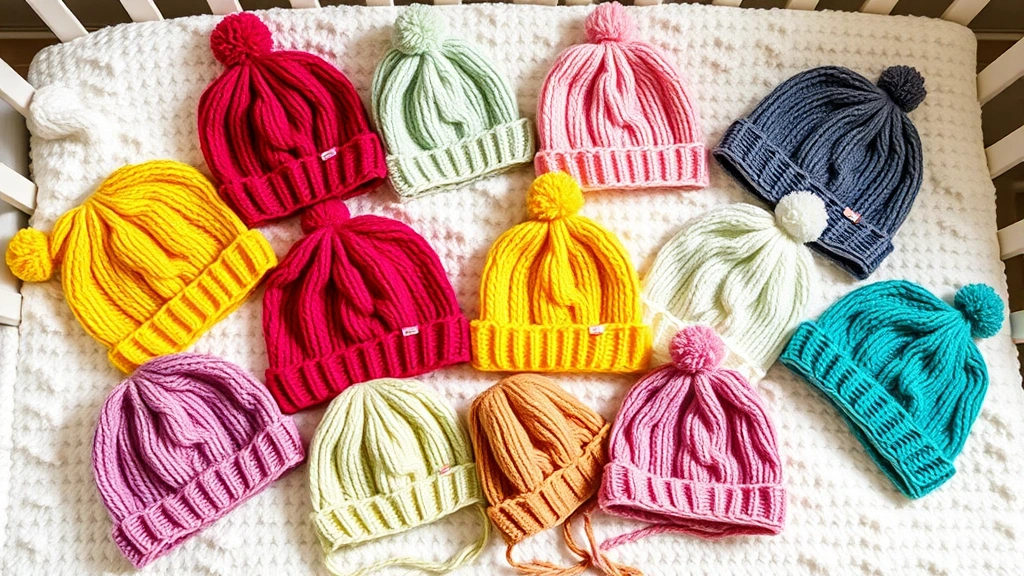
Simple, pulled-over-the-head style hats in various knit fabrics. These range from basic cotton knits to merino wool or fleece-lined options for colder weather. They’re versatile, easy to put on and remove, and work well for both indoor and outdoor use depending on the fabric weight.
Sun Hats
Wide-brimmed hats designed specifically for UV protection. These typically have brims that extend around the entire hat to shade the face, ears, and neck—the areas most vulnerable to sun damage. Quality sun hats for babies often include UPF (ultraviolet protection factor) ratings.
Visors and Caps
Structured hats with bills or visors that provide front-facing sun protection. These work well for slightly older babies and toddlers who can tolerate something a bit more structured on their heads. Many parents appreciate that visors keep the sun out of baby’s eyes while allowing better air circulation than full hats.
Mittens-Style Hats
Some newborn hats come with attached mittens or fold-over cuffs that prevent babies from scratching their faces. This dual-purpose design is particularly helpful for the first few weeks when newborns have limited control over their arm movements.

Safety Considerations for Baby Hats
While baby hats are generally safe, there are important guidelines to follow to ensure they enhance rather than compromise your baby’s wellbeing.
Fit and Choking Hazards
The hat must fit securely but not so tightly that it restricts blood flow or causes discomfort. Check that you can fit one finger comfortably between the hat and your baby’s head. Any ties or fasteners should be short enough that they can’t wrap around your baby’s neck—this is critical. The American Academy of Pediatrics recommends avoiding hats with long ties for babies under 12 months due to strangulation risk. If your bonnet has ties, they should be adjustable and not pose a hazard if your baby rolls over.
Overheating Concerns
While babies need warmth, overheating is also a concern, particularly regarding SIDS prevention. Current guidelines suggest avoiding loose objects and soft items in the sleep space, which includes hats and bonnets. Once your baby is in their crib for sleep, the hat should typically come off. However, a hat is fine during supervised play or when your baby is awake and being held.
Skin Irritation and Hygiene
Ensure the hat is made from hypoallergenic, soft materials that won’t irritate delicate baby skin. Wash new hats before first use to remove any manufacturing residues. Regularly launder hats according to fabric care instructions, especially if your baby wears them frequently or if they’ve been in contact with spit-up or other bodily fluids.
Proper Sizing
A hat that’s too large will slip over your baby’s eyes or fall off easily. One that’s too small can be uncomfortable and may leave marks on the skin. Most newborn hats fit babies from birth through about 3 months, though sizing varies by brand. Check the manufacturer’s sizing guide, and remember that babies grow quickly—you may need multiple sizes within the first year.
Material Safety
Look for hats made from natural, breathable fabrics like organic cotton, bamboo, or merino wool. Avoid synthetic materials that don’t breathe well or contain dyes and chemicals that might irritate sensitive skin. If your baby has eczema or other skin sensitivities, prioritize hypoallergenic options and consider doing a patch test with new materials.
Temperature Regulation and Warmth
Understanding how baby hats function in temperature regulation helps you use them effectively without overheating your child.
Newborns and young infants have immature thermoregulation systems—they can’t generate heat as efficiently as older children and adults. This is why hospitals maintain warm environments for newborns and why you’ll notice hospitals place hats on babies immediately after birth. That hat can reduce heat loss by up to 75%, which is significant when your baby has just left the warm intrauterine environment.
However, this same vulnerability means you need to be thoughtful about hat use. In warm environments, a hat can actually contribute to overheating. The key is matching the hat to the environment and your baby’s activity level. A baby sleeping in a warm room doesn’t need a hat and shouldn’t wear one. A baby being held skin-to-skin likely doesn’t need a hat. But a baby in a cool hospital room, a chilly car, or heading outdoors on a crisp morning absolutely benefits from one.
The fabric weight matters tremendously. A lightweight cotton beanie works for mild weather or indoor use. A fleece-lined or wool hat is appropriate for cold weather. A sun hat with UPF protection is designed for warm, sunny conditions. Pay attention to the season and your local climate, and adjust accordingly.
One practical approach many parents use: keep a lightweight hat in your diaper bag year-round. It’s useful for unexpected temperature drops, air-conditioned environments, or medical settings where hats are standard practice. This is particularly handy when you’re selecting baby shower gift ideas—a set of seasonal hats in various styles is genuinely useful and appreciated by new parents.
How to Select the Right Baby Hat
Choosing appropriate baby hats for your needs doesn’t require overthinking, but a few considerations will serve you well.
Assess Your Climate and Lifestyle
If you live somewhere warm year-round, you’ll prioritize sun protection hats. If you experience distinct seasons, you’ll want options for different times of year. Consider your typical activities—do you spend lots of time outdoors? Are you frequently in climate-controlled indoor environments? Do you travel frequently? Your lifestyle influences which hat styles and fabrics make most sense.
Think About Special Occasions
Many parents appreciate having at least one dressier option—a bonnet for holiday photos, baptisms, or formal family events. These don’t need to be expensive, but they do add a special touch to milestone moments and photos you’ll treasure.
Consider Your Baby’s Comfort Preferences
Some babies tolerate hats beautifully; others fuss the moment anything touches their head. You won’t know which camp your baby falls into until they arrive, so it makes sense to start with one or two simple styles and expand based on what works. There’s no point investing heavily in fancy hats if your baby hates wearing them.
Quality Over Quantity
You don’t need dozens of hats. A few well-made, versatile options in different weights and styles serve you better than a large collection of cheaper alternatives. Quality hats maintain their shape better, wash more durably, and feel nicer against your baby’s skin.
Check for Practical Features
Does the hat stay in place without constant adjustment? Can it be easily washed? Is it machine washable or does it require hand washing? Are there any small parts that could detach and become choking hazards? Practical considerations matter when you’re dealing with an infant who can’t tell you if something is uncomfortable.
When you’re building your baby registry must haves, including a few hats in different styles and weights is a smart move. They’re affordable, genuinely useful, and something virtually every parent needs. Options might include a lightweight cotton beanie for indoor or mild weather use, a sun hat for outdoor summer activities, and perhaps a bonnet for special occasions.
If you’re shopping for baby boy gifts or baby girl gifts, a set of quality hats in neutral or theme-appropriate colors is a thoughtful, practical present that new parents genuinely appreciate.
Care and Maintenance
Proper care extends the life of your baby hats and keeps them safe and clean for your little one.
Pre-Use Washing
Always wash new hats before your baby wears them. This removes manufacturing chemicals, dyes, and any residue from storage or handling. Use mild detergent and warm water, and rinse thoroughly.
Regular Laundering
Wash hats frequently, especially if your baby wears them regularly or if they’ve been in contact with spit-up, drool, or other bodily fluids. Most baby hats can be machine washed on a gentle cycle with mild detergent. Check the care label for specific instructions—some delicate fabrics or special finishes may require hand washing.
Drying
Air drying is gentlest on baby hats. Lay them flat or hang them to dry completely before storing. Avoid high heat from dryers, which can shrink fabrics or damage elastic components. If you must use a dryer, use the lowest heat setting and remove the hat promptly when the cycle ends.
Storage
Store clean, dry hats in a cool, dry place away from direct sunlight. A drawer in the nursery or a storage bin works well. Keep seasonal hats separate so you can easily find what you need. Avoid storing damp or dirty hats, as this can promote mildew or mold growth.
Inspection Before Use
Before putting a hat on your baby, do a quick inspection. Check for loose threads, detached decorations, or any signs of wear that might pose a safety concern. If a hat is damaged or showing significant wear, it’s time to retire it.
Sharing and Hand-Me-Downs
If you’re receiving hats as hand-me-downs or accepting gently used hats from friends, wash them thoroughly before use. Inspect carefully for any damage or safety concerns. Most hats can be passed along multiple times if they’re well-made and properly cared for.
Frequently Asked Questions
When should my baby start wearing a hat?
Newborns benefit from a hat immediately after birth to prevent heat loss. However, once your baby is in a warm environment and their core temperature is stable, hat use becomes situational—based on temperature, activity, and environment rather than constant necessity. In the hospital, your baby will typically wear a hat. At home, use one based on room temperature and your baby’s comfort.
Can my baby sleep in a hat?
It’s generally recommended to remove hats before your baby sleeps in their crib. According to CDC guidelines on safe sleep, the crib should be clear of loose objects and soft items to reduce SIDS risk. A hat could potentially shift during sleep and pose a hazard. However, a hat during supervised naps while your baby is being held is perfectly fine.
What size hat does my newborn need?
Most newborn hats are sized to fit babies from birth through approximately 3 months old. Newborn head circumference typically ranges from 12-14 inches at birth, growing to about 15-17 inches by 3 months. Check the manufacturer’s sizing guidelines—most brands provide specific measurements. You may need to move to the next size up around 3-4 months as your baby grows.
Are expensive baby hats worth the investment?
You don’t need to spend a fortune on baby hats, but investing in quality over quantity makes sense. A few well-made hats in different styles and weights that you’ll actually use serve you better than a large collection of cheaper alternatives. Look for reputable brands known for quality materials and construction. Mid-range options often offer the best value.
How do I prevent my baby from pulling off their hat?
Hats with chin ties (like bonnets) are less likely to come off during movement or rolling. Ensuring proper fit is crucial—a hat that’s too loose will slip easily. Some parents find that putting the hat on during calm moments, like after feeding when baby is drowsy, results in better tolerance. Remember, some babies simply prefer being hat-free, and that’s okay in most situations.
What’s the difference between UPF and SPF for baby sun hats?
SPF (Sun Protection Factor) measures protection against UVB rays and is used for sunscreen products. UPF (Ultraviolet Protection Factor) measures protection against both UVA and UVB rays and is used for fabrics and clothing. For baby sun hats, look for UPF ratings. UPF 50+ provides excellent protection, blocking 98% of UV rays. This is particularly important for babies under 6 months, who shouldn’t wear sunscreen.
Can I use a regular adult hat for my baby?
Adult hats are too large for babies and won’t provide the proper fit and security that baby-sized hats offer. They can slip over your baby’s eyes, fall off easily, or pose safety concerns. Stick with hats specifically designed for infant sizing and safety.
How many hats should I have for my baby?
Three to five hats in different styles and weights is typically sufficient. This might include a lightweight cotton beanie, a warm hat for cold weather, a sun hat for outdoor summer activities, and perhaps a dressier bonnet for special occasions. You don’t need extensive collections—focus on versatile, well-made options you’ll actually use.