Why Does a Baby Need a Helmet? A Complete Guide to Head Protection
The moment you see your baby wearing a helmet, you might feel a mix of emotions—concern, curiosity, maybe even a little guilt wondering if you missed something. But here’s the truth: baby helmets aren’t a sign of failure or overprotectiveness. They’re a thoughtful response to real developmental needs, and understanding why they matter can help you make confident decisions about your child’s safety and growth.
Whether your pediatrician has recommended one, you’ve noticed your baby’s head shape changing, or you’re simply curious about when and why these protective devices become necessary, this guide walks you through everything you need to know. We’ll explore the medical reasons helmets are prescribed, how they work, and what to expect during the fitting and adjustment process.
Let’s dive into the practical reality of baby helmet use and why many parents find it to be one of the most worthwhile investments they make for their child’s development.
Why Babies Need Helmets
Baby helmets serve several important purposes, and the reason your child might need one depends on their specific situation. The most common reasons fall into two categories: corrective and protective.
Corrective helmets address head shape concerns that develop during infancy. Babies’ skulls are remarkably soft and moldable during their first months of life—this flexibility allows them to pass through the birth canal and accommodates rapid brain growth. However, this same softness means prolonged pressure on one area can flatten or reshape the skull. This is where baby head protection becomes medically relevant rather than just a precaution.
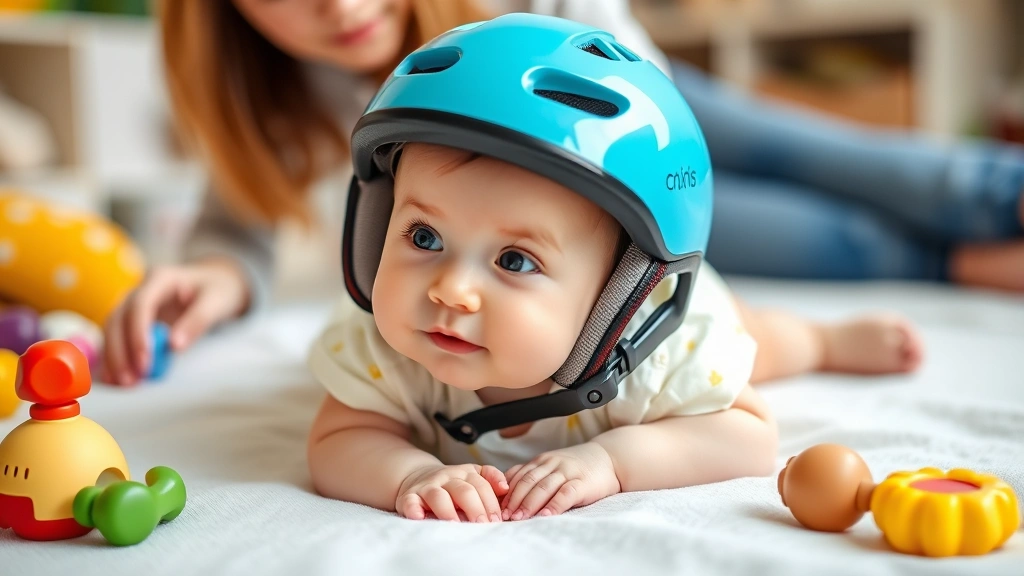
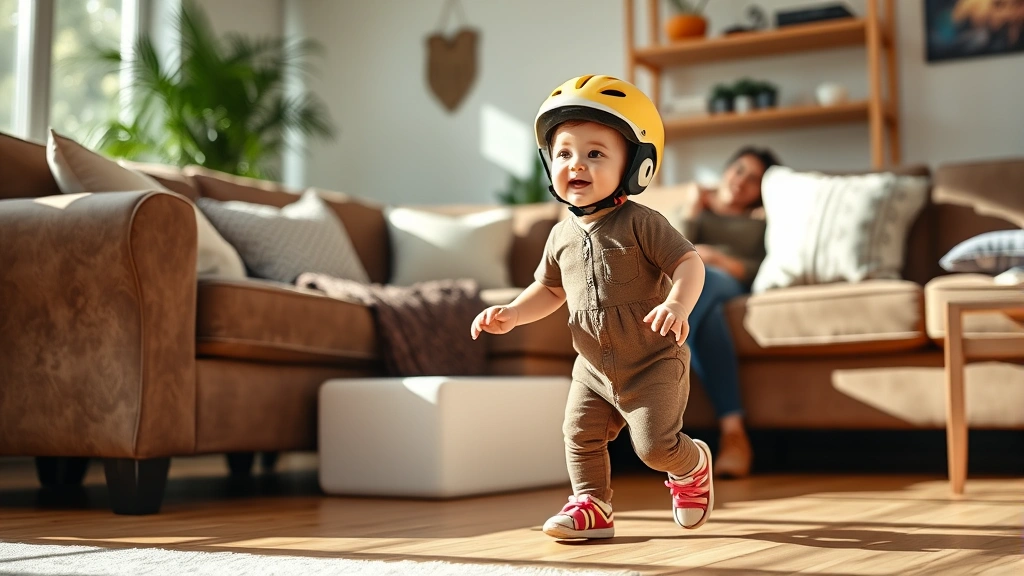
Protective helmets serve a different function. As babies begin crawling, pulling themselves up, and eventually walking, they become more prone to accidental falls and bumps. A helmet during these active phases reduces the risk of head injuries during those clumsy, enthusiastic early movements.
The distinction matters because it affects when a helmet is needed, how long your baby wears it, and what you should expect. Understanding which type applies to your situation helps you approach the experience with realistic expectations and proper knowledge.
Plagiocephaly and Torticollis Explained
The most common reason pediatricians recommend corrective helmets is plagiocephaly, a condition where a baby’s head develops a flattened spot. This typically occurs on the back or side of the head, often from babies spending extended time lying on the same surface or in the same position.
Plagiocephaly isn’t dangerous to your baby’s brain development or intelligence, but it can affect head symmetry and, in some cases, impact ear alignment or facial features if left unaddressed. The American Academy of Pediatrics emphasizes that early intervention through repositioning and, when necessary, helmet therapy can significantly improve outcomes.
Another condition that sometimes necessitates helmet use is torticollis, a tightness in the neck muscles that causes babies to favor one side. When a baby consistently turns their head the same direction, pressure builds on that side of the skull, contributing to flattening. Addressing the underlying torticollis through physical therapy often resolves the head shape issue, but helmets can accelerate correction while therapy progresses.
The good news? Most cases of plagiocephaly improve with conservative treatment. Physical therapy, frequent repositioning changes, and supervised tummy time can often resolve mild to moderate flattening. Helmets become the next step when these measures alone aren’t producing sufficient improvement, typically around 4-6 months of age when babies’ skulls are still moldable but the flattening pattern is clearly established.
Safety During Physical Activities
Beyond corrective purposes, protective helmets matter as your baby becomes more mobile. While it might seem premature to think about head protection for a baby who’s just beginning to crawl, the reality is that babies are remarkably enthusiastic and remarkably clumsy.
Once your child starts pulling up on furniture, cruising along couches, and taking those first wobbly steps, falls are inevitable. Most are minor tumbles without consequence, but head injuries are a legitimate concern. The CDC reports that unintentional injuries are the leading cause of death for children ages 1-4, with falls being the most common type. While serious injuries are relatively rare, helmets provide meaningful protection during this vulnerable learning phase.
Protective helmets become especially relevant if you have a particularly active or bold baby, if there are environmental hazards that are difficult to fully baby-proof, or if your child has any developmental delays affecting balance and coordination. Some parents also choose helmets for babies who are early walkers or who seem particularly prone to losing their balance.
Pairing helmet use with comprehensive baby safety gear and environmental modifications creates multiple layers of protection. This might include corner guards, baby gates, padded furniture edges, and non-slip surfaces—all working together to keep your curious explorer safe.
The Helmet Fitting Process
If your pediatrician recommends a helmet, the next step is a professional fitting. This isn’t something you want to guess at or purchase without guidance, because an improperly fitted helmet won’t provide the intended benefit and could cause discomfort.
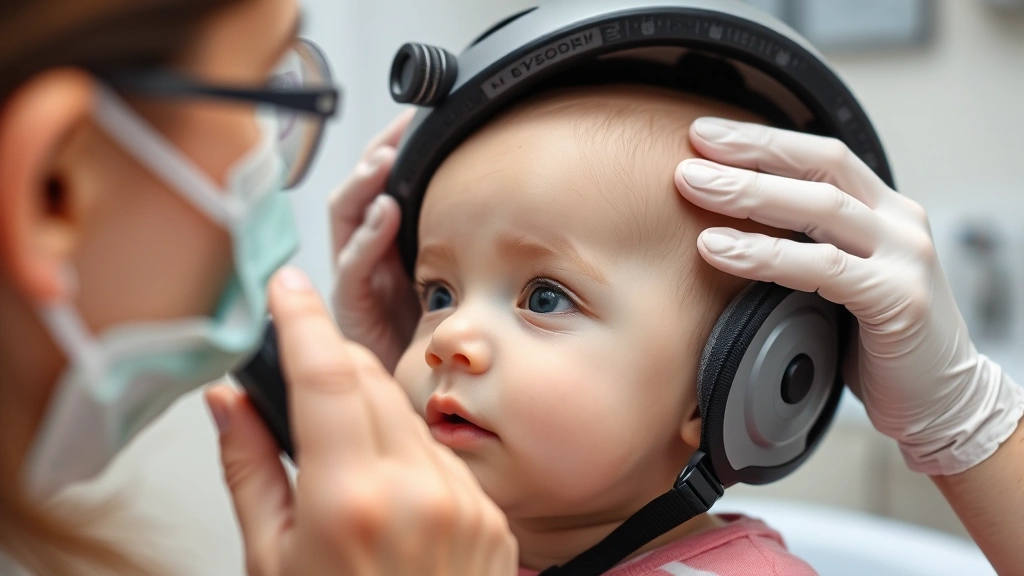
The fitting process typically begins with a 3D scan or precise measurements of your baby’s head. The scan captures the exact shape and dimensions, allowing the helmet manufacturer to create a custom device tailored specifically to your child. This isn’t a one-size-fits-most situation—each helmet is individually molded.
During the fitting appointment, the specialist will:
- Take detailed measurements and possibly 3D scans of your baby’s head
- Discuss the expected duration of helmet wear based on your baby’s age and condition severity
- Explain proper fitting, cleaning, and maintenance
- Address any concerns you have about comfort or adjustment periods
- Schedule follow-up appointments to monitor progress and make adjustments as your baby grows
The helmet typically arrives within 1-2 weeks. When it does, the fitting specialist will ensure it sits properly on your baby’s head, check that it’s secure but not too tight, and verify that it doesn’t restrict vision or hearing. They’ll also provide clear guidance on how many hours per day your baby should wear it—typically starting with a gradual increase from a few hours daily to 20-23 hours as your baby adjusts.
Adjusting to Helmet Wear
Let’s be honest: the first few days of helmet wearing can be rough. Your baby might cry, pull at the helmet, or seem uncomfortable. This is completely normal and doesn’t mean the helmet is wrong or that you’re making a mistake.
Babies need time to adjust to the sensation of wearing something on their head. They’re used to freedom of movement, and suddenly there’s this object restricting their natural mobility slightly. With patience and a gradual approach, most babies acclimate within a week or two.
Tips for easing the adjustment:
- Start gradually: Begin with short wearing periods—even 30 minutes to an hour—and gradually increase as your baby adjusts
- Make it positive: Use praise and encouragement rather than forcing it. Some parents use special songs, dances, or rewards
- Keep it cool: Helmets can make babies’ heads warm, so ensure adequate ventilation and avoid overheating with extra clothing
- Maintain consistency: Wear the helmet at the same times each day so your baby develops a routine
- Stay patient: Expect some resistance, especially in the first week, but most babies adapt remarkably well
- Dress strategically: Avoid clothing with tags near the neck and choose soft, breathable fabrics that won’t irritate skin
Your pediatrician or helmet specialist can provide specific guidance based on your baby’s age and individual needs. They might recommend particular strategies or address specific concerns you’re experiencing. Don’t hesitate to reach out with questions—these professionals are accustomed to supporting families through this process.
One often-overlooked aspect of helmet adjustment is your own comfort with it. Many parents feel self-conscious about their baby wearing a helmet in public, worrying about judgment or questions from strangers. Remember that you’re making a medically sound decision for your child’s health and development. Most people who ask are simply curious, not critical.
When to Remove the Helmet
The duration of helmet wear varies significantly based on why your baby needs it and how their head responds to treatment. For corrective purposes, most babies wear helmets for 3-6 months, though some cases require longer periods.
Your specialist monitors progress through periodic appointments and scans. They’re looking for measurable improvement in head shape symmetry. Once the head has sufficiently reshaped and the baby’s skull is hardening (typically around 12-18 months of age when the skull plates are fusing), the helmet is no longer necessary or beneficial.
For protective helmets used during the active learning phase, parents typically discontinue use once their child has developed reliable balance and coordination, usually around 18-24 months of age. Some parents choose to continue helmets longer if their child remains particularly active or prone to falls, and that’s a reasonable decision based on individual circumstances.
The removal process isn’t abrupt. Your specialist will discuss the timeline with you and help you transition away gradually if needed. Most babies are thrilled to be free of the helmet and don’t look back, though some parents feel a strange sense of loss—you’ve become accustomed to the routine, and it’s been a tangible representation of your active involvement in your child’s health.
Before investing in protective helmets for everyday use, consider pairing them with other safety measures like baby walking shoes with good ankle support and grip, as well as continued environmental safety measures. A comprehensive approach to protection is more effective than relying on any single device.
Frequently Asked Questions
Will my baby’s head be permanently misshapen if we don’t use a helmet?
Not necessarily. Many cases of mild plagiocephaly improve naturally as babies spend more time upright and less time in the same position. However, moderate to severe flattening is less likely to resolve without intervention. The earlier you address head shape concerns—ideally before 12 months—the better the outcomes with corrective measures. If you’re concerned about your baby’s head shape, discuss it with your pediatrician rather than assuming it will resolve on its own.
Can my baby sleep in the helmet?
Yes, most babies can and do sleep in their corrective helmets. In fact, babies typically wear helmets for 20-23 hours daily, which includes sleep time. The helmet is designed to be safe for sleeping. However, always follow your specialist’s specific instructions, as some cases may have particular guidelines.
Will the helmet hurt my baby?
A properly fitted helmet shouldn’t hurt your baby, though the adjustment period might involve some fussiness as they get used to wearing it. If your baby seems to be in actual pain, if you notice red marks, blistering, or skin breakdown, contact your specialist immediately. These signs indicate a fitting issue that needs correction.
How much does a baby helmet cost?
Corrective helmet costs typically range from $1,500 to $3,000 without insurance, depending on your location and the specific helmet type. Many insurance plans cover helmets when prescribed for medical reasons, though coverage varies. Check with your insurance provider before proceeding. Some families use flexible spending accounts or health savings accounts to help cover costs.
Can we skip the helmet and just do physical therapy?
For some babies with mild plagiocephaly or torticollis, physical therapy and repositioning strategies may be sufficient. However, for moderate to severe cases, helmets significantly accelerate improvement and produce better outcomes. Your pediatrician can assess whether your baby’s situation warrants helmet use or whether conservative measures are appropriate.
Will my baby’s development be affected by wearing a helmet?
No. Corrective helmets don’t impact cognitive development, motor development, or any aspect of your baby’s growth and learning. They’re a localized intervention affecting only head shape. Babies develop normally while wearing helmets, and many parents report that their babies seem completely unbothered once they’ve adjusted to wearing one.
What if my baby refuses to wear the helmet?
Initial resistance is common and usually temporary. Most babies adjust within a week or two. If your baby continues to refuse the helmet or seems genuinely distressed, discuss this with your specialist. They may adjust the fit, recommend a different helmet style, or suggest specific strategies for encouraging compliance. Persistence typically pays off.
Are there alternatives to helmets?
For corrective purposes, physical therapy, repositioning, and tummy time are the first-line approaches. Helmets are recommended when these measures alone aren’t producing sufficient improvement. For protective purposes, helmets are the most effective option, though other safety measures like padding, gates, and careful supervision are also important.