What Makes Baby Huskies So Adorable? Science Insights
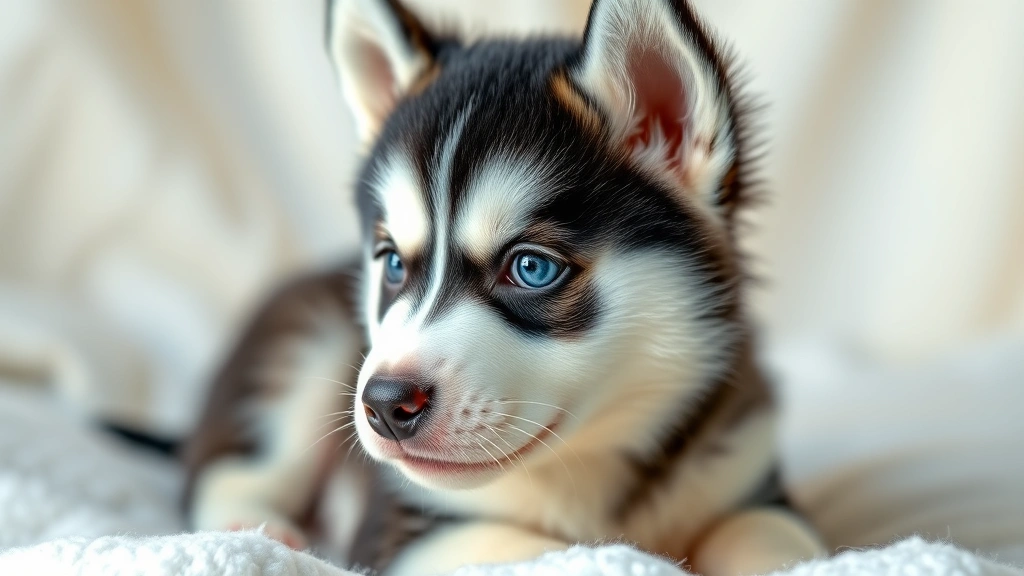
There’s something almost unfair about how cute baby huskies are. Those oversized paws, the dramatic facial markings, those piercing blue eyes that seem to hold ancient wisdom—it’s as if nature designed them specifically to melt human hearts. But here’s the thing: that adorableness isn’t random. There’s actual science behind why we find these fluffy little creatures so irresistibly charming, and understanding it might just explain why you can’t scroll past a husky puppy photo without stopping.
Baby huskies tap into something primal in us. They’re not just cute because they’re puppies; they’re cute because they possess specific physical and behavioral traits that trigger our nurturing instincts. Researchers have spent years studying what makes animals appealing to humans, and baby huskies hit nearly every mark on that cuteness checklist. From their proportions to their playful personalities, every element works together to create an almost irresistible appeal.
Whether you’re a dog enthusiast, a potential pet owner, or simply someone who enjoys understanding the psychology behind our attractions, exploring what makes baby huskies so adorable reveals fascinating insights about both animal biology and human perception. Let’s dig into the science.
The Neoteny Factor: Why Baby Features Captivate Us
Neoteny—the retention of juvenile features into adulthood—is a cornerstone concept in understanding cuteness. But when it comes to baby huskies, we’re talking about the ultimate expression of juvenile characteristics. These puppies possess exaggerated features that are literally designed by evolution to elicit protective responses in adult animals and humans.
Baby huskies have disproportionately large heads relative to their body size, floppy ears, and an overall fragility that screams “protect me.” According to research by ethologist Konrad Lorenz, these characteristics—what he called “baby schema”—trigger an automatic caregiving response in humans. Our brains recognize these features and essentially tell us: this creature needs help, this creature is vulnerable, this creature deserves our attention and resources.
The science gets even more interesting when you consider that this response isn’t unique to our species. Adult animals across multiple species show protective behaviors toward creatures with these juvenile features, even if they’re not their own offspring. A baby dog with pronounced puppy characteristics activates the same neural pathways that would activate when we see human infants. It’s hardwired into us.
What makes baby huskies particularly effective at triggering this response is that they maintain these juvenile features for an extended period. Unlike some breeds that mature quickly, husky puppies stay “baby-like” for several months, giving them an extended window of maximum cuteness. This prolonged puppyhood means more opportunities for bonding and socialization—which, from an evolutionary standpoint, is probably not accidental.
Physical Characteristics That Trigger Cuteness
Let’s break down the specific physical traits that make baby huskies so visually appealing. Understanding these elements helps us appreciate just how perfectly engineered these puppies are for capturing hearts.
The Eyes: Baby husky eyes are enormous relative to their head size, and they’re often that striking ice-blue color that seems almost otherworldly. Large eyes in proportion to facial features is a universally recognized cuteness trigger across cultures. Research shows that humans find larger eyes more attractive and trustworthy, which is why baby huskies can literally stop people in their tracks with a single glance.
The Ears: Those floppy, oversized ears aren’t just adorable—they’re functionally important for a puppy still learning to regulate body temperature. The ears serve as heat dissipation mechanisms, which means the cutest feature is also the most practical. Nature really did think this through.
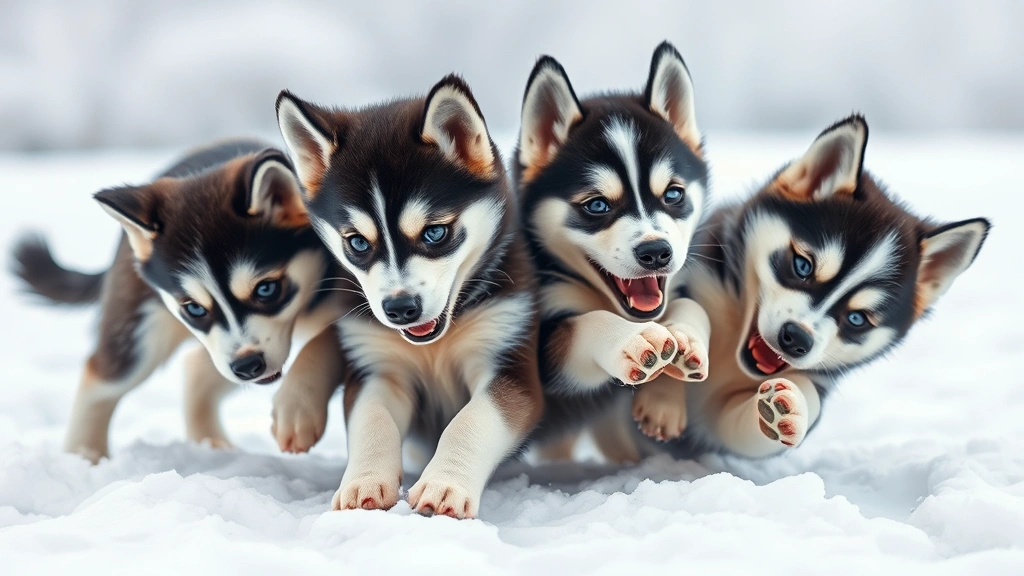
The Paws: If you’ve ever noticed that baby husky paws seem comically oversized, you’re onto something real. Puppies are born with paws that are proportionally larger than their eventual adult paws relative to body size. This creates the illusion of clumsiness and vulnerability, which triggers our protective instincts. Plus, those big paws hint at the impressive size these dogs will eventually reach, but for now, they’re just adorably clumsy.
Body Proportions: Baby huskies have shorter legs relative to their body length compared to adult huskies. This gives them a stockier, more compact appearance that reads as vulnerable and in need of protection. Combined with their soft, fluffy coat, they appear almost impossibly soft and huggable.
When you’re considering getting a baby puppy, understanding these physical traits helps you appreciate why huskies rank among the most photogenic and shareable dog breeds on social media. Their physical structure is literally optimized for human appeal.
Behavioral Traits and Playfulness
Cuteness isn’t just about appearance; behavior plays an equally important role. Baby huskies engage in specific behaviors that enhance their adorability factor and make them irresistible to observe and interact with.
Play Behavior: Husky puppies are remarkably playful, engaging in behaviors like pouncing, wrestling, and chase games. This playfulness signals health and vitality, which makes us feel good about their survival prospects. When a puppy is playing enthusiastically, we interpret that as “this creature is thriving,” which reduces our anxiety about their wellbeing.
Vocalization: Baby huskies are notoriously vocal, producing adorable yips, howls, and whines that sound almost comical coming from such small bodies. This vocalization serves multiple purposes—it communicates needs, establishes pack hierarchy, and frankly, it’s incredibly endearing to human listeners. The high-pitched nature of puppy vocalizations also triggers our nurturing response; we’re biologically programmed to respond to high-pitched sounds as signals of vulnerability or distress.
Curiosity and Clumsiness: Young huskies are endlessly curious about their environment, stumbling through the world with an innocence that we find deeply charming. Their occasional clumsiness—tripping over their own paws, misjudging jumps, getting startled by their own shadows—makes them seem even more vulnerable and in need of guidance.
Social Bonding: Baby huskies are intensely social creatures that seek out interaction and affection. This natural inclination toward bonding creates a feedback loop of cuteness; the more they seek our attention, the more we engage with them, and the more we’re exposed to their adorable behaviors, the more attached we become.
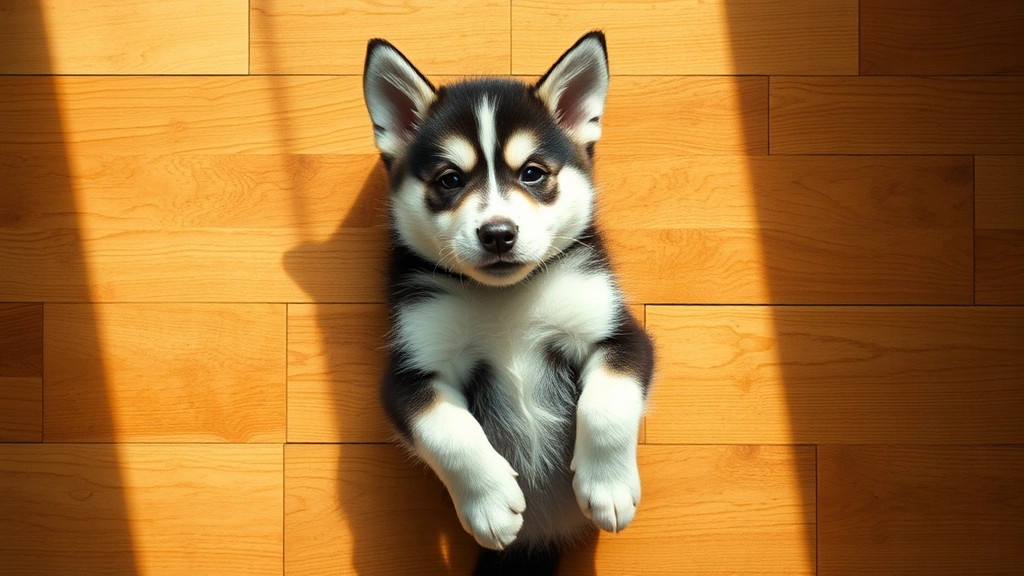
These behavioral traits work in concert with physical characteristics to create an almost overwhelming cuteness package. A baby husky isn’t just cute to look at; it’s cute to interact with, listen to, and spend time around.
The Role of Color and Markings
Baby huskies possess distinctive coloring and facial markings that set them apart from other breeds and contribute significantly to their appeal. These aren’t random patterns; they’re part of the breed’s evolutionary history and selective breeding.
The Facial Mask: The iconic black and white facial markings that many huskies sport create what’s often called a “mask.” This pattern resembles human facial features in a way that makes us anthropomorphize the puppies—we see expressions and emotions in their faces that might not actually be there. This tendency to project human qualities onto animals is called pareidolia, and it’s a powerful driver of cuteness perception.
Eye Patches: Many baby huskies have distinctive eye patches or “eyebrows” that make them appear to have constant expressions of surprise, concern, or amusement. These markings create the illusion of complex emotional states, making us feel like we’re communicating with a creature that understands us.
Coat Color Variety: Baby huskies come in multiple color combinations—black and white, gray and white, red and white, and even all-white or all-black. This variety means there’s a husky puppy aesthetic for nearly every preference, but they all share that fluffy, plush coat texture that makes people want to reach out and touch them.
The Fluffy Factor: The thick double coat of husky puppies makes them appear even larger and more cuddly than they actually are. That fluffiness is functional—it provides insulation for these cold-weather dogs—but it also makes them irresistibly touchable. The soft texture combined with the visual bulk creates an almost irresistible urge to pet and snuggle.
If you’re comparing different breeds, a baby pitbull might have different physical appeal, but huskies’ distinctive markings give them a unique advantage in the cuteness department. Those facial patterns are essentially nature’s way of making these puppies more appealing to humans.
Evolutionary Psychology Behind Cuteness Perception
Why are we so susceptible to cuteness in the first place? The answer lies in evolutionary psychology and our species’ survival strategies. Understanding the “why” behind our attraction to baby huskies reveals something profound about human nature.
Parental Investment and Caregiving: Humans are one of the few species that must invest years of intensive care into offspring to ensure their survival. This extended dependency period created evolutionary pressure for mechanisms that ensure parents remain engaged and protective. Cuteness—both in human infants and in other species’ young—is essentially a biological hack that keeps caregivers motivated and engaged.
Cross-Species Appeal: Research suggests that our cuteness response isn’t limited to human infants; it extends to the young of other species, particularly mammals. This cross-species appeal might have evolved because it encouraged our ancestors to adopt orphaned animals or young animals they encountered, which could provide companionship, warmth, and in some cases, protection. Baby huskies, with their wolf-like heritage, might tap into particularly deep evolutionary programming related to pack animals and social bonding.
The Oxytocin Connection: When we interact with cute animals, our brains release oxytocin—often called the “bonding hormone.” This is the same hormone that bonds mothers to infants and creates social cohesion in groups. Exposure to baby husky cuteness literally changes our brain chemistry, creating feelings of warmth, connection, and the desire to protect and care for the creature. According to research from the American Psychological Association, this oxytocin response is one reason why people find themselves so emotionally attached to pets.
Status and Social Signaling: In modern contexts, owning or sharing photos of an adorable baby husky carries social currency. Humans are deeply social creatures, and displaying attractive, high-status possessions (including pets) signals health, resources, and good taste. This social dimension adds another layer to why we’re so drawn to baby huskies—they’re not just cute, they’re also status symbols in our social hierarchies.
The evolutionary perspective helps us understand that our attraction to baby huskies isn’t frivolous or silly; it’s a deeply embedded aspect of our biology that served important functions for our ancestors and continues to influence our behavior today.
Husky Puppies vs. Other Breeds
While many dog breeds have adorable puppies, baby huskies occupy a special place in the cuteness hierarchy. Let’s examine what sets them apart from other popular breeds.
Compared to a baby boy human (yes, this is a stretch, but stay with us), huskies have the advantage of remaining in their “cute phase” for months longer than human infants, who rapidly develop beyond the peak cuteness window. Huskies maintain juvenile characteristics well into their first year of life.
vs. Golden Retrievers: While golden retriever puppies are undeniably cute, they lack the striking facial markings and dramatic coloring that make huskies so visually distinctive. Golden puppies are cute in a gentle, approachable way; husky puppies are cute in an exotic, almost otherworldly way.
vs. Bulldogs: Bulldog puppies have their own charm, but their features—the wrinkled face, the stocky build—read as different from the typical “baby schema” that triggers universal cuteness responses. Bulldog puppies are often described as “funny-looking cute” rather than “classically cute.”
vs. Chihuahuas: Chihuahua puppies are tiny and have large eyes, but they often appear fragile in a way that creates anxiety rather than pure adoration. Husky puppies appear robust and healthy while still maintaining juvenile vulnerability.
vs. Other Sled Dog Breeds: Alaskan Malamutes, another sled dog breed, have similar appeal to huskies, but their larger size even as puppies makes them seem less delicate. Baby huskies hit a sweet spot—large enough to seem robust, but small enough to appear vulnerable and in need of care.
The distinctive combination of striking appearance, engaging personality, and extended puppyhood gives baby huskies a competitive advantage in the cuteness arena. They’re not just cute; they’re optimally cute.
The Health and Development Connection
Understanding what makes baby huskies adorable also illuminates important aspects of their health and development. The features we find most charming often correlate with healthy development and good genetics.
Coat Quality as a Health Indicator: That fluffy, thick coat isn’t just aesthetically pleasing; it indicates good nutrition and genetic health. A puppy with a lustrous, full coat is signaling that it’s well-nourished and developing properly. When we find that fluffiness adorable, we’re actually responding to health indicators, even if we’re not consciously aware of it.
Eye Clarity and Brightness: The clear, bright eyes that make baby huskies so striking are signs of good health and proper development. Cloudy or dull eyes would suggest illness or poor nutrition. Our attraction to bright, clear eyes is partially an unconscious assessment of the animal’s health status.
Playfulness as Development Marker: The playful behavior that we find so charming indicates proper neurological development and appropriate socialization. A puppy that’s engaging in play is showing that it’s developing normally and has the confidence to explore and interact with its environment.
Growth Trajectory: Baby huskies maintain their juvenile appearance for an extended period because they’re growing at a steady, healthy rate. Puppies that grow too quickly or too slowly might fail to trigger the same cuteness response, because we unconsciously recognize that something is off developmentally.
According to the American Kennel Club, healthy husky puppies should show consistent growth and development. The features we find most adorable are essentially external markers of internal health and proper development.
When considering whether to bring a baby girl puppy into your home (if we’re thinking in terms of adopting a female husky), understanding this connection between cuteness and health helps you assess whether a puppy is developing properly. The most adorable puppies are often the healthiest ones.
Research from veterinary behaviorists suggests that early socialization during the peak cuteness phase—when puppies are most motivated to bond and learn—is crucial for developing well-adjusted adult dogs. The cuteness we’re so drawn to serves an important developmental function; it encourages us to spend time with puppies during the critical socialization window.
The relationship between cuteness and development works both ways: we find healthy puppies cute, and that cuteness motivates us to provide the care and socialization that supports healthy development. It’s an elegant system that evolution has refined over thousands of years.
Frequently Asked Questions
Why do baby huskies have blue eyes?
Many husky puppies are born with blue eyes due to the presence of the pigment lipochrome in their iris. This coloration is particularly striking in huskies and is one of the breed’s defining characteristics. Not all huskies retain blue eyes into adulthood; some develop brown or amber eyes as they mature. The blue eyes are a direct result of selective breeding for this trait, which has become synonymous with the breed’s identity. According to Vetstreet’s breed information, this eye color is a breed standard that breeders actively maintain.
At what age do baby huskies stop being “cute” and start looking like adults?
Baby huskies typically maintain their most pronounced juvenile features until around 6-12 months of age. By 18-24 months, most huskies have reached their full adult size and appearance. However, huskies retain a youthful, energetic appearance well into adulthood compared to some other breeds. The transition from “baby” to “adult” is gradual rather than sudden, with the most dramatic changes occurring between 6-12 months.
Is the cuteness of baby huskies related to their intelligence?
While cuteness and intelligence aren’t directly linked, huskies are highly intelligent dogs, and their intelligence manifests in behaviors that we find endearing. Their curiosity, playfulness, and social engagement—all behaviors we perceive as cute—are actually expressions of their cognitive abilities. Smart puppies are often more interactive and engaging, which means they display more of the behaviors we find adorable.
Do baby huskies remain cute if they’re not purebred?
Absolutely. Mixed breed puppies with husky heritage often display many of the same physical and behavioral traits that make purebred huskies adorable. The genes responsible for the striking appearance and engaging personality can be present in mixed breeds. In fact, many mixed breed husky puppies are equally or even more adorable than their purebred counterparts.
How does the cuteness of baby huskies affect their adoption and care?
The extreme cuteness of baby huskies can be both a blessing and a curse. On the positive side, their adorability makes them highly adoptable and motivates owners to provide excellent care and socialization. On the negative side, people sometimes adopt huskies based primarily on cuteness without fully understanding the breed’s exercise requirements, independent nature, and high maintenance coat. Many huskies end up in shelters when owners realize the adult dog requires significantly more care than the cute puppy suggested. It’s important to look beyond the cuteness and understand the full commitment required for this breed.
What’s the difference between finding something cute and finding it beautiful?
Cuteness and beauty are related but distinct responses. Cuteness triggers protective and nurturing instincts and is associated with juvenile features and vulnerability. Beauty is often associated with symmetry, proportion, and maturity. A baby husky is definitely cute, but an adult husky in its prime is often described as beautiful. The difference lies in the emotional response: cuteness makes us want to protect and care for something; beauty makes us want to admire it from a distance.