Baby in Pumpkin Photoshoots: A Photographer’s Guide
Capturing a baby in pumpkin themed photoshoots has become one of the most cherished seasonal traditions for families. These adorable autumn portraits create lasting memories and provide parents with beautiful keepsakes to treasure for years to come. Whether you’re a professional photographer looking to expand your portfolio or a parent wanting to capture this special milestone, understanding the nuances of pumpkin patch photography with infants is essential for success.
The combination of a baby’s natural charm and the seasonal warmth of pumpkins creates a magical setting that resonates with families across the country. From tiny newborns nestled among miniature gourds to curious toddlers exploring their first pumpkin patch, these sessions offer endless creative possibilities. This comprehensive guide will walk you through every aspect of creating stunning baby in pumpkin photographs that families will adore.
Table of Contents
- Pre-Session Preparation and Planning
- Safety Considerations for Baby Photography
- Finding the Perfect Pumpkin Patch Location
- Props and Styling for Maximum Impact
- Technical Photography Settings
- Posing Techniques and Baby Comfort
- Post-Processing and Enhancement
- Marketing Your Baby Pumpkin Sessions
- Frequently Asked Questions
Pre-Session Preparation and Planning
Successful pumpkin patch photography begins long before you arrive at the location. Start by communicating clearly with parents about what to expect during the session. Discuss the best times to schedule shoots, typically during golden hour when soft, warm light bathes the scene in flattering tones. Early morning sessions between 7-9 AM or late afternoon sessions between 4-6 PM provide optimal lighting conditions for your baby in pumpkin photos.
Create a detailed shot list that outlines the various poses and scenarios you want to capture. Include close-up portraits, wide shots showing the baby among pumpkins, and detail shots of tiny hands touching gourds. This planning helps you stay organized during the session and ensures you capture all the must-have images families expect. Consider creating mood boards to share with parents so they understand your creative vision and can dress their baby appropriately.
Before the session, review American Academy of Pediatrics safety guidelines for working with infants. Understanding developmental stages helps you anticipate a baby’s needs and limitations. Newborns require different handling than six-month-olds, and toddlers present entirely different challenges. Research your specific subject’s age and developmental milestones to tailor your approach accordingly.
Coordinate with parents regarding their baby’s schedule. The best time for photography is typically when the infant is well-fed, changed, and content. Ask parents to plan the session after the baby’s morning nap or during their happiest time of day. Provide a list of items to bring, including extra diapers, wipes, blankets, and comfort items like pacifiers or favorite toys.
Safety Considerations for Baby Photography
Safety must be your absolute priority when photographing babies in outdoor pumpkin patch settings. Never leave a baby unattended, even for a moment. Always have a parent or guardian present and actively involved in the session. When positioning a baby in pumpkin arrangements, ensure the baby is completely supported and cannot fall or roll into unstable pumpkins.
Check the pumpkin patch environment for potential hazards before bringing the baby into the space. Look for sharp vines, insects, uneven terrain, or toxic plants. Remove any debris, rocks, or items that could injure the baby. Inspect all pumpkins you plan to use, ensuring they’re clean, pesticide-free, and structurally sound enough to safely support a baby’s weight if needed.
Be mindful of temperature and weather conditions. Babies regulate body temperature differently than adults, so dress them appropriately for the season. Even mild autumn weather can feel cold to an infant. Bring blankets not just for styling but for warmth. Have a backup indoor location in case weather becomes unfavorable. Never photograph during extreme heat, cold, wind, or rain that could compromise the baby’s comfort or safety.
Consider using professional posing assistants or beanbags designed specifically for infant photography. These tools provide safe support without relying solely on props or parents to hold the baby. If using pumpkins as props, select smaller varieties and position them carefully to prevent any risk of the baby becoming trapped or injured. Always keep parents in arm’s reach of their baby during the shoot.
Protect the baby’s skin from sun exposure. Apply baby-safe sunscreen before the session and use a pop-up shade or have parents hold a reflector to shield the baby from direct rays. Avoid photographing during peak sun hours when UV rays are strongest. Monitor the baby continuously for signs of discomfort, hunger, or fatigue, and pause the session if needed.
Finding the Perfect Pumpkin Patch Location
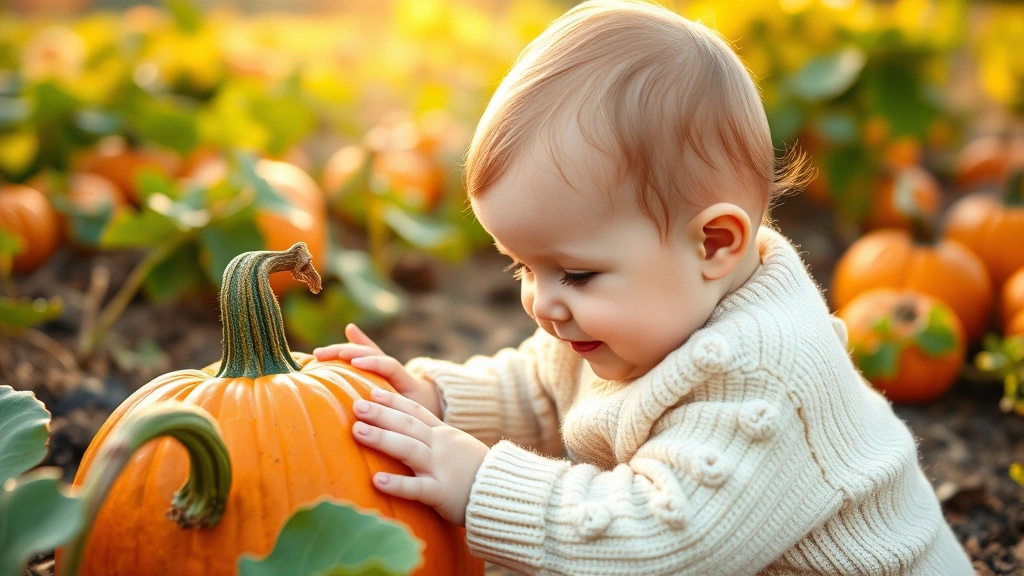
Selecting the right location is crucial for creating stunning baby in pumpkin photographs. Scout potential pumpkin patches during the weeks before your planned shoot dates. Look for patches with visually interesting backgrounds, good natural lighting, and safe, clean environments suitable for babies. Evaluate the variety and color of pumpkins available—patches with diverse sizes and hues offer more creative possibilities than those with uniform pumpkins.
Visit locations at different times of day to assess lighting conditions. Early morning often provides the softest, most flattering light with minimal harsh shadows. Late afternoon creates warm, golden tones that complement autumn themes beautifully. Observe how light moves across the patch throughout the day to identify the best shooting times and angles.
Establish relationships with pumpkin patch owners or managers. Many locations appreciate photographers bringing business and may offer discounts or exclusive access during slower hours. Some patches even provide designated photography areas that are particularly photogenic. Building these relationships helps ensure you have reliable, beautiful locations for multiple seasons.
Consider less obvious locations beyond traditional pumpkin patches. Farmers markets, garden centers, apple orchards, and even private gardens often have seasonal pumpkin displays. These alternative venues may offer unique backdrops, fewer crowds, and more flexibility for positioning your baby in pumpkin setups. Always obtain permission before photographing on private property.
Evaluate accessibility for parents and babies. Ensure the location has adequate parking, clean facilities, and areas where parents can comfortably wait if needed. Paths should be stroller-friendly, and there should be shaded areas for breaks. These practical considerations affect the overall experience and help parents feel comfortable during the session.
Props and Styling for Maximum Impact
Props elevate your pumpkin patch photography from simple snapshots to gallery-worthy images. Beyond the obvious pumpkins, incorporate seasonal elements like fall leaves, hay bales, wooden crates, and autumn-themed blankets. Vintage baskets, wooden signs, and rustic elements complement the pumpkin aesthetic beautifully. Consider themed props like tiny scarecrows, autumn wreaths, or seasonal toys that match the baby’s age and interests.
Clothing choices significantly impact the overall composition of your images. Recommend that parents dress their babies in warm autumn tones—burnt orange, rust, cream, burgundy, and chocolate brown work beautifully against pumpkin backgrounds. Suggest simple, classic clothing that won’t distract from the baby’s face and the pumpkins. Avoid busy patterns that create visual clutter. Cozy sweaters, knit hats, and autumn-themed outfits enhance the seasonal feel.
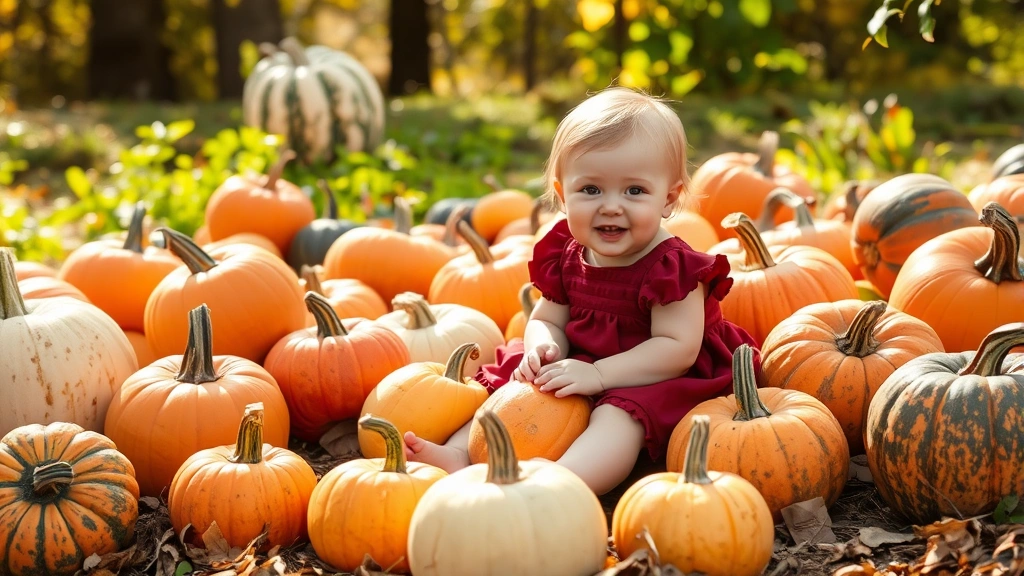
Create variety in your shots by using different pumpkin sizes and arrangements. Position some pumpkins around the baby to frame the composition, use others as props for the baby to interact with, and leave some shots with minimal pumpkins to showcase the baby’s expressions. This variety keeps your gallery visually interesting and gives families multiple options for their favorites.
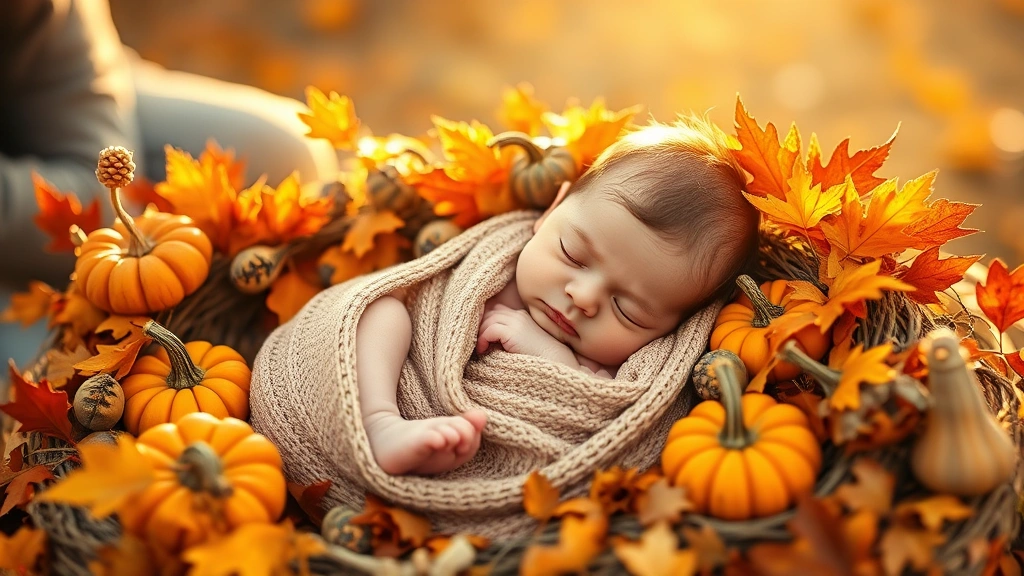
Consider creating themed setups that tell a story. A pumpkin carriage scene, a harvest basket display, or a cozy fall nest arrangement gives each photo a narrative quality. These thematic approaches create emotional connections and make images more memorable. Parents often choose their favorite story-based photos as their top picks.
Don’t overlook the power of simple, minimal setups. Sometimes a single beautiful pumpkin with a baby in autumn clothing against a soft, blurred background creates the most striking image. Balance your elaborate props with clean, minimalist shots that emphasize the baby’s beauty and genuine emotions.
Technical Photography Settings
Master your camera settings to consistently capture sharp, beautifully exposed images of babies among pumpkins. Start with a wide aperture between f/1.8 and f/2.8 to create lovely background blur that makes the baby stand out from the pumpkin patch environment. This shallow depth of field draws viewers’ eyes directly to the baby’s face and expressions.
Use a fast shutter speed of at least 1/500th of a second to freeze any baby movement. Infants and toddlers rarely stay completely still, so faster shutter speeds prevent motion blur. If you’re photographing in lower light conditions during golden hour, increase your ISO rather than slowing your shutter speed, which risks blurry images.
Set your white balance for warm tones that enhance the autumn aesthetic. Shoot in RAW format to maximize your post-processing flexibility. RAW files allow you to adjust exposure, color temperature, and shadows without losing image quality. This is particularly valuable when dealing with the variable lighting of outdoor pumpkin patches.
Focus on the baby’s eyes using single-point autofocus or eye-tracking technology if your camera offers it. Sharp eyes are essential for compelling portraits, especially of babies where their gaze and expression carry so much emotion. Take multiple shots of each pose to ensure you capture at least one with perfect eye focus.
Consider shooting in aperture priority mode, which allows you to control depth of field while the camera automatically adjusts shutter speed based on available light. This hybrid approach gives you creative control while adapting to changing lighting conditions as clouds pass or you move to different areas of the pumpkin patch.
Use exposure compensation to ensure proper exposure for the baby’s skin tones. Bright pumpkins and reflective surfaces can fool your camera’s meter, resulting in underexposed images of the baby. Meter on the baby’s face and adjust as needed to maintain proper exposure.
Posing Techniques and Baby Comfort
Successful posing begins with understanding that babies have limited control and patience. Rather than forcing poses, work with the baby’s natural movements and expressions. Allow parents to interact with their baby, which often produces the most genuine, beautiful moments. Capture candid expressions as the baby explores pumpkins or reacts to the environment.
For newborns, work closely with parents to find comfortable, safe positions. Newborns can be positioned in baskets with pumpkins arranged around them, or held by parents with pumpkins in the background. Never force a newborn into uncomfortable positions, as this causes distress and shows in photos. Let the baby’s natural sleepiness work in your favor, creating peaceful, angelic images.
With babies around three to six months old, use beanbags or posing aids designed for infant photography. Position pumpkins carefully around the baby for framing without creating safety hazards. These babies are beginning to track movement, so use toys or sounds to capture their attention and expressions.
Older babies and toddlers offer more interactive posing possibilities. Encourage them to sit among pumpkins, touch and explore gourds, or interact with parents in the pumpkin patch setting. Capture genuine play and exploration rather than forced smiles. These candid moments often become family favorites because they authentically represent the baby’s personality and the joy of the experience.
Position yourself at the baby’s eye level whenever possible. Shooting from above creates unflattering angles and diminishes the baby’s presence in the frame. Get down low to capture the baby’s perspective and create more intimate, engaging images.
Take advantage of different angles and compositions. Shoot straight-on for direct eye contact, profile shots to showcase baby features, and overhead shots for unique perspectives. Vary your framing between tight portraits and wider environmental shots that show the baby within the pumpkin patch context.
Pay attention to the baby’s energy levels and mood. If the baby becomes fussy or tired, take a break. Continuing to push for photos when the baby is uncomfortable results in poor images and negative memories for the family. Short, frequent shooting sessions with breaks produce better results than marathon sessions that exhaust the baby.
Post-Processing and Enhancement
Post-processing transforms good images into gallery-quality photographs that families treasure. Start by selecting your best images from the session, looking for sharp focus on the baby’s eyes, flattering expressions, and well-composed frames. Eliminate images with distracting backgrounds, unflattering angles, or technical issues.
Adjust exposure and white balance to ensure accurate, flattering skin tones. Autumn lighting often creates warm casts, which can be beautiful but should be carefully controlled. Add warmth to enhance the seasonal feel without making skin tones look orange or unnatural. Use targeted adjustments to brighten the baby’s face while maintaining proper exposure throughout the image.
Enhance colors to make pumpkins pop while keeping the overall image natural-looking. Increase saturation slightly on orange and yellow tones to make pumpkins more vibrant. Boost greens in foliage and background elements. These subtle adjustments make the seasonal aesthetic more compelling without appearing over-processed.
Use clarity and texture adjustments to add dimension to the image. Slightly increase clarity on the baby’s face to enhance detail and expression, but avoid excessive clarity that creates harsh, unflattering results. Be particularly cautious with babies’ delicate skin—oversharpening emphasizes skin texture and blemishes unflatteringly.
Perform gentle skin retouching to remove temporary blemishes, diaper rash, or minor skin irritations while maintaining natural appearance. Avoid excessive smoothing that makes the baby look plastic or unreal. Preserve natural skin texture and character while enhancing the baby’s best features.
Crop images thoughtfully to improve composition and eliminate distracting elements. Sometimes removing extra pumpkin patch background creates a more focused, powerful portrait. Other times, environmental context adds valuable storytelling elements.
Create several versions of your best images with different crops, color treatments, and processing styles. Some families prefer warm, saturated autumn tones while others prefer softer, more muted palettes. Offering options gives families choices and increases satisfaction with their final images.
Marketing Your Baby Pumpkin Sessions
Promote your baby in pumpkin photography through your website, social media, and email marketing during autumn months. Create dedicated landing pages showcasing your pumpkin patch portfolio with stunning before-and-after examples. Include testimonials from satisfied families who’ve invested in these special sessions.
Launch seasonal marketing campaigns in late August and September when families begin thinking about fall activities and holiday card photos. Offer early-bird discounts for bookings made before a certain date, creating urgency and encouraging advance planning. Consider package deals that include digital files, prints, and canvas options.
Share behind-the-scenes content on social media showing your preparation process, location scouting, and session day moments. This authentic content builds connection with potential clients and demonstrates your professionalism and passion for baby photography. Feature client testimonials and family reactions to their finished photos.
Collaborate with parenting blogs and family resources to expand your reach. Guest post about pumpkin patch photography tips, seasonal family traditions, or baby milestone photography. These collaborations position you as an expert and drive traffic to your portfolio.
Create educational content about pumpkin patch photography that attracts parents planning their own sessions. Blog posts, video tutorials, and downloadable guides establish your authority and improve your search engine visibility. Parents searching for baby in pumpkin photography tips may discover your services while seeking information.
Partner with local pumpkin patches for mutual promotion. Offer them promotional images for their marketing, and they can recommend you to families visiting their location. These partnerships create win-win relationships that benefit everyone involved.
Build an email list of past clients and interested families. Send monthly newsletters featuring seasonal photography ideas, tips for preparing babies for photo sessions, and updates about your availability. Regular communication keeps you top-of-mind when families are ready to book.
Invest in professional portfolio pieces by offering discounted sessions to friends and family in exchange for testimonials and permission to use images in marketing. High-quality portfolio examples directly correlate to booking more sessions at premium rates.
Frequently Asked Questions
What age is best for baby pumpkin photography?
Babies of any age can be beautifully photographed with pumpkins, but the experience differs by developmental stage. Newborns create peaceful, serene images, while older babies and toddlers offer more interactive, playful opportunities. Many families choose to do pumpkin sessions annually, capturing their growing child’s personality changes year to year.
How long should a pumpkin patch photo session last?
Plan sessions for 30-45 minutes maximum for babies under one year old. Younger babies tire quickly and become fussy if sessions run too long. Older toddlers might tolerate 45-60 minutes. Multiple shorter sessions produce better results than one exhausting marathon shoot.
What should babies wear for pumpkin patch photography?
Dress babies in warm autumn colors like burnt orange, rust, cream, or burgundy that complement pumpkins. Cozy sweaters, knit hats, and layered outfits enhance the seasonal aesthetic. Avoid busy patterns that distract from the baby’s face. Choose comfortable clothing that allows easy diaper changes and movement.
Can I photograph my own baby for a pumpkin patch session?
Absolutely! Parents can create beautiful pumpkin patch photos with their own cameras or phones. Use tripods and remote triggers to include yourself in family photos. Focus on capturing genuine moments and interactions rather than perfect poses. Consider hiring a professional for more polished results.
How do I ensure baby safety during outdoor pumpkin patch photography?
Always supervise the baby closely and keep parents within arm’s reach. Inspect the patch for hazards like sharp vines or uneven terrain. Use clean pumpkins and ensure any props are safe. Dress the baby appropriately for weather, apply sunscreen, and provide shade. Take breaks if the baby shows signs of discomfort.
What’s the best time of year for baby pumpkin photography?
Late September through October offers peak pumpkin availability and autumn aesthetics. However, many patches have pumpkins available from August through November. Early September sessions capture fresh, vibrant pumpkins before they’re picked over. Later sessions in October offer more variety as families have picked their choices.
Should I use real pumpkins or props?
Real pumpkins create authentic, beautiful autumn photography with genuine seasonal charm. However, you can also use artificial pumpkins that are lighter, easier to position, and reusable. Many photographers use a combination—real pumpkins for authenticity and artificial ones for safety and positioning flexibility.
How much should I charge for baby pumpkin photography sessions?
Pricing depends on your experience, location, and what’s included. Entry-level photographers might charge $150-300 for a session, while experienced professionals charge $400-1000+. Consider what’s included—digital files, prints, albums, or just digital gallery access. Research local market rates and position yourself accordingly.