Best Baby Jackets: Top Picks for New Parents
Choosing the right baby jacket is one of those essential parenting decisions that can feel surprisingly overwhelming. Between seasons, growth spurts, and weather unpredictability, finding a jacket that keeps your little one comfortable, safe, and stylish requires some thoughtful consideration. Whether you’re preparing for your first winter or adding to your growing collection, understanding what makes a quality baby jacket will help you make confident choices.
As a parent, you want more than just any jacket—you need something that protects your baby from the elements while allowing freedom of movement, doesn’t restrict car seat safety, and can actually withstand the rigors of daily wear. This guide walks you through everything you need to know about selecting the perfect baby jacket for your child, from material considerations to style options that work for both boys and girls.
We’ve researched dozens of options and consulted parenting experts to bring you the most reliable recommendations. Let’s explore how to find a jacket that your baby will actually keep on and that you’ll feel confident using day after day.
Table of Contents
- Why a Quality Baby Jacket Matters
- Safety Considerations for Baby Jackets
- Materials and Fabric Guide
- Seasonal Jacket Options
- Proper Fit and Sizing
- Our Top Baby Jacket Picks
- Care and Maintenance Tips
- Frequently Asked Questions
Why a Quality Baby Jacket Matters
Your baby’s ability to regulate body temperature is still developing, making appropriate outerwear essential for their health and comfort. A well-chosen baby jacket does more than keep your child warm—it provides a foundation for safe outdoor adventures and helps establish healthy habits around weather-appropriate dressing.
According to the American Academy of Pediatrics, babies should be dressed in one more layer than adults in similar conditions. This means selecting a jacket that provides reliable insulation without overheating becomes critical for preventing both chilling and hyperthermia.
Quality baby jackets also offer practical benefits for parents. Durable construction means your jacket survives multiple children, seasonal storage, and countless outdoor outings. Features like reinforced seams, quality zippers, and thoughtful design elements make daily dressing easier and safer for your little one.
Beyond physical protection, the right jacket builds confidence in both parent and child. When you know your baby is appropriately dressed for the weather, you can focus on enjoying time outdoors rather than worrying about their comfort or safety.
Safety Considerations for Baby Jackets
Safety must be your primary concern when selecting any baby clothing item, especially outerwear. Several key safety factors should guide your baby jacket selection process.
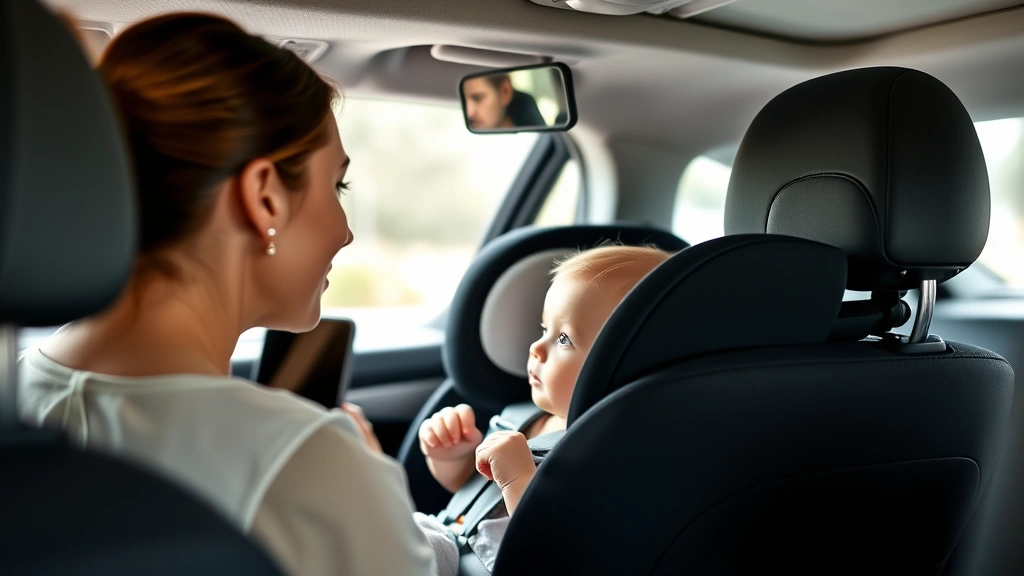
Car Seat Compatibility stands as the most critical safety consideration. Bulky jackets worn inside car seats can compress during impact, reducing the effectiveness of harness straps and potentially causing serious injury. The National Highway Traffic Safety Administration recommends removing bulky jackets before securing your child in the car seat, then placing the jacket over the harness after fastening. This means choosing jackets that can be easily removed and reapplied is essential for safety-conscious parents.
Choking Hazards require careful attention. Avoid jackets with loose buttons, detachable decorations, or small embellishments that could pose choking risks. Check that all seams are secure and no small parts can be easily pulled free. Look for jackets with reinforced buttons and secure stitching throughout.
Temperature Regulation matters significantly for infant health. Overheating poses real risks, particularly for newborns and young babies. Choose jackets that allow for layering flexibility so you can adjust your baby’s temperature appropriately. Materials that breathe well help prevent excessive heat buildup while still providing necessary warmth.
Visibility and Reflectivity become important as your baby grows and spends more time outdoors. Jackets with reflective elements help ensure your child remains visible to others, particularly during early morning walks or evening outings during darker months.

Materials and Fabric Guide
Understanding different jacket materials helps you make informed decisions about durability, maintenance, and performance. Each material type offers distinct advantages and considerations for baby wear.
Fleece Jackets remain popular for mild weather and transitional seasons. Fleece is soft, lightweight, and easy to care for, making it practical for daily wear. The material breathes reasonably well while providing adequate warmth for cool days. Fleece jackets are also budget-friendly and often available in adorable colors and patterns. However, fleece doesn’t perform well in wet conditions and can pill with repeated washing. These jackets work best as mid-layer options or for dry weather use.
Wool Blends offer superior insulation and natural temperature regulation. Quality wool keeps babies warm even when damp, a significant advantage during unpredictable weather. Merino wool, in particular, provides softness without the itchiness associated with traditional wool. The downside is higher cost and more delicate care requirements. Woolmark-certified products ensure quality standards and sustainable practices.
Synthetic Insulation jackets provide excellent warmth-to-weight ratio and water resistance. These jackets perform well in various weather conditions and are typically easy to clean. Synthetic materials dry quickly and maintain their shape through repeated washing. Many modern baby jackets use advanced synthetic insulation that rivals down performance at more affordable prices.
Down and Down Blends offer premium warmth and compressibility. Down jackets are incredibly lightweight while providing exceptional insulation. However, they require careful handling, can be expensive, and may not be suitable for very young babies or those with allergies. Down jackets also lose effectiveness when wet, requiring protection from moisture.
Waterproof and Water-Resistant Options become essential for rainy climates or families who spend significant time outdoors. Look for jackets with sealed seams and quality water-resistant coatings. These jackets often feature breathable membranes that allow moisture vapor to escape while blocking liquid water. Waterproof options are slightly heavier but provide invaluable protection during wet weather.
Seasonal Jacket Options
Different seasons call for different jacket characteristics. Understanding seasonal needs helps you build a versatile wardrobe that keeps your baby comfortable year-round.
Spring and Fall Jackets are your workhorse pieces. These transitional jackets should provide moderate warmth without excessive bulk. Lightweight fleece, cotton blends, and thin synthetic insulation work well for mild weather. Choose jackets that layer easily over long-sleeved shirts and can be removed quickly as temperatures fluctuate throughout the day. Parents often find that having multiple spring/fall jackets allows for easier laundry rotation.
Winter Jackets require serious insulation and weather protection. These heavier options should feature quality insulation, water-resistant or waterproof shells, and design elements that protect vulnerable areas like the neck and wrists. Look for jackets with adjustable hoods that fit securely without restricting vision. Mittens attached via clips prevent loss during outdoor play. When shopping for winter jackets, consider your climate’s typical conditions—a jacket suitable for mild winters differs significantly from one needed for harsh, snowy regions.
Summer Layers might seem counterintuitive, but many babies need light jackets for air-conditioned indoor spaces or cool mornings. Lightweight cotton or linen jackets provide sun protection and temperature regulation without overheating. UV-protective fabrics offer additional benefits for babies spending time in the sun.
Proper Fit and Sizing
Correct sizing ensures your baby jacket functions properly while allowing room for growth and layering. Many new parents underestimate how quickly babies grow, leading to frequent purchases. Understanding sizing helps you maximize your investment.
Measuring Your Baby properly starts with using a soft measuring tape. Measure from the base of your baby’s neck to their wrist for sleeve length, across the shoulders for chest width, and from the collar to the desired jacket length. Compare these measurements to size charts provided by manufacturers. Remember that different brands size differently, so always reference specific product measurements rather than assuming sizes are consistent.
Room for Growth is essential for baby clothing. Your jacket should allow approximately one to two inches of growth room at the wrists and length. However, avoid excessive oversizing, which restricts movement and creates safety hazards. A jacket that’s too large can bunch up uncomfortably or create gaps where cold air enters.
Layering Considerations affect how you should size jackets. If you plan to wear your jacket over multiple layers, size up slightly to accommodate bulk without restricting movement. Conversely, if your jacket will be worn as a standalone piece, standard sizing works better.
Arm Mobility is critical for baby safety and development. Your baby should be able to move their arms freely without restriction. Tight sleeves limit movement and can cause discomfort, while overly long sleeves create tripping hazards as your baby grows and becomes more mobile.
Most babies transition through sizes quickly—expect to move up sizes every three to six months depending on your individual child’s growth rate. Some families find that investing in quality jackets that can be passed to younger siblings or cousins makes financial sense.

Our Top Baby Jacket Picks
After extensive research and parent feedback, we’ve identified several excellent baby jacket options across different price points and use cases. These picks balance quality, safety, functionality, and value.
Best Overall: Premium Insulated Jacket combines superior insulation with thoughtful design features. Quality synthetic insulation provides warmth without bulk, while water-resistant shells protect against light moisture. Reinforced seams ensure durability through multiple seasons. The design includes reflective elements, secure closures, and a fit that accommodates layering. Parents consistently report satisfaction with longevity and performance.
Best Budget Option: Fleece Jacket offers excellent value for families watching expenses. Soft fleece provides adequate warmth for mild weather, and easy care makes maintenance simple. These jackets work perfectly as mid-layer pieces or for transitional seasons. The affordable price point means you can purchase multiple colors and styles without significant financial commitment.
Best for Active Babies: Durable Outdoor Jacket features reinforced construction designed to withstand active play. Water-resistant materials protect against moisture, while breathable linings prevent overheating during active movement. Secure closures and thoughtful pocket placement make this jacket practical for families who spend significant time outdoors. Many parents appreciate the durability that allows passing to younger siblings.
Best for Cold Climates: Heavyweight Winter Jacket provides serious insulation for harsh winter conditions. Premium down or synthetic insulation traps warmth effectively, while protective shells block wind and moisture. Extended coverage protects the neck and wrists, and adjustable hoods fit securely. These jackets represent an investment but prove invaluable in snowy regions.
For both baby boy clothes and baby girl clothes, these top picks are available in multiple colors and styles to suit your preferences. Consider your climate, lifestyle, and budget when selecting from these excellent options.
Care and Maintenance Tips
Proper care extends your jacket’s lifespan significantly. Following manufacturer recommendations ensures your investment remains functional and safe for years.
Washing Instructions vary by material type. Always check the care label before washing. Most synthetic jackets tolerate machine washing in cold water with gentle detergent. Fleece jackets usually wash well but should be air-dried to prevent damage. Wool requires hand washing or delicate machine cycles. Down jackets need special care to maintain loft and insulation properties.
Stain Removal works best when addressed promptly. Treat stains before washing by gently rubbing with a soft cloth and mild soap solution. For tough stains, let the solution sit briefly before rinsing thoroughly. Avoid harsh chemicals that might damage fabrics or irritate your baby’s skin.
Drying Methods significantly impact jacket longevity. Air drying is gentlest on fabrics and insulation. If machine drying is necessary, use low heat settings. Remove jackets promptly to prevent wrinkles and moisture retention. Proper drying prevents mildew growth and maintains material integrity.
Storage Considerations help preserve your jacket during off-season months. Clean jackets thoroughly before storing. Store in a cool, dry location away from direct sunlight. Use breathable storage bags rather than plastic to prevent moisture accumulation. Ensure stored jackets remain protected from pests and dust.
Regular Inspections catch damage early. Check seams, zippers, and buttons periodically for wear. Address loose stitching promptly to prevent further damage. Replace broken zippers or buttons before they become safety hazards. Regular inspections ensure your jacket remains safe and functional.
Frequently Asked Questions
What’s the difference between a baby jacket and a regular coat?
Baby jackets are specifically designed with infant proportions, safety features, and movement considerations. They typically feature shorter sleeves, smaller armholes, and secure closures appropriate for tiny fingers. Regular children’s coats may not fit properly or include necessary safety features for babies.
How do I know if my baby is too hot or cold?
Check your baby’s neck and upper back—these areas should feel warm but not hot or sweaty. Cold babies may seem fussy or have cool extremities. Avoid checking hands and feet alone, as these naturally run cooler. If your baby seems uncomfortable, adjust layers accordingly.
Can I use a baby jacket in a car seat?
Remove bulky jackets before securing your baby in the car seat. Place the jacket over the harness after fastening for safety. This ensures harness straps fit snugly enough to protect your baby during sudden stops or accidents.
How many baby jackets do I actually need?
Most families benefit from having three to four jackets: one for current season use, one in the wash, one for backup, and potentially one for the next season. This allows flexibility while managing laundry cycles. Your specific needs depend on your climate and lifestyle.
Are expensive baby jackets worth the cost?
Quality jackets often justify higher prices through superior durability, better insulation, and longevity. Jackets that survive multiple children or seasons provide better value than cheaper options requiring frequent replacement. However, excellent options exist at various price points.
What should I look for in a water-resistant jacket?
Check for sealed seams, quality water-resistant coatings, and breathable linings. Jackets should repel moisture while allowing vapor to escape, preventing interior moisture accumulation. Test water resistance before purchasing if possible.
Building your baby’s jacket collection thoughtfully ensures you’re prepared for any weather while prioritizing safety and comfort. Whether you’re adding to your baby registry checklist or updating an existing wardrobe, these guidelines help you make confident choices. For additional parenting insights, explore our comprehensive parenting advice guide, and visit our Parent Path Daily Blog for more helpful resources. Consider checking CDC guidelines on fabric safety for additional peace of mind. Happy jacket hunting!