Baby Keepsake Box: What Should You Include?
Creating a baby keepsake box is one of the most meaningful ways to preserve the precious memories of your child’s early years. These carefully curated collections capture moments that grow increasingly precious as time passes, transforming everyday items into treasured mementos that your child will cherish for a lifetime. Whether you’re a first-time parent or adding to your family, starting a keepsake box early ensures you don’t miss those fleeting milestones and special moments.
A well-organized baby keepsake box tells the story of your child’s first year and beyond. It’s more than just a storage container—it’s a time capsule filled with tangible reminders of who your baby was at different stages of development. From hospital bracelets to first artwork, each item holds emotional significance and creates a bridge between your child’s infancy and their future self. The beauty of this project is that it requires no special skills, just intentionality and love.
This comprehensive guide will help you decide exactly what to include in your baby keepsake box, how to organize it, and how to preserve these memories for generations to come. We’ll explore both sentimental and practical items, storage solutions, and creative ways to make your keepsake box truly special.
Table of Contents
- Essential Items for Your Baby Keepsake Box
- Sentimental Keepsakes Worth Preserving
- Milestone Markers and Memories
- Organization and Storage Tips
- Preservation Best Practices
- Frequently Asked Questions
Essential Items for Your Baby Keepsake Box
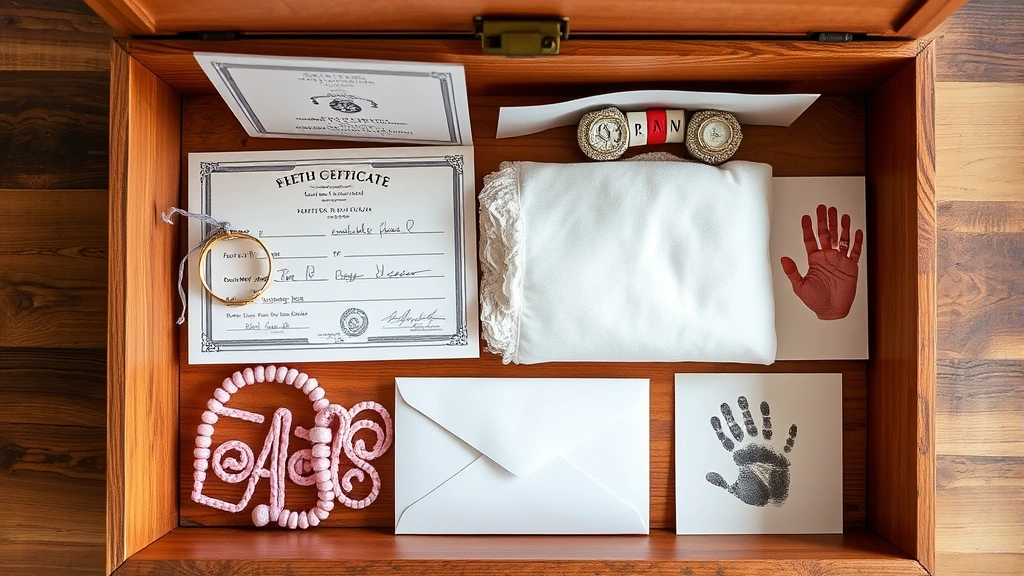
When you bring your baby home from the hospital, you’re often given several items that make perfect keepsake box additions. The hospital bracelet—both yours and your baby’s—should be among the first things you place in your keepsake box. These simple plastic bands represent the official beginning of your child’s life and are instantly recognizable decades later. Many parents also save the hospital wristband with their baby’s name, weight, and birth time.
The birth certificate or a certified copy serves as an important legal document and keepsake. Consider also saving an official hospital birth announcement or the card that announced your baby’s arrival to family and friends. These printed materials capture the exact moment you became parents and the joy you felt sharing that news.
Your baby’s first outfit deserves a special place in the keepsake box. Whether it’s a tiny newborn gown, a precious baby boy outfit with matching accessories, or an adorable baby girl dress, this small piece of clothing will amaze you with how tiny it actually was. Many parents choose to preserve the outfit in acid-free tissue paper to prevent yellowing and deterioration.
The umbilical cord clamp is another quintessential keepsake that parents often overlook. This small plastic or metal clamp represents the physical connection between mother and baby and makes a meaningful addition. Similarly, if your baby had any special medical items like a feeding tube identification tag or a name bracelet from the nursery, these tell important stories about their early care.
Consider saving the hospital discharge papers, including the pediatrician’s notes and any special instructions. These documents provide context about your baby’s health at birth and serve as a medical record of their earliest days. Parents often find these details fascinating when reviewing them years later.
Sentimental Keepsakes Worth Preserving
Beyond hospital items, countless sentimental pieces belong in your baby keepsake box. A lock of your baby’s first hair, carefully preserved in an envelope or small plastic bag with the date noted, captures a tangible memory of their appearance during infancy. Many parents find this one of the most touching items to rediscover years later, especially as their child’s hair color or texture changes.
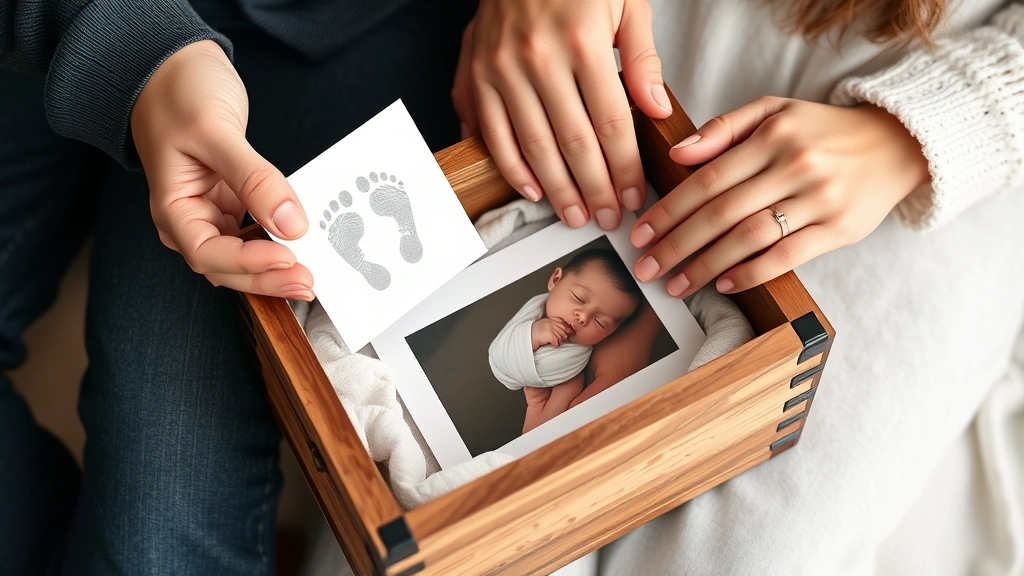
Your baby’s first photo should absolutely be included—ideally several prints in addition to digital backups. Choose a variety that shows different angles, expressions, and moments: your baby in your arms, with both parents, with siblings, and alone. These photographs become increasingly precious as your child grows and changes.
Handprints and footprints made with non-toxic ink create beautiful, personalized keepsakes. Many hospitals provide these during the newborn screening process, but you can also create them at home using safe baby ink pads. Frame them, laminate them, or simply preserve them flat in your keepsake box with the date clearly marked.
Written memories matter tremendously. Consider writing a letter to your baby describing the day they were born, how you felt, what the weather was like, and your hopes for their future. You might also include a letter from siblings, grandparents, or close friends sharing their first impressions and feelings about the baby’s arrival. These written words become treasured reading material when your child is older.
Save special greeting cards and announcements you received after your baby’s birth. These cards from friends and family capture the community’s joy in welcoming your child and often include handwritten messages full of love and encouragement. They provide a snapshot of your support system during this transformative time.
Your baby’s first medical records, including the Apgar score documentation, birth weight measurements, and length records, document their physical development from the very beginning. These clinical details become surprisingly sentimental when you’re reminiscing about your child’s early days.
Milestone Markers and Memories
As your baby grows, continue adding to your keepsake box to capture important milestones and developmental achievements. Your baby’s first smile photo, first laugh recording (if you can save it), or video clip of their first word adds depth to the collection. These moments happen so quickly that capturing them ensures you won’t forget these precious developments.
Save small clothing items from each major size progression. A newborn onesie, a 3-month outfit, a 6-month romper, and a 12-month shirt demonstrate the incredible growth that happens during the first year. Parents are often shocked at how tiny their baby actually was when they see these clothes years later.
Tickets from special outings—your baby’s first trip to the zoo, their first movie, their first restaurant visit—create a timeline of adventures and new experiences. Paired with a photo and a brief note about what happened, these tickets tell stories of family bonding and exploration.
Your baby’s first artwork, even if it’s just random scribbles, deserves preservation. Date these pieces and include them in your keepsake box. When your child is older, they’ll find it hilarious and touching to see evidence of their earliest creative attempts.
Holiday keepsakes add seasonal memories to your collection. Your baby’s first Christmas ornament, a New Year’s photo, or a Halloween costume picture captures how you celebrated important occasions with your little one. These items help your child understand how they were part of your family traditions from the very beginning.
Consider including a page from the pediatrician’s growth chart showing your baby’s percentiles and measurements at key checkups. You might also save vaccination records and any special achievement certificates from your pediatrician’s office, such as awards for successful breastfeeding or reaching developmental milestones.
Organization and Storage Tips
Choosing the right container for your baby keepsake box is crucial for preservation. Look for acid-free, lignin-free boxes specifically designed for archival storage. These prevent chemical deterioration that can yellow, fade, or damage precious items. Avoid regular cardboard boxes, plastic containers exposed to temperature fluctuations, or anything with adhesive that might damage delicate items.
Organize your keepsake box chronologically, starting with hospital items at the bottom and adding newer memories as they accumulate. This natural timeline makes it easy to locate specific memories and tells your baby’s story in order. Alternatively, you might organize by category: hospital items, photos, documents, clothing, and artwork.
Use acid-free tissue paper, archival folders, and protective sleeves to separate and protect different items. Never use regular plastic bags or rubber bands, which can degrade materials over time. Label everything with dates using acid-free pen or permanent marker to ensure information isn’t lost.
Consider creating a detailed inventory of keepsake box contents. This list helps you remember what you’ve included and makes it easier to show your child specific memories without handling fragile original items. You might also include a brief note explaining the significance of certain items that might not be obvious years later.
Store your baby keepsake box in a cool, dry location away from direct sunlight, moisture, and extreme temperature changes. A closet shelf, under-bed storage container, or dedicated cabinet works well. Avoid attics or basements where humidity and temperature fluctuations can damage contents. Keep the box in a safe place where it won’t be accidentally damaged or discarded.
For families planning to preserve their best baby shower gifts or items from your baby registry checklist, consider designating a specific section of your keepsake box for these special items. This helps you remember which gifts held particular meaning and why.
Preservation Best Practices
Proper preservation ensures your baby keepsake box remains in excellent condition for decades. Before placing items in your keepsake box, ensure everything is clean and completely dry. Any moisture can lead to mold growth and deterioration. Gently clean delicate items with soft, dry cloths rather than water-based methods.
Make digital backups of all important documents and photos before placing originals in your keepsake box. Scan birth certificates, hospital records, and photographs at high resolution. Store these digital files securely in cloud storage or external hard drives as backup insurance against loss or damage to physical items.
Avoid using adhesives, tape, or glue that might damage items. Instead, use acid-free mounting corners or sleeves that allow items to be removed without harm. If you’re creating a scrapbook or memory book alongside your keepsake box, use only archival-quality materials and adhesives designed for long-term preservation.
Protect photographs with UV-protective sleeves or archival boxes that block harmful light exposure. Never display original baby photos in direct sunlight or bright areas where fading occurs. If you want to display photos, use high-quality reproductions while keeping originals safely stored.
For clothing items, ensure they’re completely clean and dry before storage. Store delicate fabrics in acid-free tissue paper rather than plastic, which can trap moisture and cause mildew. Periodically check stored clothing for signs of deterioration or insect damage, especially if stored in less-controlled environments.
Consider consulting preservation guidelines from the Library of Congress for detailed information about archival storage methods. The American Academy of Pediatrics also provides resources about documenting your child’s health history, which complements keepsake preservation efforts.
Frequently Asked Questions
What size should my baby keepsake box be?
Choose a size based on how much you plan to include. A medium-sized box (approximately 12x8x6 inches) typically accommodates most keepsakes comfortably without being so large that it’s difficult to store. You can always add a second box if your collection grows significantly over time.
When should I start my baby’s keepsake box?
Begin your baby keepsake box immediately after birth, starting with hospital items. The sooner you begin, the fewer precious early memories you’ll miss. Even if your baby is older, starting now ensures you capture memories from this point forward. Our comprehensive parenting advice guide includes additional tips for documenting your child’s development.
Should I include baby teeth or nail clippings?
While some families include baby teeth in keepsake boxes, this is entirely personal preference. If you choose to preserve teeth, ensure they’re completely dry and stored in a small, labeled container. Nail clippings are generally not recommended as they deteriorate quickly and may develop odors over time.
Can I add items to the keepsake box after the first year?
Absolutely! Many families continue adding to their baby keepsake boxes throughout childhood. You might include items from preschool, early school years, or special achievements. This creates a comprehensive memory collection spanning multiple years rather than just infancy.
How do I preserve handmade items like clay handprints?
Ensure clay items are completely dry before storage. Store them in acid-free boxes with protective padding to prevent breakage. For wet clay items, allow several weeks of drying time before packing. Some parents prefer having these items professionally preserved or photographed before storing originals.
What if my keepsake box gets damaged or exposed to moisture?
Act quickly if your keepsake box is damaged. Allow all items to air dry completely in a cool, dry location. Gently separate any stuck items and check for mold or mildew development. If items are severely damaged, your digital backups become invaluable. Moving forward, store the box in a more protected location with better environmental controls.
Should I show my child the keepsake box, or keep it secret?
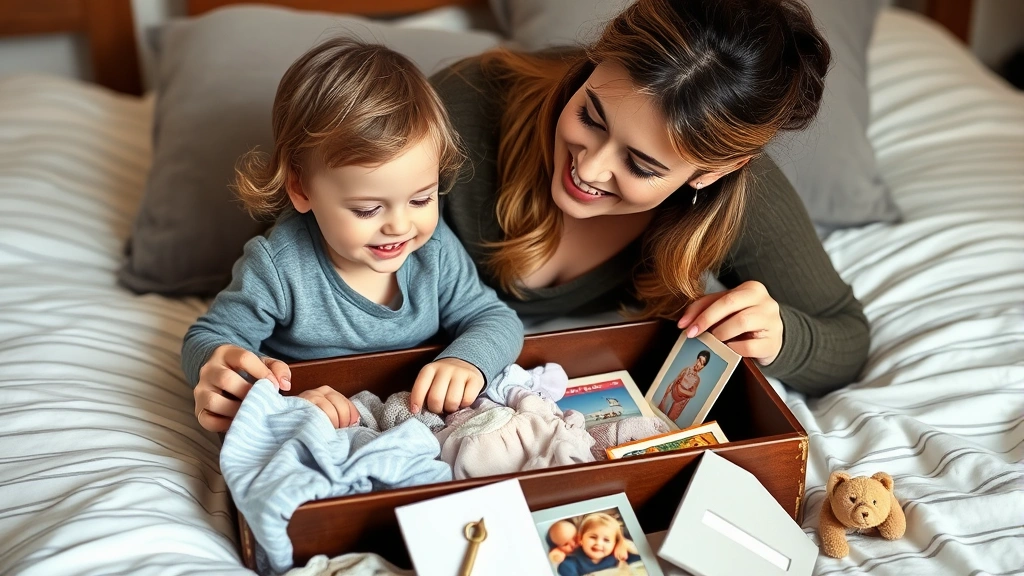
Sharing your baby keepsake box with your child can be a beautiful bonding experience. Many families wait until their child is old enough to appreciate and understand the significance of the items—typically around age 5 or older—before opening it together. This creates a special memory and helps your child understand their own history.
Your baby keepsake box represents more than just stored items; it’s a tangible expression of your love and a bridge between your child’s infancy and their future. By carefully selecting, organizing, and preserving these meaningful memories, you’re creating a gift that will bring joy and connection for generations to come. Start today, and watch as your keepsake box becomes increasingly precious with each passing year.
For additional guidance on parenting milestones and development, visit our Parent Path Daily Blog for more insights and resources. The American Academy of Pediatrics HealthyChildren.org also offers excellent resources about child development and documentation.