Caring for Baby Opossum: Vet’s Insights and Essential Guide
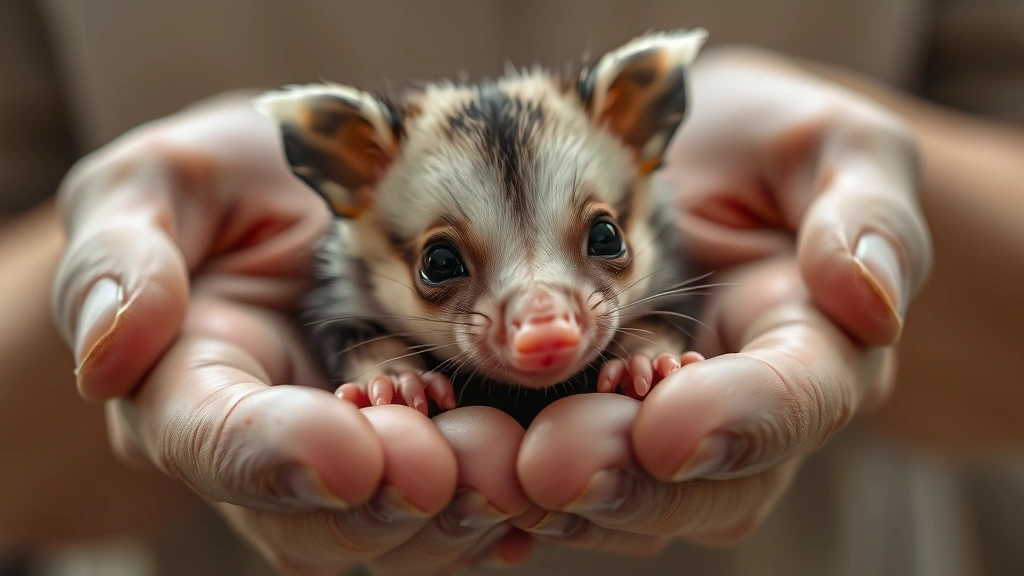
Finding a baby opossum in your yard or neighborhood can be startling, but understanding proper care is crucial for the animal’s survival and your family’s safety. Whether you’re a concerned parent wanting to teach your children about wildlife or someone who’s encountered an injured joey, this comprehensive guide covers everything veterinarians recommend about baby opossum care. Like preparing your home for a new baby registry checklist, caring for wildlife requires specific knowledge and preparation.
Baby opossums, called joeys, are remarkably resilient creatures that often appear abandoned when they’re actually fine. This guide draws from veterinary expertise and wildlife rehabilitation standards to help you make informed decisions about these fascinating marsupials. Understanding the difference between a joey that needs help and one that’s simply exploring with its mother can mean the difference between successful intervention and unnecessary interference.
Parents and caregivers frequently wonder how to balance compassion for animals with practical safety considerations. This article addresses both concerns while providing actionable guidance based on professional veterinary insights and established wildlife care protocols.
Table of Contents
- Identifying a Baby Opossum in Distress
- Health Assessment and Vital Signs
- Immediate Care Steps
- Feeding and Nutrition Guidelines
- Housing and Environmental Needs
- Medical Considerations and Treatment
- Rehabilitation and Release Process
- Safety Precautions for Your Family
- Frequently Asked Questions
Identifying a Baby Opossum in Distress
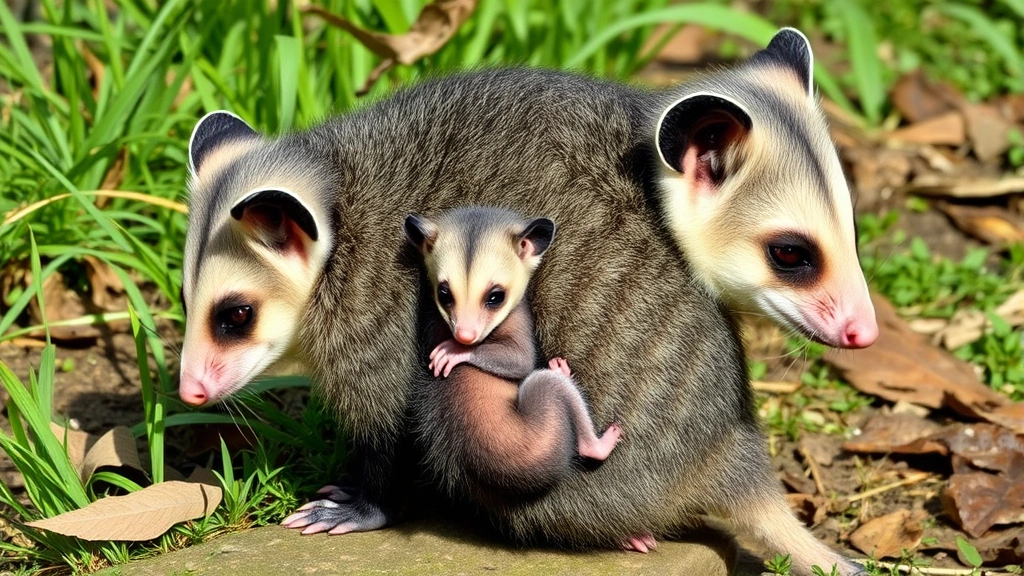
The first step in providing appropriate baby opossum care involves correctly identifying whether the joey actually needs intervention. Many well-intentioned people inadvertently separate healthy babies from their mothers. Baby opossums progress through distinct developmental stages, and understanding these stages helps you determine the appropriate response.
Joeys under 7-8 inches long are typically still nursing and should remain with their mother whenever possible. If you find a tiny joey separated from its mother, look around carefully for the adult female—she may be nearby foraging. According to AAFCO guidelines for animal nutrition, very young joeys require species-specific milk formulas that differ significantly from standard infant formulas.
Joeys between 8-10 inches are transitioning to independence but still benefit from maternal care. Those larger than 10 inches are usually ready for essential parenting advice from their mothers on survival skills. A joey that’s mobile, alert, and showing interest in its surroundings typically doesn’t need rescue.
Signs of genuine distress include visible injuries, obvious illness, extreme lethargy, or being alone for more than a few hours. Orphaned joeys often have sunken eyes, appear dehydrated, or show signs of injury. If you observe a dead adult opossum nearby, check the pouch immediately—surviving joeys may need rescue.
[IMAGE_1]
Health Assessment and Vital Signs
Veterinarians emphasize that proper health assessment is the foundation of successful baby opossum rehabilitation. Before attempting any intervention, evaluate the joey’s physical condition systematically.
Key indicators of health status include:
- Body temperature (normal range: 94-97°F for opossums)
- Respiratory rate (15-20 breaths per minute)
- Skin turgor and hydration status
- Eye clarity and responsiveness
- Evidence of parasites or external injuries
- Fecal consistency and urination patterns
- Mobility and coordination
Dehydration is among the most common critical issues in rescued joeys. Gently pull the skin on the joey’s neck—if it doesn’t return to normal position immediately, severe dehydration is present. This requires immediate veterinary attention. Like understanding parenting advice for your own children, learning proper assessment techniques protects the animal’s welfare.
Parasites are extremely common in wild opossums. Look for evidence of fleas, ticks, or mites. Internal parasites may manifest as diarrhea, weight loss, or lethargy. Professional veterinary evaluation should always precede treatment attempts.
Immediate Care Steps
Once you’ve determined that intervention is necessary, proper immediate care significantly impacts survival rates. The first 24-48 hours are critical.
Essential immediate actions:
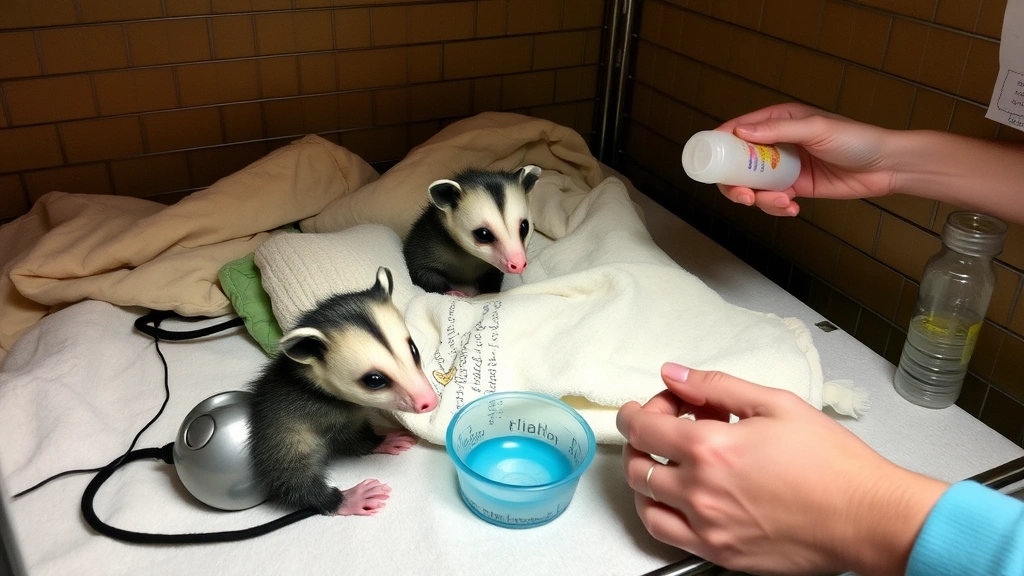
- Minimize stress by keeping the joey in a quiet, dark space
- Maintain appropriate temperature (85-90°F for very young joeys)
- Handle minimally until stabilized
- Contact a licensed wildlife rehabilitator immediately
- Document the joey’s condition and location found
- Wear gloves during all handling
- Prepare a makeshift enclosure using a ventilated box
Temperature regulation is absolutely critical. Young joeys cannot thermoregulate effectively and can deteriorate rapidly if too cold. However, overheating is equally dangerous. Use a heating pad on low setting under half the enclosure, allowing the joey to move away if too warm.
Stress significantly impacts recovery outcomes. Unlike human infants requiring constant interaction, joeys need calm, minimal-handling environments during initial stabilization. Excessive touching or loud noises can trigger shock in already-compromised animals.
Feeding and Nutrition Guidelines
Nutrition represents one of the most critical and complex aspects of baby opossum care. Incorrect feeding is a primary cause of death in rescued joeys, making professional guidance essential.
Veterinary-recommended feeding formulas:
- Esbilac Puppy Milk Replacer (most commonly recommended)
- Zoologic Milk Matrix (specialized marsupial formula)
- Homemade formula only as emergency temporary measure
The specific formula depends on the joey’s age and developmental stage. Younger joeys require different nutritional ratios than older juveniles. Using inappropriate formulas—such as standard infant formula—can cause severe digestive upset, malnutrition, or death.
Feeding frequency varies dramatically with age. Newborn joeys require feeding every 2-3 hours around the clock. By 8-10 weeks, this reduces to 4-5 times daily. Similar to understanding best baby shower gifts requires knowing developmental stages, feeding protocols must match the joey’s age precisely.
Feeding technique is equally important as formula selection:
- Use specialized wildlife feeding bottles with appropriate nipples
- Never force-feed—allow the joey to suckle at its own pace
- Maintain proper bottle angle to prevent aspiration
- Keep formula at body temperature (approximately 98-100°F)
- Stimulate elimination by gently rubbing the genital area with a warm, damp cloth after feeding
Stimulating elimination is crucial—young joeys cannot urinate or defecate independently and rely on maternal stimulation. Failure to perform this step leads to serious complications including uremia and death.
Housing and Environmental Needs
Proper housing provides security, appropriate temperature, and space for natural behaviors as the joey develops. Requirements change significantly throughout the rehabilitation process.
Housing specifications by age:
- Newborn to 6 weeks: Small enclosed box (12x12x12 inches) with heating pad, soft bedding, and minimal light
- 6-10 weeks: Larger enclosure (24x24x24 inches) with climbing opportunities, hiding spaces, and temperature gradient
- 10+ weeks: Large outdoor enclosure or pre-release pen (minimum 4×8 feet) with natural substrate, climbing branches, and shelter boxes
Bedding should be soft, absorbent, and changed frequently to prevent skin infections and parasitic issues. Fleece blankets work well but require daily washing. Pine and cedar shavings are toxic to opossums and should never be used.
Environmental enrichment becomes increasingly important as joeys mature. Providing climbing structures, foraging opportunities, and varied textures encourages natural behaviors and improves rehabilitation success. This mirrors how proper parenting involves environmental enrichment for human children’s development.
Lighting should mimic natural day-night cycles. Opossums are nocturnal, so excessive daytime light causes stress. Use dim lighting or maintain darkness during daylight hours, with normal lighting during evening and night.
Medical Considerations and Treatment
Professional veterinary care is essential for addressing medical issues in baby opossums. Many conditions require specialized knowledge and medications.
Common medical issues in baby opossums:
- Parasitic infections (fleas, ticks, internal parasites)
- Bacterial or fungal skin infections
- Respiratory infections
- Gastrointestinal upset and diarrhea
- Trauma and fractures
- Dehydration and electrolyte imbalances
- Nutritional deficiencies
Diarrhea is particularly concerning in young joeys as it rapidly leads to dehydration and death. Treatment depends on identifying the underlying cause—whether nutritional, infectious, or parasitic. According to American Academy of Pediatrics standards, similar attention to hydration status applies when caring for vulnerable young animals.
Antibiotics should only be used under veterinary supervision. Inappropriate antibiotic use can disrupt normal flora and worsen conditions. Topical treatments for skin infections require careful application to avoid ingestion during grooming.
Vaccinations are generally not recommended for rehabilitated wildlife, as they will be released. However, rabies exposure requires immediate evaluation and consideration of post-exposure prophylaxis if the joey has bitten a person.
Rehabilitation and Release Process
Successful rehabilitation culminates in releasing the joey back to the wild. This process requires careful timing and preparation to maximize survival chances.
Pre-release preparation includes:
- Confirming physical health and normal weight for age
- Verifying ability to eat solid foods independently
- Ensuring proper thermoregulation ability
- Practicing natural foraging behaviors
- Gradual acclimation to outdoor conditions
- Soft-release protocol using outdoor enclosures
Soft-release involves placing the joey in a secure outdoor enclosure at the intended release site for several days. This allows the animal to acclimate to outdoor conditions, sounds, and smells while remaining protected. Food is provided initially, with gradual reduction as the joey demonstrates foraging ability.
Release timing is crucial. Joeys released too early lack survival skills; those released too late may have forgotten wild instincts. Most rehabilitators recommend release when joeys reach 3-4 pounds and demonstrate independent feeding and natural behaviors.
Release location should be near where the joey was found, if safe, or in suitable habitat with appropriate resources. Moving opossums long distances reduces survival rates as they lack knowledge of local food sources and shelter locations.
Safety Precautions for Your Family
While caring for baby opossums, protecting your family’s health and safety remains paramount. Proper precautions prevent disease transmission and injury.
Essential safety measures:
- Always wear gloves when handling opossums
- Wash hands thoroughly after contact
- Keep opossums separated from children during initial assessment
- Never allow unsupervised interaction with wild animals
- Understand rabies transmission risks
- Recognize opossum defense behaviors
- Maintain updated tetanus vaccination
Opossums rarely bite but may defend themselves when frightened. The famous “playing possum” response—feigning death—is involuntary and indicates extreme stress. This defense mechanism should discourage handling whenever possible.
Rabies is a serious concern with any wild mammal. If bitten or scratched, wash the wound immediately with soap and water, then seek medical attention. Document the joey’s behavior and contact local health departments for guidance on rabies exposure risk.
Parasites from opossums can potentially affect humans, though transmission is rare with proper precautions. Fleas and ticks may bite humans but don’t establish infestations. Maintaining hygiene and using gloves eliminates virtually all transmission risk.
Frequently Asked Questions
What should I do if I find a baby opossum alone?
First, observe from a distance for at least 30 minutes to see if the mother returns. If the joey appears healthy and mobile, the mother is likely nearby. Only intervene if the joey shows signs of distress, injury, or appears abandoned for several hours. Contact a licensed wildlife rehabilitator for guidance before taking action.
Can I keep a baby opossum as a pet?
In most jurisdictions, keeping wild opossums as pets is illegal without special permits. Additionally, wild opossums don’t domesticate well and have specific needs that are difficult to meet in captivity. Rehabilitation for eventual release is the appropriate approach, not long-term captive housing.
How long does baby opossum rehabilitation typically take?
Rehabilitation duration varies widely depending on the joey’s age at rescue and health status. Newborns may require 2-3 months of intensive care before release. Older joeys needing only minor medical treatment might be ready for release within weeks. Average rehabilitation spans 6-12 weeks.
What do baby opossums eat in the wild?
Adult opossums are omnivores eating carrion, insects, fruits, vegetables, and small animals. Joeys begin consuming solid foods around 8-10 weeks. Transitioning to natural foods during rehabilitation helps prepare them for independent foraging. Appropriate solid foods include fruits, vegetables, cooked chicken, and insects.
Where should I take a baby opossum for veterinary care?
Licensed wildlife rehabilitators are the appropriate resource, not standard veterinary clinics. Rehabilitators have specialized knowledge and legal authority to care for native wildlife. Your local animal control, wildlife agency, or humane society can provide referrals to licensed rehabilitators in your area. According to The Humane Society of the United States, they maintain directories of qualified rehabilitators.
Is it dangerous to have a baby opossum in my home?
With proper precautions, the risk is minimal. Opossums rarely bite and don’t typically transmit diseases to humans. However, keeping wild animals indoors isn’t recommended for either the animal’s welfare or your family’s peace of mind. Professional rehabilitators have proper facilities and expertise for safe care.
Can baby opossums survive without their mother?
Yes, with proper care, orphaned joeys can survive and thrive. However, rehabilitation requires significant time, resources, and expertise. This is why licensed wildlife rehabilitators are essential—they provide the specialized knowledge and commitment necessary for successful outcomes. The National Wildlife Rehabilitators Association maintains standards ensuring quality care.
Caring for a baby opossum involves dedication, proper knowledge, and often professional support. Whether you’re considering intervention or simply educating yourself about wildlife, understanding these guidelines helps ensure the best possible outcomes for these unique marsupials. Always prioritize professional guidance and your family’s safety while extending compassion to animals in need.