Is Baby Orajel Safe? Expert Insights on Teething Pain Relief
When your baby starts teething, the sleepless nights and constant drooling can test even the most patient parent. You’re exhausted, your little one is miserable, and you’ve probably heard about Baby Orajel from a well-meaning friend or family member. But before you reach for that tube of numbing gel, you might be wondering: is it actually safe? The answer is more nuanced than a simple yes or no, and understanding the facts can help you make the best decision for your child.
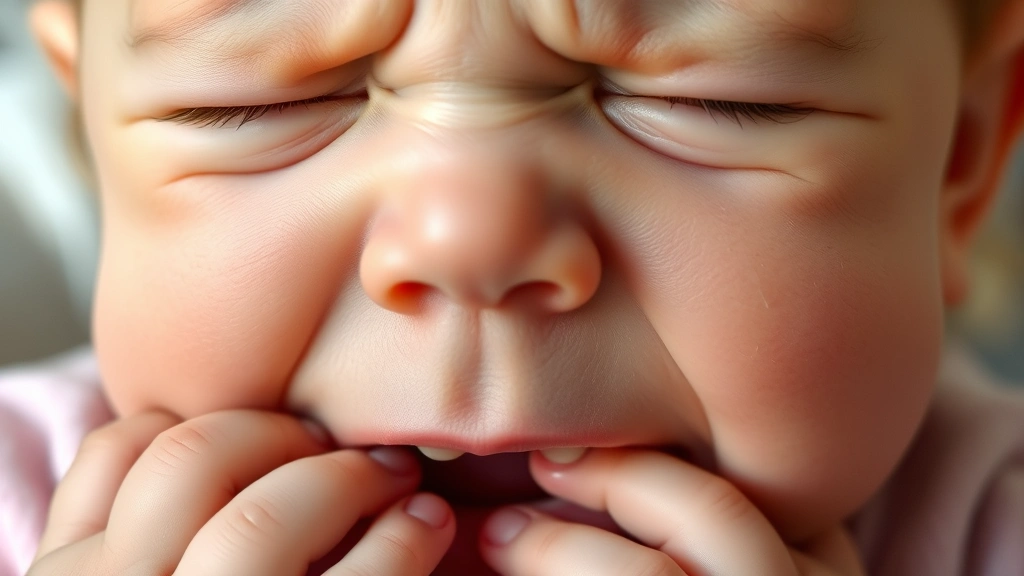
Teething is a natural milestone that typically begins around six months of age, though some babies start as early as three months or as late as one year. During this process, your baby’s primary teeth push through the gums, causing inflammation, discomfort, and enough fussiness to make any parent want to find relief—any relief. It’s completely understandable why products like Baby Orajel have been popular for decades. However, regulatory agencies and pediatric experts have raised important concerns about certain ingredients in these products, and what was once considered standard teething care is now being reconsidered.
This article will walk you through everything you need to know about Baby Orajel, including what changed in recent years, safer alternatives, and practical strategies for managing your baby’s teething discomfort without unnecessary risks.
What Is Baby Orajel?
Baby Orajel is an over-the-counter topical numbing gel that has been marketed to parents for over 50 years. The product is designed to temporarily numb gum pain associated with teething by applying a thin layer directly to the affected area. Historically, the active ingredient in most Baby Orajel formulations was benzocaine, a local anesthetic that works by blocking nerve signals in the area where it’s applied.
The appeal is straightforward: apply, wait a few minutes, and your baby’s pain diminishes. For generations, parents have kept tubes in their medicine cabinets, and pediatricians occasionally recommended it as one option among many. The product comes in various formulations, including gel, liquid, and swabs, making it convenient to apply directly to sore gums.
However, it’s important to understand that Baby Orajel is not the same product it was ten years ago. The company has reformulated their offerings in response to safety guidance from regulatory authorities, and the landscape of what experts recommend has shifted considerably. Understanding this evolution is crucial for making informed decisions about your baby’s care.
Safety Concerns and FDA Warnings
In 2014, the U.S. Food and Drug Administration issued a warning against using benzocaine products in children under two years old. This wasn’t a casual suggestion—it was a serious safety alert prompted by reports of a rare but potentially life-threatening condition called methemoglobinemia. This condition occurs when benzocaine interferes with the body’s ability to carry oxygen in the blood, potentially causing serious harm or even death.
The FDA documented over 100 cases of methemoglobinemia linked to benzocaine-containing teething products, with some cases occurring in infants as young as one month old. While the condition is rare, the severity of potential outcomes led the agency to recommend that parents avoid benzocaine products entirely for children under two years of age. This guidance fundamentally changed the landscape of recommended teething treatments.
In response to this warning, many manufacturers, including the makers of Baby Orajel, reformulated their products. Current versions of Baby Orajel for infants typically contain different active ingredients, such as hydrogen peroxide or salicylates, rather than benzocaine. However, this doesn’t mean all teething gels are safe or equally effective. Many products still contain benzocaine and are labeled for older children, creating potential for confusion among parents purchasing products without carefully reading labels.
The key takeaway: if you’re considering any topical teething product for a baby under two years old, you must check the active ingredients carefully. Benzocaine-containing products should be avoided entirely in this age group. Even products labeled as “Baby Orajel” may have different formulations, so reading the label is essential.
Understanding Benzocaine Risks
To make an informed decision about teething products, it helps to understand exactly why benzocaine poses a risk. Benzocaine is a local anesthetic that works by numbing nerve endings. When applied to the gums, it’s absorbed through the mucous membranes into the bloodstream. In adults and older children, the body can typically metabolize this substance without problems.
However, babies—particularly those under two years old—have immature metabolic systems that may not process benzocaine efficiently. When benzocaine accumulates in the blood, it can oxidize hemoglobin (the protein in red blood cells that carries oxygen) into methemoglobin. In small amounts, this isn’t necessarily dangerous; the body has mechanisms to convert methemoglobin back to normal hemoglobin. But when too much methemoglobin is present, the blood’s ability to carry oxygen is compromised.
Symptoms of methemoglobinemia include unusual paleness or bluish skin tone (cyanosis), difficulty breathing, lethargy, or seizures. The condition can develop within minutes to hours of exposure to benzocaine. While rare, the potential severity means that even a small risk isn’t worth taking when safer alternatives exist.
Certain babies may be at higher risk, including those with genetic conditions affecting hemoglobin metabolism or those taking certain medications. This is why the FDA’s guidance is blanket protection: rather than trying to identify which babies are at risk, it’s safer to simply avoid benzocaine in this age group altogether. As a parent, you don’t need to become a pharmacology expert—you just need to know that benzocaine products should be off-limits for babies under two.
Safer Teething Relief Alternatives
The good news is that there are multiple evidence-based strategies for managing teething discomfort that don’t rely on potentially risky topical anesthetics. Many of these approaches are actually more effective than numbing gels because they address the underlying inflammation and provide longer-lasting relief.
Cold Therapy
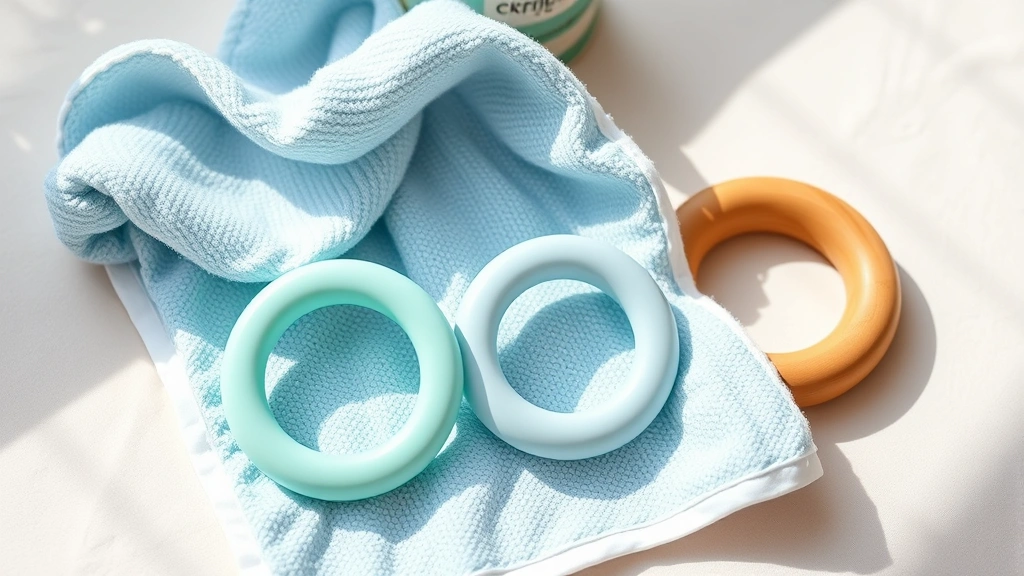
Cold is one of the most effective and safest teething remedies. The cold causes blood vessels to constrict, reducing inflammation and numbing the area naturally. You can offer your baby a clean, cold (not frozen) teething ring, a damp washcloth that’s been refrigerated, or a clean, damp gauze pad. Some parents freeze a clean washcloth and let their baby chew on it—just ensure it’s not so cold that it causes ice burn. The act of chewing combined with the cold sensation provides dual relief.
Gentle Massage
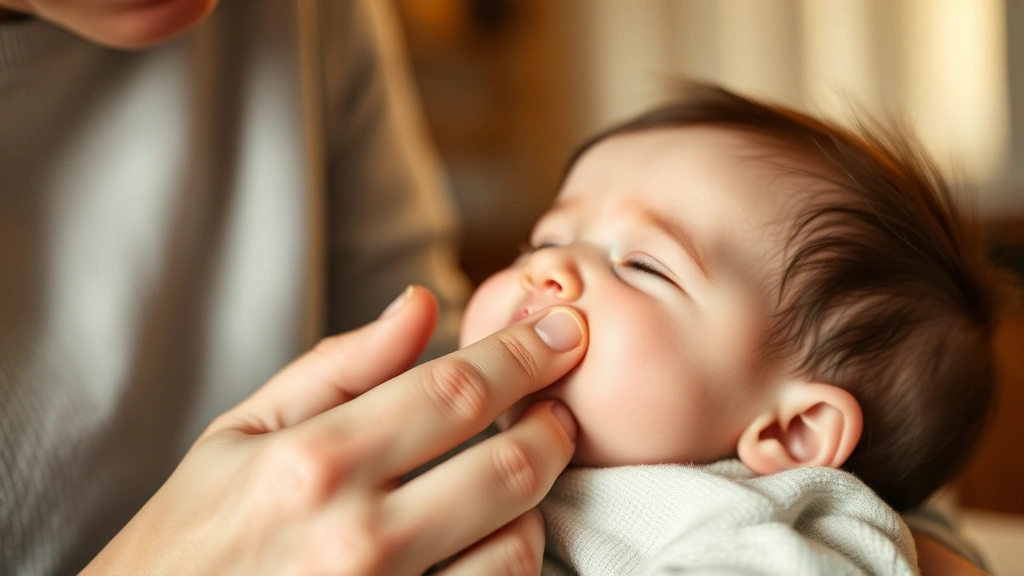
Applying gentle, firm pressure to the gums with a clean finger can provide surprising relief. The counter-pressure helps reduce inflammation and the stimulation can distract from discomfort. Wash your hands thoroughly first, and use slow, circular motions. Many babies find this comforting, and it has the added benefit of being free and always available.
Teething Toys and Rings
Specifically designed teething toys give your baby something safe to chew on while stimulating the gums. Silicone teethers are particularly effective because they’re firm enough to provide good counter-pressure but soft enough to be safe. Some parents prefer teethers that can be refrigerated (though not frozen) for added cold relief. Avoid teethers filled with liquid, as they can leak if punctured.
Understanding your baby teeth chart can help you anticipate which teeth are coming in and provide targeted relief to the most uncomfortable areas.
Dietary Adjustments
If your baby is eating solid foods, offering cold or soft foods can help. Chilled (not frozen) applesauce, yogurt, or mashed banana can be soothing. Avoid hard foods that could be a choking hazard. Breastfed babies may find comfort in increased nursing, which provides both nutrition and soothing.
Distraction and Comfort
Sometimes the best remedy is simply providing comfort and distraction. Extra cuddles, singing, playing, or changing the environment can help take your baby’s mind off discomfort. Remember that teething pain is typically intermittent rather than constant, so providing comfort during the difficult moments makes a real difference.
Topical Products Without Benzocaine
If you do want to use a topical product, modern formulations that don’t contain benzocaine can be options. However, their effectiveness is often limited. Always read labels carefully and discuss any product with your pediatrician before use. When selecting any over-the-counter product, verify the active ingredients and check that it’s specifically formulated and approved for your baby’s age group.
When to Consult Your Pediatrician
While teething is a normal developmental process, certain situations warrant professional guidance. If your baby seems to be in severe pain that’s not relieved by the comfort measures mentioned above, your pediatrician can help determine if something else might be causing discomfort. Sometimes what seems like teething pain might actually be an ear infection or other condition requiring treatment.
If your baby has a fever above 101°F (38.3°C), diarrhea, or a rash while teething, these are not directly caused by teething and warrant evaluation. Teething might be uncomfortable, but it shouldn’t cause systemic symptoms. Knowing how to choose a pediatrician you trust means you’ll have someone to call with these concerns.
If you’re considering any medication or product—whether over-the-counter or otherwise—checking with your pediatrician is always a good idea. They know your baby’s individual health history and can provide personalized guidance. Some babies have sensitivities or conditions that make certain products less suitable, and your pediatrician can help identify these factors.
Additionally, if your baby seems to be in pain for extended periods or if the discomfort is significantly affecting sleep or feeding, professional evaluation ensures nothing else is going on. As a parent seeking parenting advice, remember that your pediatrician is your partner in your child’s health and development.
For comprehensive information about your baby’s early development, your pediatrician can also recommend resources like a baby book that covers developmental milestones and common concerns. Additionally, the American Academy of Pediatrics provides evidence-based guidance on infant health and safety.
Even seemingly minor products deserve attention because the FDA’s guidance on teething products emphasizes the importance of careful ingredient review. The Centers for Disease Control and Prevention also tracks adverse events related to over-the-counter products, providing valuable safety data for parents.
Frequently Asked Questions
Is the new Baby Orajel formula safe for my baby?
Current Baby Orajel formulations designed for infants no longer contain benzocaine, the ingredient that prompted the FDA warning. However, effectiveness varies, and many pediatricians recommend non-chemical approaches first. Always check the label for active ingredients and verify it’s appropriate for your baby’s age. When in doubt, ask your pediatrician.
What temperature should a teething ring be?
A refrigerated teething ring (cold but not frozen) is ideal. Refrigeration provides relief without the risk of ice burn that frozen items might cause. Keep the ring in the refrigerator, not the freezer, for the best balance of comfort and safety.
Can I use adult oral anesthetics on my baby?
Absolutely not. Adult oral anesthetics are not formulated for babies and often contain higher concentrations of active ingredients. They also typically contain alcohol or other substances inappropriate for infants. Always use only products specifically formulated and labeled for your baby’s age group.
How long does teething typically last?
Teething is a gradual process that can span from the first tooth’s eruption through the completion of all primary teeth, typically between six months and three years old. Individual teeth may cause discomfort for a few days before erupting and a few days after. However, constant severe pain isn’t normal and warrants pediatric evaluation.
Are there any medications my pediatrician might recommend?
For significant discomfort, your pediatrician might recommend age-appropriate pain relief like acetaminophen or ibuprofen (for babies over six months). These systemic medications can be more effective than topical gels because they address inflammation throughout the body. Your pediatrician can provide specific dosing guidance based on your baby’s age and weight.
Can teething cause other symptoms like fever or diarrhea?
While teething can cause drooling and swollen gums, it shouldn’t cause fever, diarrhea, or other systemic symptoms. If your baby has these symptoms, they’re likely caused by something else—possibly a virus or infection—and warrant medical evaluation rather than being dismissed as teething-related.
What if my baby refuses all teething relief methods?
Some babies are particular about what they’ll accept. If your baby refuses teething rings or cold items, try different textures and temperatures. Sometimes just offering comfort, holding, and distraction is enough. Remember that teething pain is intermittent, so difficult periods typically pass within minutes to hours.
Are there any natural or homeopathic teething products that are safe?
Many natural teething products are marketed to parents, but “natural” doesn’t automatically mean safe or effective. Some herbal products can contain problematic ingredients, and homeopathic remedies lack scientific evidence of efficacy. Stick with approaches supported by evidence—cold, massage, and safe teething toys—rather than unproven alternatives.
The bottom line: teething is temporary, and your baby will get through it. By understanding the safety concerns with products like benzocaine-containing Baby Orajel and focusing on evidence-based comfort measures, you can provide relief without unnecessary risk. Your pediatrician is your best resource for personalized guidance, and simple strategies like cold therapy and gentle massage often work better than you’d expect. You’ve got this.