What Are Baby Overalls? A Stylish Guide to the Cutest Wardrobe Essential
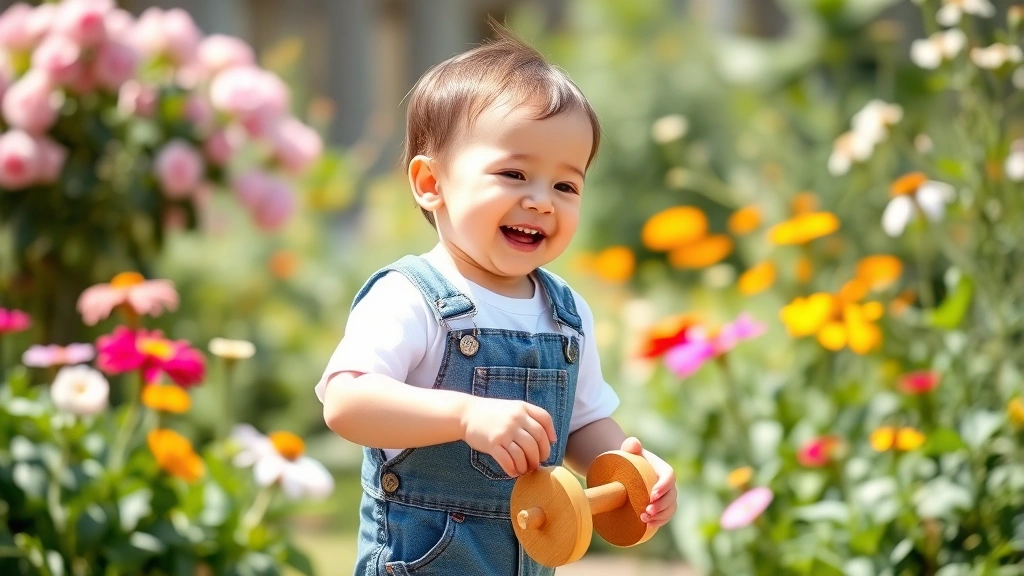
If you’ve scrolled through Instagram lately, you’ve probably noticed tiny humans sporting the most adorable denim and canvas overalls. Baby overalls have made a serious comeback, and honestly, there’s a reason why parents everywhere are obsessed. They’re not just cute—they’re practical, versatile, and genuinely fun to style. Whether you’re dressing your little one for a day at the park or a family photo shoot, overalls have become the go-to piece that works for basically every occasion.
But here’s the thing: not all baby overalls are created equal. The market is flooded with options, and if you’re new to the overall game, it can feel overwhelming. That’s where this guide comes in. We’re breaking down everything you need to know about baby overalls—from understanding the different styles to figuring out how to dress them up or down, and yes, we’ll even tackle the eternal question of whether they’re worth the investment.
Think of baby overalls as the Swiss Army knife of your child’s closet. They bridge the gap between casual and polished, they work across seasons with the right layering, and they somehow manage to look effortlessly cool on even the wiggliest toddlers. Let’s dive into why this classic piece deserves a prime spot in your little one’s wardrobe.
What Exactly Are Baby Overalls?
Baby overalls are one-piece garments that feature a bib front, shoulder straps, and adjustable fasteners—typically buttons, snaps, or straps. Unlike regular pants or jumpsuits, overalls have that distinctive front panel that extends upward, creating both a practical and playful silhouette. They’re essentially a miniature version of the classic adult overall, reimagined for little bodies with added comfort, flexibility, and charm.
The beauty of baby overalls lies in their design philosophy. They’re constructed with active toddlers in mind. The front bib provides extra coverage during messy mealtimes or outdoor adventures, while the shoulder straps distribute weight evenly, ensuring comfort during extended wear. Most quality baby overalls feature adjustable straps, which is crucial since babies grow at what feels like lightning speed.
What makes overalls particularly special compared to other baby boy clothes or baby girl clothes options is their versatility. They’re genuinely unisex, though brands certainly style them differently for different markets. A pair of overalls works just as well for a first birthday party as it does for a casual Tuesday at home. They’re the kind of piece that grows with your child’s personality—whether your kid is into adventurous outdoor play or prefers quieter creative pursuits, overalls adapt to their lifestyle.
From a practical standpoint, overalls solve a real problem: keeping clothes in place. Any parent knows that regular pants can slide down when kids are climbing, running, and doing all the things kids do. The shoulder straps on overalls keep everything exactly where it should be, which means fewer wardrobe malfunctions and more peace of mind for caregivers.
Different Styles and Types
The world of baby overalls is far more diverse than you might expect. Modern parents have access to everything from classic denim to trendy corduroy, and the design variations are genuinely exciting.
Denim Overalls are the timeless choice. They’re durable, they age beautifully, and there’s something inherently charming about a baby in classic blue denim. Quality denim overalls can withstand the rigors of active play and actually look better with wear and washing. They’re also incredibly easy to dress up or down—pair them with a simple white tee for casual vibes, or add a button-down shirt for something more polished.
Corduroy Overalls have gained serious traction in recent years, especially for fall and winter. The textured fabric feels luxurious, and the color options available in corduroy are fantastic. Think sage green, burnt orange, cream, and chocolate brown. These overalls have a slightly more sophisticated feel than denim while still maintaining that playful spirit.
Canvas and Twill Overalls offer a lighter-weight alternative perfect for spring and summer. These materials breathe better and feel less heavy than denim, making them ideal for warm-weather adventures. Canvas overalls often come in fun colors and prints, giving you plenty of options for expressing your child’s personality.
Shortall Styles are essentially overalls with shorts instead of long legs. These are perfect for babies and younger toddlers, offering easy diaper access and maximum airflow during warmer months. They’re also incredibly cute and tend to photograph well.
Beyond fabric choices, you’ll find variations in fit and silhouette. Some overalls are fitted and streamlined, while others embrace a more relaxed, slouchy aesthetic. Vintage-inspired overalls might feature wider legs and roomier cuts, while contemporary styles tend toward slimmer proportions. The choice really depends on your personal style and what you think suits your child’s personality.
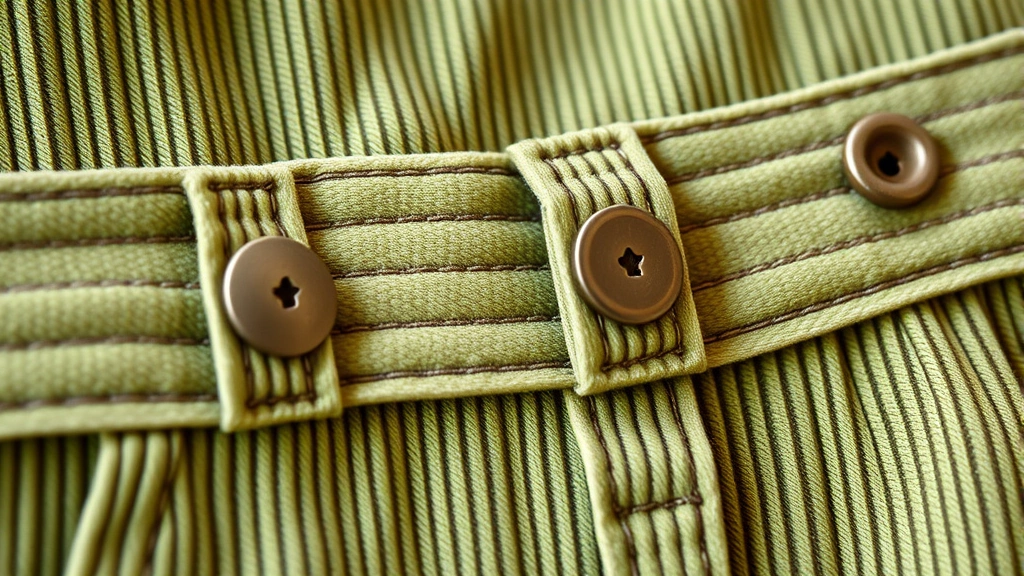
There are also specialty overalls worth noting. Some brands offer overalls designed specifically for outdoor play with reinforced knees and extra durable materials. Others focus on luxury fabrics and high-end construction, making them feel more like investment pieces. You’ll also find overalls with fun details like embroidery, patching, or unique button designs that make them feel special.
Sizing and Finding the Perfect Fit
Getting the fit right is absolutely crucial when it comes to baby overalls. Too tight and they’re uncomfortable; too loose and they look sloppy. Here’s what you need to know about sizing.
Most baby overalls are sized by age or height rather than traditional clothing sizes. You’ll typically see sizing like 6-12 months, 12-18 months, 2T, 3T, and so on. However, babies vary tremendously in size, so always check specific brand measurements rather than relying solely on age labels. A chart-topper baby might wear 3T at 18 months, while a petite child might still fit comfortably in 2T at two years old.
When measuring for overalls, focus on three key areas: the inseam length, the rise (distance from crotch to waistband), and the shoulder strap length. The inseam should allow for about a half-inch to one inch of room at the ankle for growing room without creating excessive bulk. The rise should sit comfortably on your child’s hips without digging in or sagging.
Adjustable shoulder straps are your friend here. Quality baby overalls feature straps that can be lengthened or shortened, extending the lifespan of the garment significantly. Some straps use buttons on the back, while others use snaps or even velcro. Test the adjustment mechanism when shopping to ensure it’s sturdy and user-friendly.
The waistband is another consideration. Some overalls feature elastic waistbands that provide flexibility and comfort, while others use more structured closures. For babies who are still in diapers, an elastic or adjustable waistband is generally more practical since you need easy access for diaper changes. Look for overalls with side snaps or buttons rather than center front closures for this reason.
One pro tip: when shopping online, read reviews carefully. Parents are usually honest about fit, and you’ll often find comments like “runs small” or “generous sizing” that are incredibly helpful. Don’t hesitate to size up if your child is between sizes—overalls with adjustable straps can accommodate growth beautifully.
Styling Tips for Every Season
The magic of baby overalls is their incredible versatility. Here’s how to style them throughout the year and for different occasions.
Spring and Summer Styling
During warmer months, pair overalls with simple tank tops, t-shirts, or even nothing underneath for maximum airflow. Shortalls are particularly perfect for this season. Add lightweight baby boots or soft sneakers for a casual vibe, or go barefoot if you’re staying home. Consider overalls in lighter fabrics like linen blends or lightweight cotton. Neutral colors like cream, white, or soft pastels feel summery and fresh.
Fall and Winter Styling
Layer, layer, layer. Throw a cozy long-sleeve shirt or thermal under overalls, then add a sweater or cardigan on top. Corduroy overalls are perfect for fall—their rich colors complement the season beautifully. In winter, pair overalls with a puffy jacket or quilted vest. Don’t overlook the styling potential of patterned socks peeking out from under the legs. It’s these small touches that make an outfit feel intentional and charming.
Casual Everyday Look
For everyday wear, keep it simple. A basic white or gray tee under denim overalls is a foolproof combination. Add some comfortable sneakers, and you’ve got a look that works for daycare, playdates, or casual outings. This is the uniform of comfortable parenting, and there’s nothing wrong with that.
Dressed-Up Occasions
Yes, overalls can absolutely be dressed up. Pair them with a crisp button-down shirt, add some dressy shoes or Mary Janes, and suddenly you have an outfit suitable for family photos or special events. Choose overalls in premium fabrics like corduroy or canvas for these occasions. Neutral colors or classic denim work best for formal styling. Consider adding a bow tie or suspenders for extra charm.
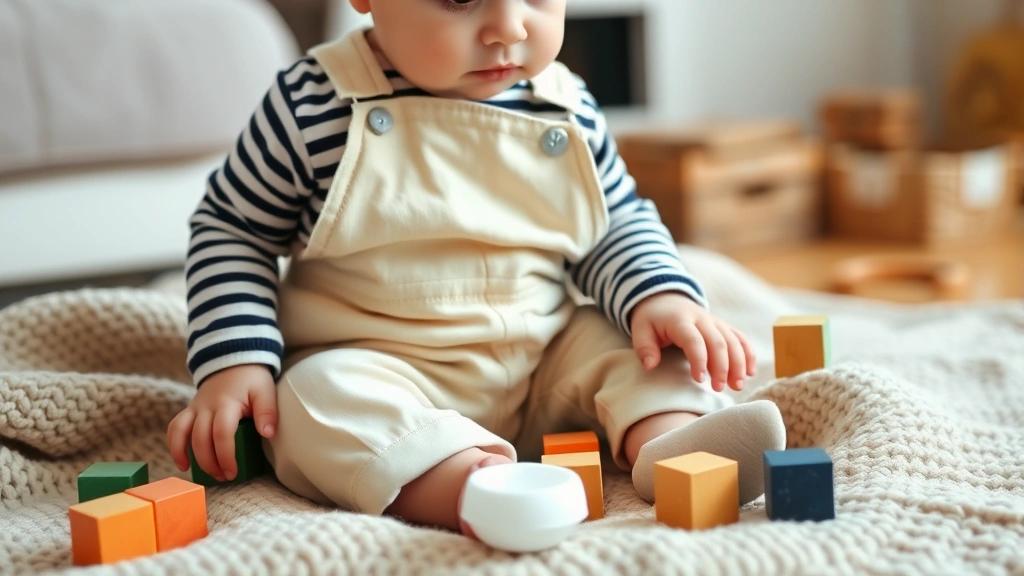
Creative Play Outfit
Overalls are practically made for outdoor adventures and creative play. Pair them with a fun graphic tee, add some rugged sneakers or waterproof boots, and your child is ready for anything. The bib front provides extra protection during messy activities like painting or gardening. Don’t worry about stains on overalls—they’re meant to be lived in.
Seasonal Color Palette Suggestions
Think beyond basic blue. For spring, consider soft pastels or whites. Summer calls for lighter shades and bright colors. Fall is all about earthy tones like rust, olive, and chocolate. Winter pairs beautifully with deep jewel tones like forest green, burgundy, or navy. Having overalls in a few seasonal colors means you can create multiple looks without needing a massive wardrobe.
Care and Maintenance
Proper care extends the life of baby overalls significantly, which matters since quality ones are an investment. Here’s what you need to know.
Washing Guidelines
Always check the care label first, but most baby overalls can be machine washed in cold water with similar colors. Turn them inside out before washing to protect the exterior finish and reduce fading. Use mild detergent—your baby’s skin is sensitive, and harsh chemicals can cause irritation. Avoid fabric softener, which can reduce the breathability of natural fabrics.
For heavily soiled overalls, pre-treat stains with a gentle stain remover or a paste of baking soda and water. Let it sit for a few minutes before washing. Most stains come out easily with this method, avoiding the need for harsh chemicals.
Drying
Air drying is always preferable for baby clothing. Hang overalls on a clothesline or lay them flat to dry. If you must use a dryer, use the lowest heat setting. High heat can damage elastic and fade colors. Plus, there’s something lovely about the smell of line-dried baby clothes.
Storage
Store clean overalls in a cool, dry place away from direct sunlight. Fold them neatly or hang them on tiny hangers designed for children’s clothes. If you’re storing seasonally, ensure the storage area is protected from moisture and pests. Some parents like to store off-season items in breathable cotton bags rather than plastic bins.
Dealing with Common Issues
If straps become loose or buttons wear out, these are usually easy fixes. Many overalls have replacement buttons available, or you can take them to a tailor for repairs. Adjustable straps that stop working properly might just need the mechanism cleaned or tightened. With proper care, quality overalls can last through multiple children in a family.
Where to Shop and What to Look For
Finding the right pair of baby overalls starts with knowing what to look for and where to shop.
Quality Indicators
Examine the stitching closely. Quality overalls have straight, even seams with no loose threads. The fabric should feel substantial and well-made. Buttons and snaps should be securely attached and feel sturdy. Check that adjustable straps have multiple adjustment positions, giving you flexibility for growth. Look for reinforced seams at stress points like where straps attach to the main garment.
Fabric Considerations
Natural fabrics like cotton, linen, and hemp are generally better for a baby’s sensitive skin than synthetic blends. Look for organic cotton options if possible—they’re grown without harsh pesticides. The fabric should feel soft to the touch, not stiff or scratchy. If the overalls will be worn directly against skin, ensure the interior is as comfortable as the exterior.
Where to Shop
Department stores like Target and Nordstrom carry solid mid-range options. Online retailers offer incredible variety and often have better sizing information through customer reviews. Specialty children’s boutiques often carry higher-end brands with premium quality. Thrift stores and consignment shops are fantastic for finding vintage overalls or trying a style before committing to full price.
When considering baby registry must haves, overalls definitely deserve consideration. They’re practical enough to register for but special enough that they feel like a genuine gift. Similarly, overalls make excellent baby shower gift ideas—they’re thoughtful, useful, and come in enough varieties that you can find something perfect for any style preference.
Price Ranges and Value
Baby overalls range from budget-friendly options around $15-25 to luxury pieces exceeding $100. Mid-range overalls in the $40-70 category typically offer the best value for everyday wear. Luxury overalls are beautiful but consider whether the investment makes sense for your lifestyle. A child who spends most days in daycare might not need $100 overalls, while pieces that will be worn frequently and passed down to siblings or cousins might justify the investment.
Brand Recommendations
Look for brands known for durability, ethical production, and thoughtful design. Read reviews specifically about longevity and fit accuracy. Don’t assume expensive means better—some mid-range brands offer exceptional quality. Local or independent brands often provide unique styling options you won’t find at big retailers.
Frequently Asked Questions
Are baby overalls suitable for all seasons?
Yes, with proper layering, overalls work year-round. In winter, layer them with long sleeves and sweaters. Summer is perfect for lightweight overalls and shortalls. Spring and fall allow for versatile styling with just a tee or light jacket. The key is choosing appropriate fabrics—heavier denim or corduroy for cold months, lighter cotton or linen for warm weather.
What age is appropriate for baby overalls?
Overalls can be worn starting around 6-9 months when babies begin sitting up reliably. They’re particularly practical for toddlers aged 1-4 years when kids are most active and growing rapidly. Older children can certainly wear overalls too, though styling shifts as they develop their own preferences.
How do I handle diaper changes with overalls?
Look for overalls with side snaps or buttons rather than center front closures for easier diaper access. Many quality overalls feature snaps along the inseam specifically for this purpose. Pull-ups style diapers work particularly well with overalls since you don’t need to fully remove the garment for changes.
Can overalls be dressed up for formal occasions?
Absolutely. Choose overalls in neutral colors or classic denim, pair them with a crisp button-down shirt, and add dressy shoes. This combination works beautifully for family photos, holiday gatherings, or special events. The overalls add personality while maintaining a polished appearance.
How should baby overalls fit?
There should be about a half-inch to one inch of room at the ankles for growth. The waistband should sit comfortably without pinching or sagging. Shoulder straps should adjust so the bib sits flat against the chest without pulling. Your child should be able to sit, crawl, and move freely without restriction.
Are overalls practical for active toddlers?
Yes, overalls are excellent for active toddlers. The shoulder straps keep everything in place during climbing and running. The front bib provides extra coverage during messy play. The durable construction of quality overalls means they withstand the wear and tear of active play.
What’s the difference between overalls and other one-piece options like baby dresses?
Overalls have shoulder straps and a front bib, making them distinctly different from dresses. They’re more structured and practical for active play. Dresses offer different styling opportunities and typically feel more formal. Both are wonderful options—it comes down to personal preference and lifestyle needs.
How long do quality baby overalls last?
With proper care, quality overalls can last through multiple children. The adjustable straps extend the lifespan significantly. Some families find that well-made overalls stay in great condition through 2-3 years of regular wear, making them an economical choice despite the initial investment.
Can I find sustainable or eco-friendly baby overalls?
Yes, many brands now offer overalls made from organic cotton, linen, or hemp. Look for certifications like GOTS (Global Organic Textile Standard) or similar labels. Sustainable brands often focus on ethical production and durable construction, meaning the overalls will last longer and require fewer replacements.
What should I consider when buying overalls as gifts?
Know the child’s size and growth trajectory if possible. Consider the family’s lifestyle—do they prefer casual or dressy styles? Think about seasonal needs. Include a gift receipt when possible since sizing can be tricky. Overalls in neutral colors are safer choices for gifts since they work with more outfits.