Are Baby Overalls Practical? Expert Insights on Style, Function, and Everyday Wear
There’s something undeniably charming about a baby in overalls. That classic denim look, the adorable straps, the promise of practicality—it all sounds perfect in theory. But here’s the real question parents ask themselves in the baby aisle: are baby overalls actually practical, or are they just another Instagram-worthy piece that collects dust in the closet?
The answer, like most parenting decisions, is more nuanced than a simple yes or no. Baby overalls occupy an interesting middle ground between style and function. They can be genuinely useful in certain situations while presenting legitimate challenges in others. We’ve consulted with childcare experts, parents who’ve been in the trenches, and clothing specialists to give you the honest breakdown.
If you’re considering adding overalls to your baby’s wardrobe—or wondering if you’ve made a mistake investing in a few pairs—this guide will help you understand their real-world practicality and how to make them work for your family.
The Appeal of Baby Overalls: Why Parents Love Them
Let’s start with the obvious: baby overalls are adorable. They have a timeless quality that photographs beautifully and carries nostalgic charm. But beyond the aesthetic appeal, there are genuine reasons parents gravitate toward them.
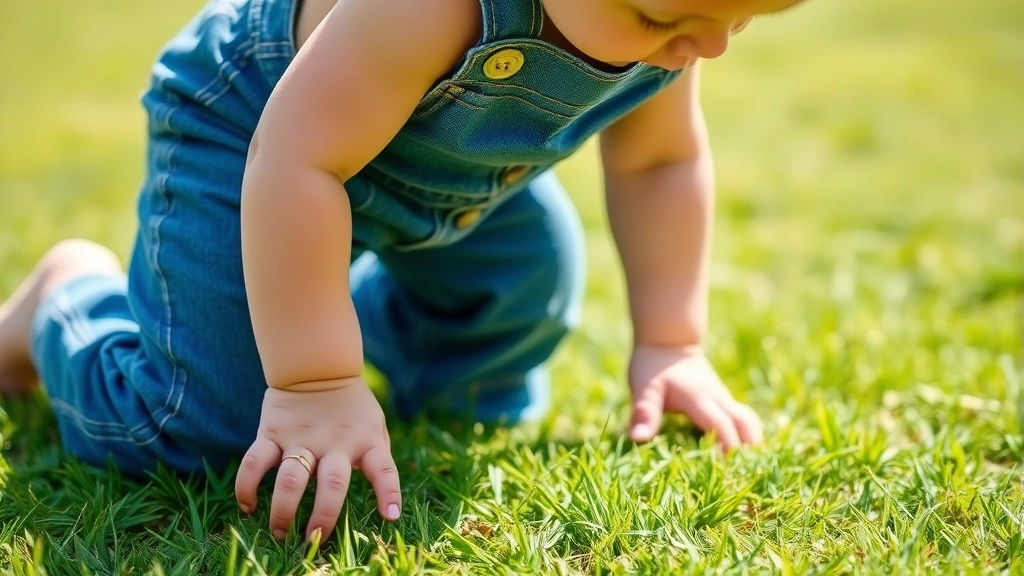
First, there’s the durability factor. Overalls are typically constructed with reinforced seams and heavier fabric than standard baby dresses or lightweight pants. This matters when your little one is crawling through dirt, climbing on playground equipment, or getting into the kind of mischief that defines early childhood. The knee area, which takes the most abuse during the crawling phase, is often double-stitched or reinforced with additional fabric.
Second, overalls offer excellent coverage and protection. The bib front provides an extra layer that shields your baby’s torso from spills, bumps, and minor scrapes. For parents who prioritize practical protection alongside style, this is a genuine advantage.
Third, there’s a versatility angle that shouldn’t be dismissed. You can dress overalls up or down depending on what you pair them with. Whether you’re going for a casual weekend vibe or need something presentable for family photos, overalls adapt reasonably well to different contexts.
Additionally, overalls come in options for both baby boy clothes and baby girl clothes, making them genuinely gender-neutral if that matters to your family.

Diaper Changes: The Biggest Challenge
Now let’s address the elephant in the room: diaper changes with overalls are objectively more complicated than with other clothing options.
Here’s the reality. When you need to change a diaper—and you’ll need to do this 8-12 times daily with a newborn, gradually decreasing as your child grows—overalls require you to either fully unstrap and remove the bib, or attempt an awkward side access. Neither option is convenient when you’re in a public restroom with limited space, at a restaurant with no changing table, or simply exhausted after a long day.
Some overalls feature snaps or buttons that allow you to unbutton the shoulder straps without completely removing the garment. These are marginally better, but still require coordination and dexterity that’s frustrating when you’re managing a squirming baby. Parents report that the metal snaps on shoulder straps can also be cold against a baby’s skin and occasionally pinch delicate shoulder areas if not carefully managed.
For newborns and young infants, this diaper-change friction is genuinely significant. You’re changing diapers constantly, and every outfit that complicates this process adds unnecessary friction to your day. As your child gets older and diaper changes become less frequent, this consideration matters less.
The practical workaround many experienced parents use: save overalls for occasions when diaper changes will be less frequent or when you have adequate time and space to manage them comfortably. Avoid them during travel days or outings where you anticipate multiple changes in less-than-ideal settings.
Temperature Control and Layering
Overalls present interesting challenges when it comes to temperature regulation, particularly in warmer months or warmer climates.
The full coverage that makes overalls protective in some situations becomes a liability in heat. A baby in overalls is essentially wearing a full-body garment, and the fabric typically doesn’t breathe as well as lighter alternatives. During summer, or if your home runs warm, your baby might overheat in overalls more quickly than in a t-shirt and shorts combination.
Additionally, the bib front and overall structure make it harder to adjust clothing layers as your baby’s temperature needs change throughout the day. You can’t easily remove a layer without removing the entire garment.
Winter layering is actually where overalls shine. The structure works well over long-sleeved onesies, and the extra coverage helps retain warmth. The reinforced fabric provides genuine insulation compared to thinner pants. If you live in a cold climate, winter overalls can be genuinely practical for outdoor play.
The seasonal consideration is important: overalls work best in fall and winter, and are generally less practical during warm months unless you specifically choose lightweight, breathable fabric options designed for warm weather.
Durability and Value for Money
From a financial perspective, baby overalls often represent a decent value proposition, though this depends on where and what you purchase.
Quality overalls are built to last through multiple children. The reinforced seams, durable fabric, and classic design mean they don’t wear out as quickly as more delicate pieces. Parents who’ve used overalls with multiple kids report that a good pair can survive crawling phases, climbing adventures, and regular washing without significant deterioration.
However, babies grow rapidly. A pair of overalls your baby wears at 12 months might be completely unwearable by 18-20 months. The vertical growth means they quickly become too short, and the waist expansion means they might become uncomfortable or ill-fitting. Unlike some adjustable clothing, overalls don’t adapt well to growth spurts.
If you’re purchasing overalls, consider buying them secondhand or choosing brands that hold value well for resale. Many parents recoup 40-60% of their original cost by selling gently used overalls online. This significantly improves the value proposition.
Premium overalls from established brands might cost $40-80, while budget options run $15-30. The quality difference is noticeable, particularly in seam durability and fabric weight. Mid-range options ($25-40) often provide the best balance of quality and value.
Age Considerations and Growth
The practicality of baby overalls shifts dramatically depending on your child’s age and developmental stage.
Newborns to 3 months: Overalls are impractical during this phase. Frequent diaper changes, the need for easy access for clothing adjustments, and the fact that newborns don’t move much anyway make overalls unnecessarily complicated. Save them for later.
3-6 months: Still not ideal. Diaper changes remain frequent, and your baby is transitioning through sizes quickly. The investment doesn’t make sense.
6-12 months: This is when overalls start becoming more practical. Crawling babies appreciate the knee protection, diaper changes are slightly less frequent (though still happening 6-8 times daily), and your baby is more likely to stay in a size for several weeks. This is the sweet spot for overalls.
12-24 months: Overalls remain practical during this phase, though growth spurts mean you’ll need to size up more frequently. The protection they provide during the peak climbing and exploring phase is genuinely useful.
2+ years: As toilet training approaches, overalls become increasingly impractical. The bathroom access issues that were merely inconvenient during the diaper phase become genuinely problematic.
Styling Overalls for Different Occasions
One legitimate advantage of overalls is their styling flexibility. The same pair can look completely different depending on what you pair it with.
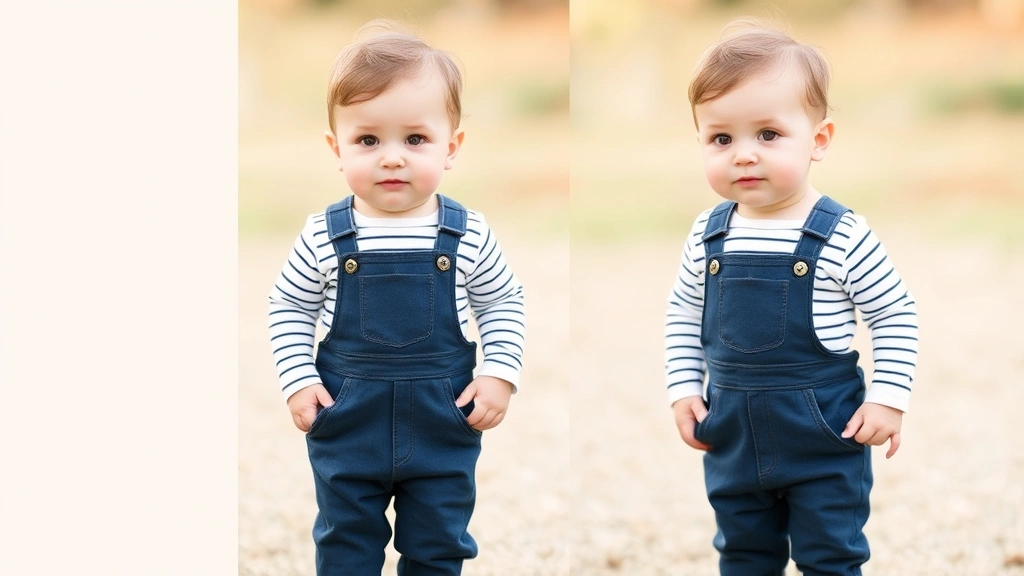
Casual everyday wear: Pair overalls with a simple long-sleeved onesie or t-shirt. Add baby boots for texture and interest. This is the most practical approach for regular wear.
Photo-ready occasions: Overalls photograph exceptionally well. Add a coordinating button-up shirt underneath, a cute hat, and you have an outfit that looks intentional and polished without being overdone. Many parents specifically save overalls for milestone photo shoots.
Seasonal adaptations: In winter, layer overalls over thermal onesies. In transitional seasons, use them with short-sleeved shirts underneath. The structure of overalls means they work well across multiple seasons when styled thoughtfully.
Mixing patterns and textures: Solid-colored overalls work well with patterned shirts underneath. Patterned overalls pair better with solid basics. This flexibility means you can create multiple outfit combinations from the same core pieces.
Practical Tips for Making Overalls Work
If you’ve decided to incorporate overalls into your baby’s wardrobe, here are evidence-based strategies for maximizing their practicality:
- Choose snap-front designs: Overalls with snaps on the shoulder straps rather than permanent stitching provide significantly easier diaper access. This single feature makes a measurable difference in daily usability.
- Size appropriately: Buy overalls that fit well in the current moment rather than sizing up for growth. Oversized overalls are uncomfortable and limit mobility. You’ll replace them as your baby grows anyway.
- Select breathable fabrics: Cotton and cotton-blend overalls are more practical than heavier denim for year-round wear. Look for weight and weave that allows air circulation.
- Reserve for specific contexts: Use overalls for outings where diaper changes will be minimal or where you have adequate time and space. Save them for weekend activities rather than weekday daycare.
- Invest in quality: Better-made overalls from established brands are genuinely more comfortable and durable. The extra cost is justified by how much longer they last.
- Buy secondhand: Overalls are perfect for secondhand purchases since they’re durable and hold up well to previous use. This reduces your financial risk while testing whether they work for your family.
- Plan your layering: Have a consistent strategy for what goes under your overalls. This makes getting dressed faster and ensures your baby stays appropriately warm.
Comparing Overalls to Other Baby Clothing Options
To make an informed decision, it’s helpful to compare overalls to similar clothing options you might choose instead.
Overalls vs. regular pants: Overalls provide more coverage, protection, and durability than regular pants. However, they’re less convenient for diaper changes and offer less temperature flexibility. For durability-focused parents, overalls win. For convenience-focused parents, regular pants are superior.
Overalls vs. rompers: Rompers offer similar aesthetic appeal but with one critical difference: they typically have crotch snaps or buttons that make diaper changes far simpler. If you love the look of overalls but prioritize diaper-change convenience, rompers might be the better choice.
Overalls vs. jumpers: Jumpers are similar to overalls but typically don’t include shoulder straps, making them easier to remove. However, they provide less coverage and protection. For purely practical purposes, overalls edge out jumpers.
When building your baby registry checklist, consider what clothing features matter most to your family. If protection and durability are priorities, overalls deserve a spot. If convenience is paramount, prioritize pieces with easier diaper access.
Research from the American Academy of Pediatrics suggests that practical clothing that allows for easy temperature adjustment and diaper access should be prioritized for babies under 12 months, while style considerations become more relevant as children grow older and diaper changes become less frequent.
Frequently Asked Questions
At what age are baby overalls most practical?
Baby overalls are most practical between 6-24 months, particularly during the crawling phase (6-12 months) when knee protection is valuable and diaper changes are less frequent than earlier stages. They become less practical before 6 months (too many diaper changes) and after 24 months (toilet training considerations).
How do I handle diaper changes with overalls?
The most practical approach is to choose overalls with snap-shoulder straps that allow you to unsnap without fully removing the garment. Alternatively, you can unstrap the bib completely, change the diaper, and re-strap. Save overalls for situations where you have adequate time and space for changes.
Are overalls better for boys or girls?
Overalls are genuinely unisex and work equally well for any baby regardless of gender. They’re available in styles and colors suitable for any preference, making them a practical choice for families with multiple children of different genders.
Should I buy overalls new or secondhand?
Overalls are excellent secondhand purchases because they’re durable and hold up well to previous wear. Buying secondhand significantly reduces your financial investment while allowing you to test whether overalls work for your family before committing to new purchases.
What’s the difference between overalls and rompers?
The main difference is diaper access. Rompers typically feature crotch snaps or buttons that make diaper changes simpler, while overalls require you to unstrap or remove the bib. Overalls provide slightly more coverage, while rompers offer better convenience for frequent diaper changes.
Can I use overalls year-round?
Yes, but with seasonal adaptations. In winter, layer overalls over thermal onesies for warmth. In summer, choose lightweight, breathable fabric and pair with short-sleeved shirts underneath. The practicality shifts seasonally, but overalls can work year-round with thoughtful styling.
How quickly do babies outgrow overalls?
Babies typically outgrow overalls within 3-6 months of initial fit, depending on growth rate. Growth happens primarily in height (making overalls too short) and waist expansion (making them uncomfortable). This is why buying secondhand or choosing resellable brands makes financial sense.
Are expensive overalls worth the investment?
Quality overalls from established brands ($40-80) last longer and feel more comfortable than budget options ($15-30). If you plan to use them with multiple children or resell them afterward, the investment makes sense. For a single child with limited use, mid-range options ($25-40) offer better value.
What should I look for when buying baby overalls?
Priority features include snap-shoulder straps (not permanent buttons), breathable fabric (cotton or cotton-blend), quality seams, and appropriate sizing for current fit. Consider whether you’ll use them frequently enough to justify the purchase, and whether you have adequate time and space for diaper changes in your typical daily situations.