What Is a Baby Panther Called? Expert Guide
Ever wondered what to call a baby panther? It’s one of those questions that seems simple on the surface but opens up a fascinating world of wildlife terminology, big cat biology, and nature’s incredible naming conventions. Whether you’re curious for trivia night, helping your kids learn about wildlife, or just satisfying a random moment of wonder, we’ve got the answer and so much more.
The term “panther” itself is wonderfully ambiguous in the animal kingdom, which makes this question even more interesting. Panthers aren’t a distinct species—they’re actually melanistic variants of leopards or jaguars, meaning they have darker pigmentation that makes them appear nearly black. Understanding what a baby panther is called requires us to dig into this complexity and explore the rich terminology used by wildlife experts and animal enthusiasts worldwide.
Let’s explore everything you need to know about baby panthers, their names, their development, and why these magnificent creatures captivate our imagination.
What Is a Baby Panther Called?
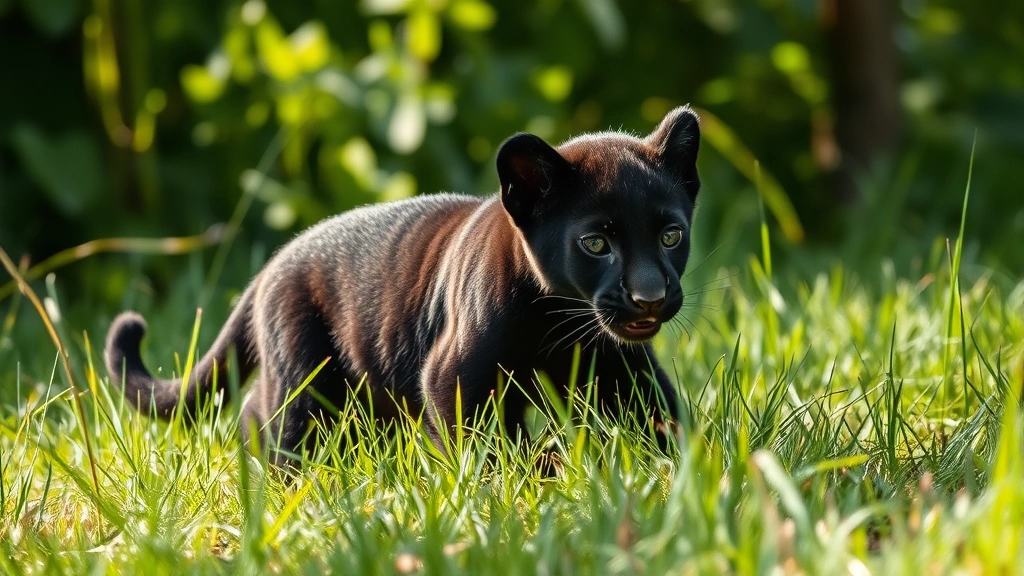
A baby panther is called a cub. Simple, right? But there’s delightful nuance here. Depending on which type of panther we’re discussing, you might also hear specialized terms. Since panthers are typically melanistic leopards or jaguars, the most accurate terminology follows these big cats’ naming conventions.
The term “cub” applies universally to baby big cats in the Panthera genus. It’s the standard terminology used by wildlife biologists, zookeepers, and conservation experts. When a female panther (called a queen) gives birth, she typically delivers a litter of two to three cubs. These adorable felines remain completely dependent on their mother for the first several weeks of life.
If you’re exploring baby animals more broadly, you’ll discover that different species have wonderfully specific names. A baby leopard is also a cub, as is a baby tiger and a baby lion. The consistency reflects these creatures’ shared evolutionary heritage and similar early development patterns.
According to the World Wildlife Fund, understanding proper animal terminology helps us communicate more effectively about conservation efforts and wildlife education. Using correct terms reinforces respect for these magnificent creatures and their ecological importance.
Understanding Panther Terminology
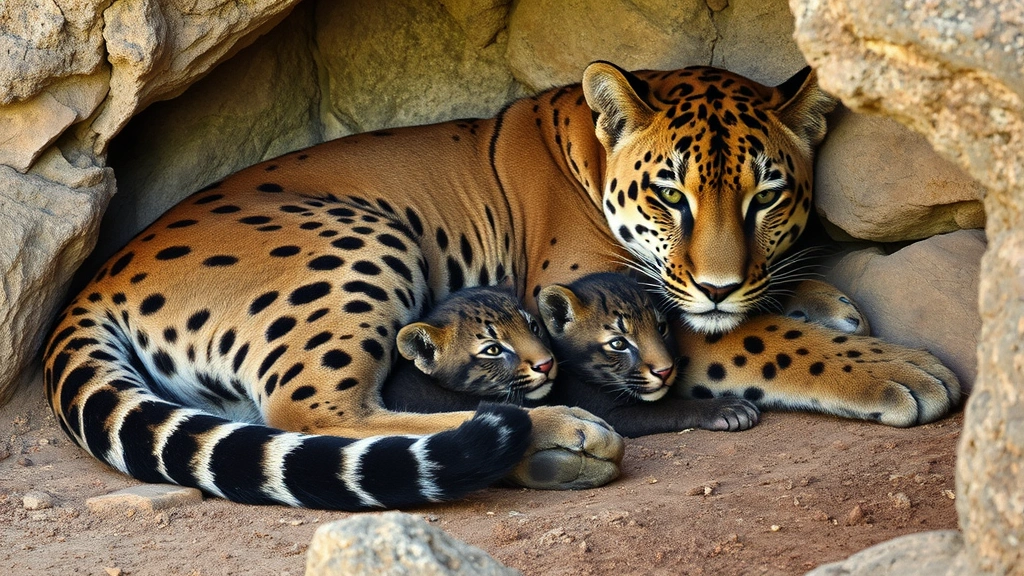
“Panther” itself is a fascinating umbrella term that deserves clarification. In most contexts, a panther refers to a melanistic big cat—essentially a leopard or jaguar with genetic variation causing darker coloration. This isn’t a separate species; it’s a color variant within existing species populations.
The Florida panther, one of the most well-known panther populations, is actually a subspecies of the cougar or mountain lion. However, the term “panther” in broader wildlife discussion usually references the Panthera genus members, particularly the black leopard and black jaguar.
Here’s where it gets interesting: in some regions, particularly in India and parts of Africa, “panther” colloquially refers to any large spotted or dark-colored big cat. Local populations might use the term differently than scientific communities. This linguistic variation reflects humanity’s long fascination with these predators and the different cultural contexts in which they live.
When discussing baby wildlife in general, zoologists emphasize using precise terminology. This clarity becomes especially important in conservation discussions where accurate species identification can influence protection strategies and breeding programs.
Big Cat Baby Names Explained
The terminology for baby big cats is surprisingly consistent across species, though each has subtle variations in usage:
- Cub – The universal term for baby lions, tigers, leopards, jaguars, and panthers
- Kitten – Sometimes used informally, though “cub” is scientifically preferred
- Whelp – An older or less common term occasionally used by wildlife experts
Female big cats are called queens, while males are termed toms or males. A group of cubs together is called a “litter,” and when they’re slightly older and beginning to hunt with their mother, they might be called “young” or “adolescents.”
The terminology becomes even more specific when discussing developmental stages. A newborn cub might be called a “neonate,” while cubs that have opened their eyes are transitioning into “juvenile” stage. By the time they’re approaching independence, they’re often referred to as “subadults” or “young adults.”
Understanding these terms helps us appreciate the complexity of how wildlife experts categorize and study animal development. Each term carries specific meaning about the animal’s age, development stage, and dependency level.
Development Stages of Baby Panthers
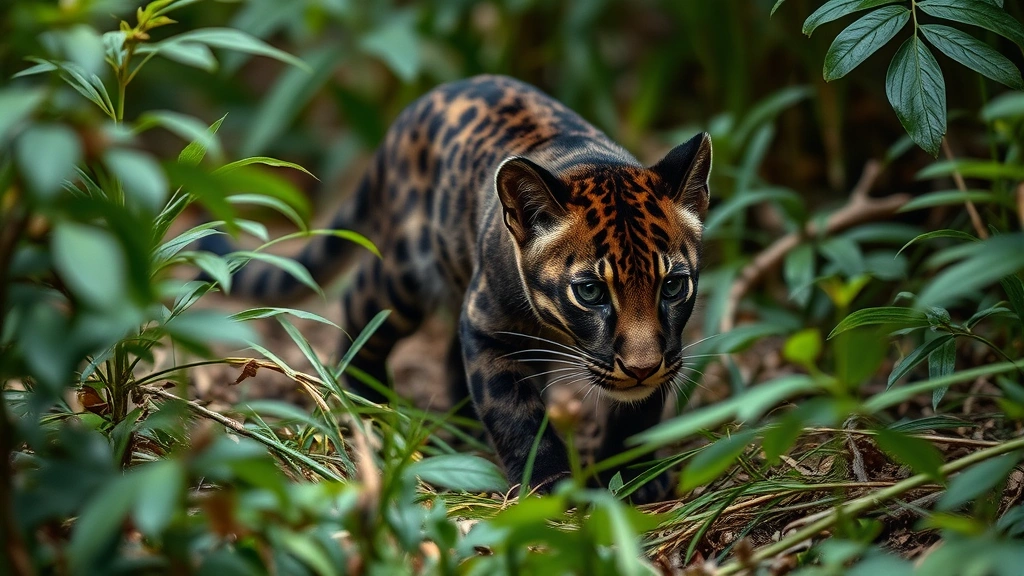
Baby panthers go through remarkable transformations from birth to independence. Understanding these stages gives us appreciation for their incredible growth journey:
Birth to 2 Weeks (Neonatal Stage): Cubs are born blind and deaf, weighing just a few pounds. Their eyes remain closed as their sensory systems develop. The mother keeps them in a den, nursing them frequently throughout the day. During this stage, cubs are entirely vulnerable and dependent on maternal care.
2 to 8 Weeks (Early Development): Eyes open around two weeks of age, revealing beautiful dark eyes. Cubs begin to explore their immediate surroundings within the den. Teeth start erupting, though they’ll continue nursing. Play behaviors emerge as coordination improves. This is when their distinctive spotted or dark coat patterns become more apparent.
2 to 3 Months (Weaning Begins): Cubs start consuming solid food, though nursing continues. The mother introduces them to prey, initially already killed or incapacitated. Play becomes increasingly vigorous and coordinated. Social bonding with siblings intensifies through wrestling and mock hunting.
3 to 6 Months (Juvenile Stage): Cubs accompany their mother on hunts, learning crucial predatory skills through observation and participation. They’re becoming more independent but still rely on maternal guidance. Their coordination and strength improve dramatically during this period.
6 to 18 Months (Young Adult Stage): Cubs are nearly full-sized and capable hunters, though they remain with their mother. They’re refining hunting techniques and social behaviors. The bond with siblings remains strong as they practice cooperation during hunts.
18+ Months (Independence): Panthers reach independence, establishing their own territories. Females may remain closer to their mother’s range, while males typically disperse farther to avoid inbreeding.
Research from the American Veterinary Medical Association indicates that understanding these developmental stages is crucial for zoo management, rehabilitation programs, and conservation breeding initiatives.
Habitat and Behavior Facts
Baby panthers develop within specific environmental contexts that shape their behavior and survival skills. Panthers inhabit diverse ecosystems depending on their species:
African Leopard Panthers: Cubs are born in rocky outcrops, caves, or dense vegetation in African savannas and forests. Mothers choose denning sites with protection from predators and harsh weather. Cubs learn to navigate rocky terrain and tree climbing—skills essential for their predatory lifestyle.
Jaguar Panthers (South American): Cubs develop in rainforest environments, with mothers utilizing dense vegetation and water proximity. They learn to navigate wetlands and become strong swimmers, adapting to the unique challenges of tropical ecosystems.
Florida Panthers: These North American cousins raise cubs in swamp and forest environments, teaching them to navigate unique terrain and adapt to human-influenced landscapes.
Cubs exhibit fascinating behavioral development:
- Play Fighting – Cubs engage in mock combat with siblings, developing coordination and strength while establishing social hierarchies
- Hunting Practice – They practice stalking and pouncing on moving objects, honing skills they’ll use as adults
- Territory Awareness – Mothers teach cubs to recognize and respect territorial boundaries through scent marking and visual exploration
- Vocalization Learning – Cubs develop communication skills, learning the growls, roars, and purrs used in panther society
The National Geographic Society documents these behaviors extensively, providing insights into how wild cubs learn essential survival skills through observation and participation.
Conservation and Protection
Baby panthers face significant threats in the modern world, making conservation efforts critical for species survival. Understanding these challenges helps us appreciate why protecting these creatures matters:
Habitat Loss: Deforestation and urban development destroy the environments where panthers raise their cubs. Loss of denning sites directly impacts cub survival rates. Conservation programs focus on protecting and restoring crucial habitats where cubs can develop safely.
Human-Wildlife Conflict: As human populations expand into panther territory, encounters increase. Cubs born near human settlements face elevated risks from vehicle strikes, hunting, and retaliatory killings. Education programs help communities coexist with these predators.
Genetic Diversity: Small, isolated populations face genetic bottlenecking. Breeding programs in zoos and wildlife facilities carefully manage genetics to ensure healthy cub development and genetic diversity in endangered populations like Florida panthers.
Food Availability: Cubs depend entirely on their mother’s hunting success. Prey depletion from overhunting or habitat degradation directly impacts cub nutrition and survival. Conservation includes protecting prey species and maintaining healthy ecosystems.
Organizations like the World Wildlife Fund’s Leopard Program work internationally to protect panthers at all life stages. These initiatives recognize that protecting cubs ensures population viability and ecosystem health.
When exploring cute babies in nature, it’s worth remembering that our fascination with these adorable creatures should translate into conservation action. Baby panthers deserve protection not because they’re photogenic, but because they represent biodiversity and ecological balance.
Frequently Asked Questions
How many babies do panthers have at once?
Panther mothers typically give birth to two to three cubs per litter, though litters can range from one to four cubs. The exact number depends on the mother’s age, health, nutrition, and environmental conditions. Multiple cubs increase the chances that at least some will survive to adulthood, though it also increases the mother’s nutritional demands.
How long do baby panthers stay with their mother?
Baby panthers remain with their mother for approximately 18 to 24 months. During this period, they learn essential survival skills including hunting techniques, territorial awareness, and social behaviors. The exact timeline varies based on species, individual development, and environmental factors. Male cubs typically disperse earlier and farther than females.
What do baby panthers eat?
Newborn cubs nurse exclusively for approximately 8 to 12 weeks. As they grow, mothers introduce solid food—initially small prey or pieces of larger kills. By three to four months, cubs consume significant amounts of meat while continuing to nurse. By six months, they’re eating primarily meat, though nursing may continue until 12 to 18 months of age.
Can baby panthers be kept as pets?
No, baby panthers should never be kept as pets. They’re wild animals with complex needs, powerful instincts, and significant physical danger as they mature. In most jurisdictions, keeping panthers without proper licenses is illegal. Their welfare requires vast territories, specific diets, and expert care available only in accredited facilities or the wild.
How do scientists study baby panthers in the wild?
Wildlife researchers use non-invasive tracking methods including GPS collars, camera traps, and genetic sampling to study wild cubs. Researchers maintain careful distance to avoid disrupting natural behaviors. Zoos and rehabilitation facilities provide additional research opportunities where cubs can be observed in controlled environments while maintaining naturalistic conditions.
Are baby panthers endangered?
Panther conservation status varies by species and population. African leopard panthers are currently listed as vulnerable, while Florida panthers remain critically endangered with fewer than 200 individuals in the wild. Jaguar panthers face similar threats. Conservation breeding programs and habitat protection are essential for ensuring these cubs have a future in the wild.
What sounds do baby panthers make?
Baby panthers vocalize frequently to communicate with their mother and siblings. Newborns produce mewing sounds similar to domestic kittens. As they grow, they develop growls, hisses, and snarls used in play and communication. Unlike lions, panthers cannot roar; instead, they produce powerful vocalizations called “prusten” or “chuffing” sounds used in friendly communication.