Caring for Baby Parrots: Expert Tips for New Bird Parents
Bringing home a baby parrot is an exciting adventure that requires dedication, patience, and proper knowledge. Unlike caring for human infants where parents turn to resources like parenting advice for new parents, baby parrots demand specialized care tailored to their unique developmental needs. These intelligent creatures grow rapidly during their first months, and providing appropriate nutrition, socialization, and environmental conditions is essential for their health and happiness.
Whether you’re a seasoned bird enthusiast or a first-time parrot parent, understanding the fundamentals of baby parrot care will set you and your feathered friend up for success. From hand-feeding techniques to creating the ideal living space, this comprehensive guide covers everything you need to know to raise a healthy, well-adjusted baby parrot that thrives in your home.
Nutrition and Hand-Feeding Your Baby Parrot
Proper nutrition is the cornerstone of raising a healthy baby parrot. Young parrots require specialized hand-feeding formulas that replicate the nutritional content of their mother’s milk. The formula should contain appropriate ratios of proteins, fats, and carbohydrates to support rapid growth and brain development. Most breeders recommend using commercially prepared hand-feeding formulas specifically designed for baby parrots, as these have been scientifically formulated to meet their precise nutritional requirements.
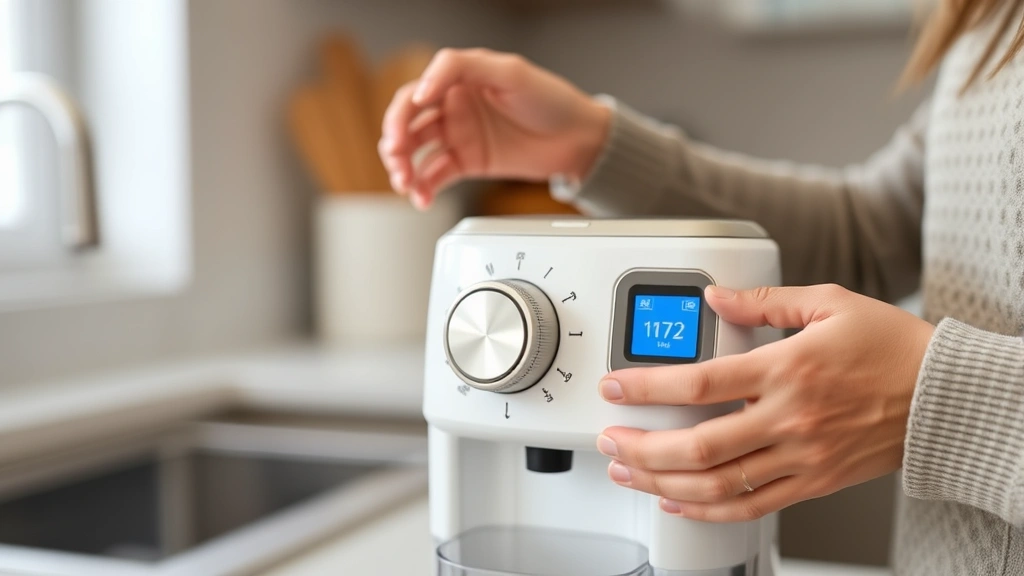
Hand-feeding frequency depends on your baby parrot’s age. Newly hatched chicks may need feeding every two to three hours, including overnight feedings. As they grow, you’ll gradually reduce feeding frequency. By eight weeks of age, most baby parrots transition to three to four daily feedings. The formula temperature is critical—it should be between 102-104°F (39-40°C). Using a thermometer ensures you maintain the correct temperature, preventing crop burns or inadequate digestion.
When hand-feeding, use specialized feeding syringes or spoons designed for baby parrots. Never rush the feeding process, as this can cause aspiration or crop impaction. Allow your baby parrot to swallow naturally between each bite. As your bird grows, introduce soft foods like cooked vegetables, fruits, and sprouted seeds alongside formula feedings. This gradual transition helps develop their natural foraging instincts and prepares them for weaning.
Hydration is equally important. Ensure your baby parrot has access to fresh, clean water in shallow dishes. Some young parrots prefer water from a syringe, especially during the hand-feeding stage. Monitor their water intake carefully, as dehydration can lead to serious health complications.

Creating the Ideal Housing and Environment
Baby parrots require a safe, comfortable environment that supports their rapid growth and development. The cage should be spacious enough to prevent stress, with a minimum size depending on your specific parrot species. As a general rule, larger is always better—a cage that seems spacious now will accommodate your fully-grown bird comfortably. Ensure the cage has multiple perches of varying diameters to promote healthy foot development and prevent pressure sores.
Temperature control is crucial for baby parrots. These young birds haven’t fully developed their temperature-regulation abilities, so maintain an ambient temperature between 70-75°F (21-24°C). Avoid drafts, direct sunlight, and sudden temperature fluctuations, which can stress your baby parrot and compromise their immune system. A heat lamp or ceramic heat emitter may be necessary, especially for very young chicks, to maintain proper body temperature during the brooding stage.
Lighting plays a significant role in your baby parrot’s development. Provide 10-12 hours of natural or full-spectrum artificial light daily to regulate their circadian rhythms and support healthy bone development. Adequate lighting also influences hormone production and behavioral patterns. Establish a consistent day-night cycle by dimming lights during evening hours, which helps your baby parrot develop normal sleep patterns essential for growth.
The cage environment should include safe, non-toxic materials for enrichment. Provide various toys that encourage natural behaviors like climbing, chewing, and foraging. Rotate toys regularly to maintain mental stimulation and prevent boredom. Avoid toys with small parts that could be swallowed, sharp edges, or toxic materials like lead-based paints or certain woods. Research which materials are safe—for instance, apple wood and willow branches are excellent choices, while avocado and chocolate are toxic.
Ventilation is essential but must be balanced with temperature control. Ensure adequate air circulation without creating drafts. Poor air quality can lead to respiratory issues in baby parrots, so avoid areas near kitchens where cooking fumes can damage their sensitive respiratory systems. Never use non-stick cookware (Teflon) around parrots, as the fumes can be fatal.

Socialization and Bonding With Your Baby Parrot
Early socialization profoundly impacts your baby parrot’s personality and behavior throughout their life. Hand-reared parrots that receive consistent, positive human interaction develop stronger bonds with their owners and typically display more desirable behaviors. Begin socialization during the hand-feeding stage by gently handling your baby parrot during and between feedings, speaking softly to help them become accustomed to your voice and presence.
Gradually introduce your baby parrot to different family members, household sounds, and varied environments. This exposure helps prevent fear-based aggression and behavioral problems later in life. However, ensure all interactions are gentle and supervised, as baby parrots are fragile and can be easily injured by rough handling or accidental drops.
Establish a consistent routine that your baby parrot can anticipate. Regular feeding times, play sessions, and sleep schedules create security and reduce anxiety. As your bird grows and transitions to independence, maintain these routines while gradually allowing more autonomy. The goal is to develop a well-adjusted bird that feels secure in your home and comfortable with appropriate human interaction.
Avoid over-handling that could stress your baby parrot or interfere with their natural development. Balance socialization with periods of rest and independent exploration. Young parrots need adequate sleep—typically 10-12 hours daily—to support healthy growth and immune function. A quiet sleeping area away from household activity helps ensure they get the rest they need.
As your baby parrot matures, introduce training using positive reinforcement techniques. Teaching simple commands and behaviors strengthens your bond while providing mental stimulation. Many parrot species are highly intelligent and enjoy learning tricks, solving puzzles, and participating in interactive activities. This engagement prevents behavioral problems associated with boredom and frustration.
Health Monitoring and Veterinary Care
Regular veterinary check-ups are essential for ensuring your baby parrot’s health and development. Find an avian veterinarian—a specialist with expertise in bird medicine—before you bring your baby parrot home. These experts can provide guidance on species-specific care requirements and monitor your bird’s growth trajectory. Schedule an initial veterinary exam within the first week of bringing your baby parrot home to establish a baseline health assessment.
Watch for signs of illness or developmental problems. Healthy baby parrots should have clear, bright eyes; smooth feathers; active behavior; and consistent eating habits. Be alert for warning signs including labored breathing, discharge from eyes or nostrils, lethargy, reduced appetite, or abnormal droppings. Any concerning symptoms warrant immediate veterinary attention, as baby parrots can deteriorate quickly if health issues aren’t addressed promptly.
Preventive care includes maintaining excellent hygiene in your baby parrot’s environment. Clean food and water dishes daily, change substrate regularly, and disinfect perches and toys weekly. This reduces the risk of bacterial and fungal infections that can be particularly dangerous for young birds with developing immune systems.
Discuss vaccination options with your avian veterinarian. While vaccines aren’t universally recommended for all pet parrots, your veterinarian can assess your baby parrot’s risk factors based on their species, living situation, and exposure to other birds. Proper nutrition, hygiene, and stress reduction provide the foundation for a strong immune system that naturally resists disease.
Understanding Baby Parrot Developmental Milestones
Baby parrots progress through distinct developmental stages, each characterized by specific physical and behavioral changes. Understanding these milestones helps you provide appropriate care at each stage and identify any developmental delays requiring veterinary attention.
Hatchling Stage (0-2 weeks): Newly hatched parrots are nearly featherless, blind, and completely dependent on caregivers for warmth and nutrition. They require frequent hand-feedings (every 2-3 hours) and constant warmth. During this stage, focus on gentle handling and establishing a secure feeding routine.
Nestling Stage (2-6 weeks): Baby parrots begin developing feathers and opening their eyes. They become more responsive to handling and start exploring their environment. Feeding frequency decreases slightly, and you can introduce soft foods alongside formula. This is an ideal time to intensify socialization efforts.
Fledgling Stage (6-12 weeks): Young parrots develop most of their adult plumage and begin learning to eat independently. They become increasingly playful and interactive. Gradually reduce hand-feeding frequency while introducing a varied diet of pellets, fresh vegetables, fruits, and nuts. This stage is crucial for developing independence while maintaining your bond.
Independence Stage (12+ weeks): Baby parrots transition to eating primarily on their own, though they may still accept occasional hand-feedings as a bonding activity. They become more confident explorers and develop their personality traits. Continue socialization and training to shape desirable behaviors.
Growth rates vary significantly by species. Small species like budgies and cockatiels reach maturity within several months, while large species like macaws and African greys take several years to fully develop. Research your specific species’ timeline to set appropriate expectations and provide species-specific care.
Frequently Asked Questions
What should I feed my baby parrot?
Use commercially prepared hand-feeding formulas specifically designed for baby parrots during the hand-feeding stage. As your bird grows, gradually introduce high-quality pellets, fresh vegetables (like leafy greens, carrots, and broccoli), fruits (in moderation), and nuts. Avoid avocado, chocolate, salt, and caffeine, which are toxic to parrots. Consult with an avian veterinarian to ensure you’re providing complete nutrition for your specific species.
How often should I feed my baby parrot?
Feeding frequency depends on age. Newly hatched chicks need feeding every 2-3 hours, including overnight feedings. By 4-6 weeks, reduce to 4-5 daily feedings. By 8-10 weeks, transition to 2-3 daily feedings. By 12+ weeks, most baby parrots eat independently. Always monitor your individual bird’s appetite and consult your veterinarian if you’re unsure about appropriate feeding schedules.
Can I keep a baby parrot with other birds?
Housing baby parrots with other birds requires careful consideration. Different species have different socialization needs and may not be compatible. Some species are highly territorial and may injure or kill other birds. Housing same-species birds together during the baby stage can work if properly monitored, but adult parrots often need separate housing. Consult with an avian specialist to determine the best housing arrangement for your specific situation.
When should my baby parrot see a veterinarian?
Schedule an initial veterinary exam within the first week of bringing your baby parrot home. Then maintain regular check-ups based on your avian veterinarian’s recommendations—typically annually for healthy adult birds, but more frequently during the first year of life. Seek immediate veterinary attention if you notice signs of illness, injury, or developmental problems.
How long do baby parrots depend on their parents?
Independence timeline varies by species. Small species like budgies become independent within 3-4 months, while large species like macaws may depend on parents for 1-2 years. Hand-reared baby parrots typically become independent sooner than wild-reared birds. However, they maintain social bonds with their human caregivers throughout their lives, which can span 20-80+ years depending on species.
What’s the best way to handle a baby parrot?
Handle your baby parrot gently and frequently during the hand-feeding stage to build trust and socialization. Support their body properly, avoiding squeezing or rough handling. Let them perch on your finger or hand during calm moments. Avoid handling immediately after feeding or during sleep time. Watch for stress signals like ruffled feathers or hissing, and give your bird a break if they seem overwhelmed.