Where Are Baby Pigeons? Unveiling the Mystery
Ever wondered why you’ve never seen a baby pigeon cooing around your local park? You’re not alone. This quirky question has puzzled curious minds for years, and the answer is far more fascinating than you might expect. Unlike ducklings waddling behind their mothers or baby robins learning to hop on tree branches, baby pigeons seem to exist in some hidden realm we rarely witness. As parents and nature enthusiasts exploring the world with our children, understanding these feathered mysteries opens up wonderful conversations about wildlife, development, and the natural world around us.
The truth about baby pigeons reveals something genuinely remarkable about avian development and parental care. This exploration isn’t just trivia—it’s a window into how different species protect their young and adapt to urban environments. Whether you’re answering your child’s curious questions or simply satisfying your own wonder, this comprehensive guide will solve the baby pigeon puzzle once and for all.
What Are Baby Pigeons Called?
Baby pigeons have an official name that sounds somewhat unusual: squabs. This term applies specifically to young pigeons before they fledge (leave the nest). The word “squab” derives from Old Norse origins and has been used in ornithological circles for centuries. When you’re discussing baby birds with your children, adding this vocabulary enriches their understanding of species-specific terminology.
Interestingly, the term “squab” carries additional meaning in culinary contexts—it refers to young pigeon meat. However, in our context, we’re focusing on the living, developing young pigeons in their natural state. Understanding proper terminology helps children develop scientific literacy and respect for different species. It’s the kind of knowledge that makes nature conversations more engaging and authentic.
The lifecycle terminology continues beyond squabs. Once pigeons reach maturity and develop their adult plumage, they’re simply called pigeons or doves, depending on the specific species. Unlike baby penguins that have distinctive appearance throughout their youth, squabs transform quite dramatically as they mature.
Why We Never See Baby Pigeons
The primary reason you’ve never spotted a baby pigeon is straightforward: they stay hidden. Unlike many bird species that develop in open nests where parents can easily access them, squabs remain concealed in protected nesting sites throughout their vulnerable growth period. Pigeons are remarkably deliberate about choosing nest locations that provide maximum security and minimal exposure.
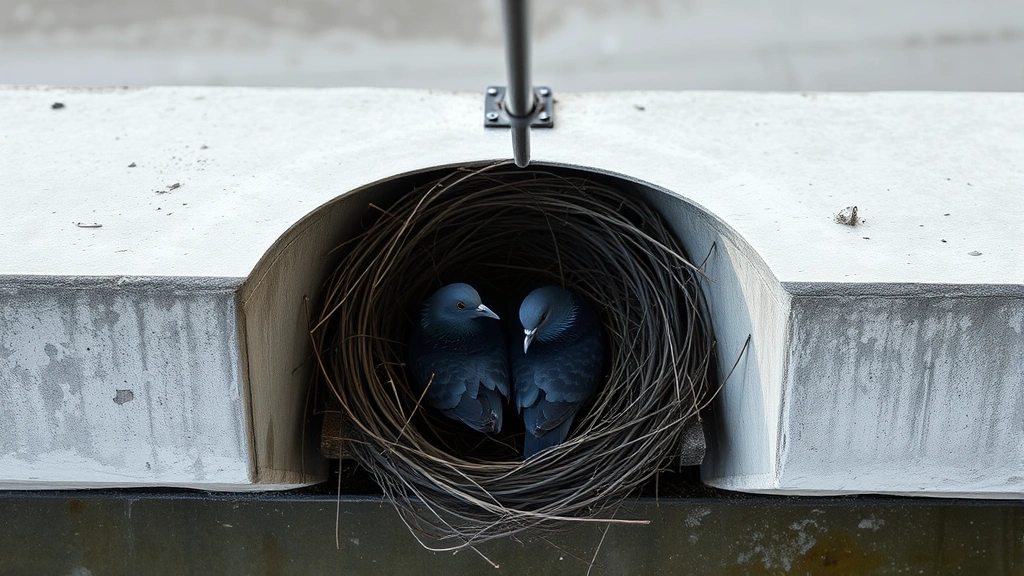
Pigeons typically nest in enclosed or semi-enclosed spaces: building ledges with overhangs, under bridges, in abandoned structures, attic spaces, and cliff crevices. These locations keep squabs completely out of public view during their most vulnerable developmental stages. The parents visit periodically to feed their young, but casual observers rarely catch these moments.
Another crucial factor involves the rapid development of pigeons. From hatching to fledging takes approximately 25-29 days—remarkably quick compared to many bird species. During this relatively brief window, squabs remain hidden away, developing from tiny, helpless chicks into fully-feathered juveniles capable of flight. Once they leave the nest, young pigeons look nearly identical to adults, making them indistinguishable to untrained eyes.
Where Baby Pigeons Actually Live
Squabs live wherever their parents establish nesting sites, which increasingly means urban and suburban environments. Rock pigeons (the most common pigeon species worldwide) have adapted brilliantly to city living, utilizing human-made structures as substitutes for their natural cliff habitats. This adaptation explains why pigeons thrive in metropolitan areas while maintaining their secretive nesting behavior.
Common nesting locations include:
- Building ledges and cornices: Pigeons favor architectural features that provide shelter from rain and wind
- Under bridges and overpasses: These structures offer protection and often have multiple available ledges
- Abandoned or unused buildings: Industrial areas and vacant structures provide ideal undisturbed nesting environments
- Parking garage structures: The layered design creates perfect sheltered spaces
- Church steeples and bell towers: Historical buildings offer numerous nesting opportunities
- Ventilation shafts and exhaust ducts: Though less ideal, pigeons adapt to these confined spaces
The genius of pigeon nesting strategy is that these locations remain largely inaccessible to ground predators and human interference. Parents can monitor their squabs from nearby perches while maintaining protective distance. This behavior contrasts sharply with baby animals that develop in more exposed environments, requiring different protective strategies.
The Development Timeline of Pigeons
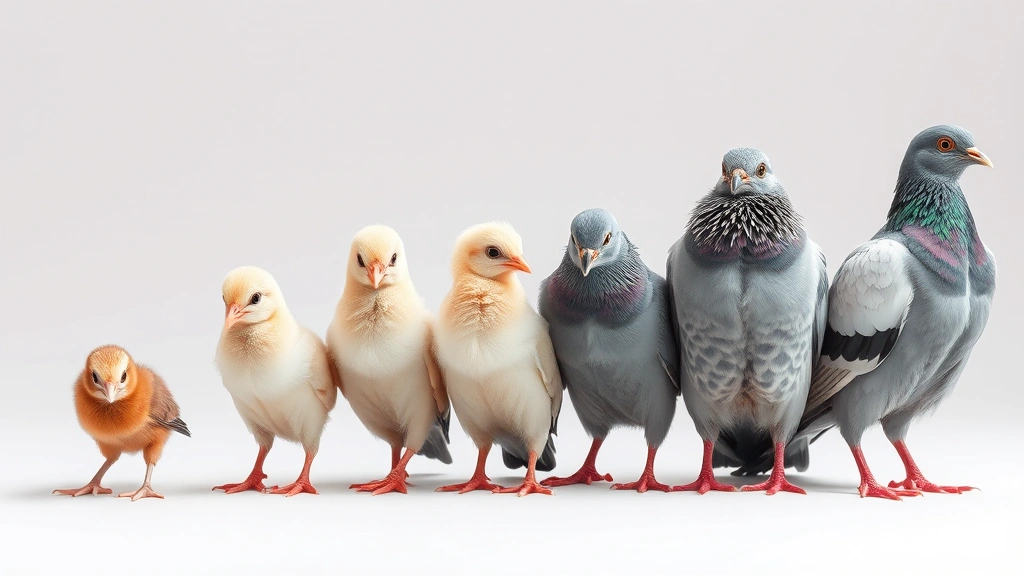
Understanding the squab development timeline reveals why these young birds remain hidden and why their growth is so remarkably efficient. Pigeon development operates on an accelerated schedule compared to many bird species.
Days 1-3 (Hatchling Stage): Squabs emerge completely naked, blind, and entirely dependent on parental care. They’re approximately the size of a jelly bean and weigh less than a penny. At this stage, they’re extraordinarily vulnerable and require constant warmth and protection.
Days 4-7 (Early Growth): Pinfeathers begin emerging, appearing as tiny quills breaking through the skin. The squabs’ eyes start opening, though they remain mostly helpless. Parents continue feeding them crop milk—a nutrient-rich secretion from the parent’s crop (an enlarged esophagus section).
Days 8-14 (Rapid Feather Development): Real plumage emerges rapidly, covering the previously naked body. Squabs become more active, moving around the nest and beginning to recognize their parents. Their eyes are fully open, and they’re starting to regulate their body temperature more effectively.
Days 15-21 (Pre-Fledging): Squabs develop nearly complete adult plumage and begin exercising their wings. They start consuming solid food alongside crop milk, transitioning to adult diet. Their coordination improves dramatically, and they spend increasing time standing and moving within the nest.
Days 22-29 (Fledging): Young pigeons are now fully feathered and capable of sustained flight. They leave the nest for the first time, though they remain dependent on parents for several weeks. Once airborne, they’re virtually indistinguishable from adult pigeons to casual observers.
Pigeon Parenting: A Unique Approach
Pigeons demonstrate remarkable parenting behaviors that differ significantly from many other bird species. Both male and female pigeons share parenting responsibilities equally, which is relatively uncommon in the avian world. This shared commitment ensures squabs receive consistent care and feeding throughout their development.
The crop milk production is particularly fascinating. Both parents develop a specialized tissue lining in their crop that sheds nutritious cells mixed with fluid, creating a protein-rich food source perfectly suited to squab nutritional needs. This adaptation allows parents to provide essential nutrients without requiring their young to consume insects or seeds immediately.
Pigeons typically raise multiple clutches annually—often 8-12 squabs per year from a single pair. This reproductive strategy contrasts with baby eagles, which develop slowly and are raised in much smaller numbers. The pigeon approach prioritizes quantity and rapid reproduction, allowing populations to thrive even in challenging urban environments.
Parent pigeons communicate with their squabs through gentle cooing sounds, creating bonding that extends beyond mere feeding. Young pigeons learn to recognize their parents’ calls and respond appropriately. This vocal communication establishes social structures that persist throughout the birds’ lives.
Teaching Kids About Wildlife Discovery
The baby pigeon mystery offers a wonderful teaching opportunity for parents interested in fostering scientific curiosity. When children ask where baby pigeons hide, you’re witnessing genuine wonder about the natural world. Rather than simply answering, consider turning it into an investigation.
Encourage your children to observe pigeons in your neighborhood. Look for nesting sites on building ledges or under bridges. Discuss why adult pigeons choose these locations and what advantages they provide. This develops observational skills and ecological thinking. Ask questions like: “Why might a pigeon choose that ledge?” or “What would make a good home for baby birds?”
Visit Audubon’s educational resources together to learn more about local bird species. The American Audubon Society provides excellent materials for families interested in bird watching and ornithology. Consider starting a family bird journal where you document sightings and behaviors.
Connect this knowledge to broader understanding of cute babies across species. Discuss how different animals protect their young in species-appropriate ways. Compare pigeon parenting to other birds you observe. This comparative approach develops critical thinking and appreciation for biological diversity.
According to the American Academy of Pediatrics, outdoor exploration and nature education significantly benefit child development. Nature-based learning enhances cognitive development, reduces stress, and fosters environmental stewardship. The baby pigeon question becomes a gateway to these broader developmental benefits.
Consider creating a simple chart tracking the timeline of pigeon development. Use illustrations or photos to show the transformation from tiny, naked squab to fully-feathered young pigeon. This visual learning tool helps children grasp the remarkable speed of avian development.
The CDC’s resources on environmental health include information about urban wildlife and disease prevention, useful context for discussions about pigeons in cities. Teaching children to appreciate wildlife while maintaining appropriate hygiene creates balanced understanding.
Encourage your children to sketch or photograph pigeons they observe. Create a “Pigeon Detective” notebook where they record observations about behavior, nesting sites, and feeding patterns. This hands-on approach transforms abstract knowledge into personal discovery.
Frequently Asked Questions
How long do baby pigeons stay in the nest?
Baby pigeons (squabs) typically remain in the nest for 25-29 days from hatching to fledging. This relatively brief period represents one of the fastest development timelines among bird species. The rapid growth and development allow pigeons to raise multiple broods annually, contributing to their population success in urban environments.
Can you keep baby pigeons as pets?
While technically possible, keeping baby pigeons as pets requires significant expertise and commitment. Squabs require specialized feeding with crop milk substitutes during early development, precise temperature control, and appropriate housing. Most animal welfare experts recommend against capturing wild squabs. If you’re interested in pigeon care, consult local wildlife rehabilitation centers or experienced pigeon keepers for guidance.
What do baby pigeons eat?
Newborn squabs consume crop milk produced by both parents. As they develop, they gradually transition to solid foods including seeds, grains, and plant matter. Parents regurgitate food directly into the squab’s mouth during feeding, a process called “pigeon milk feeding.” By fledging age, young pigeons consume the same diet as adults.
Why don’t we see baby pigeons in parks?
Baby pigeons remain hidden in protected nesting sites throughout their development period. Once they fledge and leave the nest, young pigeons look nearly identical to adults, making them indistinguishable to casual observers. The combination of hidden nesting locations and rapid development means squabs are virtually invisible to the general public.
Are baby pigeons the same color as adults?
Young pigeons develop adult coloration relatively quickly as their plumage emerges. However, newly fledged squabs may have slightly duller or less defined coloring compared to mature adults. Within weeks of leaving the nest, color differences become negligible, making young pigeons visually identical to their parents.
How many baby pigeons do pigeons have per year?
A pigeon pair typically raises 8-12 squabs annually, usually in multiple clutches of 2 eggs each. This high reproductive rate allows pigeon populations to thrive and quickly recover from population losses. The frequent breeding cycles are one reason pigeons have become so successful in urban environments worldwide.
Do male pigeons help raise baby pigeons?
Yes, absolutely. Male pigeons are highly involved fathers, sharing all parenting responsibilities equally with females. Both parents produce crop milk, take turns incubating eggs, and feed squabs throughout development. This shared parenting commitment is relatively uncommon in the bird world and contributes to pigeon reproductive success.