What Do Baby Praying Mantises Eat? Expert Guide
If you’ve ever watched a praying mantis with wide-eyed wonder, you’re not alone. These fascinating insects captivate children and adults alike with their alien-like appearance and lightning-fast hunting prowess. But here’s where things get really interesting: baby praying mantises, called nymphs, are born into a world where survival depends entirely on finding the right food. Unlike human babies who rely on parents for nourishment, these tiny predators must hunt from day one—and what they eat shapes their entire development.
Whether you’re raising mantises as a fascinating classroom project, keeping them as pets, or simply curious about nature’s incredible design, understanding what baby praying mantises eat is essential. These creatures operate on completely different nutritional needs than their adult counterparts, and getting their diet wrong can stunt their growth or worse. The good news? With the right knowledge, feeding baby mantises becomes straightforward and rewarding.
Let’s dive into the complete guide to nourishing these remarkable insects from their earliest days through their growth stages.
Understanding Baby Praying Mantis Nymphs
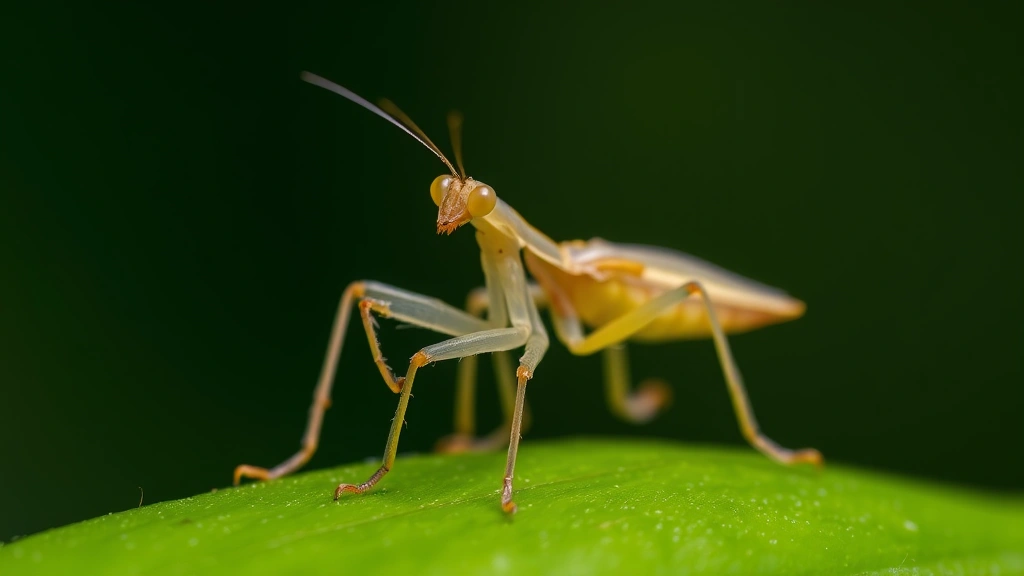
Baby praying mantises emerge from their eggs in a process called oothecae hatching—essentially, hundreds of tiny nymphs burst from a protective egg case all at once. This synchronized emergence is nature’s way of overwhelming predators with sheer numbers, ensuring at least some survive to adulthood. When these nymphs first hatch, they’re incredibly small, often measuring just a quarter-inch long, and they’re absolutely ravenous.
The key distinction here is that nymphs aren’t miniature versions of adult mantises waiting to grow—they’re a completely different life stage with unique nutritional requirements. Their exoskeletons are soft and flexible, their metabolism is racing at full speed, and they’re molting frequently as they develop. Each molt represents a dramatic growth spurt, and the energy demands during these periods are extraordinary.
What makes baby mantises different from other baby insects is their aggressive predatory nature from birth. They don’t have a gradual learning curve; they’re hardwired hunters. Within hours of hatching, they’re already stalking prey and attempting captures. This instinctive behavior is both a blessing and a challenge for anyone caring for them.
What Baby Mantises Eat in Their First Days
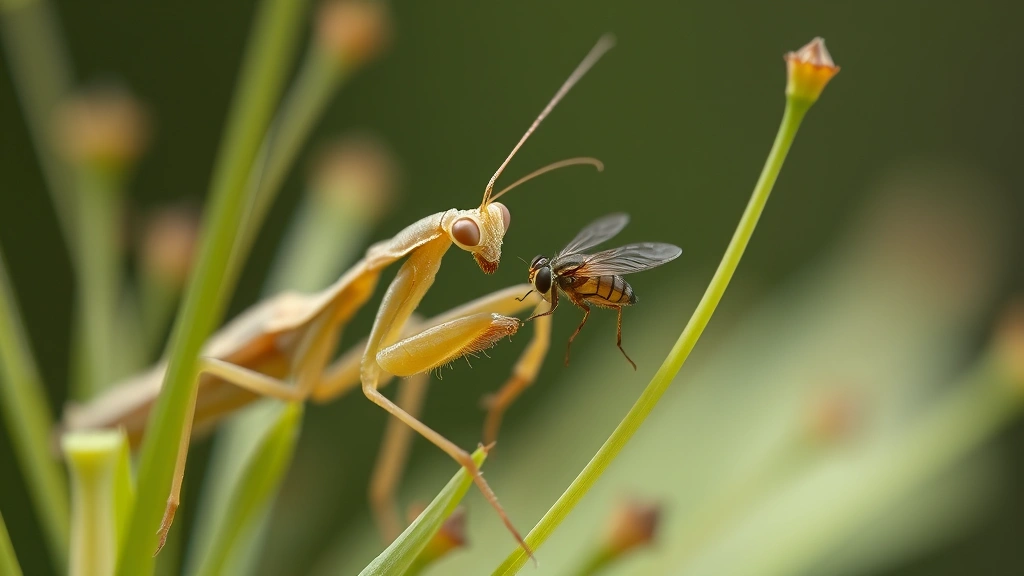
The first meal a baby praying mantis receives is critical. During the first 24-48 hours after hatching, nymphs can actually survive on their internal yolk reserves, but they’ll begin hunting almost immediately. The ideal first food is something incredibly small—we’re talking about prey that matches or barely exceeds the mantis’s own size.
Fruit flies are the gold standard starter food for baby mantises. These tiny insects are perfectly sized for newly hatched nymphs, easy to culture at home, and nutritionally appropriate. A single fruit fly provides enough sustenance for a young mantis while being manageable for them to capture and consume. You can purchase fruit fly cultures or create your own using bananas and a container with ventilation holes.
Pinhead crickets represent another excellent option, though they’re slightly larger than fruit flies. If you’re sourcing these from a supplier, ensure they’re specifically labeled as pinhead size—regular crickets are far too large and can actually injure a baby mantis. The cricket’s powerful hind legs can wound a nymph if the mantis isn’t careful during the capture.
Gnats and small flies also work wonderfully as starter prey. These insects are naturally occurring in many environments, and if you have access to wild populations, they’re free and abundant. However, ensure any wild-caught insects haven’t been exposed to pesticides, which would be toxic to your mantis.
The feeding frequency during this initial stage should be daily or even twice daily if you’re monitoring growth closely. Baby mantises will eat when hungry, and refusing food typically indicates they’re preparing to molt rather than lacking appetite.
Dietary Progression as They Grow
As your baby mantises grow through successive molts—typically six to ten instars depending on species—their dietary needs evolve significantly. What worked perfectly for a newly hatched nymph becomes insufficient as they double, then triple, then multiply their body size.
Weeks 1-2 (Post-hatching): Fruit flies and gnats remain the primary food source. At this stage, most nymphs are still under a half-inch long, and these tiny prey items are ideal for their hunting capabilities and digestive capacity.
Weeks 3-4: As nymphs approach their first or second molt, you can gradually introduce slightly larger prey. Small house flies, slightly larger crickets, and tiny roaches become viable options. This is where understanding your specific mantis species matters—some grow faster than others, so observe your individual insects rather than rigidly following timelines.
Month 2-3: Growing mantises can now handle medium-sized crickets, small grasshoppers, and larger flies. This is when feeding becomes more flexible. Many keepers switch to crickets as their primary food source because they’re widely available, inexpensive, and nutritionally complete. However, variety matters for overall health.
Month 4 onwards: Juvenile and approaching-adult mantises can consume larger crickets, roaches, moths, and even small vertebrates like lizards or tiny mice in some cases. This dietary range allows you to adapt to what’s available and what your mantis seems to prefer.
A practical approach many experts recommend is rotating prey types. Rather than feeding crickets exclusively, alternate with flies, roaches, grasshoppers, and moths throughout the week. This variety ensures your mantis receives a complete spectrum of nutrients and prevents boredom-related feeding refusal.
For those interested in broader insect knowledge, exploring our comprehensive baby nature guide can provide context for understanding how different species develop. Similarly, learning about baby birds offers interesting comparisons in how different creatures approach nutrition and growth.
Proper Feeding Techniques and Frequency
Feeding baby mantises isn’t as simple as dropping prey into their enclosure and walking away. These insects have specific hunting behaviors and preferences that affect feeding success.
Live prey is essential. Baby mantises are visual hunters that respond to movement. Dead or motionless insects won’t trigger their predatory instincts, and they’ll starve surrounded by food. This means you must provide living prey every single time.
Enclosure setup matters. The space where feeding occurs influences success rates. A bare enclosure with minimal hiding spots makes it easier for baby mantises to locate and capture prey. Conversely, if your enclosure has lots of plants and decorations, prey can hide indefinitely, leaving your mantis without food.
Feeding frequency depends on age and molt cycle. Newly hatched nymphs should eat daily or twice daily. As they grow, you can typically reduce to every other day or even every third day for larger juveniles. However, the best indicator is your mantis’s appearance—a well-fed nymph has a rounded abdomen, while a hungry one appears thin or angular.
Monitor feeding carefully. Unlike mammals that can regulate their own intake, mantises will sometimes attempt to capture prey that’s too large or dangerous. Supervising feeding sessions, especially early on, prevents injuries. If a mantis grabs something it can’t handle, gently remove the prey using tweezers.
Remove uneaten prey promptly. Crickets and roaches can be aggressive toward mantises, especially smaller nymphs. If your mantis hasn’t consumed its prey within 24 hours, remove it to prevent the insect from harassing or injuring your mantis during vulnerable periods like molting.
Consider using feeding tweezers. For older nymphs and juveniles, offering prey via tweezers allows you to control placement and ensure your mantis can capture it safely. This technique also strengthens the hunting response and makes feeding more interactive.
Hydration and Water Needs
While we’re discussing what baby praying mantises eat, it’s impossible to ignore their water requirements. Hydration is just as critical as nutrition, and many inexperienced keepers overlook this essential need.
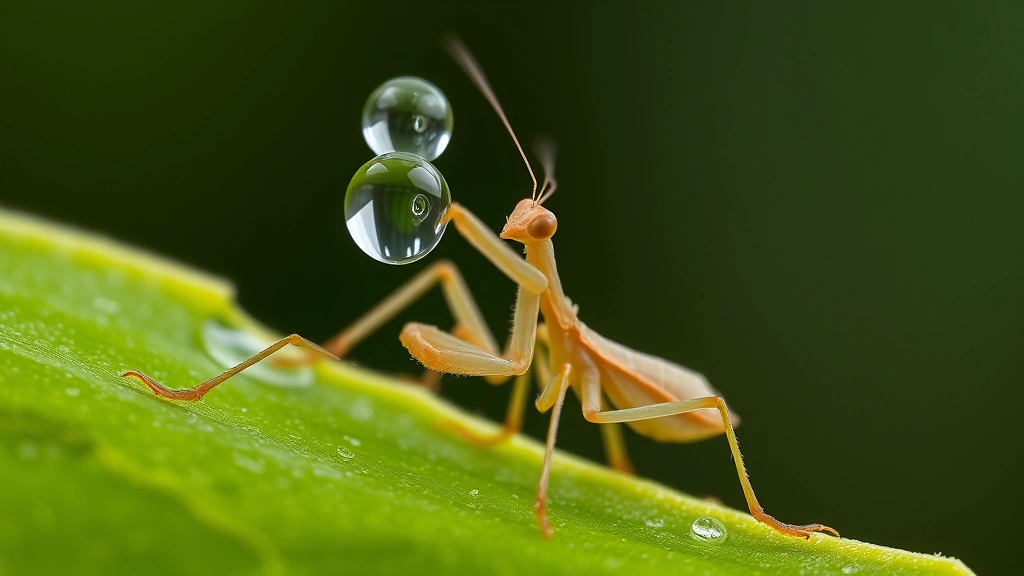
Baby mantises don’t drink standing water from dishes; instead, they obtain moisture from their prey and from droplets on vegetation. The most effective hydration method is misting your enclosure lightly with water twice daily, creating small droplets on the plants or walls that your mantis can drink from. Alternatively, include live plants in the enclosure that naturally hold moisture.
A simple spray bottle works perfectly for this purpose. Mist the enclosure gently in the morning and evening, creating humidity without creating a swampy environment that promotes mold or bacterial growth. The ideal humidity level for most mantis species ranges from 40-60%, which is comfortable for the insects and prevents respiratory issues.
Signs of dehydration include a shriveled appearance, lethargy, and difficulty molting. If you notice these symptoms, increase misting frequency and ensure your mantis has adequate access to water droplets. Proper hydration becomes especially critical during molting, when mantises are stationary and vulnerable.
Common Feeding Mistakes to Avoid
Even with the best intentions, well-meaning caretakers can inadvertently harm baby mantises through feeding errors. Understanding these pitfalls helps you avoid them.
Offering prey that’s too large: This is perhaps the most common mistake. An oversized cricket or roach can injure or kill a baby mantis. Always err on the side of smaller prey—your mantis can always eat more, but it can’t recover from wounds inflicted by prey it couldn’t handle.
Feeding dead or frozen insects: Thawed frozen insects might seem convenient, but they don’t trigger the hunting response. Baby mantises need living, moving prey to stimulate their predatory instincts. Dead insects simply won’t work.
Neglecting variety: Feeding exclusively crickets or exclusively flies limits your mantis’s nutritional intake. Different insects offer different nutrient profiles. Rotating prey types ensures comprehensive nutrition.
Overfeeding: While it seems counterintuitive, overfeeding can cause problems. An overstuffed mantis becomes sluggish and may refuse food, disrupting the natural feeding cycle. Allow your mantis to eat to satiation, then wait until it shows hunger signs again before feeding.
Poor enclosure hygiene: Uneaten prey decomposes, creating bacteria and mold that sicken your mantis. Remove any uneaten insects within 24 hours and clean the enclosure regularly.
Feeding during molt: Never offer food to a mantis that’s molting or in pre-molt condition. These insects are vulnerable and focused on shedding their exoskeleton. Wait until the new exoskeleton hardens before resuming feeding.
If you’re new to keeping insects as pets, you might also appreciate resources like our baby book section for general caregiving principles that apply across different species. And if you have children interested in nature observation, checking out unique baby girl gifts or nature-themed options can foster that curiosity further.
Frequently Asked Questions
How long can a baby praying mantis survive without food?
Newly hatched nymphs can survive approximately 3-5 days without food by living off their internal yolk reserves. However, this should be viewed as an emergency reserve, not a feeding schedule. Regular daily feeding from day one promotes healthy development and prevents stress-related health issues.
Can baby mantises eat each other?
Yes, cannibalism is common among baby mantises, especially when they’re crowded or hungry. If you’re raising multiple nymphs, house them separately to prevent this natural behavior. Once they’re older and have established territories, some species can coexist, but it’s risky.
What’s the best food for maximum growth?
While crickets are convenient and widely available, a varied diet promotes the best growth. Rotating between crickets, flies, roaches, and other insects ensures your mantis receives diverse nutrients. Research suggests that insects fed varied diets themselves (nutritionally complete crickets or roaches) also provide better nutrition to your mantis.
How do I know if my baby mantis is eating enough?
A well-fed nymph displays a visibly rounded abdomen, is active and alert, and molts regularly according to its species timeline. Conversely, a hungry mantis appears thin, moves sluggishly, and may refuse food even when offered. Track your mantis’s feeding schedule and growth to establish baselines.
Are there any foods to avoid for baby mantises?
Absolutely. Avoid any insects that have been exposed to pesticides or insecticides—these are toxic to mantises. Don’t feed prey that’s been caught in the wild near roads or treated lawns. Additionally, avoid oversized prey, dead insects, and anything that might have parasites or diseases.
Can I feed my baby mantis store-bought insects?
Yes, provided they come from reputable suppliers. Pet stores, online insect suppliers, and specialized breeders all provide safe, pesticide-free insects specifically cultured for feeding. Ensure the supplier has good reviews and practices proper hygiene in their cultures.
What about feeding supplements or vitamin powder?
While some keepers dust prey with vitamin supplements, it’s not necessary if you’re providing varied, nutritionally complete insects. A diverse diet of healthy prey typically provides all necessary nutrients. If you choose to supplement, use products specifically designed for reptiles and insects, applied sparingly.
How does diet affect adult mantis behavior?
Nutrition during the nymph stage significantly impacts adult behavior and reproduction. Well-nourished nymphs develop into larger, more robust adults with better hunting success and reproductive capacity. Conversely, undernourished nymphs may mature into smaller, weaker adults with reduced lifespan and fertility.