How to Choose a Baby Quilt? Expert Tips for Safety, Comfort & Style
Selecting the perfect baby quilt is one of those decisions that feels bigger than it should. You’re not just picking fabric and batting—you’re choosing something that will wrap your little one during precious sleep moments, possibly become a cherished keepsake, and serve as a decorative anchor in the nursery. With countless options available, from heirloom-quality designs to budget-friendly alternatives, new parents often feel overwhelmed.
Whether you’re shopping for a newborn gift, preparing your nursery, or looking to upgrade your current bedding, understanding what makes a quality baby quilt matters. This guide walks you through safety considerations, material choices, sizing, design options, and practical maintenance tips—everything you need to make a confident decision.
Table of Contents
- Safety Considerations
- Materials and Fabrics
- Sizing Your Baby Quilt
- Design Styles and Themes
- Crib Compatibility
- Budget-Friendly Choices
- Care and Maintenance
- FAQ
Safety Considerations First
Before aesthetics or price, safety is paramount. The American Academy of Pediatrics recommends keeping soft objects and loose bedding out of the crib for infants under 12 months to reduce the risk of suffocation. This guideline significantly impacts how you use a baby quilt.
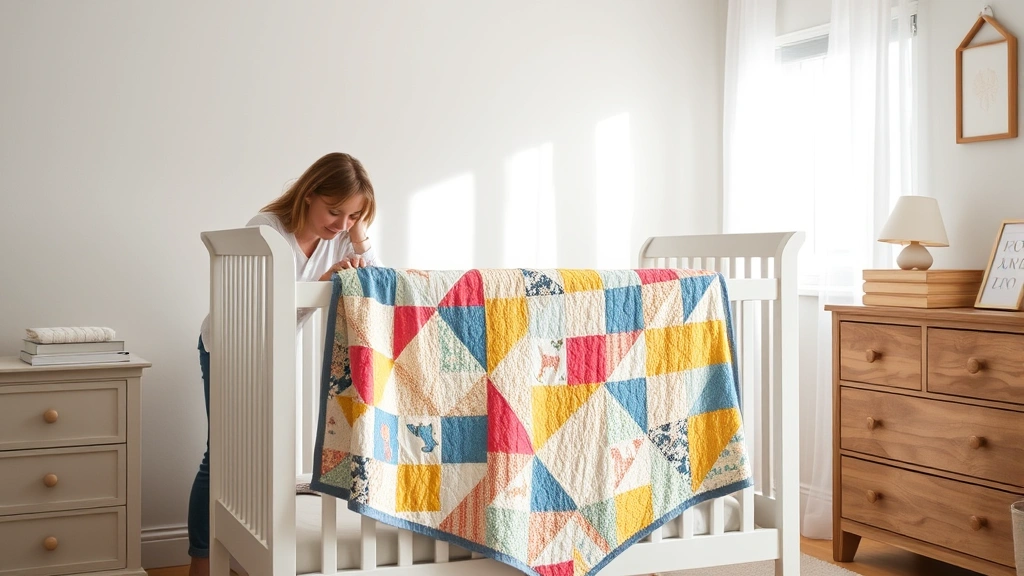
Crib Safety Guidelines: For babies under one year, quilts should not be placed in the crib during sleep. Instead, use a firm mattress with a fitted sheet and a sleep sack or wearable blanket. Many parents reserve quilts as decorative elements on top of the crib rail or use them during supervised tummy time and play.
Once your child transitions to a toddler bed (typically around 18 months to 3 years), a quilt becomes more appropriate for actual bedding use. Even then, ensure there are no choking hazards like loose buttons, beads, or embellishments that could pose a danger.
Always check that your chosen quilt meets safety standards. Look for certifications indicating compliance with standards from organizations like CPSC (Consumer Product Safety Commission) and ensure any dyes used are non-toxic and baby-safe.
Materials and Fabrics Matter
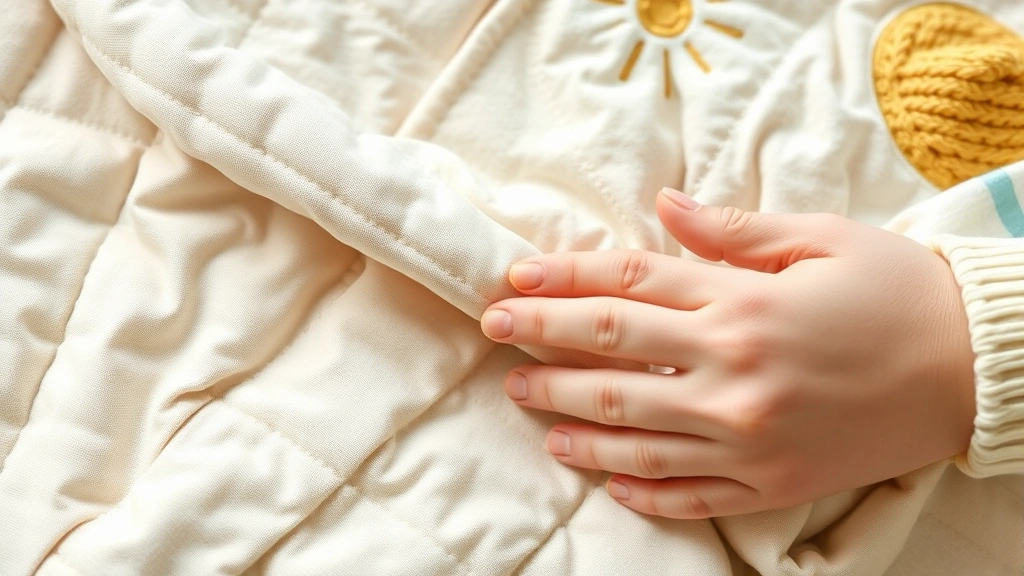
The fabric composition of your baby quilt affects comfort, durability, breathability, and maintenance requirements. Understanding your options helps you choose what works best for your family’s needs.
Cotton: The gold standard for baby bedding, organic cotton is hypoallergenic, breathable, and gentle on sensitive skin. It’s also durable and easy to wash. Look for GOTS (Global Organic Textile Standard) certification to ensure the cotton is grown without synthetic pesticides or fertilizers. Cotton quilts tend to be on the pricier side but justify the investment through longevity.
Cotton Blends: A mixture of cotton with polyester or other synthetics offers affordability without sacrificing too much quality. These blends are often easier to care for and may require less ironing. However, they’re slightly less breathable than 100% cotton.
Flannel: Soft, warm, and cozy, flannel is perfect for cooler climates. It’s typically made from cotton and feels plush against the skin. Flannel quilts are wonderful for newborns and work beautifully through infancy into the toddler years.
Muslin: Lightweight and breathable, muslin is ideal for warmer climates or as a summer quilt. It’s typically affordable and pairs well with lighter batting for a breathable option.
Batting: The middle layer of a quilt provides warmth and structure. Options include polyester (budget-friendly and easy-care), cotton (natural and breathable), and wool (warm but may require special washing). For babies, choose hypoallergenic batting and ensure it’s securely stitched to prevent shifting or bunching.
Sizing Your Baby Quilt
Baby quilts come in various sizes, each serving different purposes. Understanding these dimensions helps you select the right option for your needs.
Crib Quilts (36″ x 48″ or 40″ x 60″): These standard sizes fit most full-size cribs. They’re large enough to drape over the crib rail for decoration but small enough to manage easily. This is the most common size for baby quilts.
Mini Crib Quilts (30″ x 40″): Designed for portable and mini cribs, these smaller quilts are perfect if you’re using a compact sleeping space. They’re also ideal for travel.
Play Mat Quilts (30″ x 30″ to 36″ x 36″): Smaller square quilts work wonderfully for supervised floor play, tummy time, or as a stroller cover. Many parents appreciate the versatility of this size.
Toddler Bed Quilts (42″ x 60″ to 50″ x 70″): When your child graduates to a toddler bed, a larger quilt becomes functional for actual sleep. These dimensions provide adequate coverage without being so large they become a tripping hazard.
Before purchasing, measure your crib or bed and consider how you plan to use the quilt. If decorative display is your goal, standard crib quilt sizes work perfectly. For functional bedding, ensure proper sizing for your child’s current sleep space.

Design Styles and Themes
Baby quilts offer incredible design variety. Your choice can complement your nursery aesthetic while reflecting your personal style or honoring family traditions.
Patchwork Quilts: Classic and timeless, patchwork designs feature different fabric squares sewn together in patterns. These work with virtually any nursery style and offer wonderful opportunities for personalization with coordinating baby boy clothes or baby girl clothes.
Appliqué Quilts: Fabric shapes are sewn onto a base fabric to create images—animals, vehicles, letters, or scenes. These quilts add visual interest and can be highly personalized. Ensure any embellishments are securely attached and age-appropriate.
Solid Color Quilts: Simple, elegant quilts in single colors or basic patterns offer versatility and sophistication. They coordinate easily with changing décor as your child grows.
Themed Quilts: From animals and celestial designs to storybook characters and gender-neutral themes, themed quilts add personality to the nursery. Choose themes you’ll appreciate for years, as trends in baby products change quickly.
Heirloom Quilts: Hand-made or custom quilts become treasured keepsakes. Many families commission personalized quilts featuring the baby’s name, birth date, or meaningful symbols. While an investment, these pieces often become lifelong mementos.
Consider your nursery’s color palette, overall design aesthetic, and whether you want something trendy or timeless. Neutral palettes offer flexibility, while bolder colors make strong design statements.
Crib Compatibility and Setup
Even though quilts shouldn’t be in the crib during infant sleep, understanding crib compatibility ensures you’re making a safe choice for later use and decoration.
Standard Full-Size Cribs: Most commercially available baby quilts fit standard full-size cribs. These typically measure 28″ wide by 52″ long inside dimensions, with mattresses around 5-6″ thick.
Mini Cribs: These compact options (typically 38″ x 24″) require specially sized quilts. Standard baby quilts will overwhelm a mini crib, so verify dimensions before purchasing.
Convertible Cribs: Many modern cribs convert from bassinets to full cribs to toddler beds to full beds. If you’re planning to use the quilt through multiple stages, consider how sizing changes across these conversions.
When your child is ready for a real quilt (typically around age 2-3), ensure the quilt fits their current bed without creating a tripping hazard. The quilt should tuck in properly and not drag on the floor where little feet might catch it.
Budget-Friendly and Premium Options
Quality baby quilts exist at every price point. Understanding what you’re paying for helps justify your budget choice.
Budget Options ($30-$75): Synthetic-blend quilts from mass-market retailers offer affordability and decent durability. These work fine for decorative use or temporary play mats. They’re also great if you want multiple quilts for different seasons or themes without significant investment.
Mid-Range Options ($75-$200): Organic cotton or high-quality cotton-blend quilts fall here. These offer better longevity, breathability, and safety certifications. Perfect for families wanting quality without premium pricing.
Premium Options ($200-$500+): Hand-made, custom, or designer quilts represent significant investments. These often feature superior craftsmanship, heirloom-quality materials, and personalization. Many families treasure these quilts through multiple children and pass them to grandchildren.
Consider whether your quilt will be used across multiple children or siblings. A higher initial investment in a quality quilt pays dividends when it serves multiple kids. Conversely, if this is your only child, a budget-friendly option might make more sense.
Looking for a gift? Check our guide on best baby shower gifts for recommendations on quilts that make memorable presents.
Care and Maintenance Guidelines
Proper care extends your quilt’s lifespan and maintains its appearance and safety. Different materials require different approaches.
Washing: Check the manufacturer’s care label, but most baby quilts tolerate gentle machine washing in warm water using mild, fragrance-free detergent. Avoid bleach and fabric softeners, which can irritate sensitive skin and damage fabrics. Wash quilts every 2-4 weeks or as needed.
Drying: Low-heat machine drying or air-drying preserves quilt integrity better than high heat. If machine drying, use the delicate setting. Many parents prefer hanging quilts to dry, which eliminates heat damage entirely. This also works well for heirloom quilts you want to preserve.
Stain Removal: Address stains immediately with cold water and gentle blotting. Avoid rubbing, which can push stains deeper into fibers. For stubborn stains, use a gentle stain remover specifically designed for baby items and test on an inconspicuous corner first.
Storage: Store clean, completely dry quilts in breathable cotton bags rather than plastic, which can trap moisture and encourage mildew. Avoid direct sunlight during long-term storage, which can fade colors.
Inspection: Before each use, inspect for loose stitching, separated batting, or any damage that could pose a safety hazard. Small repairs now prevent larger issues later.
For more parenting advice for new parents on nursery setup and baby care, explore our comprehensive guides on the ParentPath Daily Blog.
Frequently Asked Questions
Can I use a baby quilt in the crib for a newborn?
No, not during sleep. The CDC recommends keeping quilts and soft objects out of cribs for infants under 12 months to reduce SIDS risk. Use quilts for decoration or supervised play instead. Once your child transitions to a toddler bed (typically 18+ months), quilts become appropriate for actual bedding.
What’s the best material for a baby quilt?
Organic cotton is ideal for its hypoallergenic properties, breathability, and durability. Look for GOTS certification. Cotton blends offer good affordability and performance. Flannel works wonderfully for cooler climates. Prioritize natural, breathable materials over synthetics when possible.
How often should I wash my baby’s quilt?
Wash every 2-4 weeks using gentle detergent and warm water. More frequent washing may be necessary if the quilt is used during feeding, on the floor, or if stains occur. Always follow the manufacturer’s care instructions.
What size quilt do I need for a standard crib?
Standard crib quilts measure 36″ x 48″ or 40″ x 60″. These dimensions fit most full-size cribs appropriately for draping over the rail. Verify your crib’s dimensions before purchasing, especially if you have a non-standard or convertible crib.
Are personalized quilts worth the investment?
Yes, especially if you plan to keep the quilt as a keepsake. Personalized quilts with your baby’s name, birth date, or meaningful symbols become treasured mementos. Many families pass them to younger siblings or grandchildren, making the investment worthwhile.
Can I use an adult quilt for my baby?
Adult quilts are typically too large and heavy for baby use. They also may not meet baby-specific safety standards or use baby-appropriate materials. Invest in a properly-sized baby quilt designed specifically for infants and young children.
What’s the difference between a quilt and a blanket?
Quilts feature three layers (top fabric, batting, backing) stitched together for structure and durability. Blankets are typically single-layer or two-layer woven fabrics. Quilts offer more warmth and texture, while blankets are lighter and more portable. For baby use, quilts are preferable for their structure and safety features.