What Is a Baby Rattle? Expert Guide to Selection, Safety, and Development Benefits
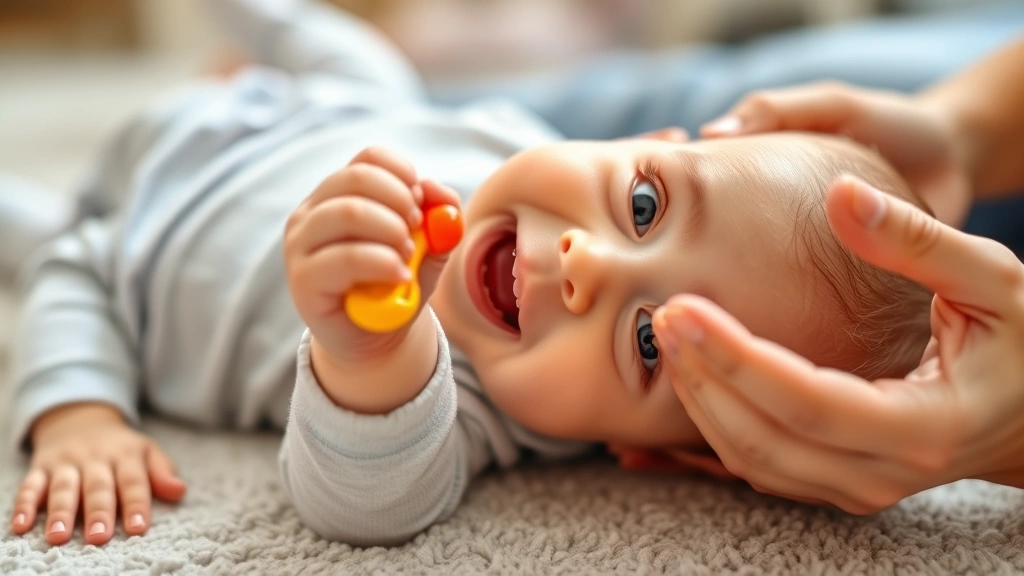
A baby rattle is far more than just a simple toy that makes noise. It’s one of the earliest tools in your infant’s developmental toolkit, serving as a bridge between their emerging sensory awareness and their growing ability to interact with the world around them. From the moment babies can grasp objects—typically around 3 to 4 months—rattles become instrumental in their cognitive, physical, and emotional growth.
Whether you’re a first-time parent navigating the overwhelming toy aisle or a seasoned caregiver looking to refresh your understanding of this classic toy, this guide will walk you through everything you need to know about baby rattles. We’ll explore what makes them tick, how they support development, safety considerations, and how to choose the right ones for your little one.
What Exactly Is a Baby Rattle?
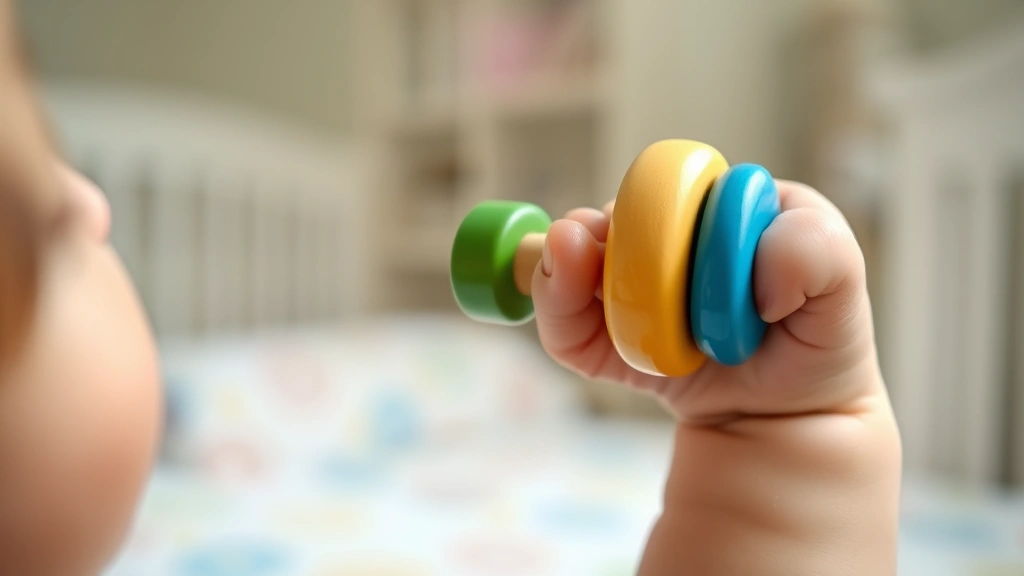
A baby rattle is a handheld toy designed specifically for infants, typically consisting of a handle and a hollow chamber filled with small pellets, beads, or other materials that produce sound when shaken. The basic design has remained remarkably consistent for centuries, though modern versions now come in countless shapes, colors, and variations.
The fundamental purpose of a rattle is to stimulate an infant’s senses through sound and tactile feedback. When a baby shakes a rattle, they hear the noise it produces, which creates a cause-and-effect relationship that’s crucial for cognitive development. The handle is sized appropriately for a baby’s grip, making it manageable for developing motor skills.
What makes a rattle distinct from other baby toys is its specific focus on auditory stimulation combined with physical interaction. While other toys might prioritize visual appeal or texture, the rattle’s primary function centers on the rewarding feedback loop created by sound production.
Developmental Benefits of Baby Rattles
The benefits of baby rattles extend far beyond mere entertainment. Research in child development demonstrates that rattles support multiple developmental domains simultaneously.
Motor Skill Development
When babies first encounter a rattle, grasping and shaking it requires coordinated muscle movements. This seemingly simple action actually engages gross motor skills (large muscle groups) and fine motor skills (small, precise movements). As babies progress from reflexive grasping to intentional shaking, they’re building strength and control in their hands, wrists, and arms.
Cognitive Development
Perhaps the most significant benefit is cognitive. Babies learn through cause and effect: shake the rattle, hear the sound. This fundamental understanding of cause and effect is foundational to all future learning. According to the American Academy of Pediatrics, these early cause-and-effect experiences are critical for brain development.
Sensory Stimulation
Rattles provide important auditory input at a stage when babies are still developing their hearing capabilities. The varying sounds produced by different rattles help infants learn to distinguish between different tones and volumes, contributing to auditory discrimination skills that later support language development.
Social and Emotional Development
When you shake a rattle for your baby or respond to their rattle-shaking with enthusiasm, you’re creating positive social interactions. These moments of shared joy and engagement strengthen your bond and help babies develop emotional security.
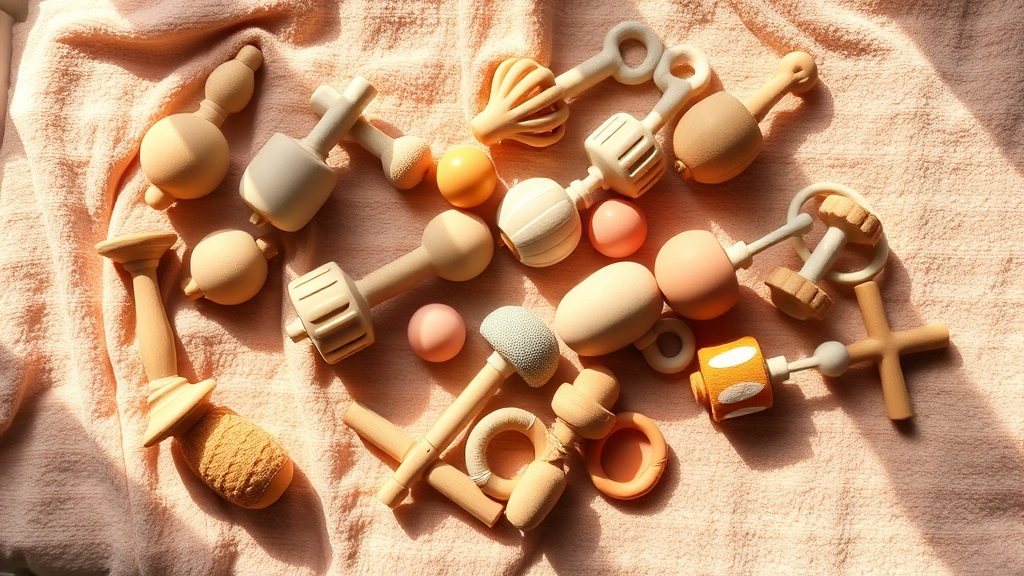
Types of Baby Rattles Available
Modern parents have access to an impressive variety of rattle styles, each with distinct characteristics and benefits.
Traditional Handle Rattles
The classic wooden or plastic handle rattle with a bulbous head remains popular for good reason. These are lightweight, easy to grip, and straightforward in design. They’re often the first rattle babies encounter and work well for younger infants just beginning to grasp objects.
Teething Rattles
Designed with textured surfaces and sometimes cooled gel sections, teething rattles serve double duty. They provide rattle stimulation while also soothing sore gums when babies are teething around 4-6 months. These are particularly valuable during the teething phase when babies naturally want to chew on everything.
Shaker Toys
Beyond traditional rattles, baby shark toys and other character-based shakers offer similar sensory benefits with added visual appeal. These often feature bright colors and interesting shapes that capture attention while maintaining the fundamental rattle function.
Sensory Rattles
Contemporary sensory rattles incorporate multiple textures, colors, and sometimes mirrors or crinkly materials. These multi-sensory toys engage babies on several levels simultaneously, providing richer developmental stimulation than single-function rattles.
Wrist Rattles
Designed to attach to a baby’s wrist or ankle, these soft rattles move with the infant’s natural movements. They’re excellent for very young babies (2-3 months) who haven’t yet developed intentional grasping but are beginning to move their limbs more deliberately.
Rattle Balls
Soft, squishy balls filled with rattling materials offer a different gripping experience. The rounded shape and often textured surface make them interesting alternatives to traditional handle rattles.
Safety Considerations and Standards
Safety should always be your primary concern when selecting any toy for your infant. Understanding safety standards and potential hazards is essential for responsible parenting.
Regulatory Standards
In the United States, baby rattles must comply with Consumer Product Safety Commission (CPSC) standards. These regulations ensure that rattles meet specific requirements regarding materials, construction, and safety features. Always look for toys that meet ASTM F963 standards, which are specifically designed for toy safety.
Choking Hazard Prevention
The most significant safety concern with rattles is choking. According to the CDC, choking is a leading cause of unintentional injury in young children. Rattles must be sized appropriately so they cannot fit entirely in a baby’s mouth. Any small parts, including beads or pellets inside the rattle, must be completely sealed and impossible for a baby to access.
Never use a rattle with detachable parts or one that shows signs of wear and tear. Regularly inspect rattles for cracks, loose pieces, or deterioration. If a rattle is damaged, discard it immediately.
Material Safety
Choose rattles made from non-toxic materials. Look for toys manufactured from food-grade silicone, natural wood treated with baby-safe finishes, or certified plastic. Avoid rattles with paint or coating that could chip or peel. Many parents prefer organic or sustainably-sourced options when available.
Age Appropriateness
Different rattles are designed for different developmental stages. Wrist rattles work well for very young babies, while handle rattles are better for infants who have developed a stronger grasp. Always follow the manufacturer’s age recommendations.
How to Choose the Right Rattle
With countless options available, selecting the right rattle for your baby requires considering several factors.
Age and Developmental Stage
Newborns (0-3 months) benefit from wrist rattles or lightweight options since their grasping reflex hasn’t fully developed intentionality. Babies 3-6 months old can handle traditional handle rattles and benefit from teething options if they’re beginning to explore oral sensations. Older infants may enjoy more complex sensory rattles that offer multiple stimulation types.
Material Preference
Consider whether you prefer wooden, plastic, silicone, or fabric rattles. Each material has advantages: wood is natural and durable, plastic is lightweight and easy to clean, silicone is flexible and often doubles as a teether, and fabric provides different tactile feedback. Your choice might depend on your parenting philosophy, baby’s preferences, or practical considerations like dishwasher safety.
Sound Quality
Different rattles produce different sounds. Some create gentle, soothing tones while others are louder and more stimulating. Observe your baby’s response to different sounds. Some infants prefer gentle, melodic rattles while others enjoy more pronounced sounds. The goal is stimulation without overstimulation.
Grip Comfort
Handles should be sized appropriately for your baby’s hand. Test the grip thickness—it should be easy for small fingers to wrap around without requiring excessive effort. Textured handles often provide better grip than smooth ones.
Complementary Features
While the rattle function is primary, additional features can add value. Teething surfaces, mirrors, crinkly materials, or attachable elements (like those found on baby dj table accessories) can enhance engagement and provide variety.
Quality and Durability
Invest in well-made rattles that will withstand frequent use and potentially be passed to younger siblings. Check reviews from other parents, examine construction quality, and ensure seams are secure and materials are robust.
Tips for Engaging Your Baby With Rattles
Simply providing a rattle isn’t enough—how you use it significantly impacts its developmental benefits.
Make It Interactive
Don’t just hand your baby a rattle and expect independent play. Shake it yourself first to demonstrate the cause-and-effect relationship. Make exaggerated facial expressions and sounds to show enthusiasm. Babies learn through imitation and observation, so your modeling is valuable.
Vary the Experience
Introduce different rattles with different sounds and textures. This variety prevents habituation (where babies lose interest because the stimulus becomes predictable) and provides richer sensory input. Rotate which rattles are available to maintain novelty.
Incorporate Into Routines
Use rattles during tummy time to encourage reaching and grasping. Shake a rattle to the side to encourage babies to turn their heads, strengthening neck muscles. Use rattles during social play and interaction times to build positive associations with auditory engagement.
Combine With Other Activities
Pair rattle play with other developmental tools. After baby book reading sessions, introduce a rattle to shift sensory focus. Combine rattles with visual tracking exercises or tummy time activities.
Maintain Cleanliness
Regularly clean rattles according to manufacturer instructions. Babies explore the world through their mouths, so hygiene is important. Most plastic and silicone rattles can be washed with warm soapy water or run through the dishwasher if marked as safe.
Observe and Respond
Pay attention to which rattles your baby gravitates toward and which sounds they seem to enjoy most. Some babies prefer gentle sounds while others are drawn to louder, more stimulating options. Adjust your selections based on your individual baby’s preferences and developmental needs.
Encourage Independent Exploration
As babies develop, encourage them to explore rattles independently. Provide supervised free play where they can experiment with shaking, transferring between hands, and discovering the cause-and-effect relationship on their own. This builds confidence and independence.
Frequently Asked Questions
At what age can babies safely use rattles?
Newborns can use wrist rattles from birth since these attach to the baby and require no grasping. Traditional handle rattles are typically appropriate once babies develop intentional grasping around 3-4 months. Always follow manufacturer age recommendations and supervise rattle play.
How do I know if a rattle is safe?
Look for toys that meet CPSC and ASTM F963 standards. Check that the rattle has no small detachable parts, is made from non-toxic materials, and has no cracks or damage. The rattle should be sized so it cannot fit entirely in a baby’s mouth. When in doubt, choose toys from reputable manufacturers with strong safety records.
Can rattles help with teething?
Yes, though not all rattles are designed for teething. Specifically designed teething rattles, often made with silicone or featuring textured surfaces, can provide relief for sore gums. Some parents refrigerate (not freeze) silicone teething rattles for additional comfort. However, rattles shouldn’t replace proper teething toys designed specifically for that purpose.
How many rattles does a baby need?
There’s no magic number, but having 3-5 different rattles with varying sounds and textures is ideal. This provides enough variety to maintain interest without overwhelming your baby or requiring excessive storage. Different rattles serve different purposes—some are better for grasping practice, others for sensory stimulation.
Are wooden or plastic rattles better?
Both have advantages. Wooden rattles are natural, durable, and often aesthetically appealing. Plastic rattles are lightweight, easy to clean, and often more colorful. Silicone offers flexibility and teething benefits. The best choice depends on your preferences, your baby’s needs, and practical considerations like cleaning and durability. Many parents use a combination of materials.
What if my baby doesn’t seem interested in rattles?
Not all babies respond identically to the same toys. If your baby shows little interest in rattles, try different types, sounds, and textures. Ensure you’re presenting the rattle during alert, engaged periods rather than when your baby is tired or fussy. Consider that your baby might prefer other baby alive doll companions or sensory toys. Development is individual, and babies have preferences just like adults do.
Can rattles cause hearing damage?
Well-designed baby rattles produce sounds at appropriate volumes for infant ears. However, excessively loud rattles or prolonged exposure to loud sounds can potentially be harmful. Choose rattles with moderate sound levels and avoid shaking them directly near your baby’s ears. If a rattle seems unusually loud, it may not meet safety standards.
How do I clean and maintain rattles?
Most plastic and silicone rattles can be washed with warm soapy water or run through the dishwasher if marked as safe. Wooden rattles should be wiped clean with a damp cloth and air-dried thoroughly to prevent mold. Never submerge wooden rattles. Inspect regularly for damage and discard any rattles showing signs of wear or deterioration.