Ultimate Baby Registry Checklist: Essential Items Every New Parent Needs
Creating a baby registry can feel simultaneously exciting and overwhelming. You’re staring down hundreds of products, each promising to be the absolute must-have for your nursery, and you’re wondering which ones actually deserve space in your home. The truth? Most first-time parents end up with items they never use while missing things they desperately needed.
We’ve been there, and we’re here to cut through the noise. This comprehensive baby registry checklist focuses on items that genuinely make parenting easier during those first critical months—not gadgets designed to make manufacturers richer. We’ll walk you through every category, explain why certain items matter, and help you build a registry that actually reflects your lifestyle and values.
The goal isn’t to have everything; it’s to have the right things. Let’s build that registry together.
Nursery Furniture and Safety Essentials
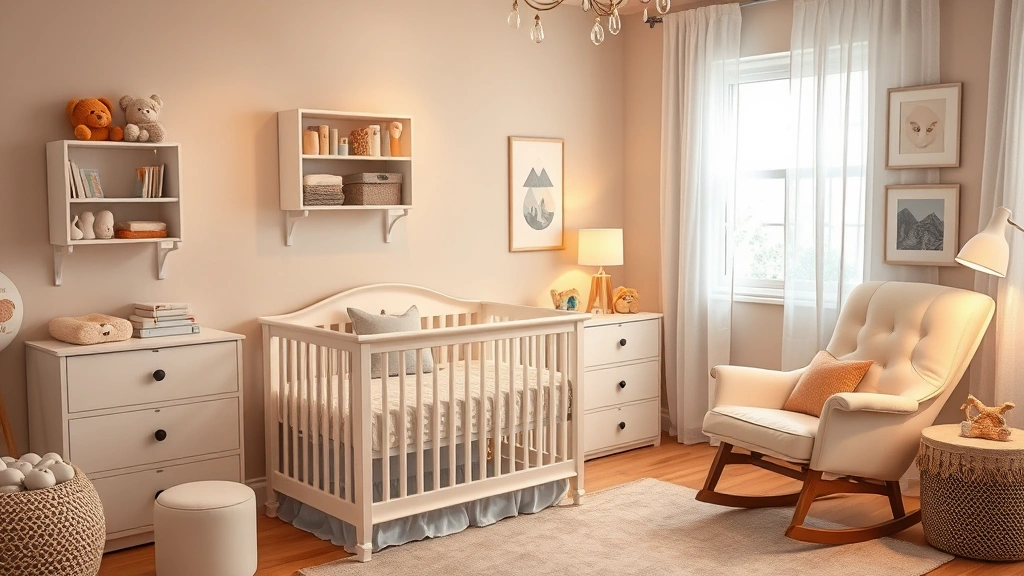
Your nursery is your baby’s sanctuary, and the furniture you choose sets the foundation for safety and comfort. Before you fall in love with that stunning designer crib, understand what actually matters.
The crib is non-negotiable. Whether you choose a full-size crib, mini crib, or convertible model depends on your space and long-term plans. What matters most is that it meets current Consumer Product Safety Commission standards—look for the certification label. Avoid secondhand cribs unless you’re absolutely certain they haven’t been recalled. A firm, well-fitting mattress and fitted sheets complete this setup.
A comfortable chair or glider deserves real estate on your registry. You’ll spend countless hours in this seat during midnight feedings, soothing sessions, and those quiet moments when your baby finally falls asleep. Don’t skimp here; your back will thank you. Ottoman included, please.
Storage solutions prevent nursery chaos. A dresser serves double duty for clothing and changing supplies, while a closet organizer system maximizes vertical space. Wall shelving keeps frequently used items within arm’s reach without consuming floor space.
Climate control matters more than you’d think. A white noise machine masks household sounds and creates consistent sleep conditions, while a room thermometer helps maintain the ideal 68-72 degree range. A dimmer switch or soft nightlight is essential for those 3 a.m. diaper changes when you’re trying not to fully wake yourself.
When exploring baby registry must haves, prioritize these foundational pieces before considering decorative items.

Bedding and Sleep Products
Sleep deprivation is real, and quality sleep products can genuinely improve outcomes for both baby and parent. However, the bedding industry loves to overcomplicate things.
Keep the crib simple. A firm mattress, fitted sheets (at least three sets for laundry rotation), and a waterproof mattress protector are all you need. Skip the bumpers, pillows, blankets, and decorative bedding—the American Academy of Pediatrics recommends a bare crib for safe sleep. This isn’t deprivation; it’s protection.
A quality sleep sack or wearable blanket replaces traditional blankets while keeping your baby warm and safe throughout the night. These come in different tog ratings for various seasons, so consider your climate when selecting.
Blackout curtains create the dark environment babies need for quality sleep. Darkness triggers melatonin production and helps establish circadian rhythms even in newborns. Choose thermal-backed options that also help regulate room temperature.
A changing pad with a waterproof cover can live on top of the dresser, saving your back from constant bending. Alternatively, a wall-mounted changing table works beautifully in smaller spaces. Stock it with diaper cream, wipes warmer, and a small trash can for used diapers.
Feeding Supplies and Equipment
Whether you’re breastfeeding, bottle feeding, or combining both, your feeding setup dramatically impacts daily life. The right equipment makes feeding smoother and less stressful for everyone.
For breastfeeding parents: A quality nursing pillow provides proper positioning and reduces strain on your shoulders and neck. A breast pump (manual or electric, depending on your return-to-work timeline) becomes essential if you plan to express milk. Nursing bras—comfortable, well-fitting ones—should number at least three. Nipple cream, breast pads to prevent leaking, and a comfortable nursing chair complete your setup. Many parents find that exploring baby shower gift ideas reveals creative nursing-specific presents from thoughtful friends.
For bottle feeding families: Start with eight to ten bottles in various sizes. Anti-colic bottles reduce gas and discomfort, though every baby responds differently. Bottle brushes, a sterilizer or sterilizing solution, and a bottle drying rack keep everything clean and organized. A bottle warmer is convenient but not essential—many parents simply run warm water over bottles.
High chairs come later, but when you do need one, prioritize easy cleaning and a small footprint. For now, focus on bottles, sterilization equipment, and feeding accessories that work with your chosen method.
A small food processor or blender becomes relevant when introducing solids around six months, but don’t register for it immediately. You’ll have a clearer sense of your needs by then.
Diapering and Bath Necessities
You’ll change thousands of diapers in your baby’s first year. Making this process efficient and pleasant matters more than you’d imagine.
Diaper storage and disposal: A diaper pail specifically designed to contain odors saves your nursery from smelling like a waste facility. Some use specialized refill cartridges; others work with regular trash bags. Choose based on your budget and environmental preferences. A small trash can for bathroom diaper disposal also proves handy.
Wipes warmers are debatable—some parents swear by them for comfort during those cold-weather changes, while others find them unnecessary. If you live in a cold climate, it might be worth adding to your registry. Otherwise, room-temperature wipes work perfectly fine.
For bathing, a baby bathtub or insert makes washing easier and safer than attempting to bathe a slippery newborn in your regular tub. A bath thermometer ensures water stays in the safe 90-100 degree range. Soft washcloths, hooded towels, and gentle baby wash complete your bath station.
Diaper cream for rash prevention and treatment should be on hand before baby arrives. Different babies respond to different formulas, so consider registering for two or three options. Aquaphor, zinc oxide-based creams, and prescription options each have their advocates.
Don’t forget the basics: cotton balls, nail clippers designed for tiny fingers, a soft brush and comb, and a thermometer for monitoring fever. These small items prevent emergency runs to the store at inconvenient times.
Clothing and Accessories
Baby clothing is deceptively complicated because babies grow at different rates and have varying temperature needs throughout the day.
Newborn sizes are essential but limited. Register for both newborn and 0-3 month sizes, understanding that some babies skip the newborn phase entirely. Include bodysuits (short and long-sleeved), sleepers with and without feet, and simple outfits for going out. Avoid anything with complicated closures—snaps and zippers beat buttons and ties when you’re half-asleep at midnight.
Seasonal considerations matter. If your baby arrives in winter, prioritize warm layers and fleece sleepers. Summer babies need lightweight, breathable options. Mittens prevent newborns from scratching their faces, and socks disappear at alarming rates, so register for multiples.
Swaddles and sleep sacks in various weights support safe sleep while keeping your baby cozy. As your baby grows, sleep sacks replace swaddles in your rotation.
Outerwear for going outside includes a lightweight jacket for mild weather and a heavier coat or bunting bag for winter. A sun hat and lightweight cover-up protect from summer sun. These items need to fit properly, so waiting to purchase until after baby arrives often makes more sense.
Accessories like a diaper bag, stroller organizer, and car seat cover organize your supplies and protect equipment. However, these can often be sourced affordably after you understand your specific needs. Focus your registry on clothing and essentials first.
Transportation and Mobility
Getting your baby from point A to point B requires the right equipment, and safety standards are non-negotiable in this category.
A car seat is absolutely essential and legally required before leaving the hospital. Infant car seats work for babies from birth to approximately 30-35 pounds, offering excellent safety features and ease of installation. Convertible car seats work from newborn through toddler years, offering longevity but less convenience during the infant stage. Many families choose to register for an infant seat with plans to transition to a convertible seat later.
A stroller serves multiple purposes beyond just pushing your baby around. Whether you prefer a full-size travel system, lightweight umbrella stroller, or jogging stroller depends on your lifestyle. Consider where you’ll use it most—urban sidewalks, suburban malls, or outdoor trails all benefit from different stroller styles. Many parents find that exploring free baby stuff resources reveals community lending libraries where you can test different stroller types before committing.
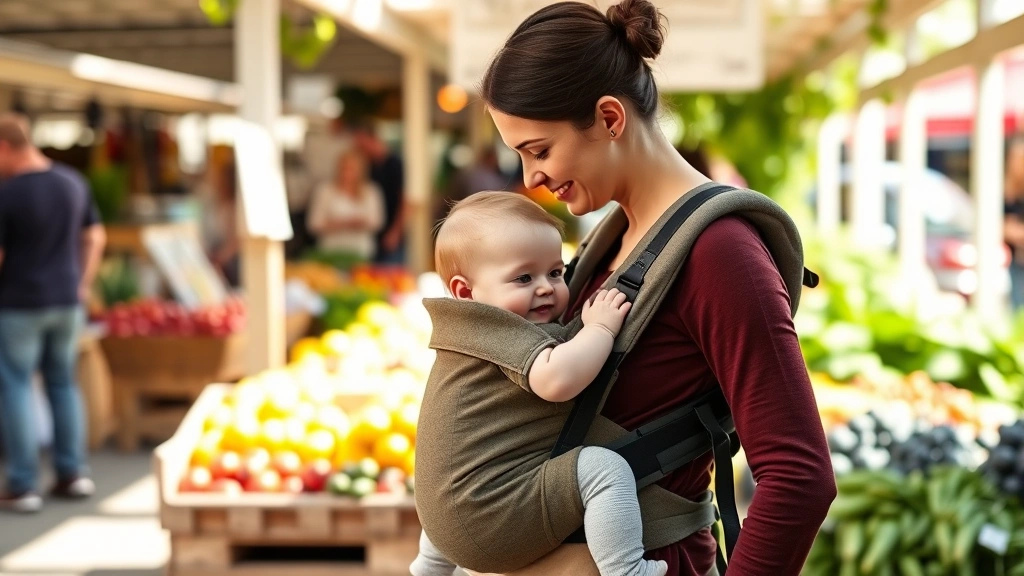
A carrier or wrap allows hands-free baby wearing, perfect for those moments when you need to accomplish tasks while keeping your baby close. Soft wraps, structured carriers, and ring slings each offer different benefits. Test a few if possible before registering.
Stroller accessories like a weather shield, sun shade, and cup holder enhance functionality without breaking the budget. A stroller organizer keeps your essentials within reach during outings.
Health and Safety Gear
Preparing for health needs and safety situations prevents panic when issues arise and ensures you’re ready for emergencies.
Temperature monitoring: A reliable digital thermometer (rectal thermometers are most accurate for newborns) helps you identify fever quickly. A forehead or ear thermometer offers convenience for older babies, though accuracy varies.
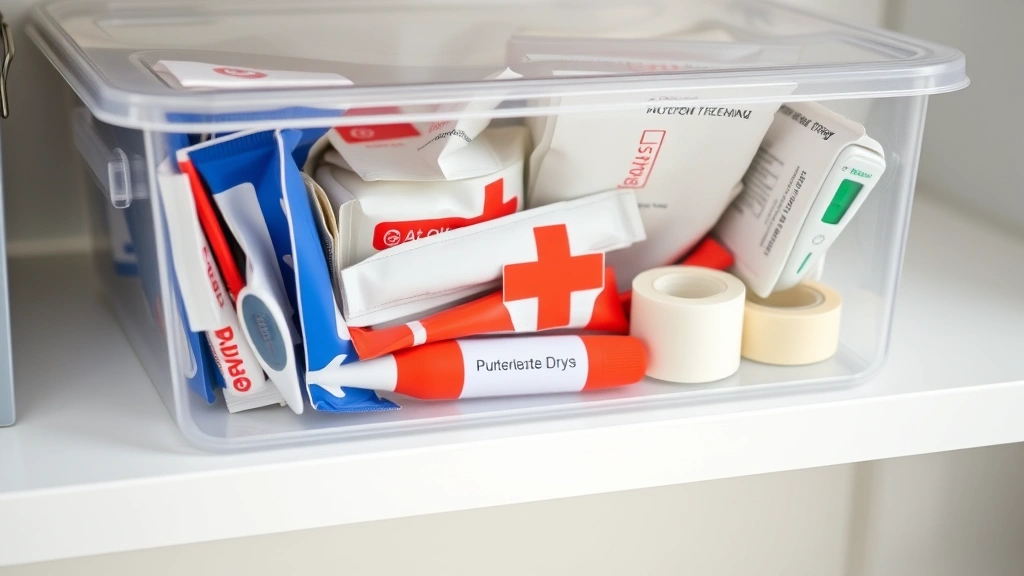
First aid supplies should include bandages, antibiotic ointment, saline nasal drops for congestion relief, and infant pain reliever. A humidifier helps ease congestion during cold season, and a bulb syringe clears nasal passages gently.
Safety equipment protects your growing baby as mobility increases. Cabinet locks, outlet covers, door locks, and baby gates prevent accidents before they happen. A baby monitor with video capability lets you check on your sleeping baby without entering the room. Choose between WiFi-enabled monitors for remote viewing or closed-system monitors that don’t connect to the internet.
Babyproofing supplies should be gathered before your baby becomes mobile. Cord organizers, furniture anchors, and edge guards create a safer environment as your baby develops.
A baby-safe sunscreen becomes important once your baby is older than six months and spending time outdoors. Register for a physical sunscreen designed specifically for babies rather than chemical options.
According to the American Academy of Pediatrics, maintaining updated safety knowledge through their resources helps parents make informed decisions about health and wellness products.
Smart Shopping Strategies
Now that you understand what actually belongs on your registry, let’s talk strategy for building one that serves your family well.
Know your priorities. Every family’s needs differ based on lifestyle, living situation, and values. Urban apartment dwellers might prioritize compact equipment, while suburban families with cars benefit from different products. Acknowledge your specific circumstances rather than copying someone else’s registry.
Price across categories thoughtfully. You don’t need premium options for every item. Splurge on things you’ll use constantly and that directly impact comfort or safety—quality mattresses, comfortable chairs, reliable car seats. Save money on items you’ll use briefly or infrequently—certain clothing, decorative items, or trendy gadgets.
Include items at various price points. Not every gift-giver has the same budget, and a well-constructed registry includes options ranging from $15 to $150+. This ensures that friends and family at different financial levels can find something meaningful to contribute.
Register for multiples of consumables and frequently-used items. Three to four sets of sheets, multiple burp cloths, several bodysuits, and backup pacifiers prevent constant laundry and stress. You’ll use these items daily, and having backups is genuinely helpful.
Consider registering for baby boy gifts or baby girl gifts if you’re having a gender-specific baby, but remember that gender-neutral options offer flexibility if you plan future children.
Update your registry periodically. As you attend baby showers and receive gifts, remove purchased items. Add items you’ve researched further and feel confident about. This prevents duplicate gifts and keeps your registry current and relevant.
Don’t forget the boring stuff. People love registering for cute decorations and fancy gear, but the items that genuinely make parenting easier are often the simple, practical ones. Ensure your registry includes plenty of these unsexy essentials.
Research current safety standards and recalls before finalizing your registry. The Consumer Product Safety Commission website provides up-to-date recall information for all baby products. Check this resource before adding major items to your list.
Many retailers offer completion discounts (typically 10-15% off) for items remaining on your registry after your baby shower. Use this opportunity to purchase items you didn’t receive, or stock up on consumables like diapers and wipes.
Frequently Asked Questions
How many items should I include on my baby registry?
Most experts recommend 50-75 items across all categories. This provides enough variety to accommodate different gift-giver budgets while avoiding excessive duplication. Your final number depends on your guest list size and how many items you already own. Quality matters more than quantity—include items you’ll genuinely use rather than padding the list with unnecessary products.
Should I register for gender-specific items?
This is entirely personal preference. Gender-neutral items offer flexibility, especially if you plan additional children. However, if you love specific colors or styles associated with gender, there’s nothing wrong with including them. The key is choosing items you genuinely love rather than defaulting to expectations. Many parents find a mix of both approaches works best.
When should I create my baby registry?
Ideally, create your registry during the second trimester (weeks 20-28). This timing gives you enough time to research thoroughly without the pressure of imminent arrival. If you’re expecting quickly or didn’t register early, even a rushed registry beats not having one at all. You can update it anytime before your shower.
Is it acceptable to register for expensive items like strollers and car seats?
Absolutely. These are significant investments that directly impact your daily life and safety. Including one or two higher-priced items gives generous gift-givers an option and allows multiple people to contribute toward a single large item if they choose. There’s no shame in making these needs known—quality equipment matters.
What if I receive duplicate gifts?
Keep receipts and tags attached to items, allowing easy returns or exchanges. Many retailers accept returns within 30-60 days without questions. For items without tags, contact the gift-giver if possible—most people are happy to exchange for something you need. Duplicates of consumables (diapers, wipes) or frequently-used items (burp cloths, sleepers) aren’t necessarily wasted; you’ll use them all.
Should I register for items I plan to purchase secondhand?
If you’re committed to buying something used, skip registering for it. This prevents gift-givers from purchasing new versions when you’ve already sourced them elsewhere. However, if you’re unsure whether you’ll find a good secondhand option, go ahead and register—you can always remove it if your secondhand search succeeds.
How do I decide between different product options?
Read reviews from verified purchasers on multiple platforms. Watch YouTube reviews from parents in similar situations. If possible, test items at stores or borrow from friends to understand what works for your family. Don’t get caught in analysis paralysis—most items have multiple good options. Choose based on your priorities (budget, aesthetics, functionality) rather than trying to find the objectively perfect product.
What’s the difference between nice-to-have and essential items?
Essential items directly impact your baby’s safety, health, or comfort, or significantly reduce parental stress and workload. Nice-to-have items make life more convenient or aesthetically pleasing but aren’t critical for baby’s wellbeing. Prioritize essentials on your registry first, then add nice-to-haves if you have room and budget allows. Be honest about what actually matters to your family rather than what marketing suggests you need.
Creating a thoughtful baby registry checklist takes time but pays dividends when your baby arrives. Focus on items that serve your lifestyle, support safety, and make parenting more manageable. Trust that you don’t need everything on the market—you need the right things for your family. That’s the registry worth building.